

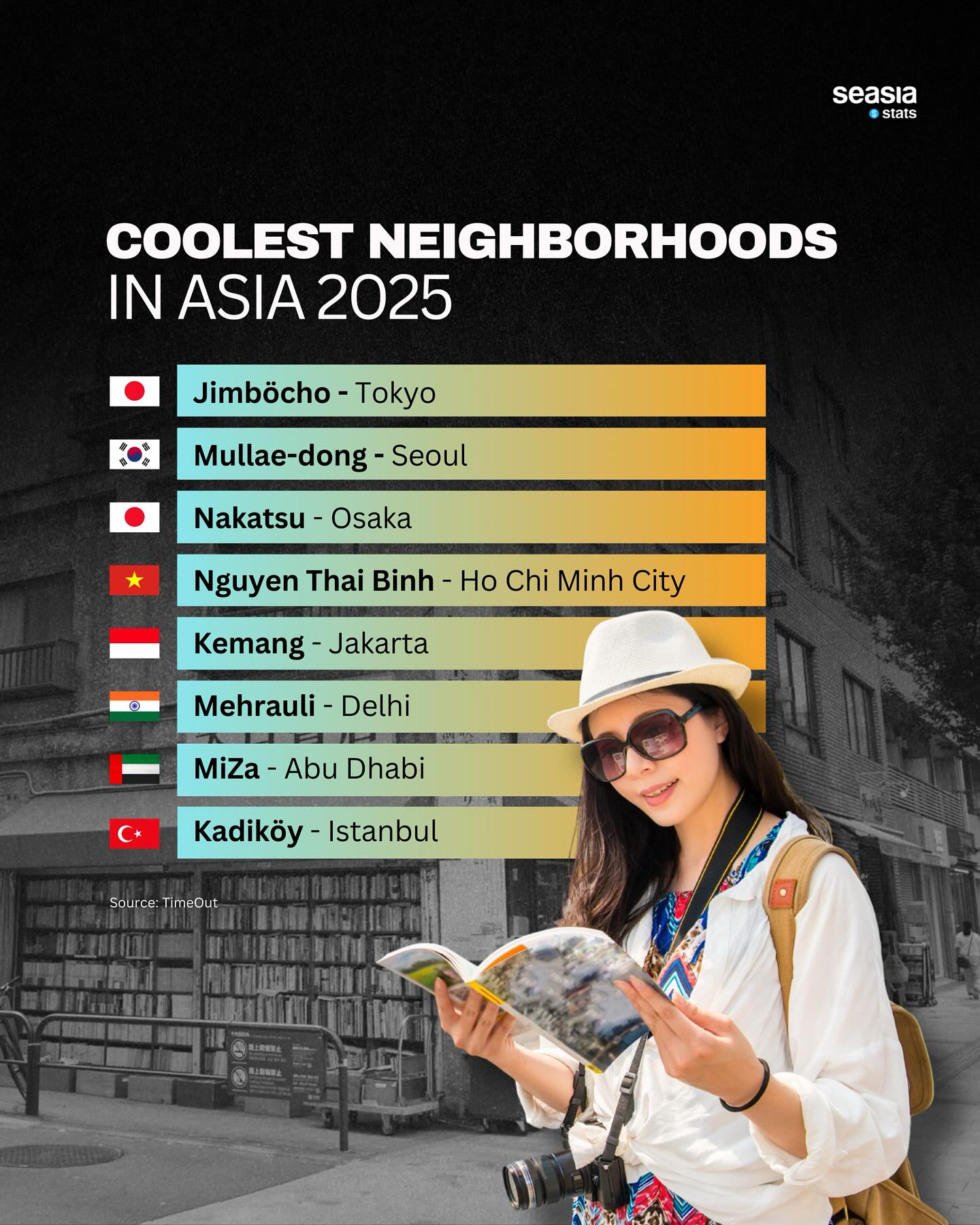
Jimbocho, located in the heart of Tokyo, tops the list of coolest neighborhoods in Asia for 2025. Known as “Tokyo’s Book District”, this area is famous for its vintage bookstores, quirky independent shops, and the thriving cultural scene that attracts bibliophiles, art enthusiasts, and history buffs alike. Here, old-world charm meets modern creativity, creating a unique fusion of intellectual and artistic energy.
The neighborhood has also become a center for Tokyo’s literary community, with bookshops offering everything from rare vintage finds to modern literature. Visitors can enjoy browsing through the stacks of second-hand bookstores, visiting local cafes, and soaking in the rich cultural atmosphere that defines this urban gem. Whether you’re a book lover or simply someone seeking a quieter side of Tokyo, Jimbocho offers a unique slice of the city that blends intellectualism with creativity.
Mullae-dong: Seoul’s Artistic Revival
Mullae-dong in Seoul takes second place on the list, a once-industrial district now transformed into an artsy neighborhood. Known for its hip cafés, galleries, and vibrant street art, Mullae-dong represents the artistic revival that is sweeping across Seoul. The area, once home to steel factories, has evolved into a creative hub, attracting young artists and innovators from around the world.
Mullae-dong is a testament to the growing trend of urban regeneration, where old industrial spaces are being repurposed into art studios, cafés, and art galleries. The neighborhood’s industrial past is still visible in its architecture, but it’s now complemented by modern artistic expressions, making it a dynamic destination for both locals and tourists looking for Seoul’s creative pulse.
Nakatsu: Osaka’s Fusion of Tradition and Modernity
In third place is Nakatsu, a neighborhood in Osaka celebrated for its ability to combine traditional Japan with a modern, energetic vibe. Known for its creative spaces, local charm, and artistic appeal, Nakatsu has become a cultural hotspot that’s drawing attention both in Japan and internationally. The neighborhood is home to numerous art studios, independent shops, and local restaurants offering a taste of Osaka’s diverse cultural heritage.
Nakatsu’s blend of old and new gives it a unique charm, making it a perfect place to experience the contrast of Japanese tradition with contemporary creativity. Whether you’re exploring its historic streets or visiting modern art exhibitions, Nakatsu offers a vibrant mix of experiences that make it one of Osaka’s coolest spots in 2025.
Southeast Asia’s Emerging Cultural Hubs
Southeast Asia is also well represented, with neighborhoods like Nguyen Thai Binh in Ho Chi Minh City and Kemang in Jakarta shining as vibrant cultural destinations. Nguyen Thai Binh, once a quiet district, has transformed into a youthful neighborhood filled with indie cafés, art spaces, and a lively atmosphere. The area’s bohemian charm attracts locals and travelers alike, offering a taste of Vietnam’s evolving creative scene.
Kemang in Jakarta, known for its eclectic mix of nightlife, art, and international dining, is a cultural melting pot. This neighborhood blends traditional Indonesian vibes with modern urban energy, offering a dynamic mix of art galleries, restaurants, and local events that reflect Jakarta’s growing status as a cultural hub in Southeast Asia.
Other Notable Destinations
Other notable destinations that are reshaping the cultural landscape of Asia include Mehrauli in Delhi, which blends ancient heritage with contemporary artistic expressions, MiZa in Abu Dhabi, known for its fusion of Middle Eastern art and modern design, and Kadıköy in Istanbul, where the mix of traditional Turkish culture and hip, modern cafes creates an atmosphere full of contrasts.
These neighborhoods highlight the diverse ways urban areas in Asia are embracing cultural reinvention and lifestyle innovation. From Tokyo’s literary district to Ho Chi Minh City’s artsy corners, Asia’s cities are at the forefront of cultural transformation, attracting travelers looking for unique experiences that go beyond the typical tourist attractions.
Conclusion: Asia’s Urban Evolution
As 2025 unfolds, these neighborhoods represent the dynamic urban evolution happening across Asia. They showcase how cities are embracing creativity, culture, and community, offering something fresh and exciting for travelers and locals alike. Whether you're exploring bookshops in Tokyo, art galleries in Seoul, or indie cafes in Jakarta, these areas prove that Asia’s cultural scene is more vibrant and diverse than ever before.


