

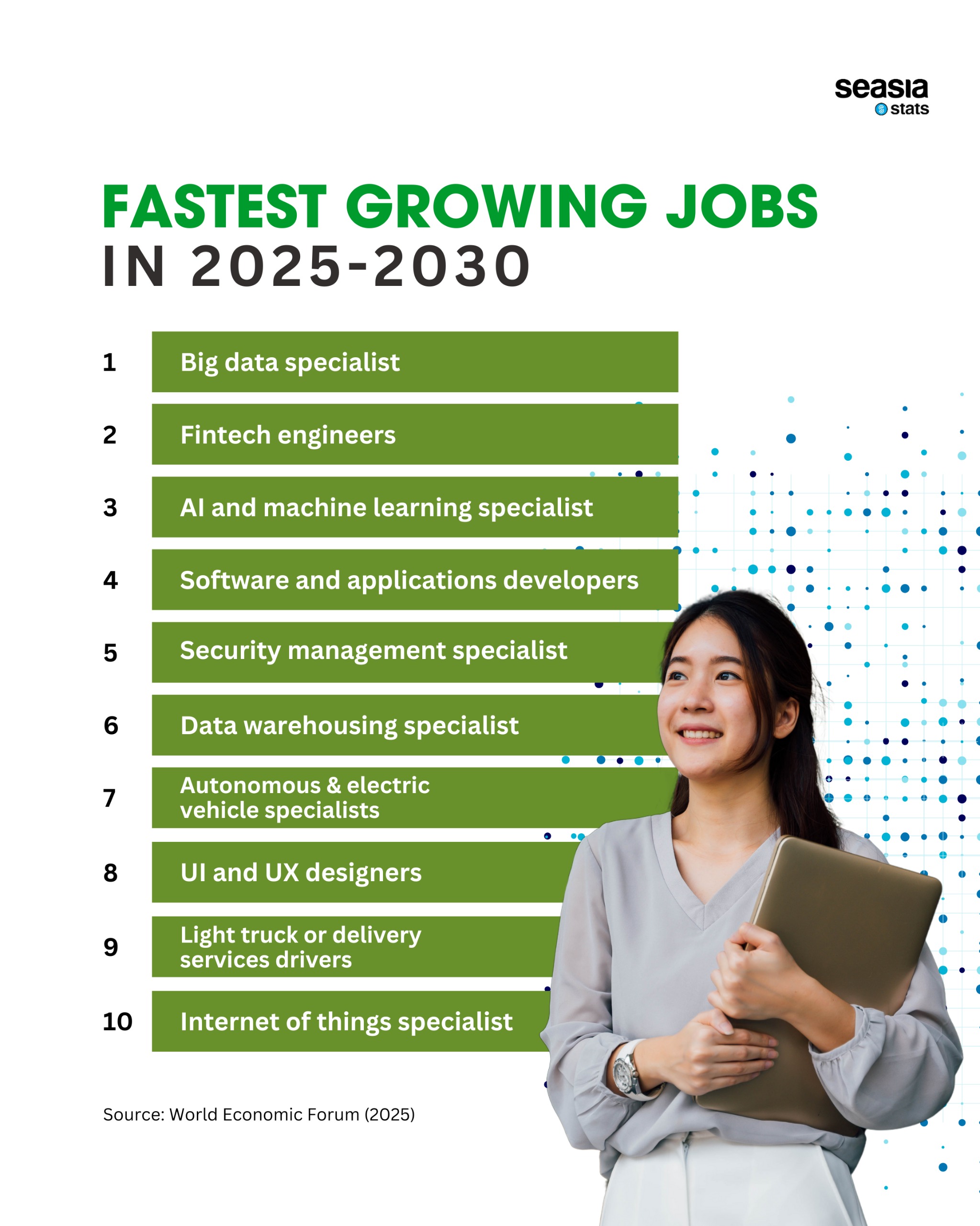
The job market is evolving rapidly, driven by technological advancements, automation, and changing consumer demands. According to the World Economic Forum, several professions are expected to see significant growth between 2025 and 2030. Here are the top emerging careers that will shape the future workforce.
1. Big Data Specialists
With the explosion of data, professionals who can analyze, interpret, and manage large datasets will be in high demand. Companies across industries rely on data-driven decision-making, creating vast opportunities for data specialists.
2. Fintech Engineers
As financial technology (Fintech) continues to transform banking, payments, and investment sectors, engineers specializing in blockchain, digital currencies, and online financial platforms will play a crucial role in shaping the future of finance.
3. AI and Machine Learning Specialists
The rise of artificial intelligence (AI) and machine learning (ML) is revolutionizing industries such as healthcare, automation, and finance. Experts in AI and ML will be needed to develop intelligent algorithms, automation tools, and predictive models.
4. Software and Applications Developers
With businesses increasingly relying on technology, skilled developers who can build software solutions, mobile applications, and cloud-based services will remain essential. The demand for coding, cybersecurity, and cloud computing skills will continue to grow.
5. Security Management Specialists
Cybersecurity threats are becoming more sophisticated, making security management specialists critical for protecting sensitive data, financial transactions, and personal information. Companies will continue to invest heavily in cybersecurity infrastructure.
6. Data Warehousing Specialists
Efficient data storage and retrieval are crucial for businesses managing vast amounts of information. Data warehousing specialists will help organize, manage, and analyze structured data for better decision-making.
7. Autonomous & Electric Vehicle Specialists
As the automotive industry shifts toward electric and self-driving vehicles, specialists in battery technology, AI-driven navigation, and vehicle automation will be highly sought after. The rise of smart transportation systems will further boost demand.
8. UI and UX Designers
With an increasing focus on user experience (UX) and interface design (UI), companies need designers who can create intuitive, engaging, and visually appealing digital products. This includes websites, apps, and software platforms.
9. Light Truck or Delivery Services Drivers
The growth of e-commerce and online shopping has led to higher demand for delivery services. While automation may affect logistics, human drivers will still play a role in the industry, particularly for last-mile delivery services.
10. Internet of Things (IoT) Specialists
With more smart devices and connected systems, specialists in IoT technology will be responsible for developing and managing smart homes, industrial automation, and interconnected digital ecosystems.
Preparing for the Future of Work
These emerging roles highlight the importance of adaptability, continuous learning, and digital skills. Whether in technology, logistics, or finance, professionals who embrace innovation and upskill accordingly will have exciting career opportunities in the coming years.


