

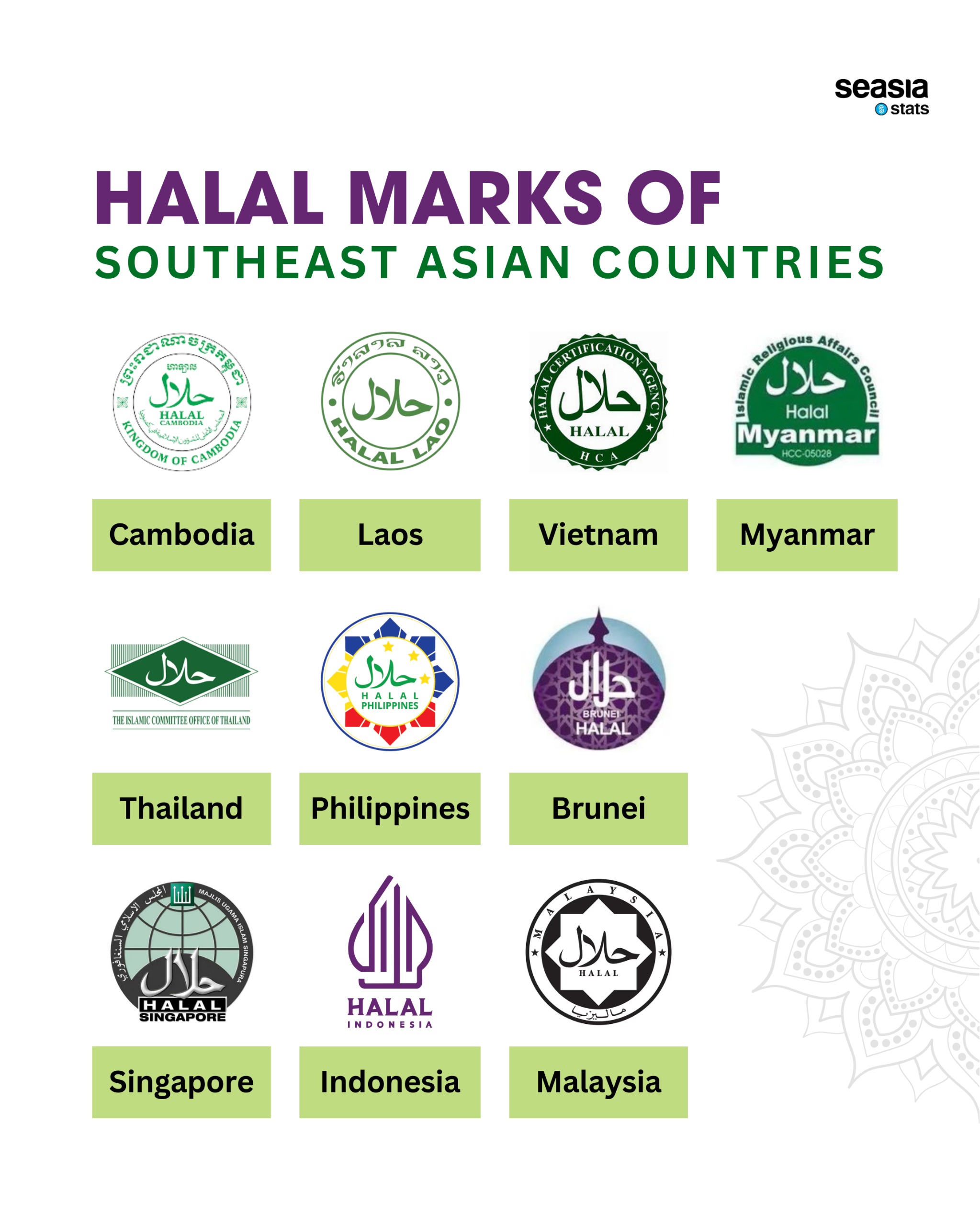
For Muslim consumers, the presence of a recognized halal certification mark on food products provides crucial assurance and peace of mind. These marks certify that products comply with Islamic dietary laws, ensuring that they are permissible (halal) and ethically sourced.
The Role of Halal Certification
Halal certification plays a vital role in food safety, religious compliance, and consumer confidence. A certified halal product undergoes thorough scrutiny, covering:
- Ingredient sourcing – Ensuring no prohibited (haram) substances are used.
- Processing methods – Verifying cleanliness, ethical treatment, and proper slaughtering techniques.
- Storage and handling – Preventing cross-contamination with non-halal products.
Halal Certification Marks in Southeast Asia
Southeast Asia is home to some of the largest Muslim-majority and Muslim-minority populations, each with its own halal certification authority. Some of the key halal marks in the region include:
Indonesia: Majelis Ulama Indonesia (MUI) Halal Mark
- Issued by the Indonesian Ulema Council (MUI), now regulated by BPJPH (Halal Product Assurance Agency).
- Recognized globally as one of the most rigorous halal certification processes.
Malaysia: JAKIM Halal Certification
- Overseen by Jabatan Kemajuan Islam Malaysia (JAKIM), a trusted halal certification body.
- Malaysia is known for its comprehensive halal ecosystem, influencing global halal standards.
Brunei Darussalam: Brunei Halal Certificate
- Managed by the Ministry of Religious Affairs, ensuring strict compliance with Islamic laws.
- Brunei’s halal standards are highly regarded for their stringent inspections.
Thailand: The Halal Standard Institute of Thailand
- Overseen by the Central Islamic Council of Thailand (CICOT).
- Supports the country’s growing halal food exports.
Singapore: MUIS Halal Certification
- Issued by the Islamic Religious Council of Singapore (MUIS).
- Recognized internationally for its robust halal verification process.
The Philippines: Halal Certification by the National Commission on Muslim Filipinos (NCMF)
- Regulated by the NCMF, with multiple halal certifying bodies.
- The Philippines has a growing halal food and tourism sector.
Why Halal Marks Matter
The display of halal certification marks benefits both consumers and businesses by:
- Building trust and loyalty – Muslim consumers can easily identify products that align with their beliefs.
- Expanding market access – Companies gain entry into the global halal industry, valued at over $2 trillion.
- Enhancing food safety and quality – Halal certification often overlaps with strict hygiene and ethical standards.
Conclusion
While halal certification marks vary across Southeast Asia, they all serve a common purpose: ensuring food meets Islamic dietary laws and strengthening consumer confidence. The diverse approaches to halal certification reflect the rich Islamic heritage of the region, supporting the needs of both local and international markets.


