

For millions of children across Southeast Asia, the first day of primary school is a major milestone—one shaped not only by family readiness, but by national education policy. While the region shares cultural and historical ties, the age at which children begin first grade varies in subtle but meaningful ways. These differences reflect how each country balances early childhood development, academic expectations, and global education standards.
A Regional Norm, With Local Variations
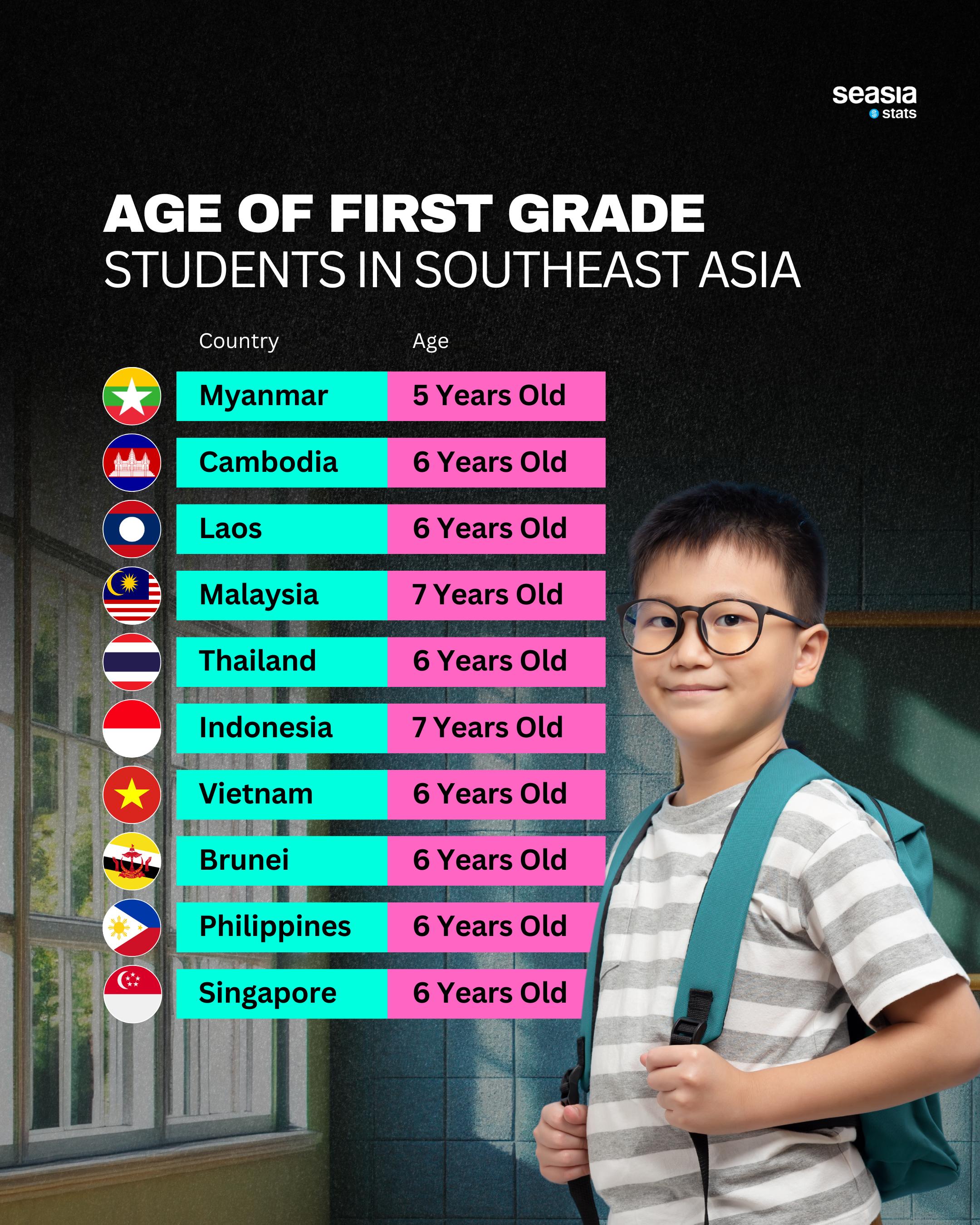
Across Southeast Asia, age six is the most common entry point into first grade, often referred to as Primary 1. This age is widely seen as a developmental sweet spot—old enough for structured learning, yet young enough to benefit from early academic exposure. However, beneath this shared norm lie important country-specific rules and cut-off dates that determine when a child is officially “school-ready.”
Countries Where First Grade Starts at Age 6
Most Southeast Asian nations enroll children in first grade at six years old. These include Thailand, Vietnam, Singapore, Cambodia, Laos, Brunei, and the Philippines.
In the Philippines, children must turn six by October 31 of the school year to enroll. Singapore follows a January-based academic calendar, meaning children are typically six when school starts but turn seven during the year. Vietnam and Thailand also follow the age-six standard, supported by strong early childhood education systems that prepare students before primary school begins.
For many of these countries, starting school at six aligns with international education benchmarks promoted by organizations such as UNESCO and helps ensure students are developmentally ready for formal learning.
Indonesia and Malaysia: Traditionally Starting at Seven
Indonesia and Malaysia have long stood apart by setting seven years old as the official age for first grade. In Indonesia, children are generally required to turn seven by July 1, although many schools accept six-year-olds who demonstrate academic and emotional readiness.
Malaysia is currently in transition. As of 2026, the government has introduced voluntary enrollment at age six, allowing parents more flexibility while keeping age seven as the mandatory standard. This shift reflects Malaysia’s effort to align more closely with global practices while respecting domestic education traditions.
Myanmar: The Earliest Start in the Region
Myanmar is the regional outlier, with children often starting first grade at just five years old. This early entry is rooted in the country’s historical education structure, where primary schooling begins sooner but often emphasizes gradual academic progression in the early years.
While starting earlier can accelerate literacy and numeracy exposure, it also places greater importance on early childhood support to ensure children are emotionally and cognitively prepared.
Why Entry Age Matters
The age at which children begin formal schooling influences learning outcomes, social development, and long-term academic performance. Countries that allow flexibility—such as Indonesia and Malaysia—acknowledge that readiness varies from child to child, not just by birthdate.
Across Southeast Asia, governments are increasingly investing in pre-primary education, recognizing that strong kindergarten and early childhood programs are key to smoothing the transition into first grade—regardless of whether that happens at five, six, or seven.
A Shared Goal, Different Starting Lines
While policies differ, the underlying goal across Southeast Asia is the same: to give children the strongest possible start in life. Whether a child enters first grade at five in Myanmar, six in Vietnam, or seven in Indonesia, the region continues to refine its education systems to balance tradition, science, and global standards.
In the end, it’s not just when school starts—but how well children are supported when they do.


