


For many Indonesians, Uzbekistan still feels distant—geographically and culturally. Yet after spending nine days across Tashkent, Bukhara, and Samarkand, I found something unexpected: a sense of familiarity wrapped in centuries of history.
Visa-Free Ease, But Not for All in ASEAN
As an Indonesian passport holder, entering Uzbekistan wa
s refreshingly simple—visa-free and hassle-free. This alone makes the country an attractive destination for travelers from Indonesia. However, only seven ASEAN countries enjoy this privilege, while others still need to apply for an e-visa. This gap hints at untapped potential for deeper people-to-people connectivity between Central Asia and Southeast Asia.
Cash, Currency, and the Practical Realities
One practical tip: Uzbekistani Som isn’t widely available in Indonesia. Bringing US dollars or Euros is the easiest option, as exchange services are readily available upon arrival or in the city.
More Connected Than You Think
Getting to Uzbekistan is easier than expected. There are direct flights from Jakarta to Tashkent on Uzbekistan Airways, as well as connections via Kuala Lumpur. I personally flew with IndiGo via Mumbai, which was smooth, convenient, and reasonably priced.
Tashkent: Where Soviet Legacy Meets Modern Living
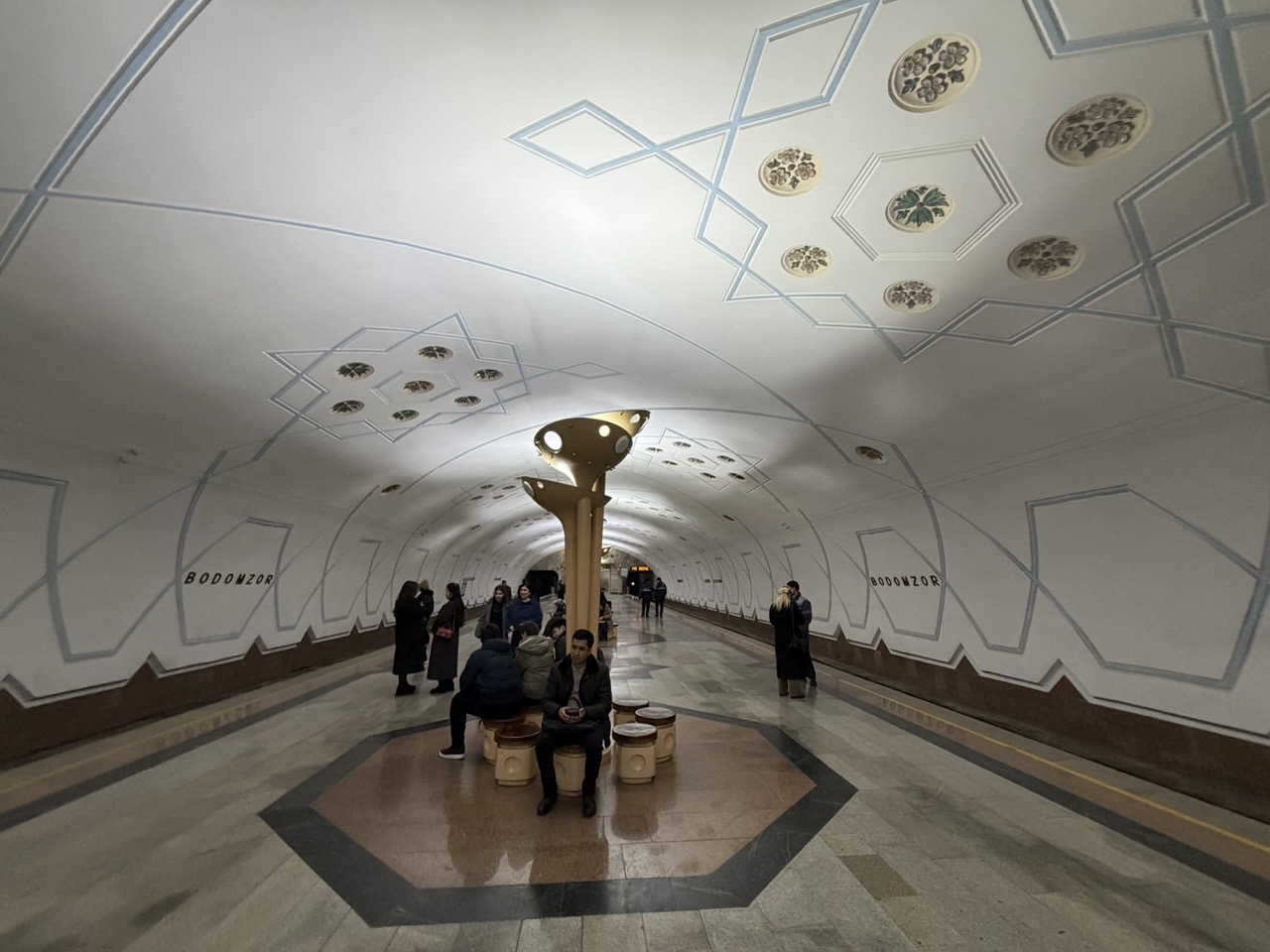
The capital, Tashkent, feels like a blend of modern Asia and Soviet nostalgia. Its metro system—built during the Soviet era—is not only efficient but visually stunning. Even better, it’s incredibly affordable and supports contactless payment via Visa cards.
The city offers a wide range of attractions: mosques, riverside walks, theme parks like “Seoul” and “Magic City Park,” and shopping hubs such as Tashkent City Mall. It’s a city that feels both familiar and distinct.
Kindness Beyond Language
What stood out most was the warmth of the people. When my ride-hailing app failed to work, strangers on the street willingly helped me book a ride using their phones—often refusing anything in return. That level of kindness leaves a lasting impression.
A Halal Haven for Muslim Travelers
For Muslim travelers, Uzbekistan is incredibly convenient. Halal food is everywhere—from restaurants to supermarkets. The flavors, rich yet comforting, felt surprisingly close to Indonesian tastes.
Traveling with Peace of Mind
Traveling solo or as a foreigner felt safe. Police presence is visible, and locals are genuinely helpful, making it easy to explore with confidence.
Faith in Everyday Life
Hearing the call to prayer echo across cities adds a spiritual layer to the journey. Joining Friday prayers in Bukhara was a meaningful experience that deepened my connection to the place.
Bukhara: Walking Through a Living Silk Road City
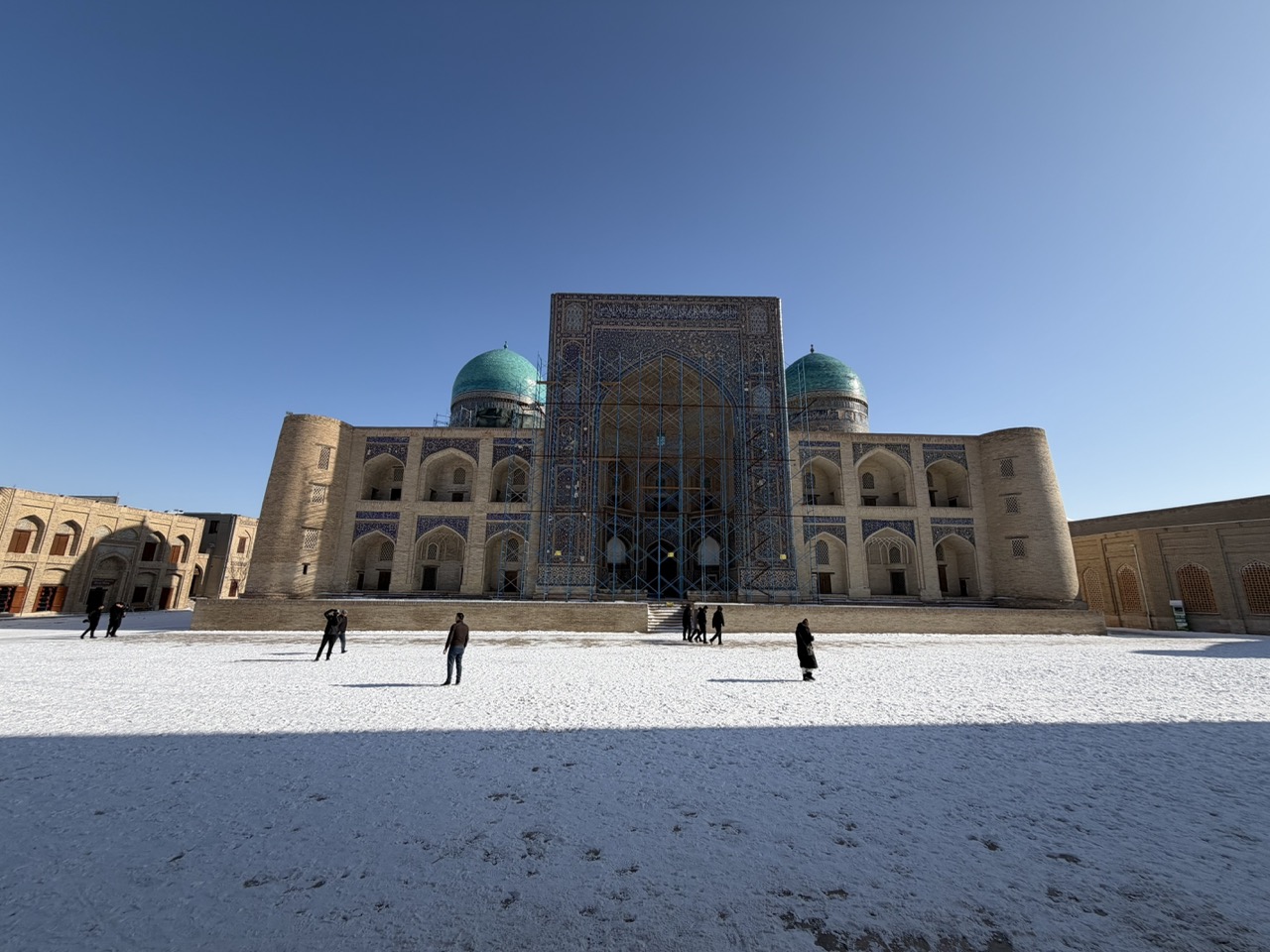
Bukhara is one of the oldest cities in Central Asia and feels like a living museum. Its Old City, a UNESCO-listed area, is filled with centuries-old mosques, madrasahs, and caravanserais that once served Silk Road traders.
Walking through its narrow streets—or riding a local tuk-tuk—you’ll encounter landmarks like the Po-i-Kalyan complex and historic trading domes. The city is also home to ancient hammams, some of the oldest in the region, still operating today.
In winter, when snow blankets the old city, Bukhara transforms into something magical, where history feels almost frozen in time.
Samarkand: The Timurid Jewel That Still Shines
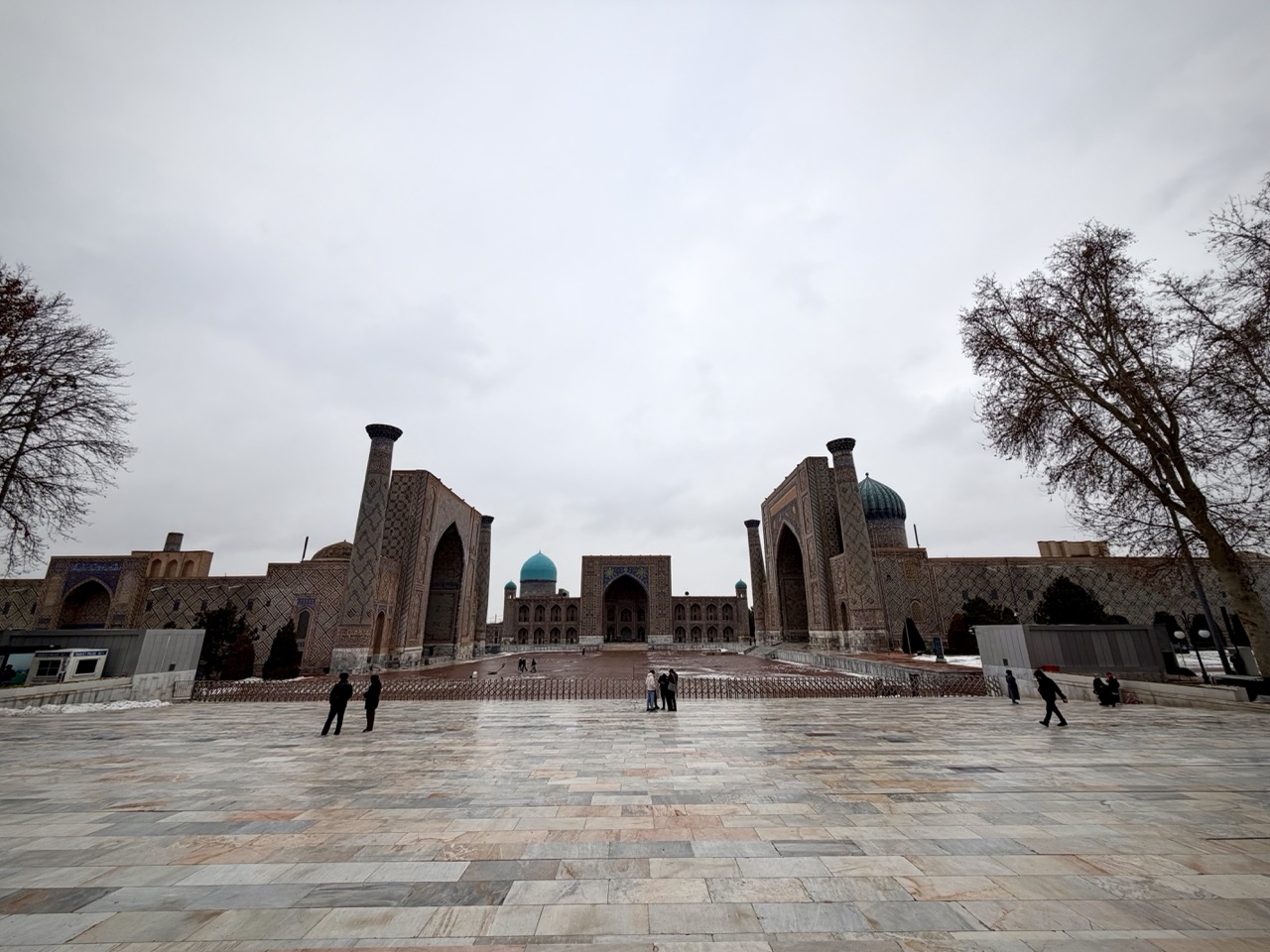
Samarkand, once the capital of the Timurid Empire, is grander and more expansive. Its iconic sites—Registan Square, Shah-i-Zinda, and Gur-e-Amir—reflect its importance as a center of Islamic civilization, science, and culture.
A visit to the resting place of Imam Bukhari, located just outside the city, adds a deeply spiritual dimension. Today, Samarkand balances preservation with modernization, making it accessible while retaining its historical depth.
Trains, Language, and Getting Around
Uzbekistan’s railway system connects its major cities efficiently. While the high-speed Afrosiyob train offers speed and comfort, the slower overnight train provides a more immersive experience. Buying tickets directly at the station is often easier than relying on online systems.
Language is rarely a major barrier. Basic English, combined with translation apps, is usually enough for smooth communication.
Markets, Souvenirs, and Everyday Value
Local bazaars offer a wide variety of souvenirs at reasonable prices. Bargaining is sometimes possible, though malls and supermarkets use fixed pricing. Overall, Uzbekistan is very affordable, from food and transport to accommodation.
A Winter Journey Worth Remembering
Traveling through Uzbekistan in winter added a special charm. Snowfall in Bukhara turned an already historic city into a dreamlike landscape. Combined with warm hospitality, rich history, and accessible costs, the journey felt both meaningful and memorable.
Why Uzbekistan Deserves Southeast Asia’s Attention
Uzbekistan may not yet be on every Southeast Asian traveler’s radar, but it should be. For Indonesians especially, it offers something rare: a destination that feels both foreign and familiar, where history, faith, and human connection come together in unexpected ways.


