Indonesia has the minerals, Thailand has the factories, Malaysia has the chips.
While these industries operate in different sectors, all three are becoming increasingly important to the global electric vehicle market. As countries around the world race to secure their place in the EV industry, several ASEAN economies are strengthening capabilities in areas ranging from battery materials and vehicle manufacturing to semiconductors.
No single country dominates every segment of the EV value chain. Yet across Southeast Asia, different countries are building strengths in different areas.
From Indonesia's battery ambitions and Thailand's manufacturing base to Malaysia's semiconductor expertise, the region is becoming more visible in industries that support the transition to electric mobility.
Indonesia: The World's Nickel Powerhouse

Every electric vehicle battery starts with raw materials, and few countries possess as much nickel as Indonesia. According to the United States Geological Survey, Indonesia accounted for around 57% of global nickel production in 2024, making it the world's largest producer by a significant margin.
Rather than continuing to export raw ore, Indonesia has spent the last few years pushing companies to invest in domestic processing and battery manufacturing. The strategy has attracted major global players.
In mid 2025, CATL, China’s largest EV battery maker and the world’s biggest producer of electric vehicle batteries, broke ground on a nearly US$6 billion battery integration project in Karawang. Spanning the full battery value chain from nickel mining and processing to battery manufacturing and recycling.
The Karawang plant alone is expected to deliver an initial annual capacity of 6.9 GWh, with plans to expand to 15 GWh, and the broader project is projected to create 8,000 direct jobs. For Indonesia, the goal is not simply to supply raw materials but to capture more value from the growing EV industry.
Thailand: Southeast Asia's EV Assembly Hub
While Indonesia focuses on batteries, Thailand already has something equally important, decades of automotive manufacturing experience.
Often referred to as the "Detroit of Asia," Thailand produces around two million vehicles annually and hosts manufacturing operations for major global automakers such as Toyota, Honda, and Nissan. That industrial foundation is now being adapted for the electric vehicle era.
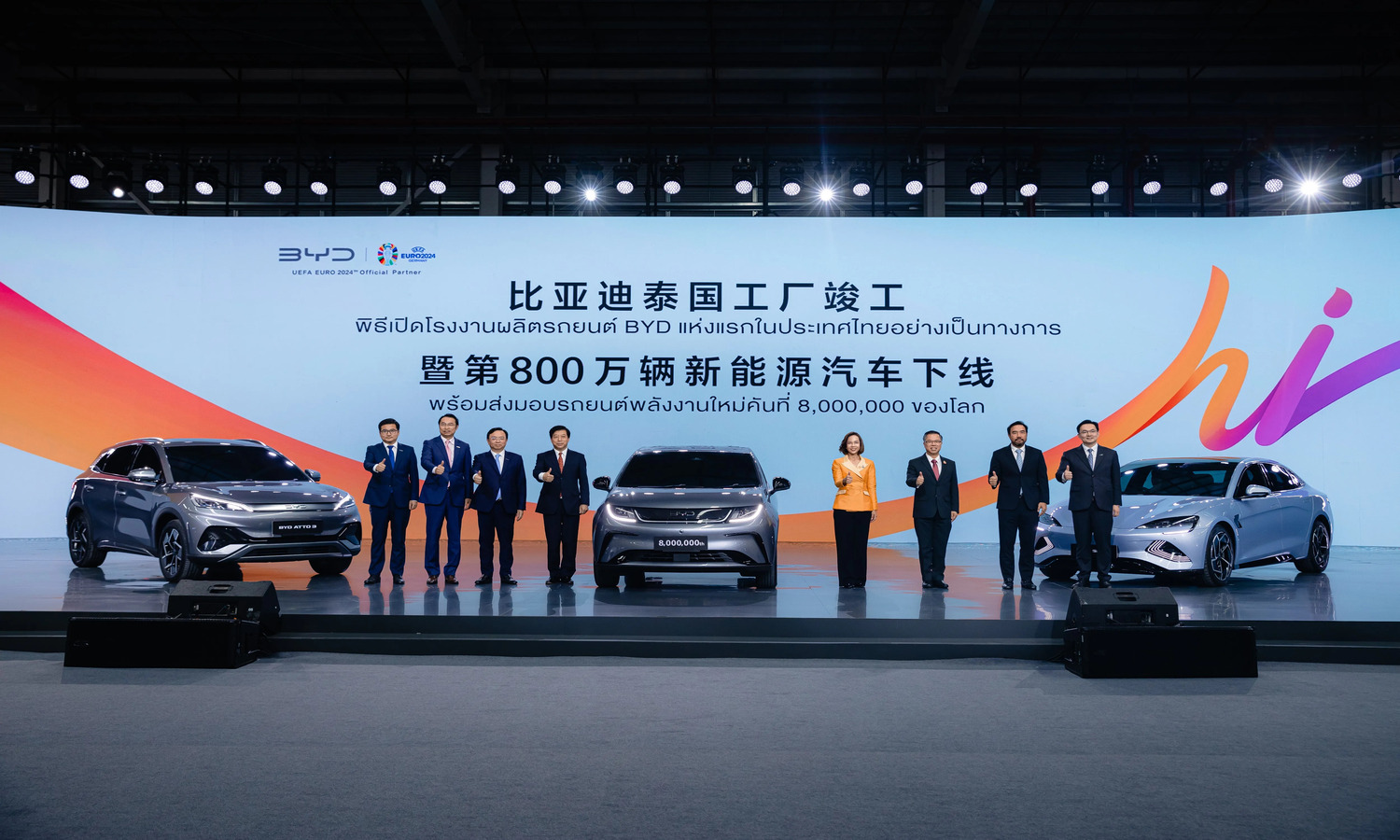
The Thai government's EV 3.5 incentive package, introduced in 2025, offers tax incentives and subsidies aimed at accelerating local EV production and adoption. The impact is already visible. BYD opened its first EV plant outside China in Rayong, Thailand in July 2024, with an annual production capacity of 150,000 vehicles.
In 2025, BYD vehicle production in Thailand reached 70,000 units, surpassing the company's full year total of 67,000 units recorded in 2024. Although Thailand remains heavily focused on vehicle assembly, its growing EV sector creates demand for batteries, components, and supporting industries that are expanding elsewhere in the region.
Malaysia: The Chips That Make It All Work
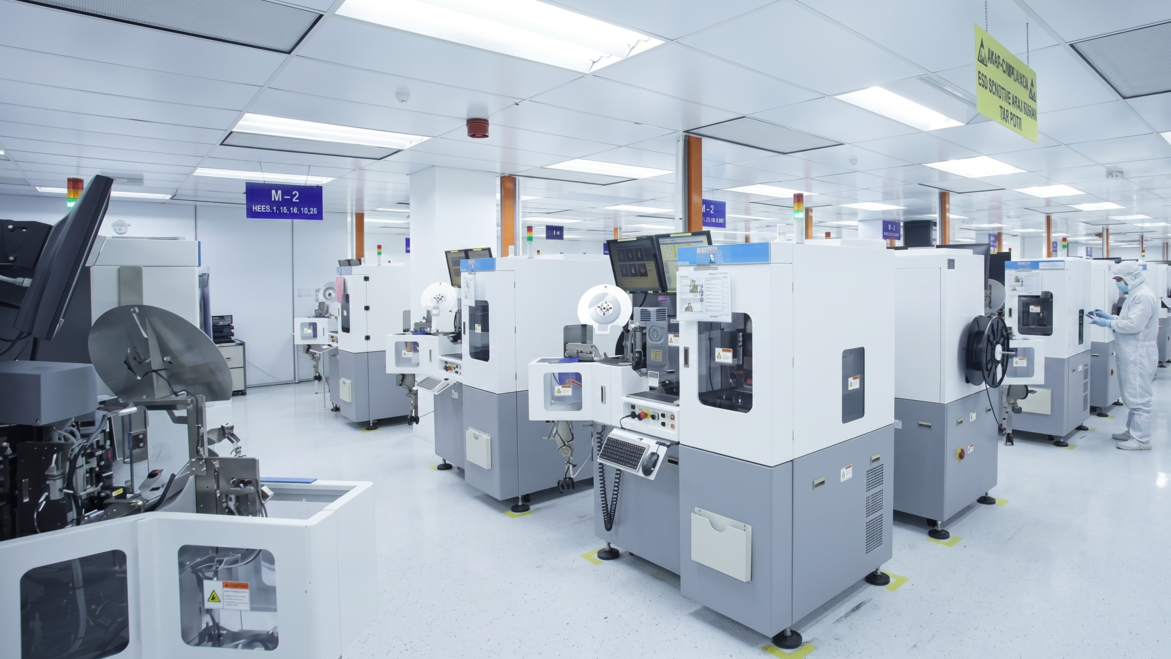
Modern electric vehicles are often described as computers on wheels. Beyond batteries and motors, EVs rely heavily on semiconductors to manage power systems, sensors, safety features, and onboard electronics. This is where Malaysia plays a particularly important role.
Malaysia's semiconductor exports reached approximately US$130 billion in 2024, with the country contributing around 13% of the world's semiconductor testing and packaging. Today, the country is seeking to move further into higher value chip manufacturing.
Malaysia's National Semiconductor Strategy, launched in 2024, targets a 15% global packaging, assembly, and testing market share by 2030. With increasing investment from companies like Infineon, which is expanding its Malaysian operations specifically for EV chips.
While semiconductors may not receive as much public attention as batteries or vehicle factories, they remain a critical component of every modern EV. Malaysia's established electronics ecosystem gives the country a valuable position within the broader regional supply chain.
Why This Matters Beyond the Region
These developments are occurring in different parts of the EV value chain. Indonesia's role is closely linked to battery materials and production. Thailand remains a major vehicle manufacturing base, and Malaysia continues to play an important role in the semiconductor industry.
This does not mean ASEAN has a fully integrated EV ecosystem today. However, the region already hosts activities spanning several key segments of the EV industry, from raw materials and battery production to vehicle assembly and electronics.
Together, these developments reflect how several ASEAN economies are participating in different parts of the global EV industry.