Not long ago, buying an electric car in Indonesia meant choosing from only a handful of models.
When Wuling introduced the Air ev in 2022, it became one of the country's most affordable battery-electric vehicles, with prices starting from around Rp238 million (about US$14,500 at the time). The market was still relatively small, and Chinese brands had only a limited presence compared with Japanese and South Korean manufacturers.
Three years later, the landscape looked very different.
New brands such as BYD, Denza, Chery, Aion, Geely, Neta, Jaecoo, Jetour, BAIC, Deepal, and Xpeng had either entered Indonesia or significantly expanded their presence. Instead of choosing from only a few electric cars, buyers suddenly had dozens of models across multiple price segments.
The result was one of the fastest transformations Indonesia's automotive market has experienced in recent years.
More Brands, More Competition
The turning point came as Indonesia accelerated its electric vehicle ambitions.
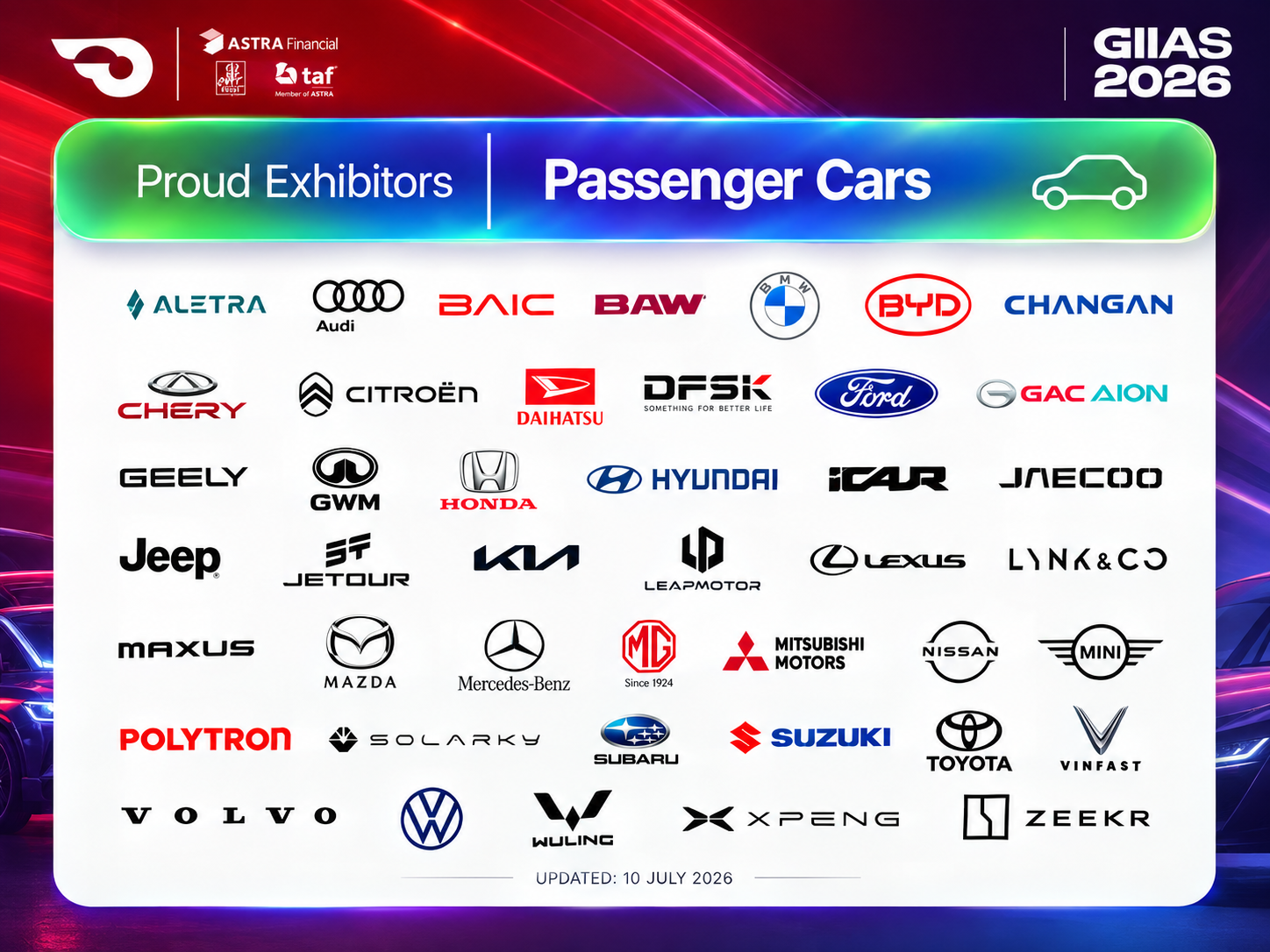
Government incentives, investment policies tied to local production, and Indonesia's position as the world's largest nickel producer made the country one of Southeast Asia's most attractive destinations for EV manufacturers.
Reuters reported that these factors encouraged a wave of investment from Chinese automakers, many of which viewed Indonesia as both a major consumer market and a future manufacturing base.
Unlike earlier entrants that largely had the market to themselves, newer brands arrived within a relatively short period. Many targeted similar price ranges, creating direct competition rather than occupying separate market niches.
The Price Floor Kept Falling
Competition quickly reached Indonesia's entry-level EV segment.
When Wuling launched the Air ev in 2022, its starting price of around Rp238 million (about US$14,500) made it one of Indonesia's most affordable electric cars. At the time, there were few direct rivals offering a fully electric vehicle at a similar price.
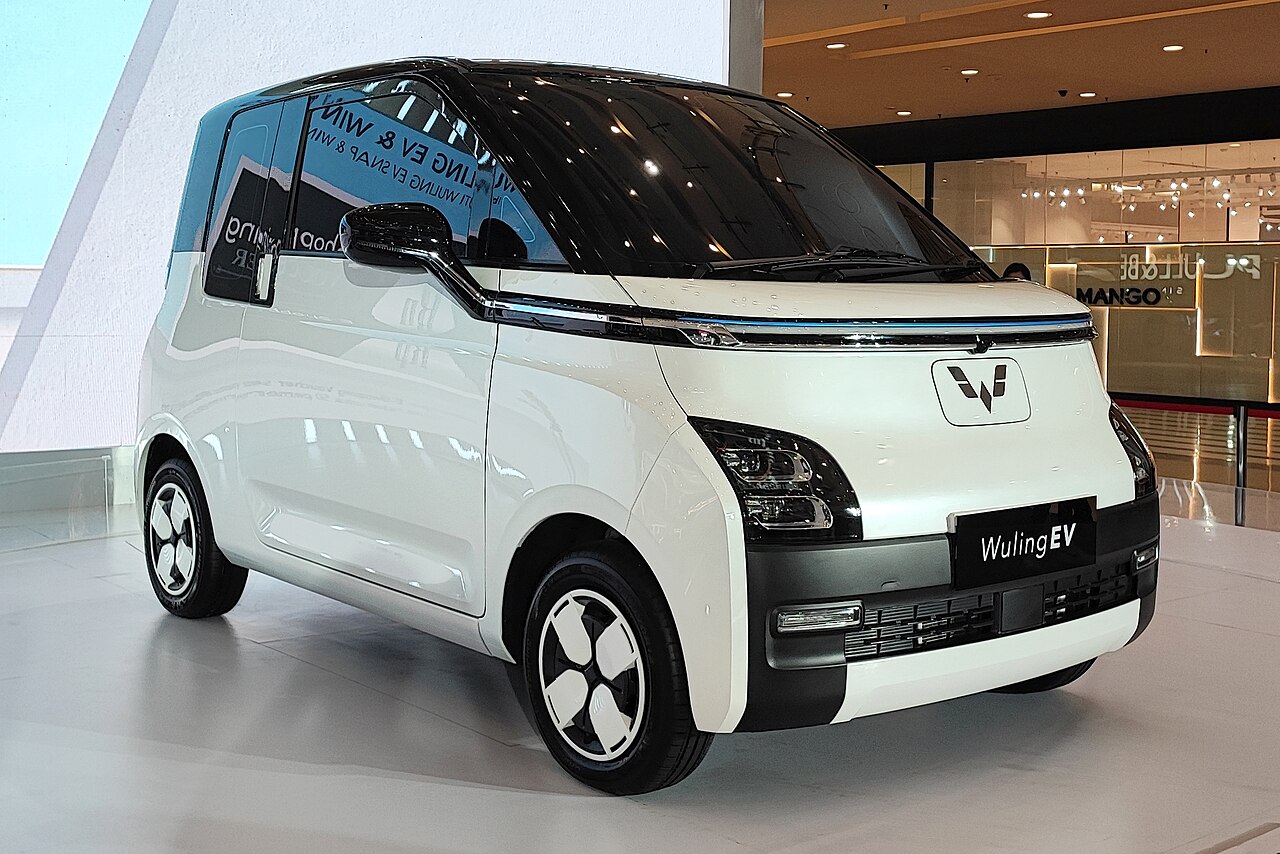
That advantage became increasingly difficult to maintain as new Chinese brands entered the market.
By 2025, Wuling had lowered the starting price of the updated Air ev to Rp184 million (about US$11,200), a reduction of more than 22% from its original launch price. The lower price reflected a market that had become far more competitive than it was just three years earlier.
Competition was no longer limited to matching prices. Carmakers also began offering larger vehicles at entry-level price points.
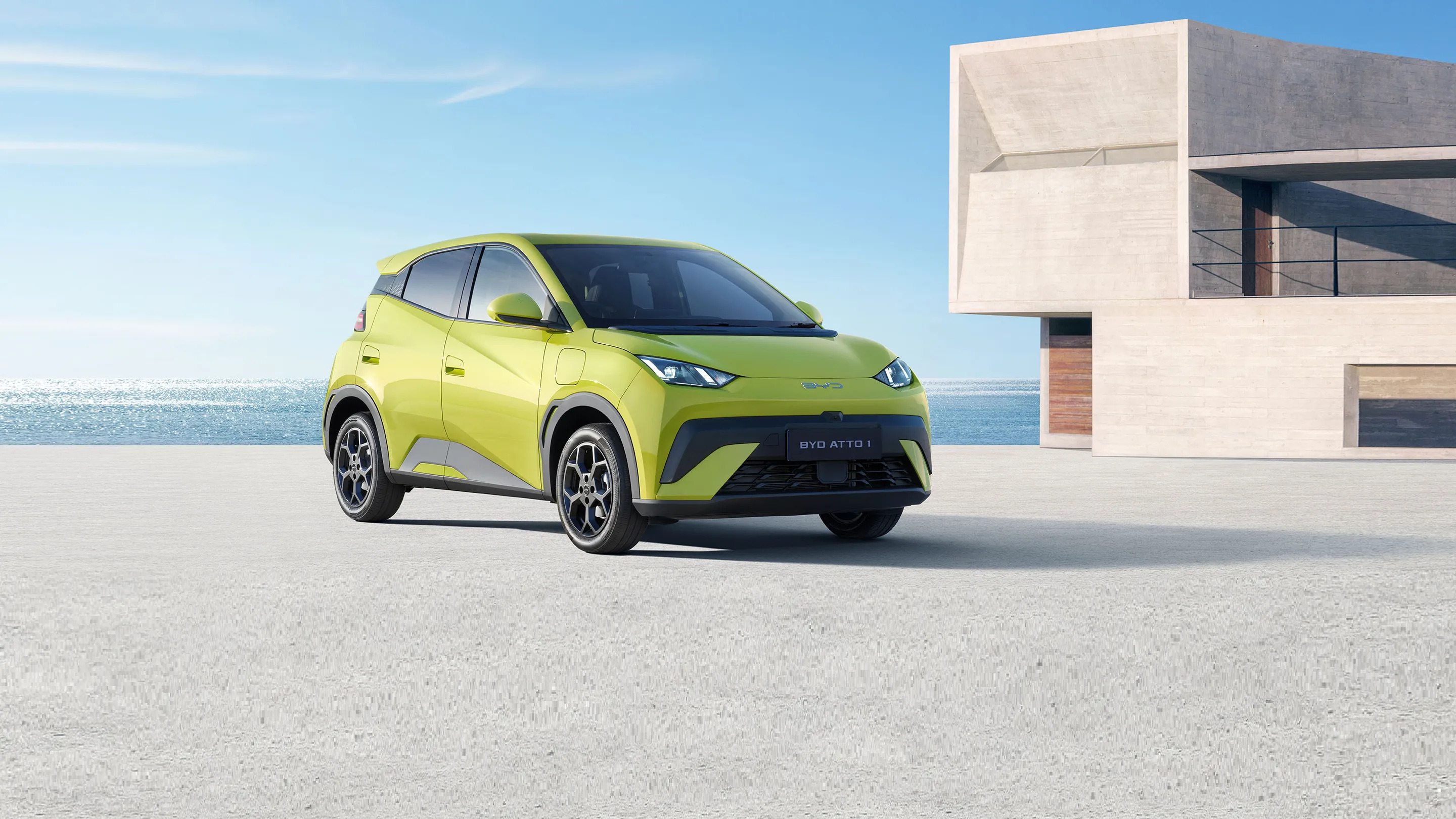
BYD accelerated the pressure when it introduced the Atto 1, priced from Rp195 million (about US$11,900). Despite costing only slightly more than the Air ev, the Atto 1 offered a conventional five door hatchback design with a larger footprint, giving buyers a practical alternative without a significant increase in price.
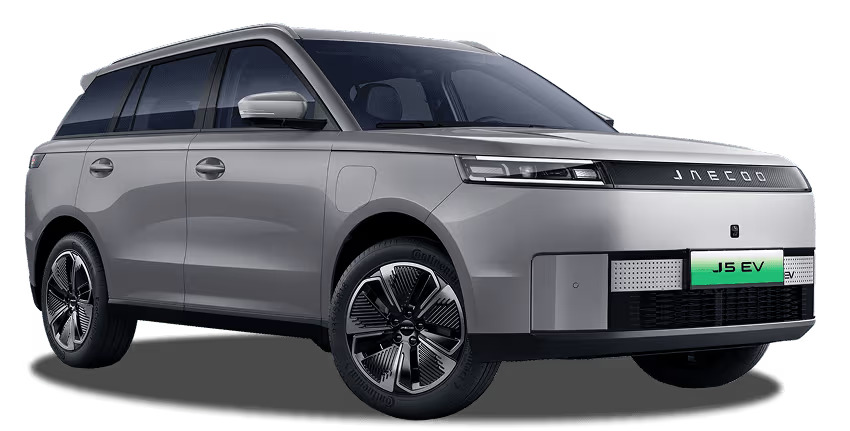
The competition extended beyond compact city cars. Jaecoo later entered the market with the J5 EV, bringing an all-electric compact SUV into the Rp250 million price range, territory that would have been difficult to imagine for an electric SUV only a few years earlier.
As more manufacturers competed for first time EV buyers, the battle shifted beyond pricing. Longer driving ranges, larger battery packs, advanced driver-assistance systems, panoramic displays, and faster charging gradually became standard features even in more affordable models, raising the overall value offered to consumers.
Chinese Brands Now Lead Indonesia's EV Market
Sales figures show how quickly the market has changed.
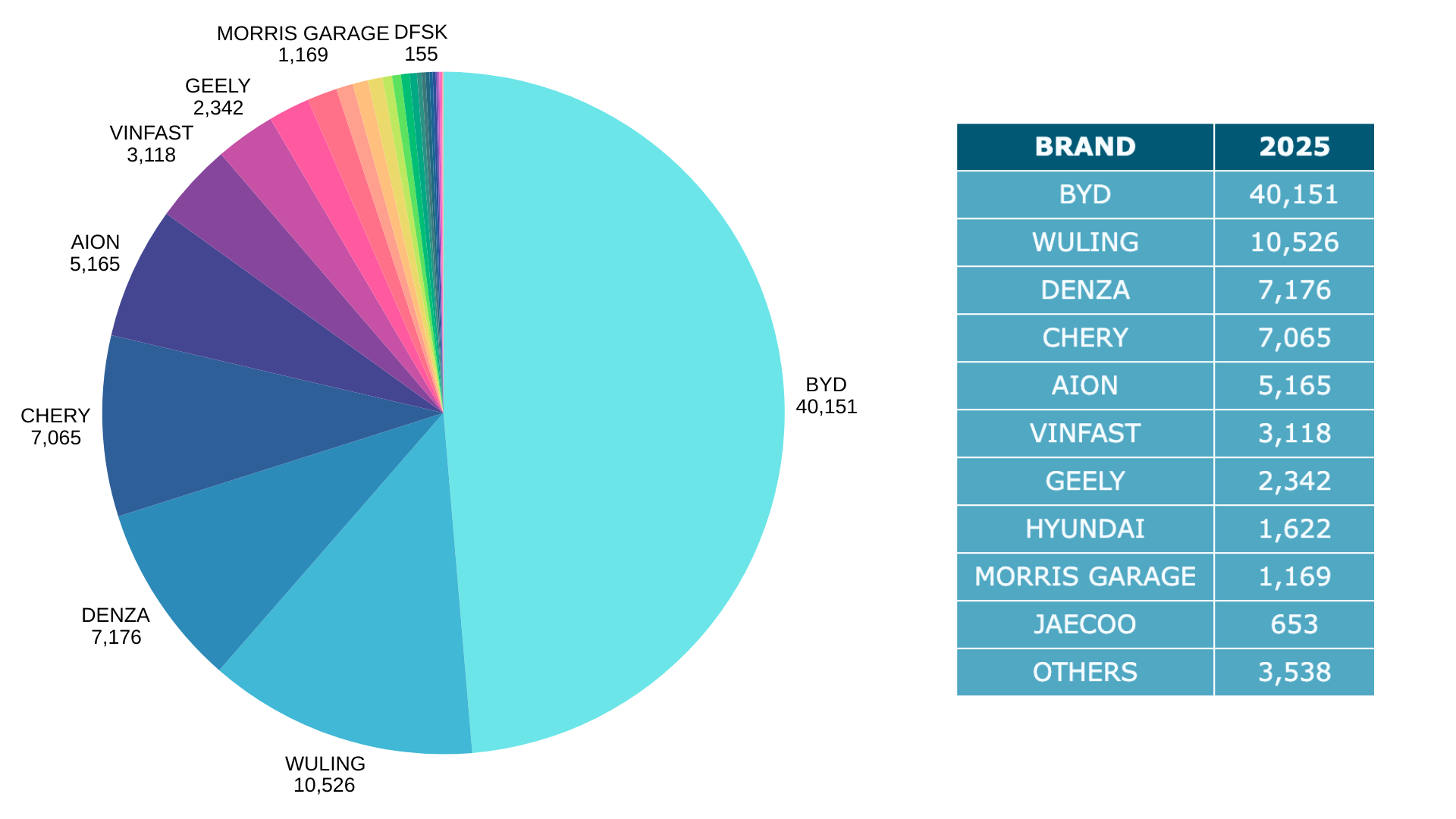
According to GAIKINDO, wholesale sales of battery electric vehicles (BEVs) reached 82,525 units in the first eleven months of 2025 (January-November), a sharp increase from the same period the previous year as more models entered the market and competition intensified. Chinese manufacturers dominated the segment throughout the year.
BYD finished the period as Indonesia's best-selling EV brand with 40,151 units, accounting for nearly half of all BEV wholesale sales. Wuling ranked second with 10,526 units, followed by Denza (7,176 units) and Chery (7,065 units), with Aion also among the market leaders.
Four of the five best-selling EV brands were Chinese, while Denza, also owned by BYD, further strengthened the group's position in the market.
The surge in EV demand also helped stabilize Indonesia's broader automotive industry. Reuters reported that the country's passenger car market returned to year-on-year growth in early 2025 after a prolonged slowdown, with competitively priced electric models from Chinese manufacturers contributing to the recovery.
A Different Market From Just a Few Years Ago
Indonesia's electric vehicle market no longer resembles the one that existed when the first affordable Chinese EVs arrived.
Instead of one or two manufacturers defining the entry-level segment, multiple companies now compete in nearly every price category. As more brands entered the market, manufacturers responded with lower prices, more features, and a faster pace of new model launches.
For Indonesian consumers, the biggest change has not simply been the arrival of more Chinese carmakers. It has been the emergence of a far more competitive EV market that directly benefits buyers, with lower prices, better features, and more choices across every segment.
As manufacturers compete more aggressively with one another, consumers are now able to access electric cars that were previously out of reach, while also enjoying faster improvements in technology and overall value for money.