On December 6, 1970, Myanmar, known as Burma at the time, suddenly shifted its traffic lanes. The driving system was abruptly changed from the left-hand side to the right-hand side of the road. This geopolitical decision completely overhauled the transportation system inherited from the British colonial era.
This drastic measure was born purely out of an instant decree issued by General Ne Win as the military ruler at the time. This radical change immediately triggered nationwide logistical chaos. The disruption occurred because the policy was enforced without any mature infrastructure preparation.
The Political and Spiritual Grounding
General Ne Win had ruled the country with tight control since the 1962 coup. His transportation policy in late 1970 was driven by a combination of anti-colonial political sentiments and mystical whispers. Ne Win received a warning from his trusted personal astrologer regarding the future of the nation.
The seer claimed that the country was under threat of destabilization from a left-wing political faction. In Myanmar's local culture, there is a traditional ritual for warding off bad luck called Yadaya. This magical ritual requires a person to deliberately perform an extreme act to neutralize potential misfortune.
To symbolically neutralize the left-wing political threat, the astrologer offered a unique solution. He advised Ne Win to physically move the entire nation's driving direction to the right side. This new regulation was eventually signed and immediately enforced without any transition phase.
Mystical practices like this were actually not foreign to the Burmese public at the time. Local communities believed that bad destiny was not absolute and could be manipulated through physical actions. Therefore, Ne Win's order was viewed as a large-scale spiritual instruction.
Instant Execution Leading to Chaos
The government did not provide adequate preparation time or public socialization to the citizens. This radical change, decided overnight, completely altered the function of road infrastructure the very next day. The sudden shift in lanes immediately triggered a major crisis in public transportation operations.
The main issue arose because the majority of city buses in Myanmar at that time were manufactured based on British standards. These vehicles had passenger entry and exit doors located on the left side of the body. This technical setup became completely out of sync when the road lanes were flipped.
When the traffic was forced to the right, the position of the bus doors automatically faced the middle of the highway. The vehicle doors no longer faced the safe sidewalk. This structural layout forced passengers to step directly off the bus into busy, fast-moving lanes.
This sudden inversion instantly ruined the traffic order the country. Road users were suddenly forced to navigate intersections from the wrong side of the vehicle. Traffic became chaotic as drivers turned into oncoming lanes out of sheer habit.
An Everlasting Automotive Anomaly
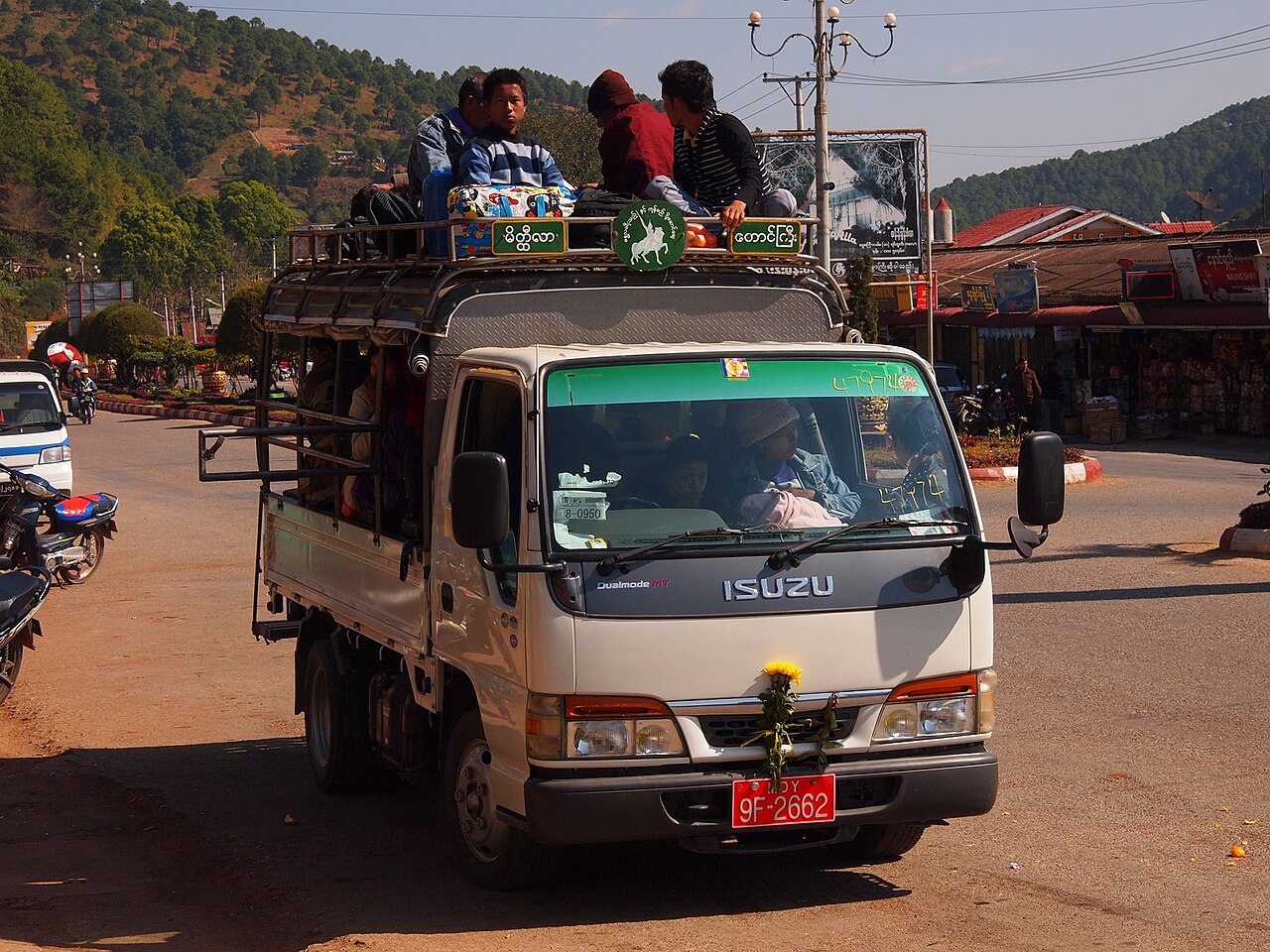
The unsynchronized transport condition was further exacerbated by the country's economic policies in the following decades. Due to economic constraints, Myanmar continued to rely heavily on importing low-cost used vehicles. Their main supply market for these cars came from Japan.
The problem is that Japan manufactures vehicles with a right-hand drive steering configuration. This situation created a unique anomaly that persists on Myanmar’s roads to this very day. This economic compromise made the driving policy even more confusing on the ground.
To break this hazardous loop, the Myanmar government officially enforced a total ban on right-hand drive vehicle imports in January 2019. The regulation now strictly mandates that all newly imported vehicles must be left-hand drive.