Every year, parts of northeastern Thailand temporarily close their airspace as hundreds of homemade rockets are launched during Bun Bang Fai, or the Rocket Festival.
The Thailand Foundation explains that the centuries old celebration marks the beginning of the rainy season and has long been associated with agricultural traditions and rituals seeking rainfall before rice planting begins.
Rather than being simply a spectacle, Bun Bang Fai reflects the close relationship between seasonal cycles, farming, and local beliefs that have shaped communities across Thailand’s Isan region for generations.
The Legend Behind the Festival
Bun Bang Fai is rooted in local mythology surrounding Phaya Thaen, the deity associated with rain, according to the Thailand Foundation.
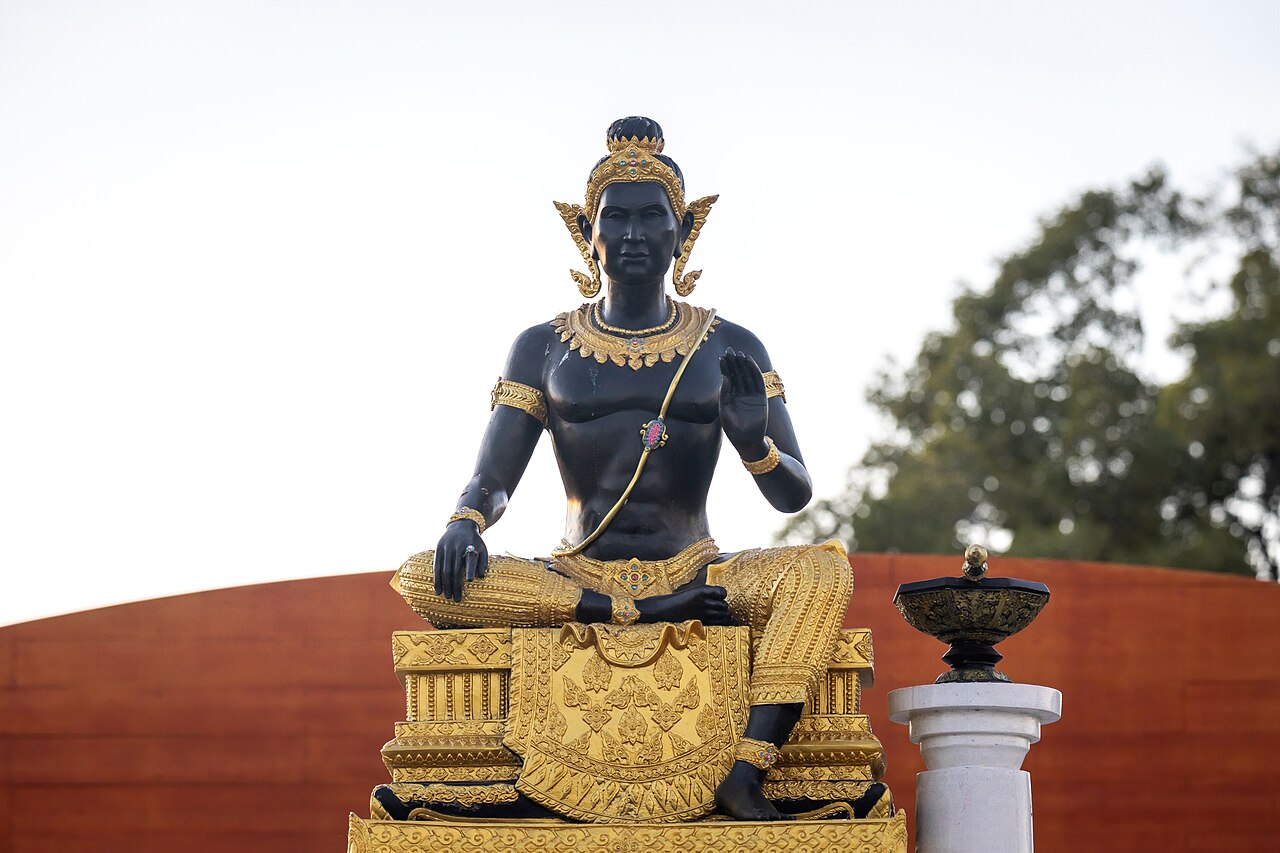
Traditional belief holds that rockets are launched toward the sky as a symbolic reminder for Phaya Thaen to fulfill his promise of bringing rain for the coming planting season.
The foundation also records another version of the legend involving Phaya Khankhak, or the Toad King.
After Phaya Thaen withheld rainfall for seven years, seven months, and seven days, a mythical conflict ended with an agreement that rain would return whenever people launched rockets into the sky as a reminder of that promise.
Although different versions of the story exist, both connect the festival with rainfall and agricultural prosperity rather than entertainment alone.
Built for the Sky, Guided by Tradition
Bun Bang Fai is traditionally celebrated during the sixth lunar month, usually in May or June, just before the arrival of the rainy season when farmers begin preparing their rice fields.
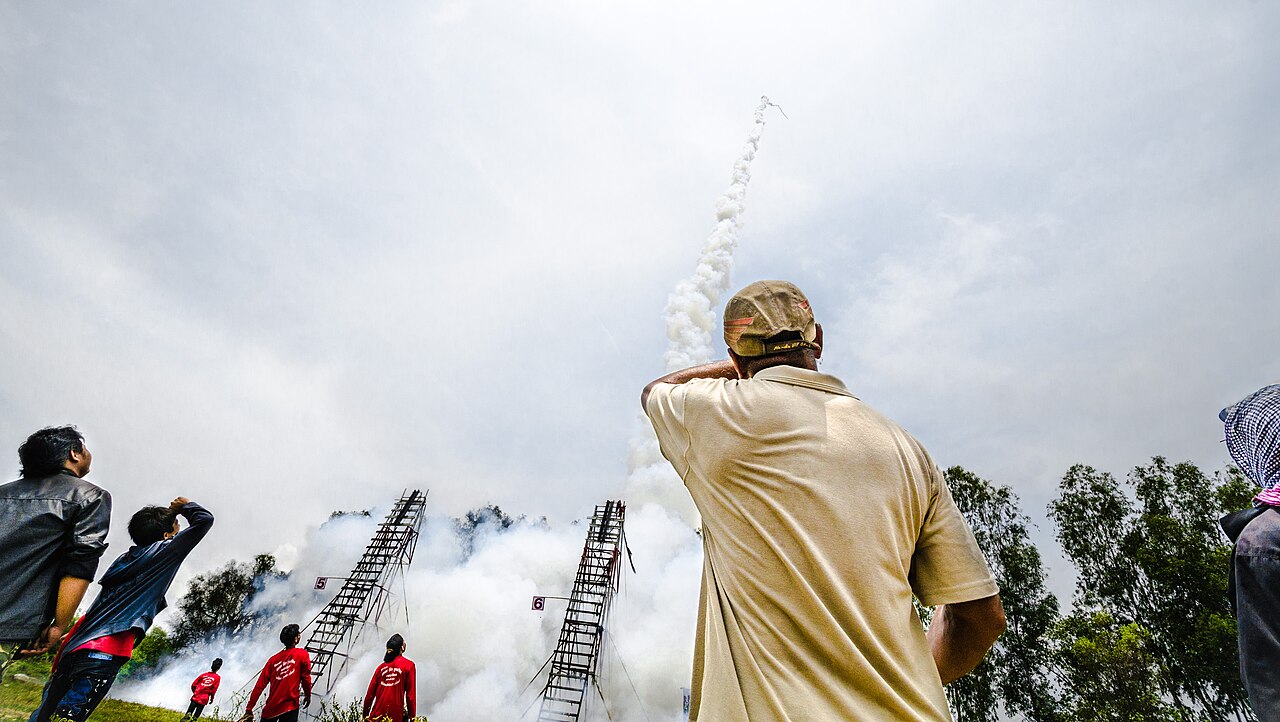
The rockets themselves are handmade engineering projects. Traditionally, their main body consists of bamboo cylinders measuring approximately 1.5 to 7 meters in length. Tightly packed with gunpowder before being attached to long bamboo tails that help stabilize the flight.
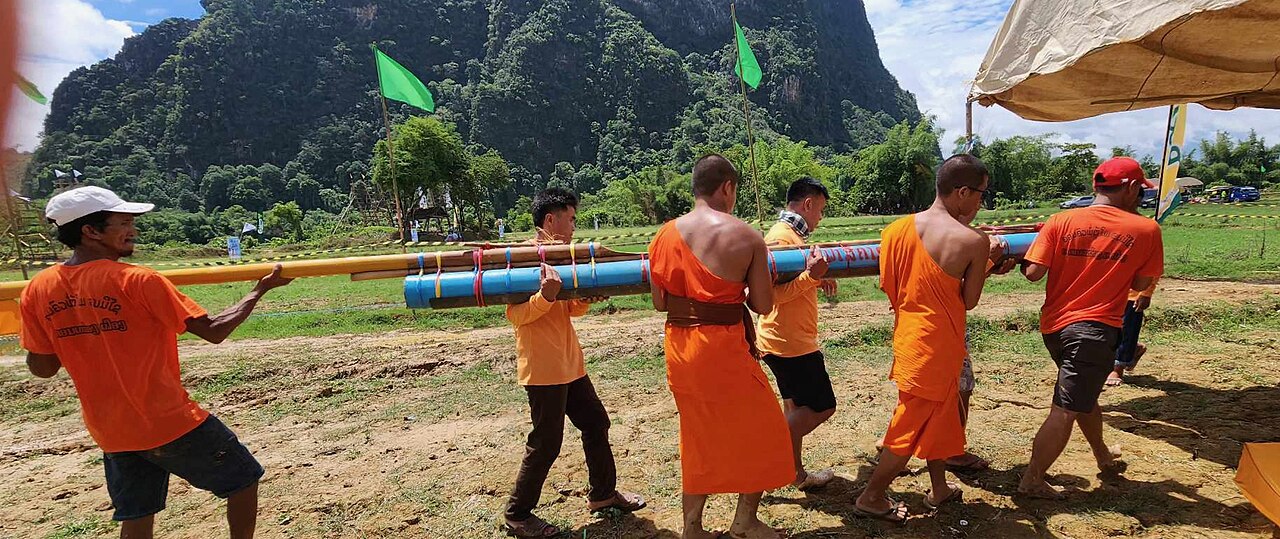
While modern rockets may incorporate steel or PVC components, bamboo remains part of the festival’s traditional design.
Preparing a competition rocket often takes weeks, with teams carefully assembling, decorating, and testing their designs before launch day.
The Tradition Predates the Rockets
Bun Bang Fai originated from pre-Buddhist fertility rites that celebrated seasonal rainfall long before gunpowder reached mainland Southeast Asia.
After gunpowder became available, communities gradually incorporated it into these existing ceremonies, creating the rocket launching tradition recognized today.
What began as a village ritual has since grown into one of northeastern Thailand’s best known cultural celebrations.
The Thailand Foundation notes that major festivals now attract tens of thousands of visitors each year while preserving many of their traditional ceremonies alongside modern festivities.
A Tradition That Continues Today
Today, Bun Bang Fai remains one of the most distinctive cultural festivals in Thailand’s northeastern region.
The celebration continues to reflect the historical importance of agriculture, seasonal rainfall, and community participation in Isan society.
Although modern farming increasingly relies on irrigation systems and weather forecasting, Bun Bang Fai continues to preserve traditions that have been passed down for centuries.
Serving as both a cultural celebration and a reminder of the region’s agricultural heritage.