When Lee Kuan Yew was sworn in as Singapore's Prime Minister in 1959, he inherited a small island sitting on the equator, hot year round, relentlessly humid, and without a single natural resource.
One of Lee Kuan Yew's earliest decisions as prime minister was to install air conditioning in government offices.
That decision wasn't impulsive. And its consequences ran far deeper than the temperature in the room.
Before AC, Singapore Ran on Half Days
Before air conditioning became widespread, Singapore's tropical climate, with temperatures consistently above 30°C and humidity exceeding 80%, capped what was physically possible in a working day.
Offices in the colonial period closed in the early afternoon. Factories operated at reduced capacity. Cognitive work degraded measurably after lunch.
Air conditioning first arrived in Singapore in the early 1930s, brought by the Carrier Air Conditioning Company of America, which had moved into Asian markets in 1930. The first unit was installed at the Chinese Recreation Club in 1932.
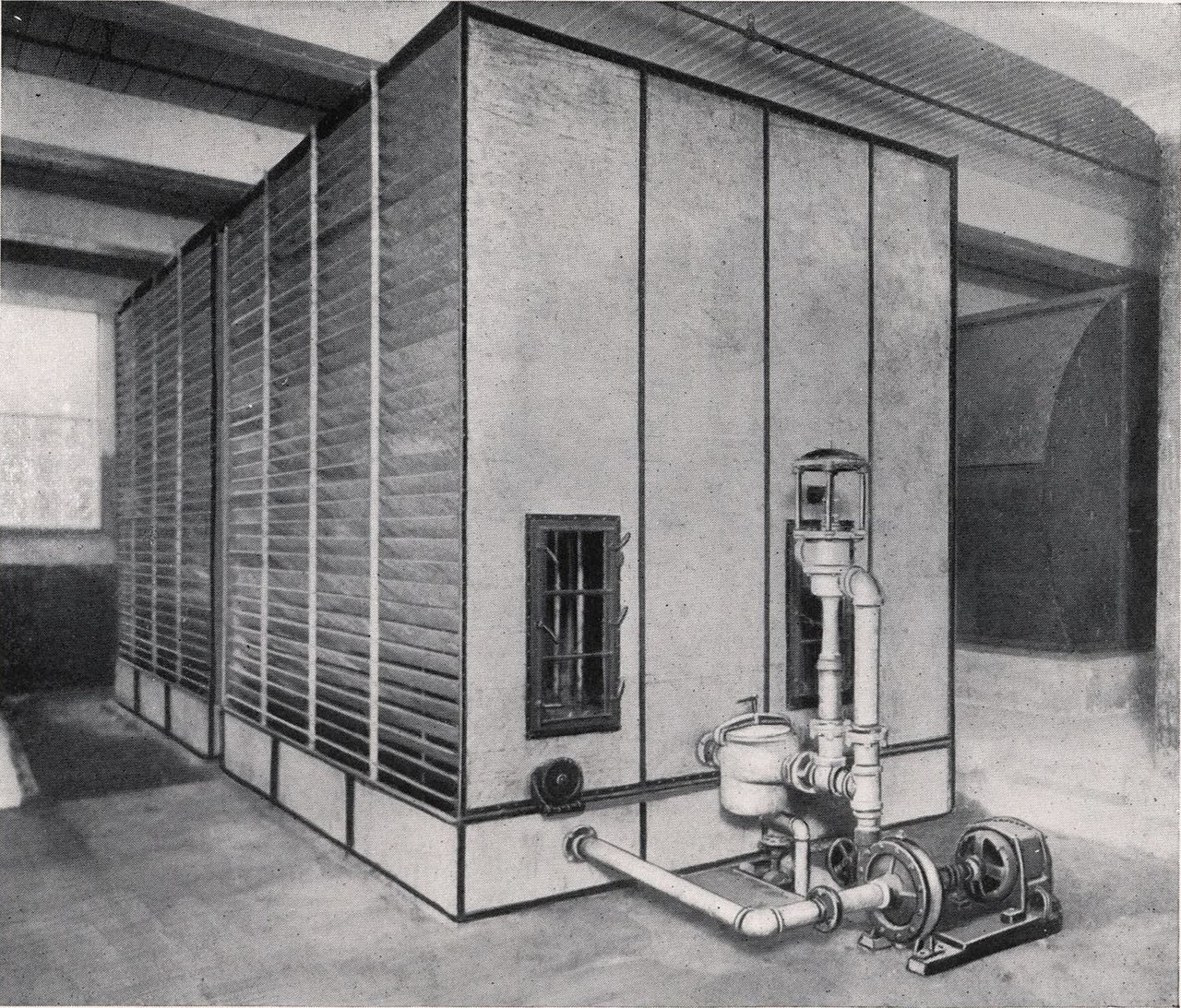
But at around $600 per installation, while a skilled labourer earned approximately $1.40 per day in 1939 , AC remained accessible only to large commercial enterprises and hospitals.
Even newly built libraries of the 1970s lacked air conditioning. Instead, they were designed with high ceilings to assist airflow.
Cooling for Productivity
In a 2009 interview with New Perspectives Quarterly, Lee Kuan Yew explained:
For Lee, air conditioning was not a comfort upgrade but productive infrastructure. His immediate objective was to improve the efficiency of the civil service, which he described as key to public efficiency and, more broadly, to making development possible in the tropics.
That philosophy continued to shape Singapore's approach decades later, as government policy increasingly focused not only on expanding access to cooling but also on improving its efficiency.
In 2001, Singapore enacted the District Cooling Act to create a legal framework for centralised cooling systems serving multiple buildings.
Four years later, the Building and Construction Authority (BCA) launched the Green Mark certification scheme, making energy efficient cooling a key benchmark for sustainable buildings.
From Offices to Homes
Lee's decision did not immediately transform Singapore into an air conditioned nation. Instead, it established an idea that climate control could be treated as productive infrastructure rather than a luxury.
The transition was gradual. While air conditioned commercial spaces became increasingly common, BiblioAsia notes that not all cinemas were fully air conditioned until the 1960s.
Most restaurants, hotels, shopping malls, and public housing projects only began installing air conditioning from the late 1970s or early 1980s, reflecting Singapore's broader economic growth and urban development rather than a single government mandate.
Over the following decades, what had begun as a workplace productivity measure gradually became an everyday feature of domestic life. As Singapore grew into one of Asia's highest income economies, air conditioning shifted from a premium amenity to a standard household appliance.
Data from Singapore's Household Expenditure Survey (HES), published by the Department of Statistics, recorded air conditioner ownership across resident households at 76.1%, rising to 79.7%, and reaching 81.9% by HES 2023.
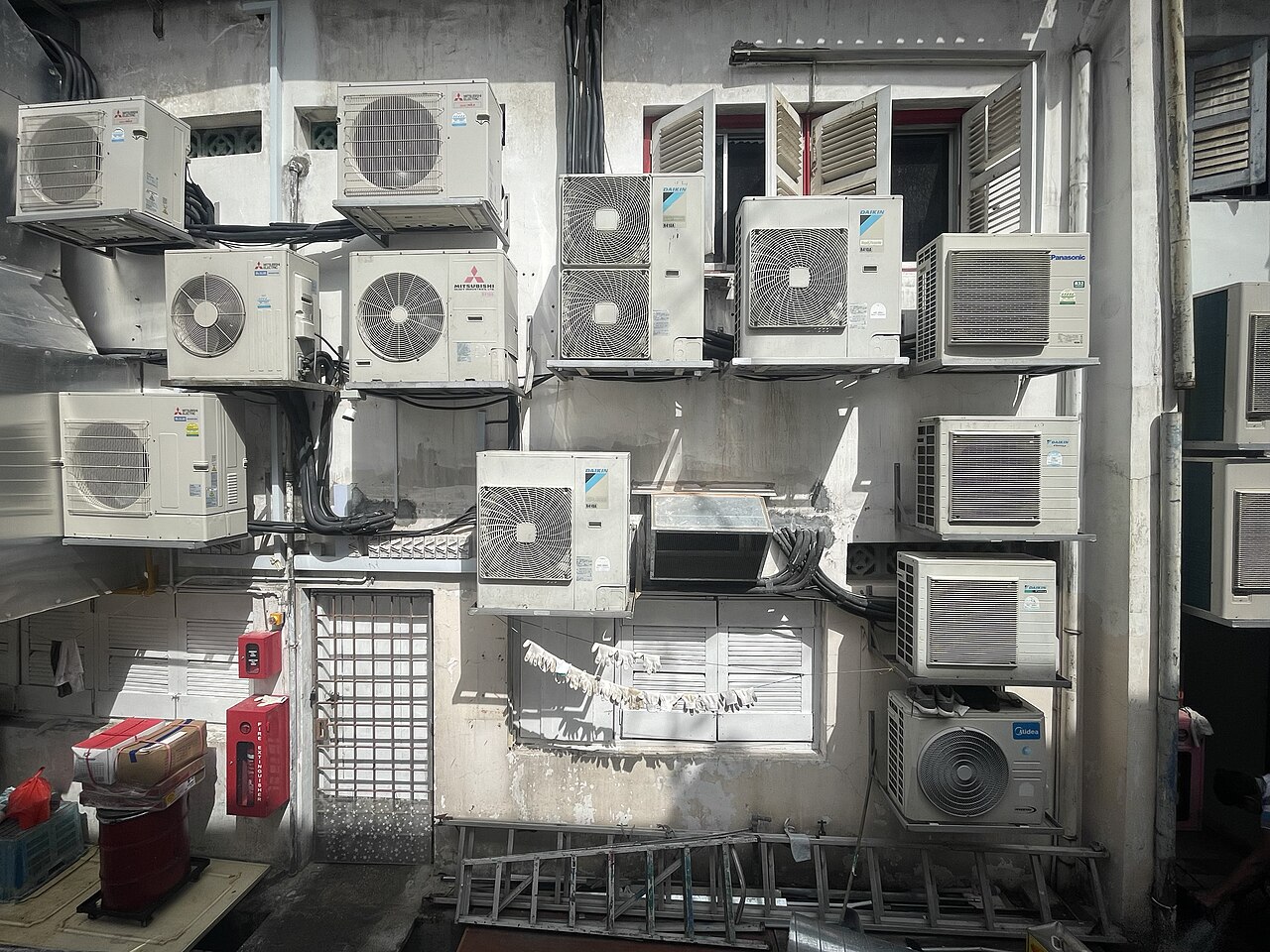
Those figures place Singapore well above the global average. Today, air conditioning has become a standard feature across the vast majority of Singaporean households.
By comparison, only about 20% of European households have air conditioning.
Decades Later, the Evidence Agreed
Decades after Lee described air conditioning as essential to productivity, economists were able to quantify exactly how much heat affects work.
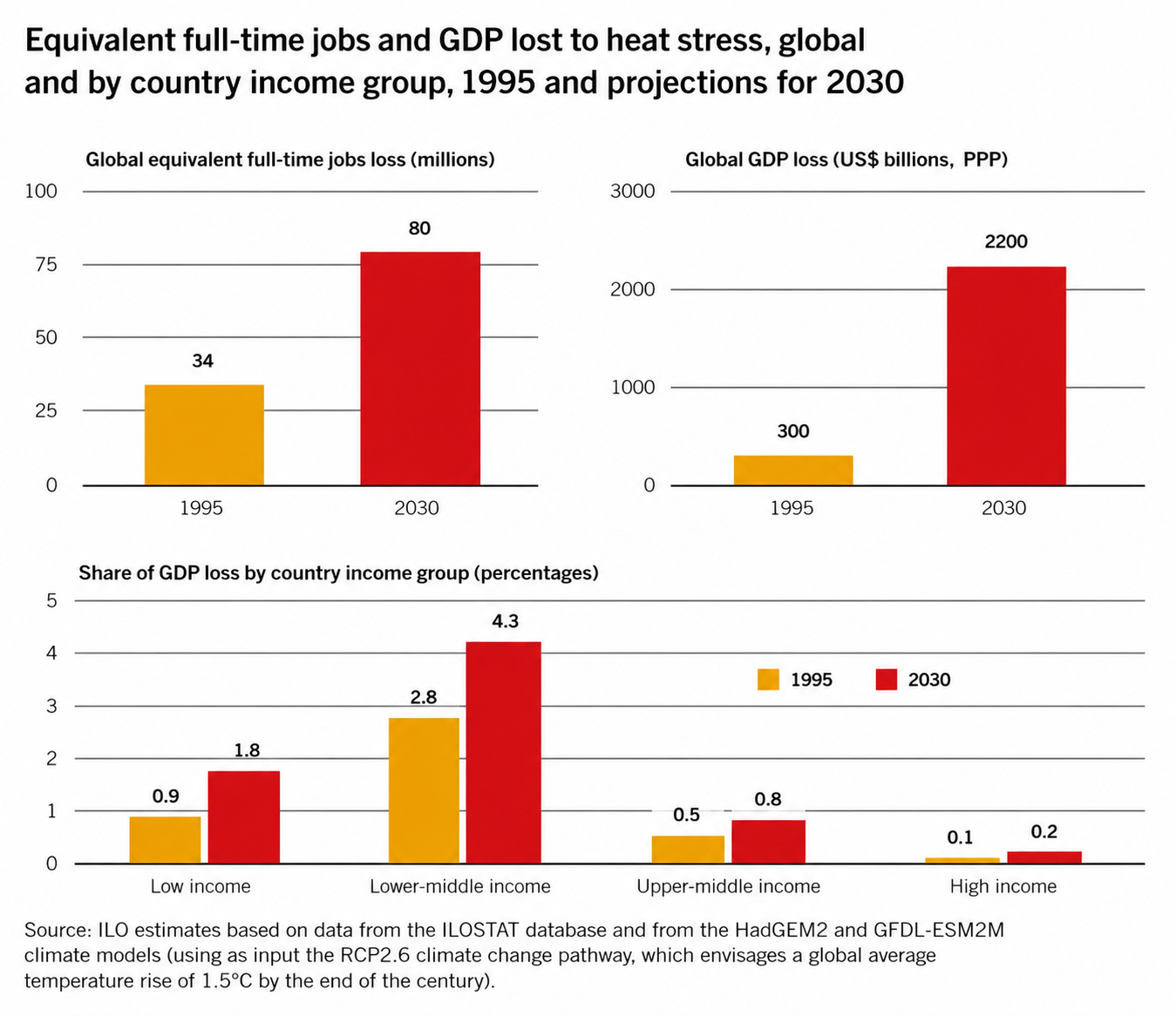
A 2019 ILO report, heat stress already cost the equivalent of 34 million full time jobs globally in 1995.
A figure projected to more than double to 80 million jobs, or $2.2 trillion in GDP losses, by 2030. Lower middle income countries bear the heaviest burden, facing a projected GDP loss of 4.3% by 2030, compared to just 0.2% for high income countries
Singapore was among the earliest countries to recognise heat as an economic constraint.
Long before economists quantified the cost of heat in trillions of dollars, Singapore had already begun treating climate control as an important component of economic development rather than merely a matter of comfort.
Still Relevant, 65 Years Later
On 24 June 2026, Elon Musk called Lee Kuan Yew a "genius" on X, responding to a post highlighting LKY's remarks on air conditioning. The renewed attention came as Europe was grappling with another severe heatwave.
Lee Kuan Yew was a genius https://t.co/IFDx9vEE2C
— Elon Musk (@elonmusk) June 24, 2026
A quote first delivered in a 2009 interview went viral again in 2026, more than a decade after Lee passed away in 2015.
The question he answered 65 years ago remains unresolved for much of the world, how does a tropical nation compete economically?
His answer began not with ideology or geography, but with a cooler room.