Bangkok has street carts. Ho Chi Minh City has street carts. Jakarta has street carts. But Singapore has buildings.
For a country internationally known for its street food, that's a striking contradiction. Most of Singapore's iconic dishes are no longer sold from roadside carts but inside purpose built hawker centres. Far from a decline of street food culture, this was the result of one of the largest urban relocation programmes in Singapore's history.
One that turned informal roadside dining into a cleaner, organized public food system.
From Street Carts to Hawker Centres
In the years after independence, Singapore's streets looked much like many Asian cities today.
By the late 1950s, illegal hawkers alone numbered over 30,000, and estimates of the total hawker population through the 1960s ranged from roughly 25,000 to 30,000, operating from pushcarts and makeshift stalls with little access to clean water, sewage, or waste disposal.
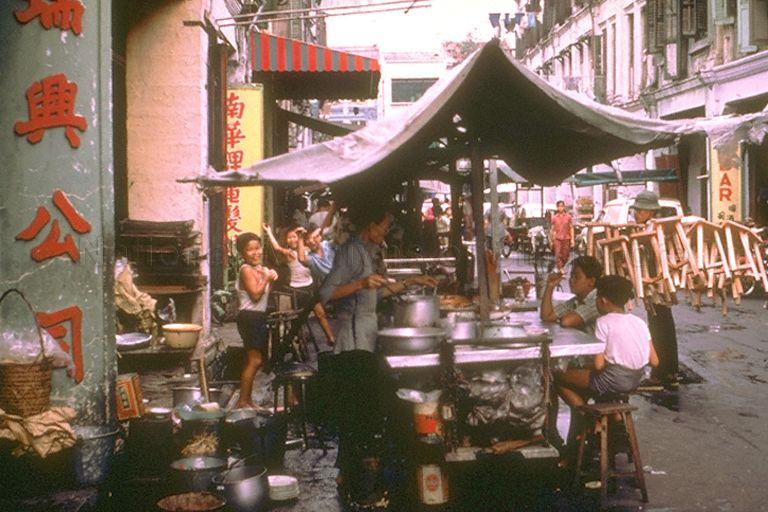
As Singapore urbanized rapidly, congestion, poor sanitation, and food safety concerns pushed the government to act. Rather than banning hawkers, it relocated them.
Starting in the late 1960s, an islandwide registration exercise moved licensed vendors into purpose built hawker centres with running water, electricity, drainage, and hygiene inspections.
The programme ran until 1986, by which point around 18,000 hawkers had been resettled into permanent centres, fundamentally changing where Singaporeans ate without changing what they ate.
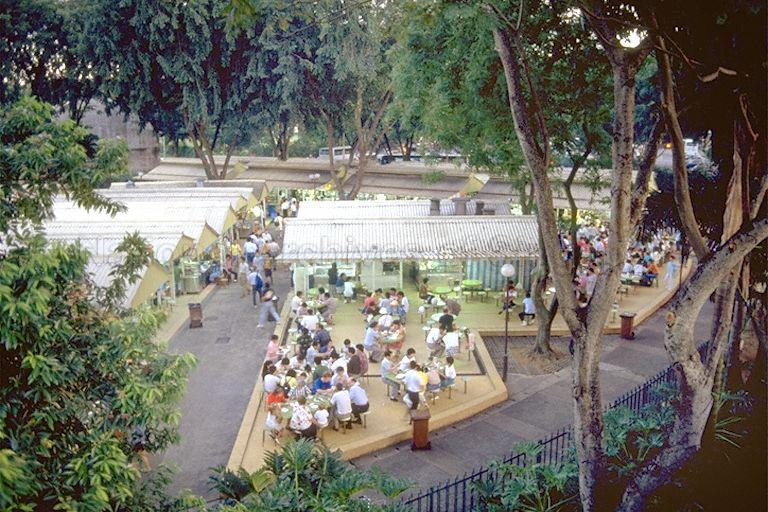
Keeping the Food, Changing the Environment
The setting changed, the food largely didn't. Many stalls trace their origins directly to family-run street carts, with recipes and even stall names passed down through generations.
Today, Singapore has more than 120 hawker centres managed by the National Environment Agency (NEA) and appointed operators up from roughly 110 by the mid-1980s, following 14 new centres built since 2011 in growing housing estates.
Together they house around 6,000 cooked food stalls serving Hainanese chicken rice, laksa, nasi lemak, satay, and char kway teow.
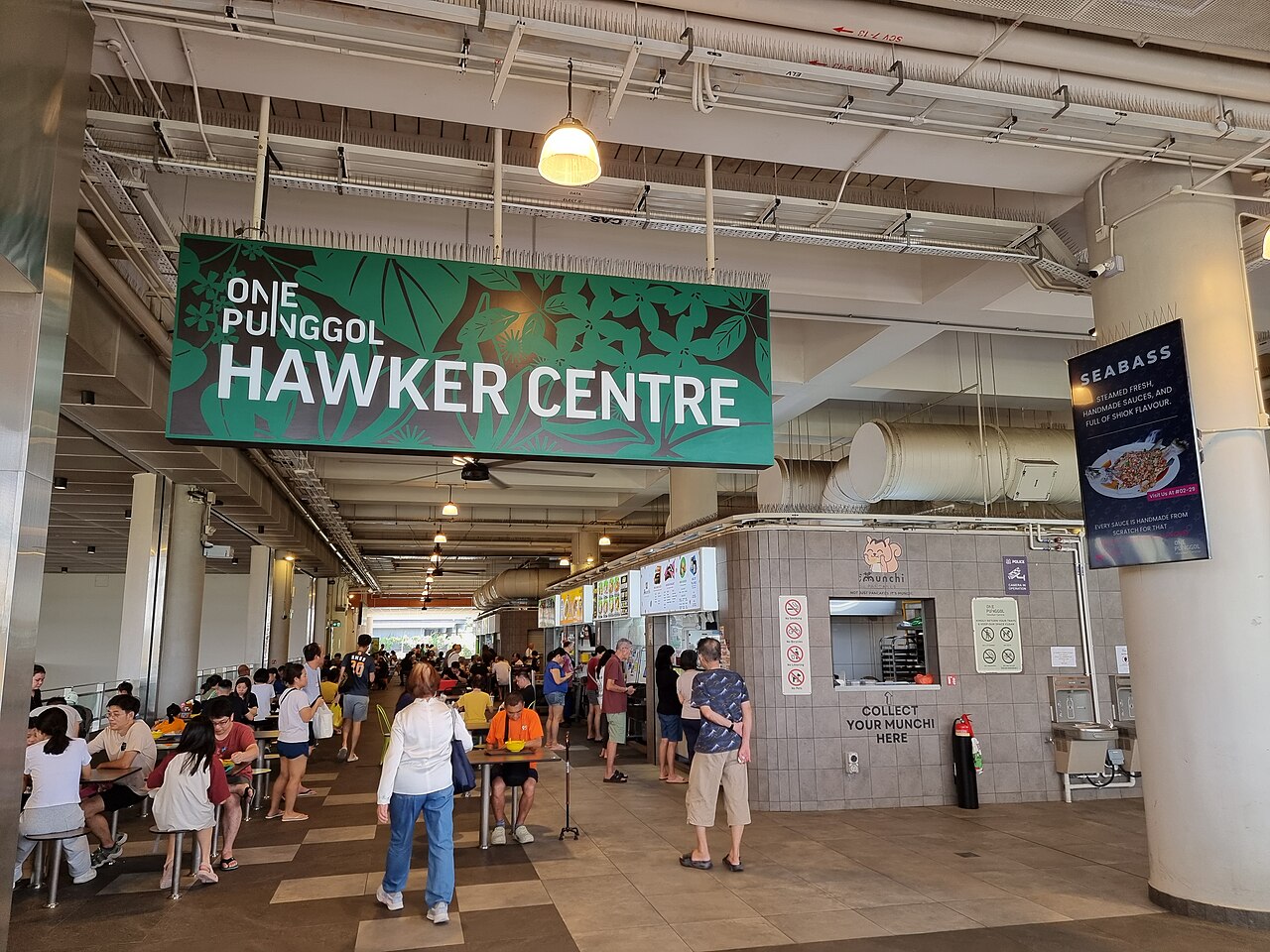
For many Singaporeans, hawker centres are more than places to eat, they're shared community spaces where office workers, students, retirees, and tourists sit at the same tables regardless of background.
That social role helped earn Singapore's Hawker Culture a place on UNESCO's Representative List of the Intangible Cultural Heritage of Humanity in 2020.
Why the Model Still Works
Concentrating vendors into dedicated centres made it far easier to provide clean water, waste management, hygiene inspections, and standardized licensing than if carts had remained scattered across the city.
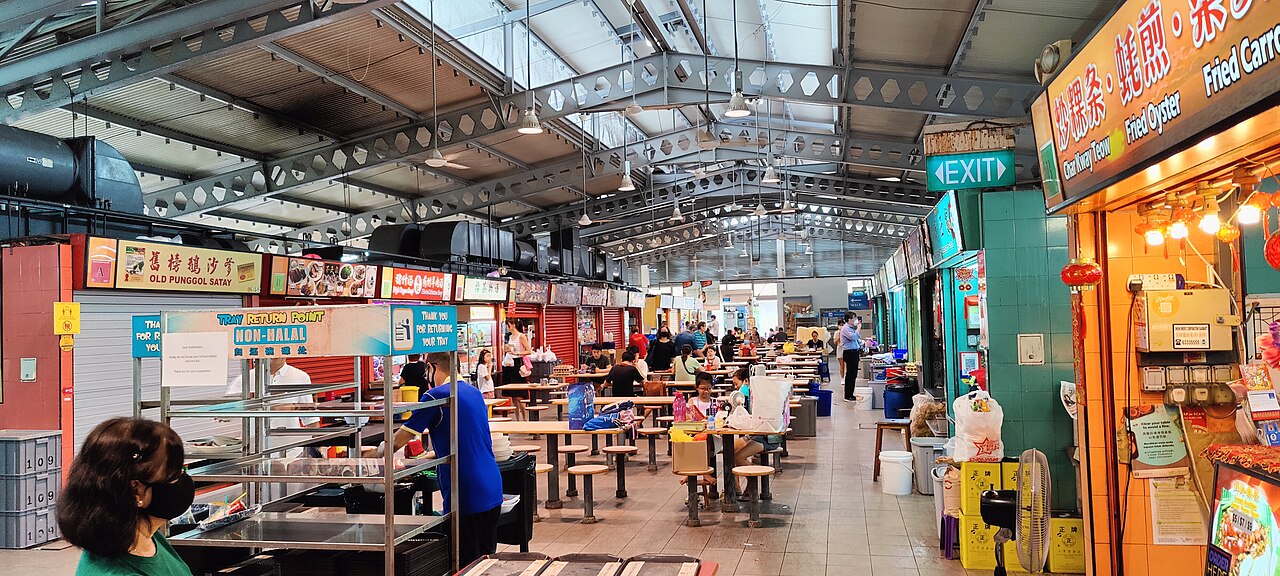
The model also preserved affordability. Hawker centres remain among Singapore's most accessible dining options, with many meals still costing just a few dollars.
The government continues investing through upgrading programmes, including a new $1 billion, 20 to 30 year plan announced in 2025 alongside schemes to draw younger hawkers into the trade and preserve culinary traditions.
Street Food That Left the Street
Singapore never abandoned its street food culture, it reimagined it.
While many Asian cities still associate street food with roadside carts, Singapore folded its hawkers into permanent public spaces built around hygiene, accessibility, and community life.
The result is something few countries have achieved, a street food culture influential enough to earn UNESCO recognition even after it largely left the street behind.