In much of the world, SUVs replaced family sedans.
In Indonesia, they replaced something else, or at least, that’s what they seem to have done. Take a closer look at many of the country’s best selling SUVs (Sport Utility Vehicle), and a different picture emerges.
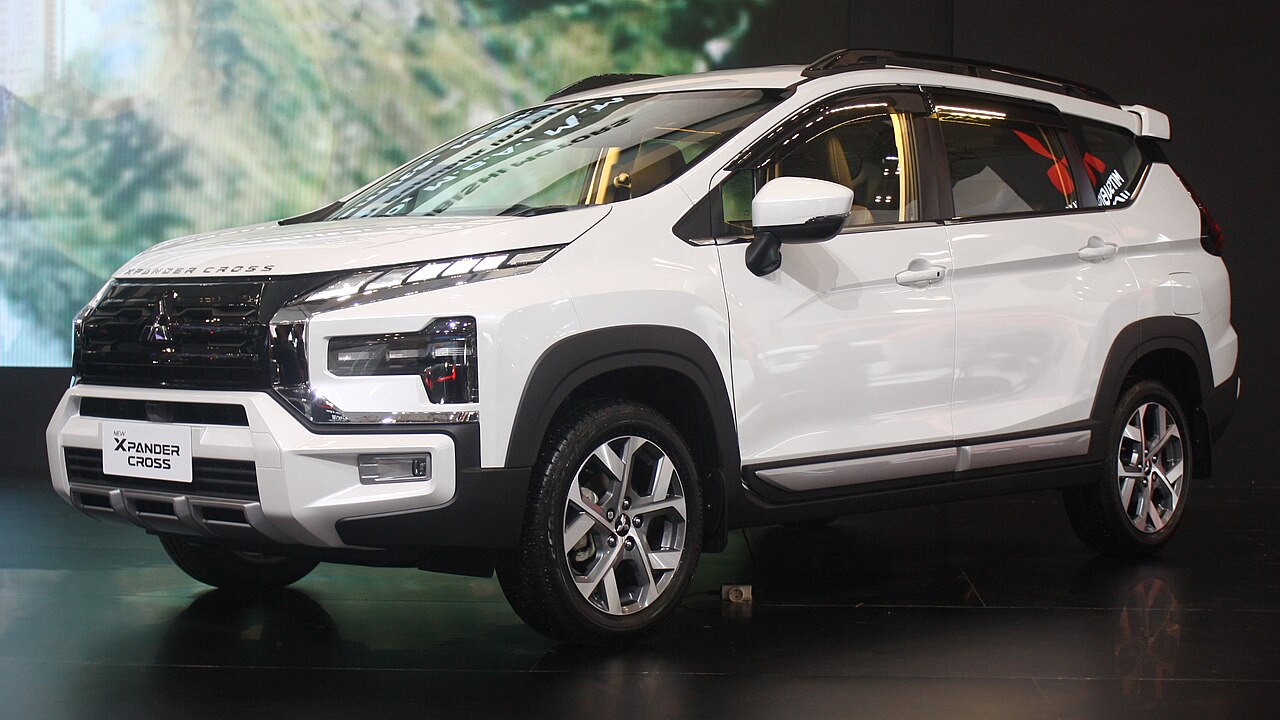
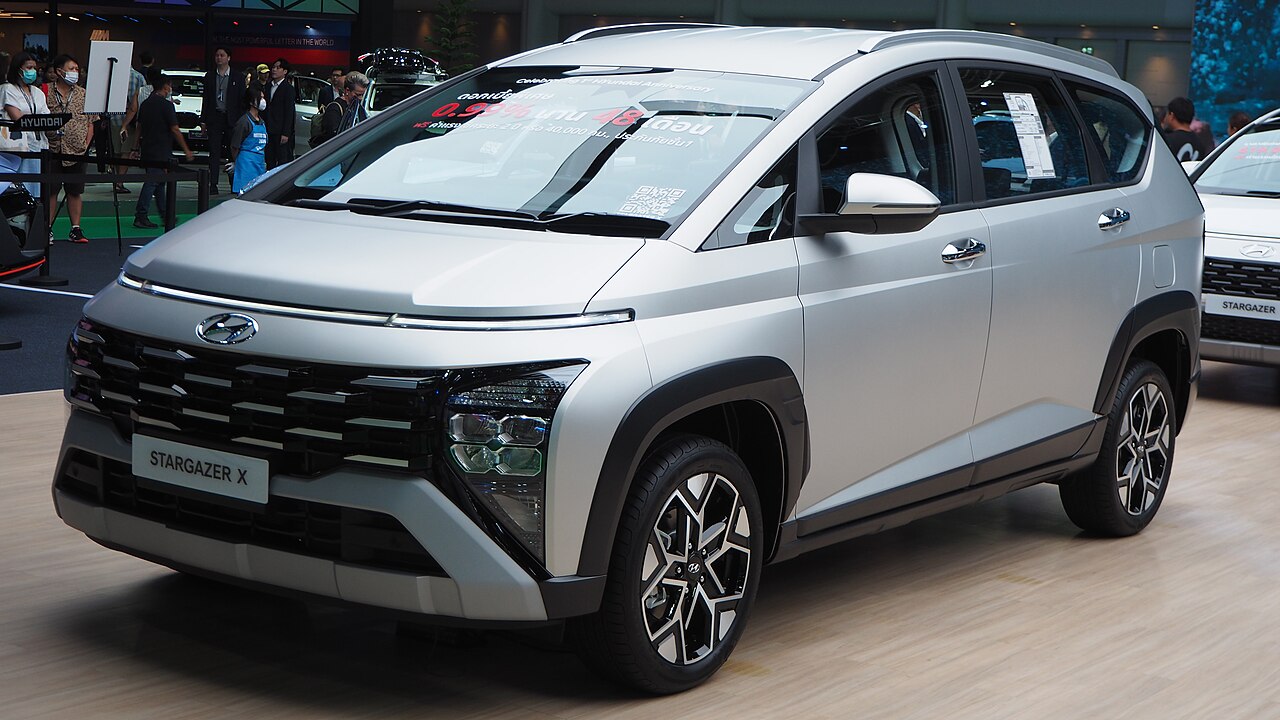
Models such as the Honda BR-V, Mitsubishi Xpander Cross, and Hyundai Stargazer X borrow the rugged styling and higher ground clearance of SUVs while retaining the three row practicality of MPVs.
So why did Indonesia create its own version of the family car?
Before SUVs, There Was the MPV
Long before crossovers became fashionable, Indonesians had already embraced seven seater MPV (Multi Purpose Vehicle)
Models like the Toyota Kijang and Avanza became household names because they met the needs of Indonesian families. A single vehicle could transport multiple generations, carry luggage for long distance travel, and even support small businesses.
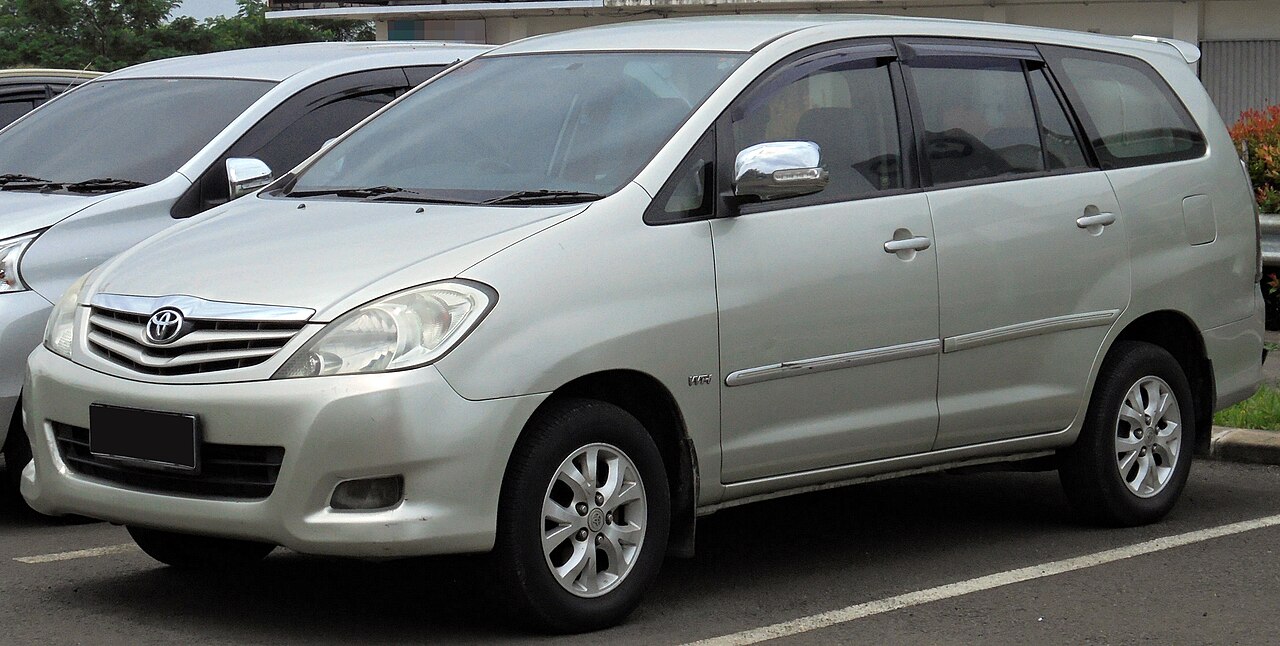
As Indonesia’s middle class expanded, demand for practical family vehicles continued to grow, but consumer preferences were beginning to change.

Indonesians Wanted SUVs, But Not SUV Prices
By the 2010s, SUVs had become a global trend.
Their rugged look and high driving position made them popular, but traditional SUVs like the Toyota Fortuner, Mitsubishi Pajero Sport, and Isuzu MU-X were still too expensive for many middle income families.
Instead of making cheaper ladder frame SUVs, automakers took a different route.
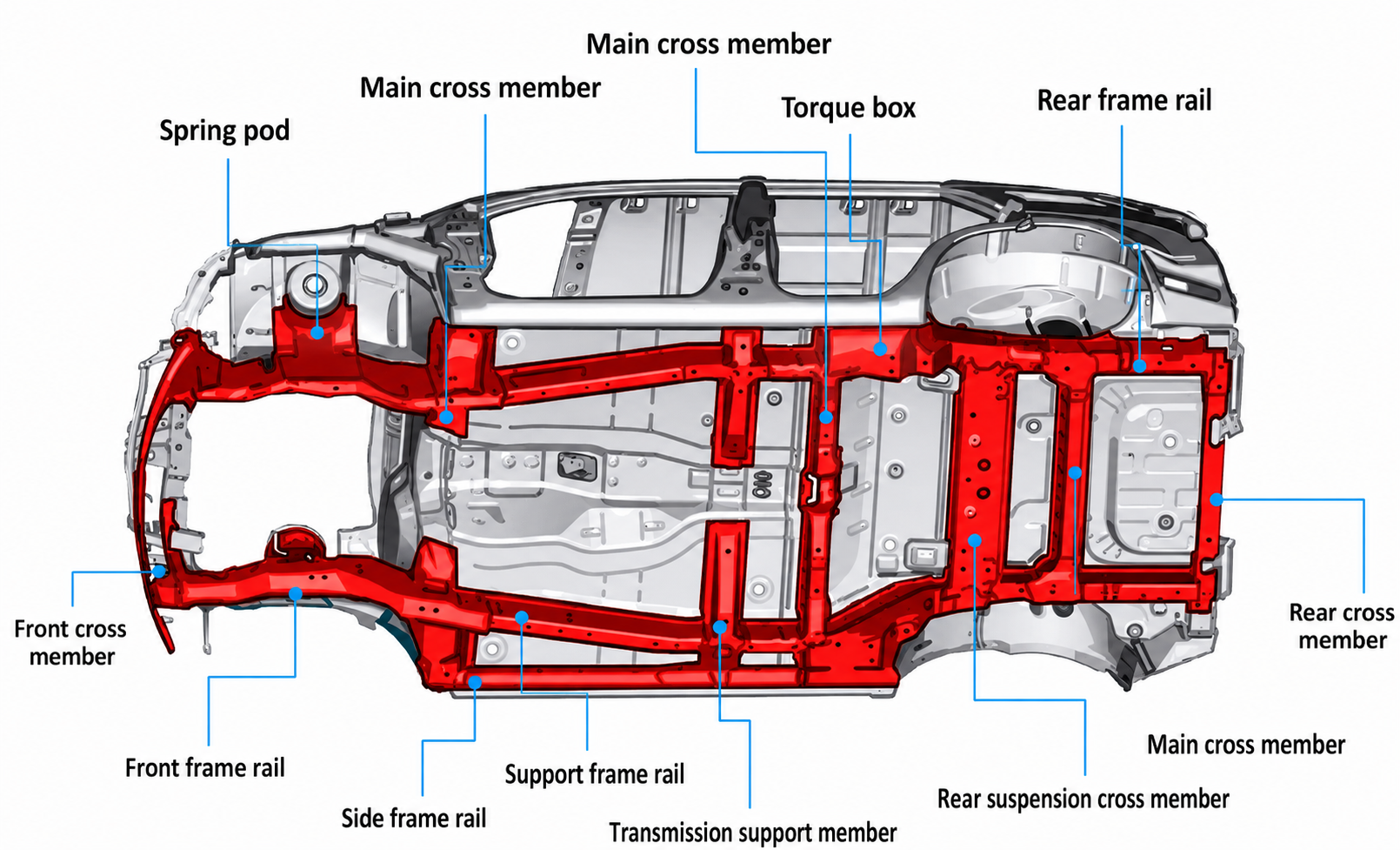
They blended MPV practicality with SUV styling.
Most LSUVs used monocoque platforms shared with passenger cars or MPVs, making them cheaper to build, more fuel efficient, and more comfortable, while still looking like SUVs.
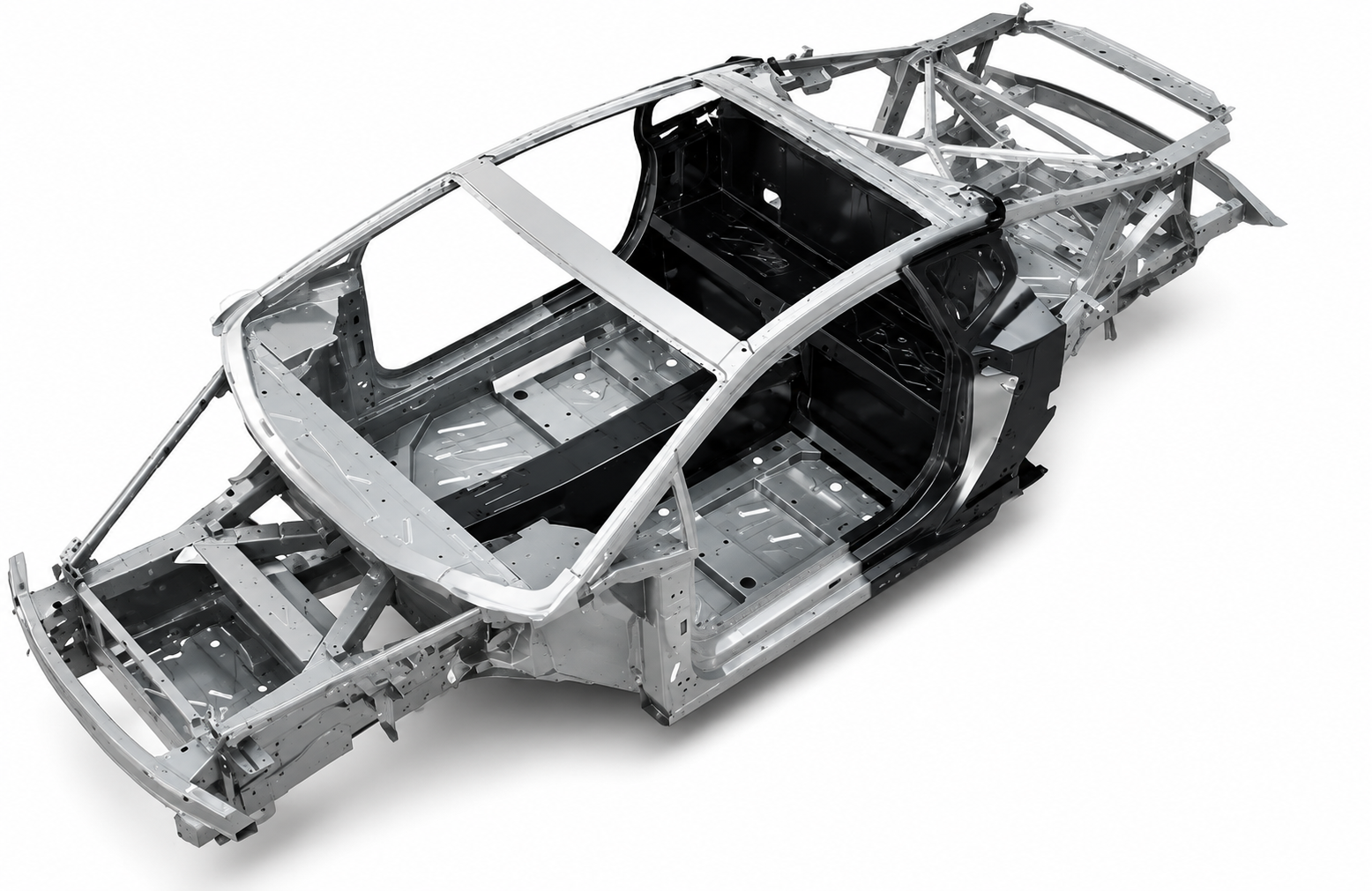
This led to the rise of Indonesia’s Low Sport Utility Vehicle (LSUV) segment: a seven-seat MPV with SUV styling.
Built Specifically for Indonesia
Indonesia didn’t simply embrace this formula, it helped shape it.
Honda chose Indonesia for the world premiere of the BR-V Prototype at the 2015 GAIKINDO Indonesia International Auto Show (GIIAS).
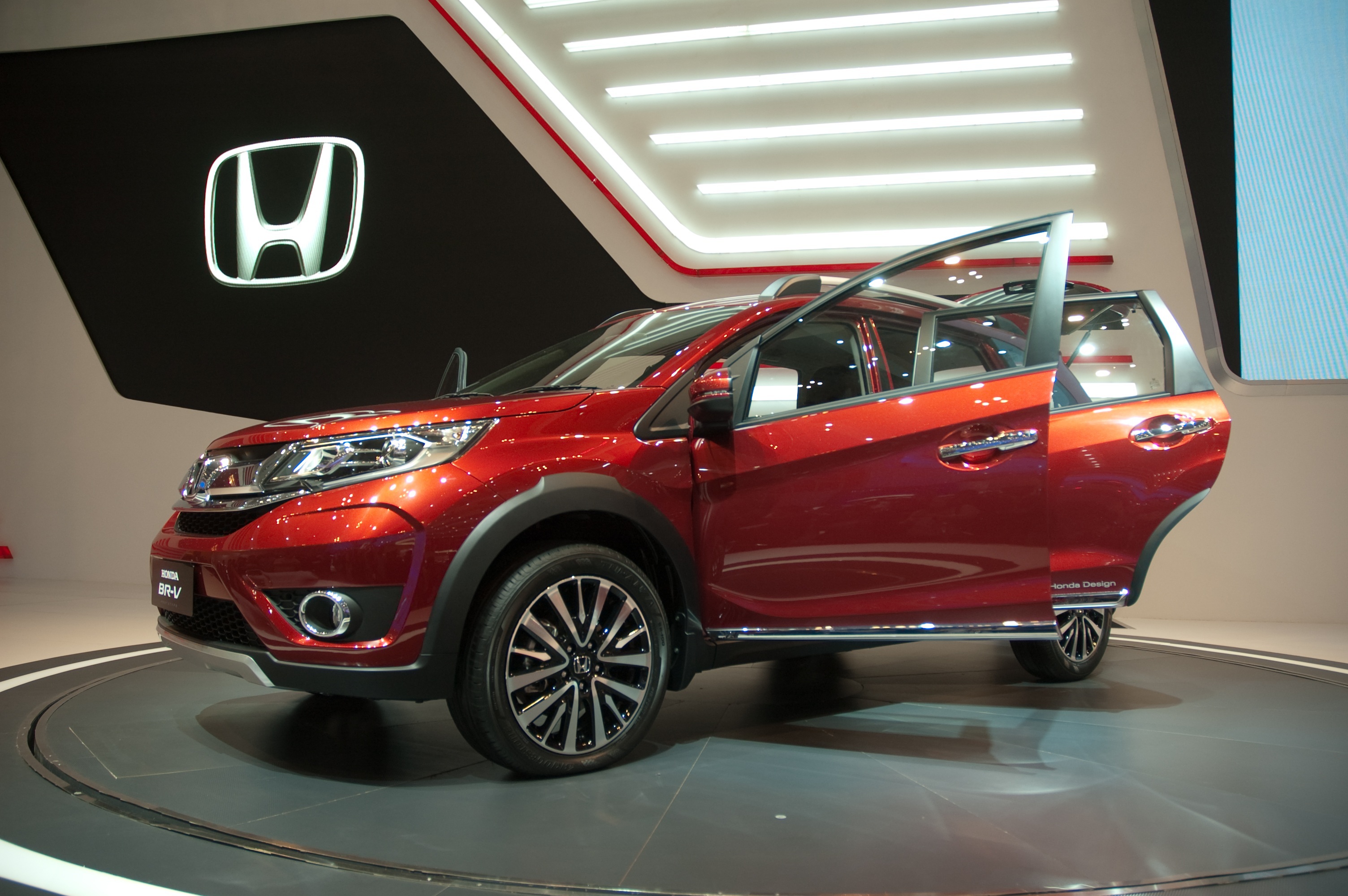
Mitsubishi followed a similar strategy by launching the Xpander in Indonesia in 2017 as its global debut. Combining SUV inspired styling with MPV practicality, the model was first manufactured in Indonesia before being exported to markets across Southeast Asia and beyond.
Honda did it again with unveiling the second generation All New Honda BR-V globally in the country in 2021. According to Honda, the model was developed after extensive studies of Indonesian consumers’ driving habits and family needs.
Hyundai also made Indonesia central to the development of its family vehicle lineup. The Stargazer made its world premiere at GIIAS 2022 after being developed with significant input from Hyundai Motor Asia Pacific (HMAP) in Indonesia, reflecting local consumer preferences.
A year later, Hyundai once again chose Indonesia to unveil the Stargazer X at GIIAS 2023, reinforcing the country’s growing role in the company’s regional product development strategy.
Rather than merely becoming one of the world’s largest automotive markets, Indonesia has increasingly become a country where global automakers develop products specifically for local consumers before introducing them internationally.
The Numbers Tell the Story
The market reflects just how dramatically Indonesian consumers’ preferences have evolved.
A decade ago, MPVs overwhelmingly dominated the country’s passenger vehicle market. In 2015, MPVs accounted for 54% of domestic vehicle sales, while SUVs represented only 12%.
Fast forward to 2024, and the gap has narrowed considerably. According to GAIKINDO, MPVs accounted for around 46.4% of passenger vehicle sales, while SUVs had climbed to approximately 36.6%.
In absolute terms, MPVs recorded 255,601 wholesale units, compared with 201,273 units for SUVs, leaving a gap of just over 54,000 vehicles. By comparison, hatchbacks sold 64,006 units, double-cab pickups 16,819 units, and sedans just 8,166 units.
While not every SUV sold in Indonesia is a seven seater crossover, the figures point to a clear shift in consumer preferences. Rather than replacing the MPV outright, SUV inspired family vehicles have increasingly blurred the line between the two body styles.
Why the Formula Works
The success of these vehicles goes beyond appearance.
Indonesia’s road conditions, including uneven roads, frequent speed bumps, and seasonal flooding in many urban areas make higher ground clearance a practical advantage. At the same time, seven seats remain valuable for larger families and long-distance travel.
Higher ground clearance and rugged styling also give these vehicles a stronger road presence than conventional MPVs, making them attractive to buyers looking for both practicality and a more SUV like image.
More Than Just a Trend
Indonesia’s growing preference for seven seater crossover vehicles reflects a broader shift in the country’s automotive market.
Over the past decade, SUVs have steadily increased their share of passenger vehicle sales, narrowing what was once a substantial gap with MPVs.
At the same time, global manufacturers including Honda, Mitsubishi, and Hyundai have chosen Indonesia not only as a major sales market, but also as a location to develop and globally debut new family oriented models.
Instead of choosing between an MPV and an SUV, Indonesian buyers increasingly found a vehicle that combined the strengths of both.