Most countries export products. Laos exports something you can't see.
Electricity.
Today, Laos is widely known as the "Battery of Southeast Asia," supplying electricity to neighboring countries through a growing network of hydropower plants. While dozens of dams contribute to that reputation, one project stands out as a turning point, Nam Theun 2.
An Export Oriented Powerhouse
Located in central Laos, Nam Theun 2 began commercial operations in 2010 with an installed capacity of 1,070 megawatts.
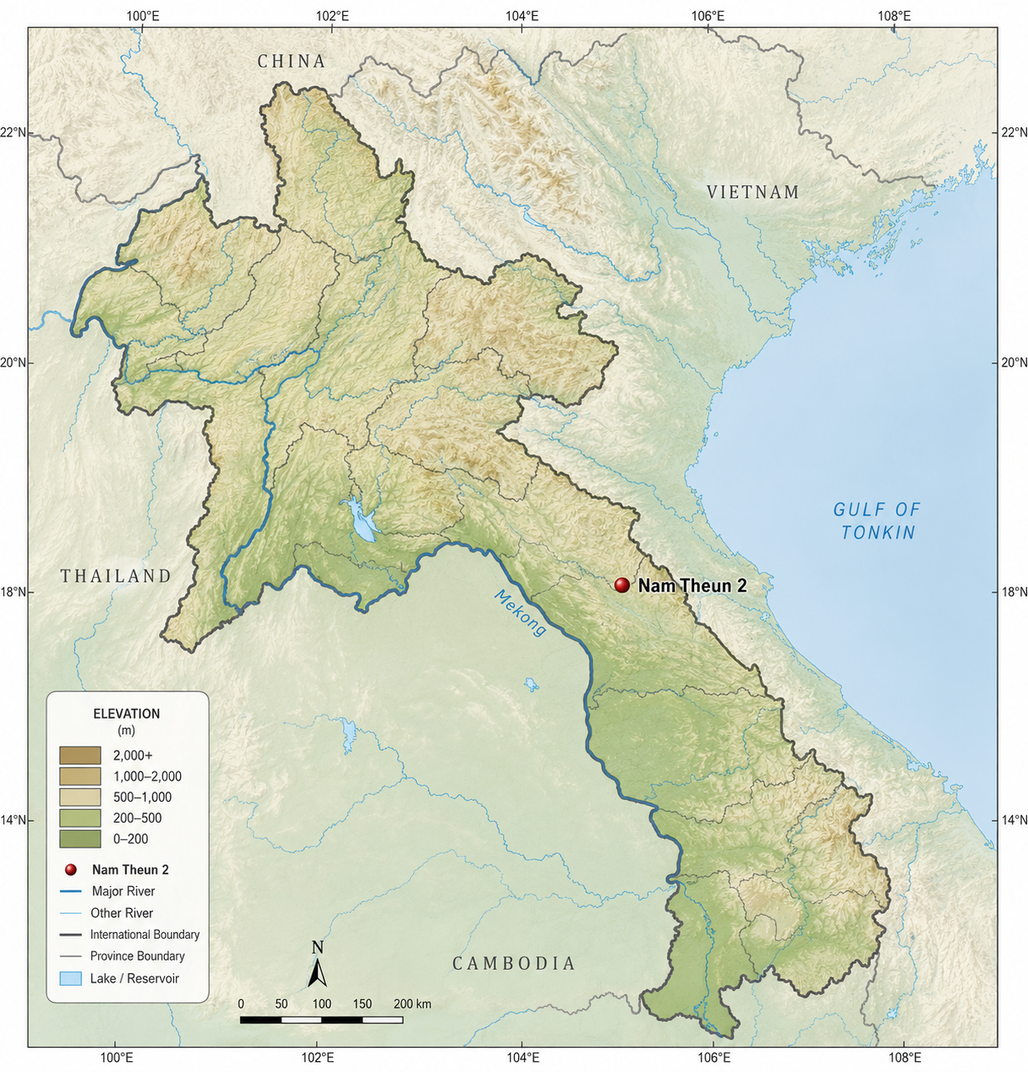
Nam Theun 2 is one of the largest and most complex infrastructure projects in the country's history. At the time it was built, it was also the largest infrastructure project ever undertaken in Laos.
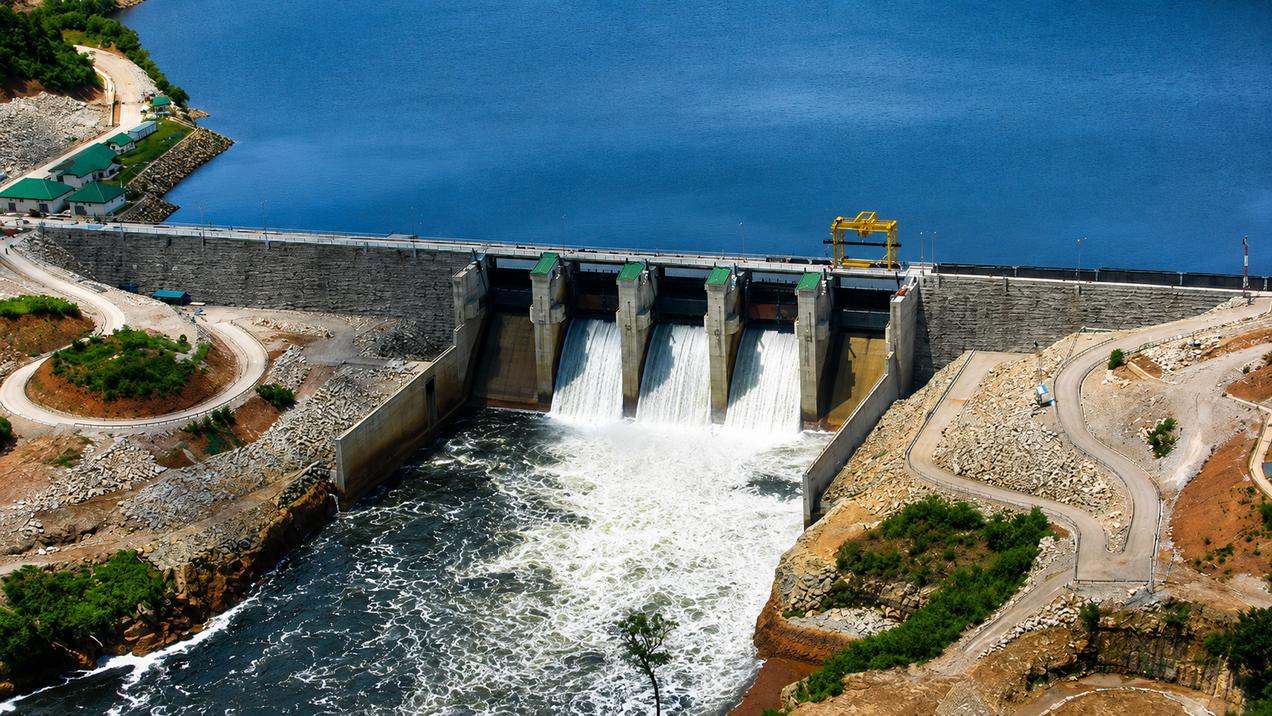
The project's purpose extended beyond generating electricity. Nam Theun 2 was designed primarily as an export oriented power plant. Around 95% of the electricity it produces is transmitted to Thailand, while the remaining electricity is supplied to Laos' domestic grid.
The project is connected to Thailand through a dedicated high voltage transmission line crossing the Mekong River. In other words, much of the electricity generated in Laos is consumed hundreds of kilometers away.
A Project Built on an Unprecedented Scale
The project was also unusual because of its scale.
It was jointly developed by the Government of Laos and international partners, with financial support from 27 organizations, including the World Bank and the Asian Development Bank.
The project required years of planning before construction began and was structured as one of Southeast Asia's largest public-private partnership infrastructure projects.
Revenue and Growth
For Laos, the dam created a new source of government revenue. According to the World Bank, between 2010 and 2017, Nam Theun 2 generated more than US$170 million in revenue for the Lao government.
Under the project's legal framework, these revenues were allocated to poverty reduction and environmental management programs, including education, healthcare, rural electrification, and road development.

More recently, Nam Theun 2 handed over more than US$15 million in corporate income tax to the Lao government for 2023 alone, along with an advance payment of nearly US$3.9 million for the first quarter of 2024.
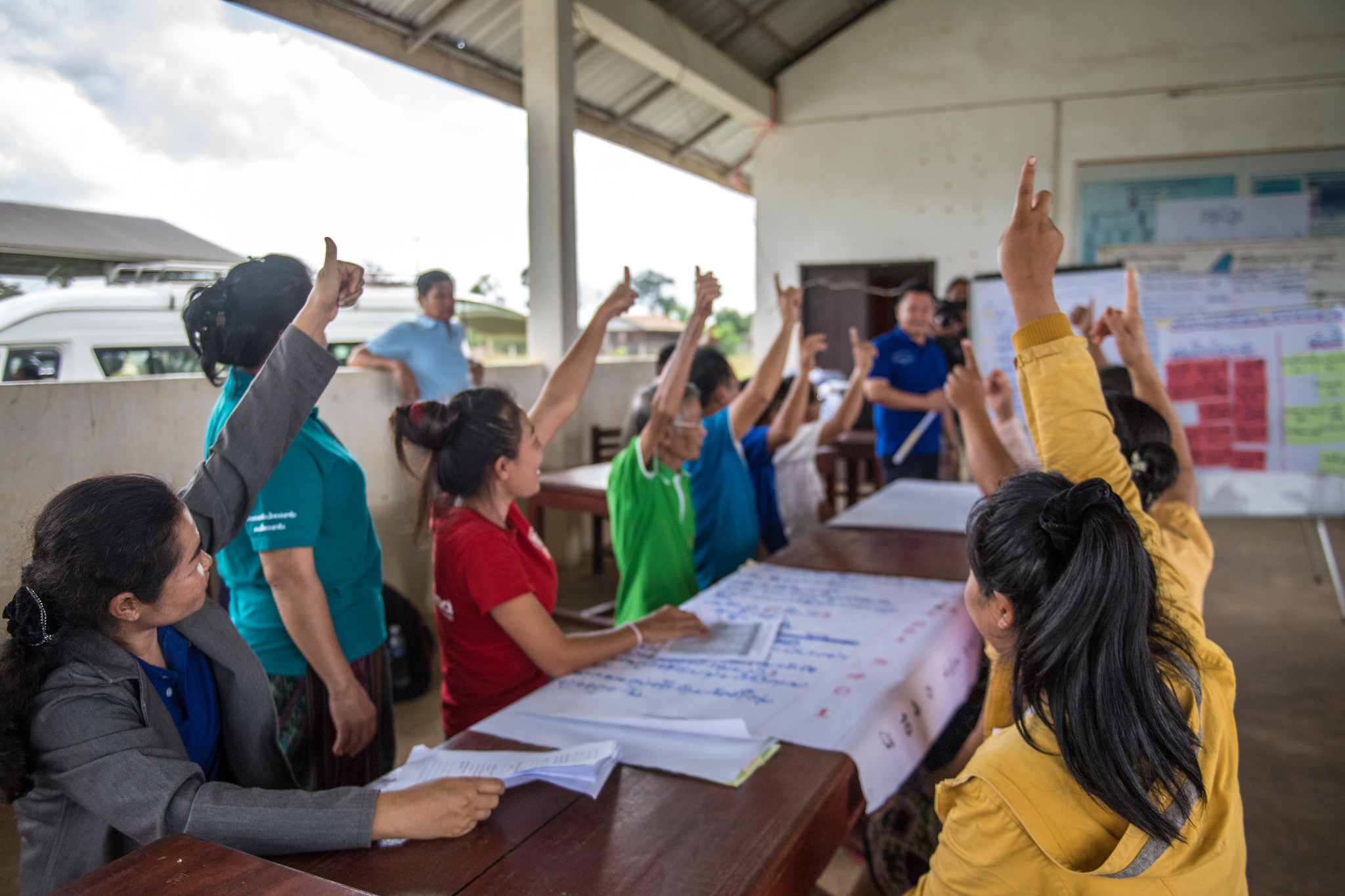
Over the course of its 25 year concession period, from 2010 to 2035, the project is projected to contribute approximately US$2 billion to the Lao government through taxes, capital costs, and dividends.
The project also reshaped Laos' electricity sector. When Nam Theun 2 entered operation in 2010, its 1,070 MW capacity represented about 42% of the country's installed electricity generation capacity at the time.
It also introduced new engineering standards, operational procedures, and regulatory frameworks for large scale hydropower development in Laos.
The Human Cost
The project was not without major challenges.
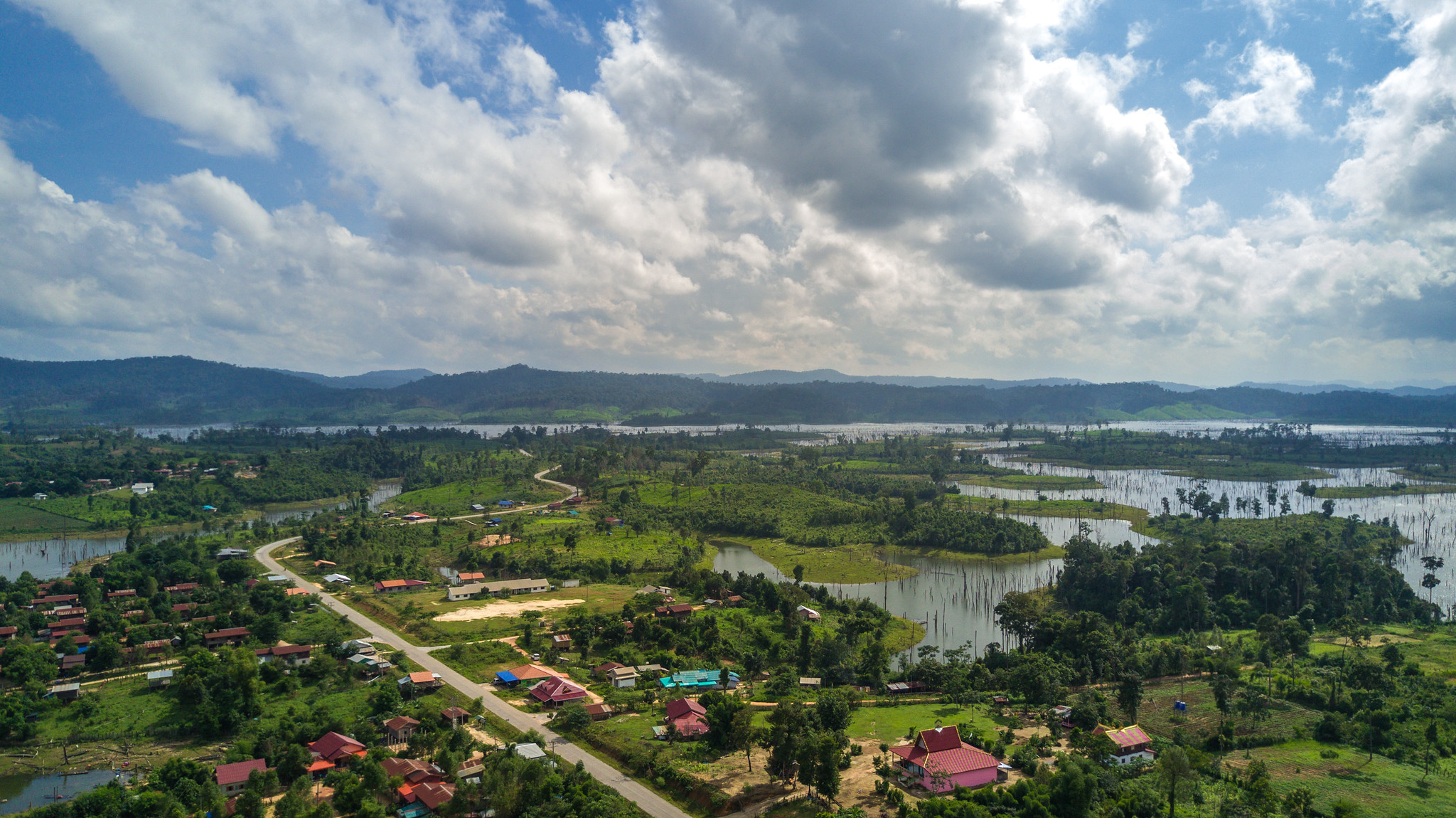
Construction required the creation of a large reservoir and the relocation of approximately 6,300 people from 15 villages on the Nakai Plateau.
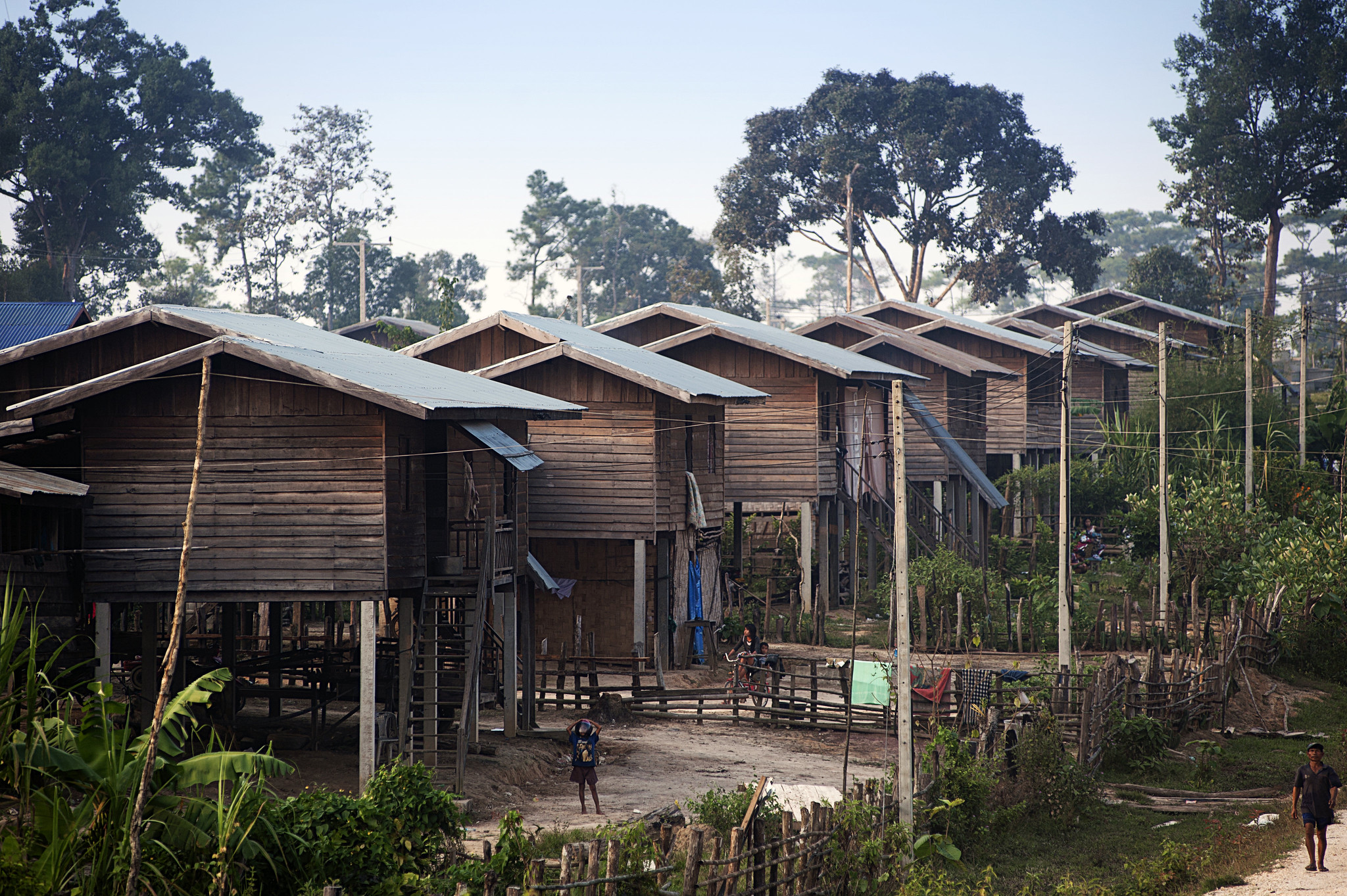
According to the World Bank, the project included housing, schools, healthcare facilities, livelihood programs, and long-term environmental monitoring as part of its resettlement and social development commitments.
Why It Matters
Nam Theun 2 did not turn Laos into an electricity exporter by itself. The country had already been exporting electricity before the project was built, and many hydropower plants have since been added across the country.
However, Nam Theun 2 marked a new chapter. Its scale, export capacity, international financing, and long term revenue model demonstrated that hydropower could become one of Laos' most important economic sectors.
It also helped establish the model that supported many of the country's later electricity projects.
Today, electricity has become one of Laos' most valuable exports.
Among the many dams built across the country, Nam Theun 2 remains one of the projects most closely associated with the country's transformation into a regional energy exporter.