In the 1890s, Burma was taking orders from British officials. Next door, Indochina answered to Paris. But right in between them, one kingdom was quietly laying its own railway tracks under its own control and on its own terms.
No foreign flag flew over the construction site. Siam was building its way out of getting swallowed up.
A King Who Turned Down "Help"
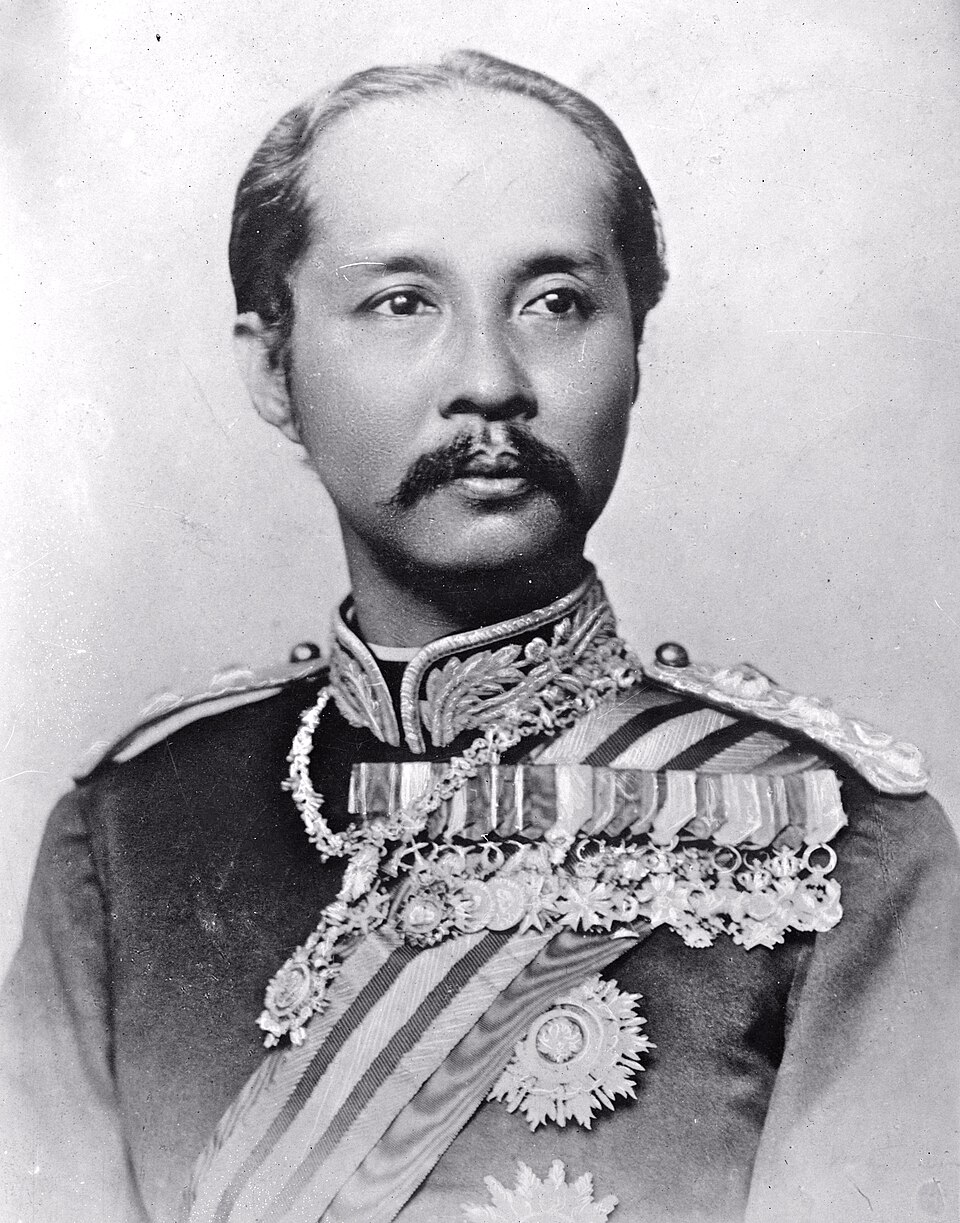
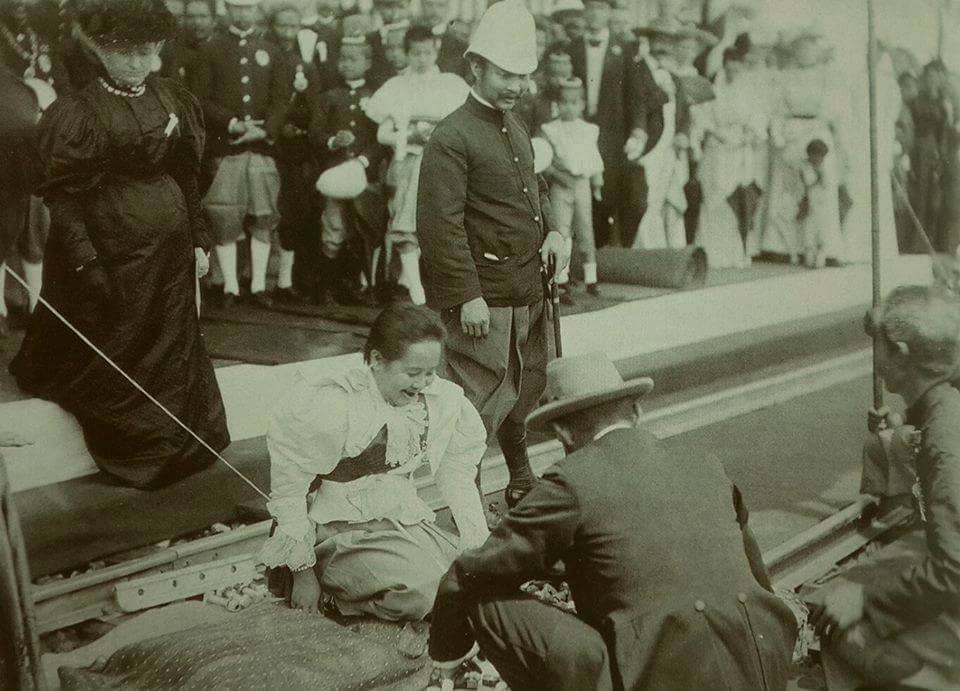
Siam's very first railway, a 21 kilometer line to Paknam, opened in 1893 with a price tag of 400,000 baht and King Chulalongkorn personally put up half that money himself.
That wasn't just symbolic. Three years earlier, in 1890, he had established Siam's own Department of Railways, and construction soon began on a much larger state railway connecting Bangkok and Ayutthaya.
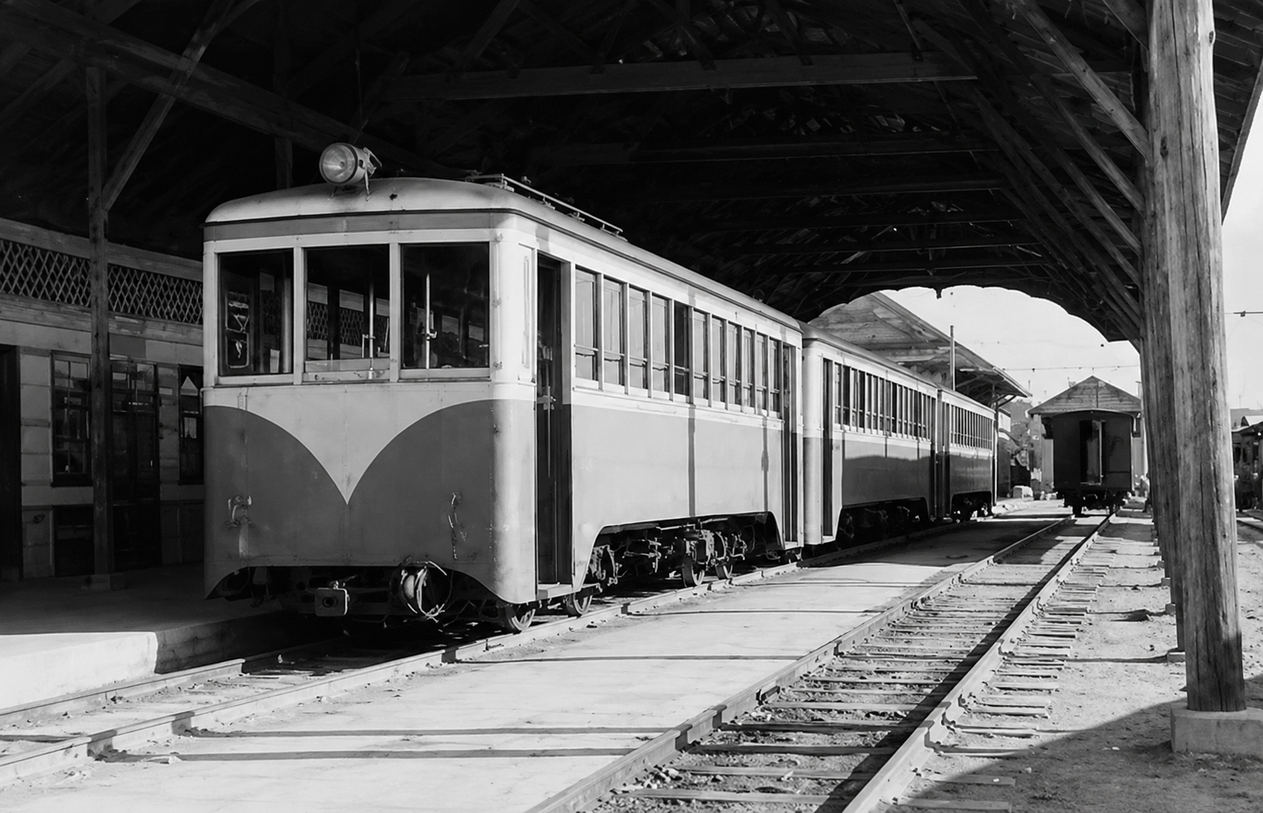
Around the same time, several British and German interests expressed interest in helping build Siam's railways. Chulalongkorn instead chose to keep the projects under Siamese control while hiring foreign engineers only as paid contractors.
He understood that railways were more than just commercial infrastructure. Some proposed routes, particularly those linking Siam with British controlled Burma, could carry strategic military value as well as economic benefits.
By financing the railways itself, Siam retained ownership, decision-making authority, and control over where the tracks would ultimately lead.
The Year Everything Almost Fell Apart
That same year, 1893, Siam faced one of the greatest crises in its history.
French gunboats forced their way up the Chao Phraya River toward Bangkok in what became known as the Paknam Incident, training their guns on the Grand Palace.
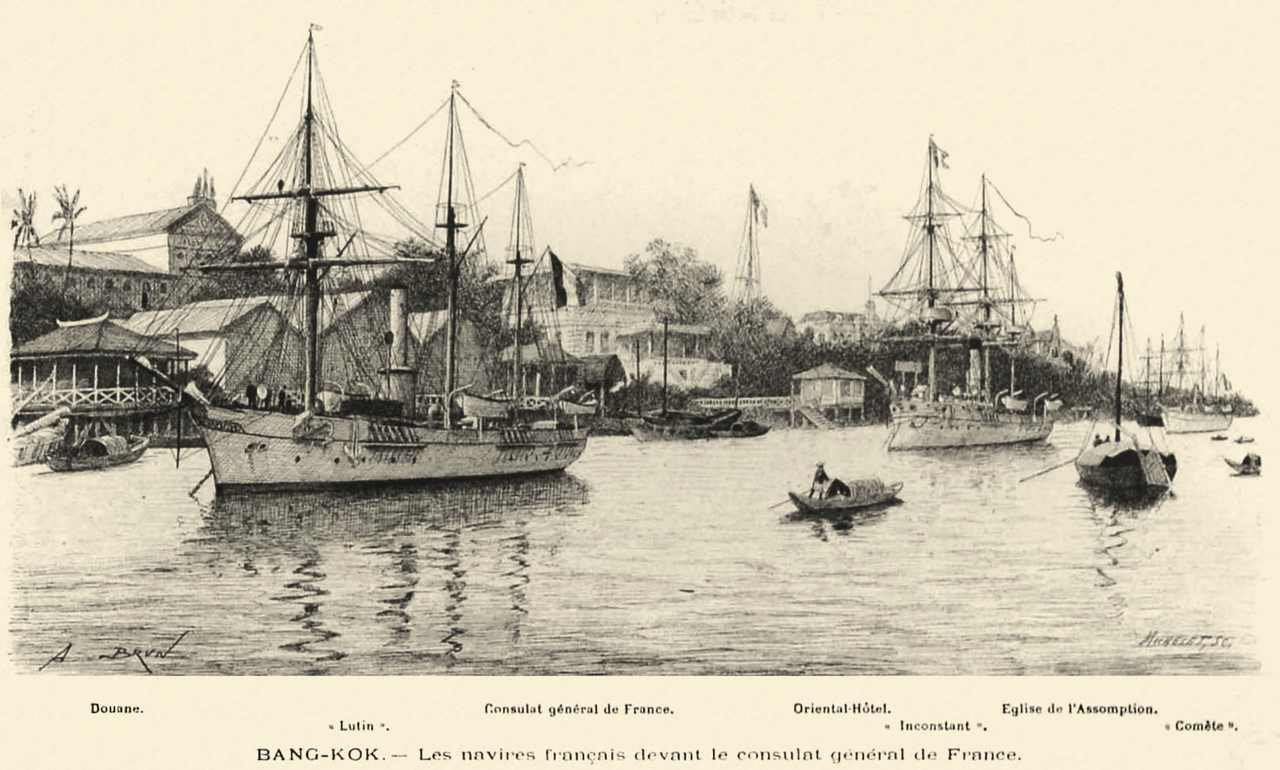
Siam had virtually no ability to resist at sea. Under the resulting ultimatum, it ceded roughly one third of the territory it had claimed all the land that now forms Laos and paid an indemnity of three million francs, equivalent to about 2.11 million baht at the time, or roughly 10.5 billion baht in today's value.
The defeat exposed a hard truth.
Although Siam claimed vast frontier territories, it lacked the roads, garrisons, and administrative infrastructure needed to govern them effectively. In response, Chulalongkorn accelerated sweeping military and administrative reforms while expanding railways into regions that had previously been difficult for Bangkok to govern directly.
The railway was no longer just a symbol of modernization. It became one of the key tools that allowed the central government to strengthen its administrative reach across the kingdom.
By 1910, the network had grown to 932 kilometers of track, built almost entirely on Siam's own dime.
Turns Out, Being First Was Never the Point
Siam wasn't the first country to build a railway not even close.
Serbia had one operating as early as 1854, while the Ottoman Empire completed its first working line by 1859-1860, roughly three decades before Siam. But being first was never what made Siam's railways remarkable.
Across parts of Europe, political independence did not always mean control over national infrastructure. By the late nineteenth century, much of Bulgaria's railway network had been financed by foreign investors, while large portions of Serbia's railways also relied on foreign capital.
In many cases, railway routes reflected the strategic priorities of outside powers as much as local needs. Siam's railway, meanwhile, was financed by Siam, planned by Siam, and controlled by Siam.
Political independence didn't automatically mean owning your own infrastructure. Siam made sure it had both.
Why This Still Matters Today
Siam's railway was never just about transportation. By keeping the project under its own control, the kingdom ensured that its railways served national interests rather than those of foreign powers. In doing so, it strengthened not only its infrastructure but also its sovereignty.
More than a century later, countries are once again investing in massive railways, ports, and highways with the help of foreign capital. The technology has changed, but the underlying question remains the same, infrastructure is never just about concrete and steel it is also about who ultimately controls it.
Burma answered to London. Indochina answered to Paris. Siam answered only to itself and its railways helped keep it that way.