If someone tells you they live in public housing, what comes to mind?
In many countries, public housing is associated with low income families, government subsidies, or aging apartment blocks. It is often designed as a safety net for those who cannot afford private housing.
Singapore took a completely different approach.
Today, 77.2% of Singapore residents live in flats built by the Housing & Development Board (HDB), according to the Singapore Department of Statistics. Among households living in HDB flats, the home ownership rate stood at 91.2% in 2025, one of the highest in the world.
That combination makes Singapore one of the few places where government built housing became the default option for the middle class rather than housing of last resort.
From Slums to a National Priority
When Singapore became self-governing in 1959, it faced an acute housing shortage. Hundreds of thousands of people lived in overcrowded kampungs and informal settlements with poor sanitation and limited public services.
The crisis escalated on 25 May 1961, when the Bukit Ho Swee Fire destroyed thousands of homes and left an estimated 16,000 people homeless in a single afternoon. The disaster exposed how urgently Singapore needed large scale urban housing.
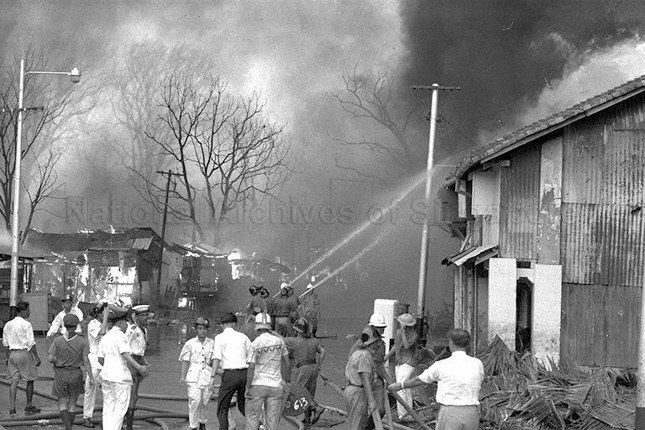
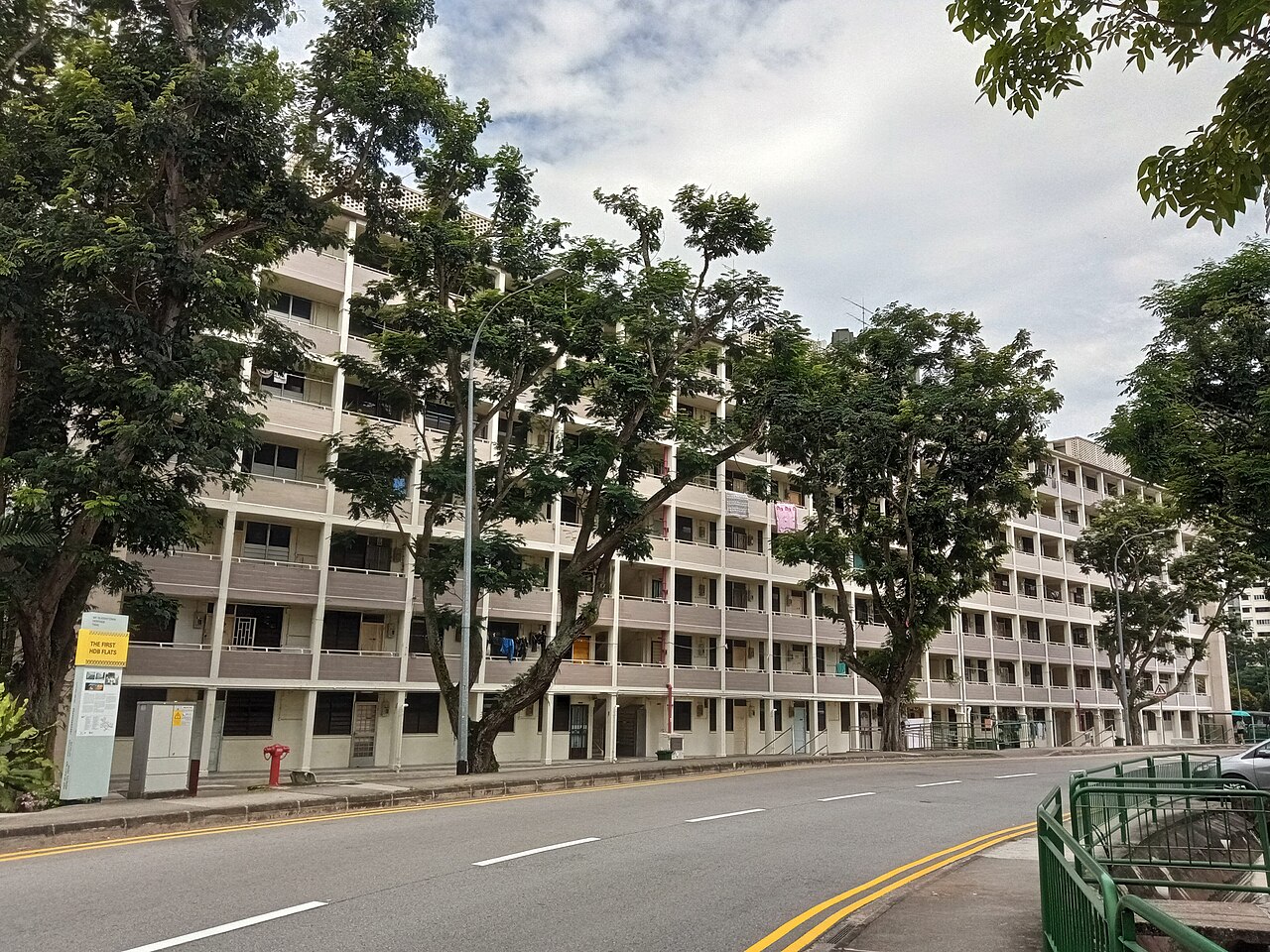
Just one year earlier, the government had established HDB to replace the slower Singapore Improvement Trust. The new agency was given a simple but ambitious mission to build homes as quickly as possible.
Homeownership as National Policy
Building apartments alone was never enough.
The real turning point came in 1968, when the government allowed Singaporeans to use savings from the Central Provident Fund (CPF), the country's mandatory social security savings scheme to pay the down payment and monthly mortgage for HDB flats. For many families, this meant they could buy a home with little or no cash upfront.
Instead of creating a nation of renters, Singapore deliberately encouraged homeownership. That single policy transformed HDB from a public housing provider into the country's primary pathway to owning a home.
Within its first Five Year Building Programme (1960-1965), HDB completed more than 51,000 flats, dramatically expanding Singapore's housing supply and laying the foundation for modern public housing.
Beyond Apartment Blocks
Singapore's public housing model did not stop at building apartment blocks.
Instead of developing isolated residential estates, HDB planned entire towns from the ground up. Schools, clinics, parks, hawker centres, shopping areas, bus interchanges, and later MRT stations were integrated into the same master plan, allowing residents to access most daily necessities within their own neighborhoods.
Rather than concentrating low income households in a single area, HDB towns were designed to accommodate residents from different income groups, making public housing part of Singapore's broader urban planning strategy rather than simply a social welfare programme.
Today's resale market illustrates how far that model has evolved. A record 1,594 resale HDB flats sold for at least S$1 million in 2025, up 54% from 1,035 in 2024, according to figures cited by National Development Minister Chee Hong Tat in Parliament. Even so, these transactions still made up only about 6% of all resale deals that year.
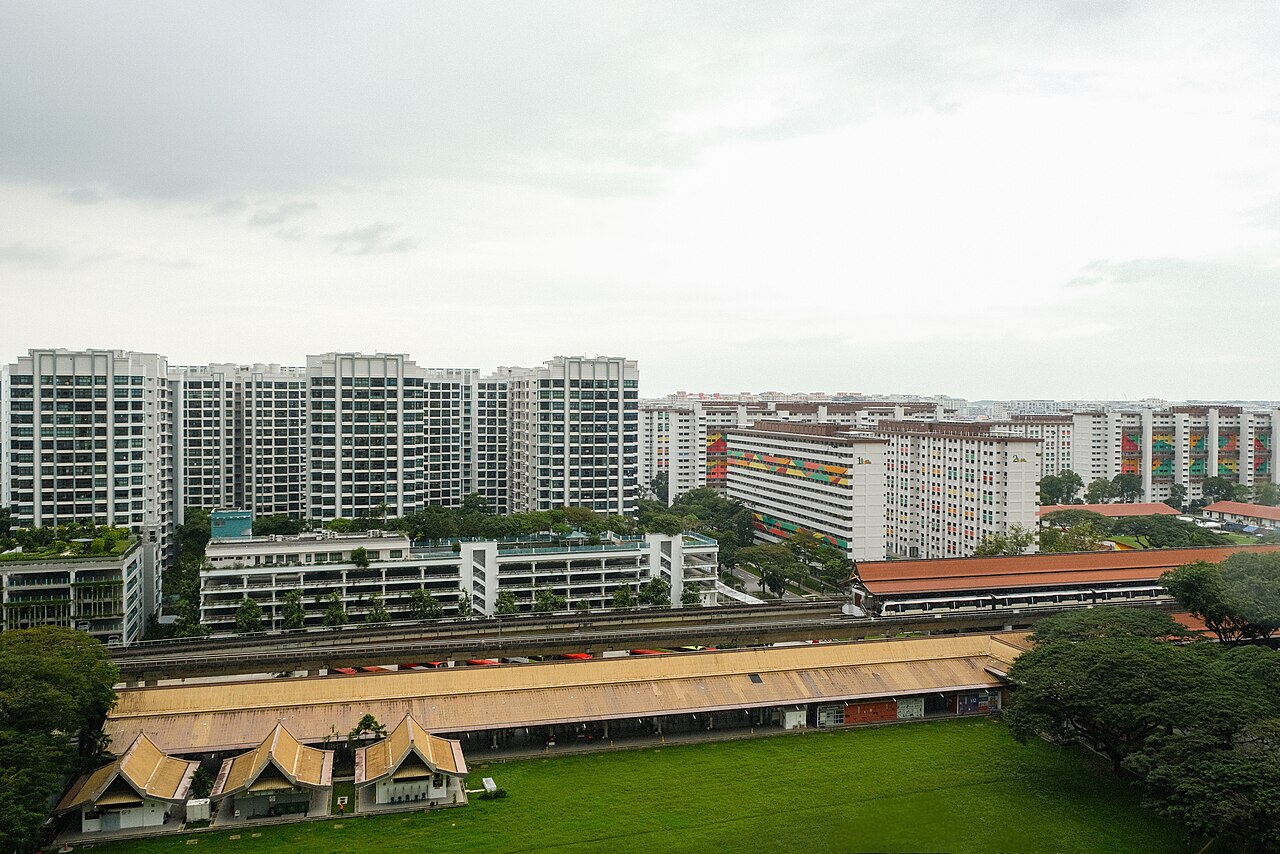
Those record breaking prices have reignited debate over affordability, prompting the government to increase the supply of new Build-to-Order (BTO) flats while introducing additional measures to keep homeownership within reach for future buyers.
Redefining Public Housing
Singapore's greatest housing achievement may not be the millions of flats it has built, but the perception it changed. In much of the world, public housing is designed for people who cannot afford the market.
Singapore built a system where government developed homes became the market itself.