Today, ice is produced locally and refrigeration is a standard feature in homes, supermarkets, and restaurants across Singapore. During the 19th century, however, obtaining ice required a journey of more than 15,000 kilometers across the Pacific Ocean.
Before mechanical refrigeration became available, Singapore relied on natural ice harvested from frozen lakes and rivers in the United States, making ice an imported commodity in tropical Southeast Asia.
Ice Arrived From Frozen Lakes in America
Singapore's ice trade began in 1854. That was when prominent merchant Hoo Ah Kay, better known as Whampoa, partnered with Gilbert Angus to establish the Whampoa Ice House at Boat Quay.

The business imported natural ice from the United States, where blocks of ice were cut from frozen lakes during winter, insulated with thick sawdust, and transported by sailing ships over several months before reaching Singapore.
The trade formed part of the global network created by Boston businessman Frederic Tudor, who later became known as the "Ice King."
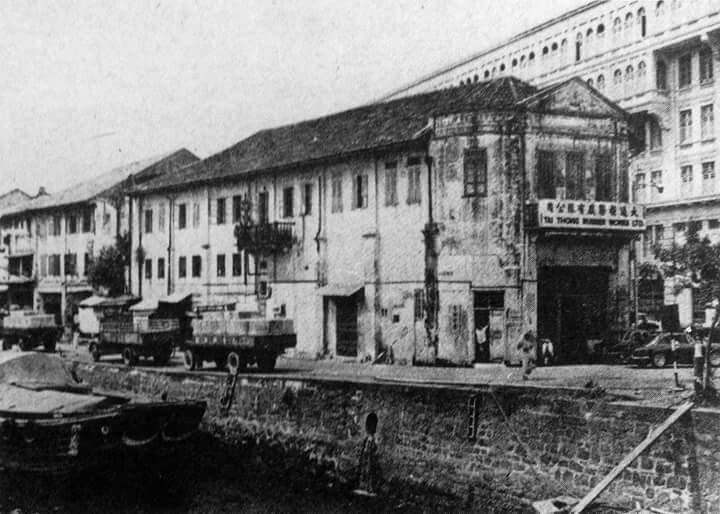
According to Singapore's National Library Board (NLB), as much as half of each shipment could melt before arriving in Singapore despite the insulation used during transport.
Ice Was Once a Luxury Commodity
Imported ice transformed daily life for European residents and affluent households living in colonial Singapore. Without refrigeration, meat and fish spoiled quickly in the tropical climate.
Newspapers published in the mid 19th century described fresh meat as needing to be cooked on the same day it was slaughtered, while butter, cheese, and fresh fruits remained difficult to preserve. Ice allowed chilled drinks to be served and extended the storage time of perishable food.
Despite its novelty, demand remained limited. NLB records show that Whampoa Ice House sold only 400 to 500 pounds of ice per day, well below the 1,000 pounds originally projected by its owners. After several years of financial losses, the partnership ended in 1857.
Local Ice Production Changed the Industry
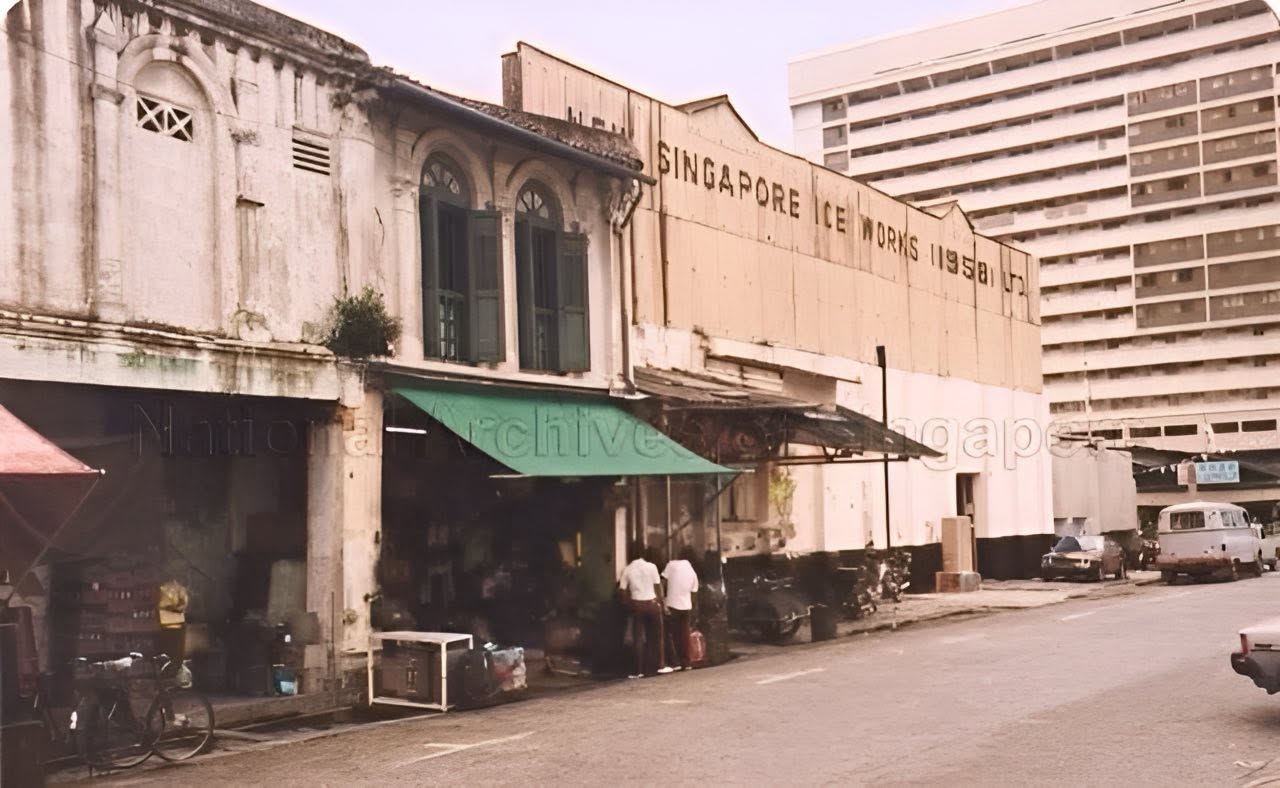
A major turning point came in 1861, when Singapore Ice Works became the first company to manufacture ice locally using mechanical refrigeration.
Locally produced ice cost around 40 percent less than imported natural ice, according to historical records cited by the National Library Board. Lower prices and a more reliable supply quickly shifted the market away from imported ice.
By 1865, Tudor's imported ice business had ceased operations in Singapore after repeated supply disruptions, while Singapore Ice Works continued expanding local production.
Additional manufacturers including Straits Ice Company, which began operations in 1881, later entered the market, increasing competition and making ice more widely available.
Before Refrigerators, Ice Became Everyday Infrastructure
Although refrigerators remained uncommon for decades, locally manufactured ice became the primary form of refrigeration across Singapore.
According to the National Heritage Board, ice was used to preserve seafood transported from distant fishing grounds, cool beverages, and store food in markets, shops, and households. Before refrigerators became common in the 1960s, many families relied on blocks of ice and traditional ice boxes to keep food fresh.
By the mid 1930s, Singapore was producing an estimated 300 to 600 tons of ice every day, reflecting how mechanical ice production had become an essential part of the island's food distribution system.
Today, refrigeration is taken for granted. More than 170 years ago, however, keeping food cold in Singapore depended on ships carrying blocks of ice harvested from frozen lakes thousands of kilometers away.
Only later did local ice factories transform refrigeration from an imported luxury into an everyday necessity.