Malaysia exported RM465.6 billion (around US$110 billion) worth of semiconductors and integrated circuits in 2025, making it one of the world's largest semiconductor exporters.
It's an impressive figure, but one that often leads to a common misconception.
Many people assume Malaysia manufactures the same cutting edge processors powering the latest iPhones, NVIDIA AI accelerators, or AMD Ryzen chips.
It doesn't. Or at least, not in the way most people imagine.
A modern semiconductor rarely comes from a single country. A chip may be designed in the United States, fabricated in Taiwan, packaged and tested in Malaysia, and finally assembled into a smartphone, server, or electric vehicle somewhere else. Every stage happens where companies have built the strongest expertise.
Malaysia's role isn't building the world's most advanced processors from silicon wafers. Its role is making millions of those chips ready for the world.
Who Can Actually Make Advanced Chips?
Modern processors are among the most complex products ever manufactured.
Although companies such as Apple, NVIDIA, AMD, Qualcomm, and MediaTek design their own chips, manufacturing them requires fabrication plants costing tens of billions of dollars and some of the most sophisticated machines ever built.
For the most advanced logic chips, manufacturers rely on Extreme Ultraviolet (EUV) lithography systems produced exclusively by the Dutch company ASML.
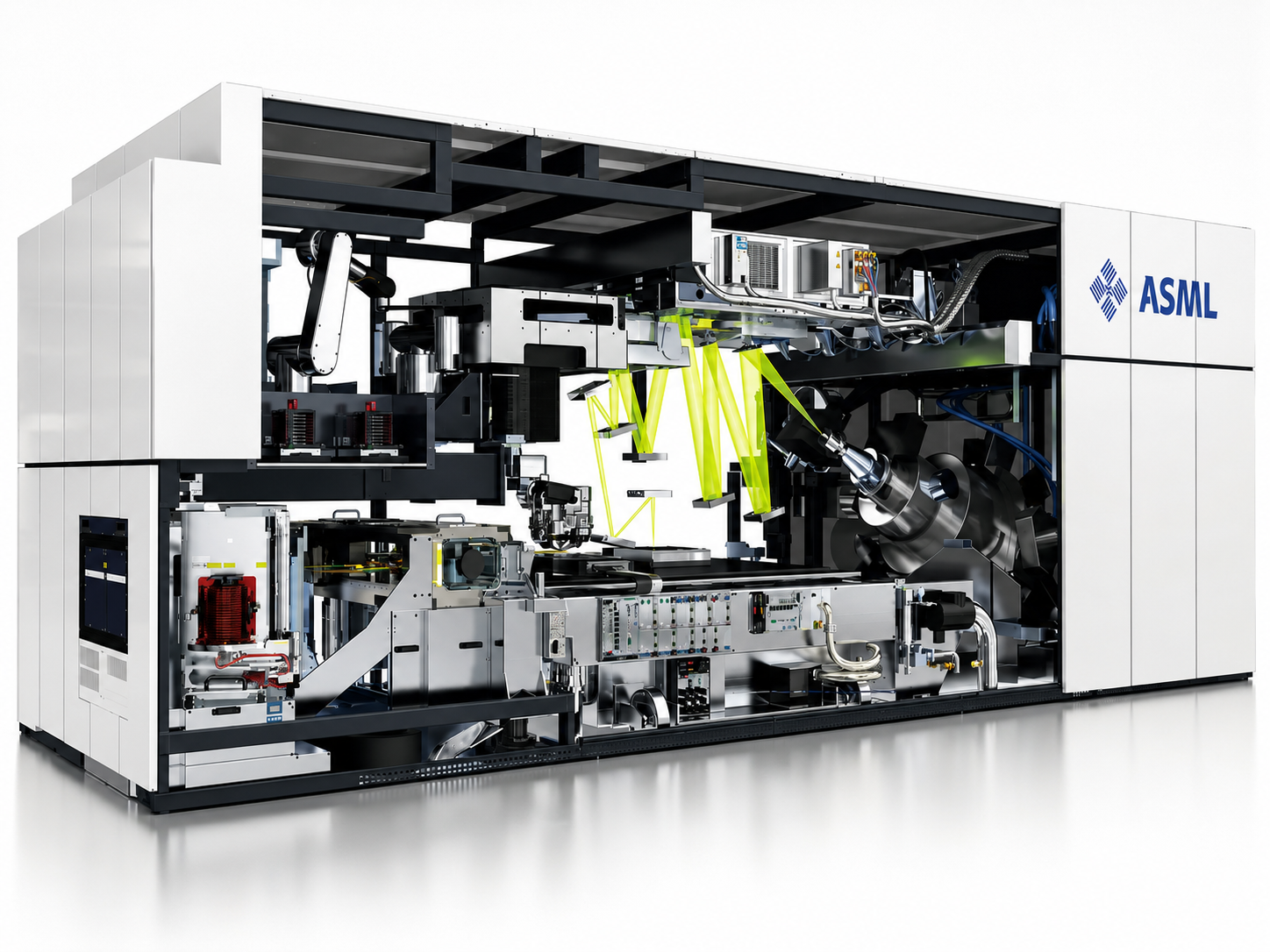
These machines cost well over US$200 million each and are subject to strict Dutch export licensing rules, meaning they cannot simply be purchased by any company or country.
Today, only a handful of manufacturers including TSMC in Taiwan, Samsung in South Korea, and Intel in the United States operate fabrication facilities capable of mass-producing leading edge logic chips using EUV technology.
Malaysia is not one of them.
Where Malaysia Actually Leads
That doesn't make Malaysia any less important.
Instead of focusing on wafer fabrication, Malaysia has become one of the world's leading hubs for assembly, testing, and packaging (ATP). The final manufacturing stages before a semiconductor can be installed inside smartphones, AI servers, vehicles, medical devices, or industrial equipment.
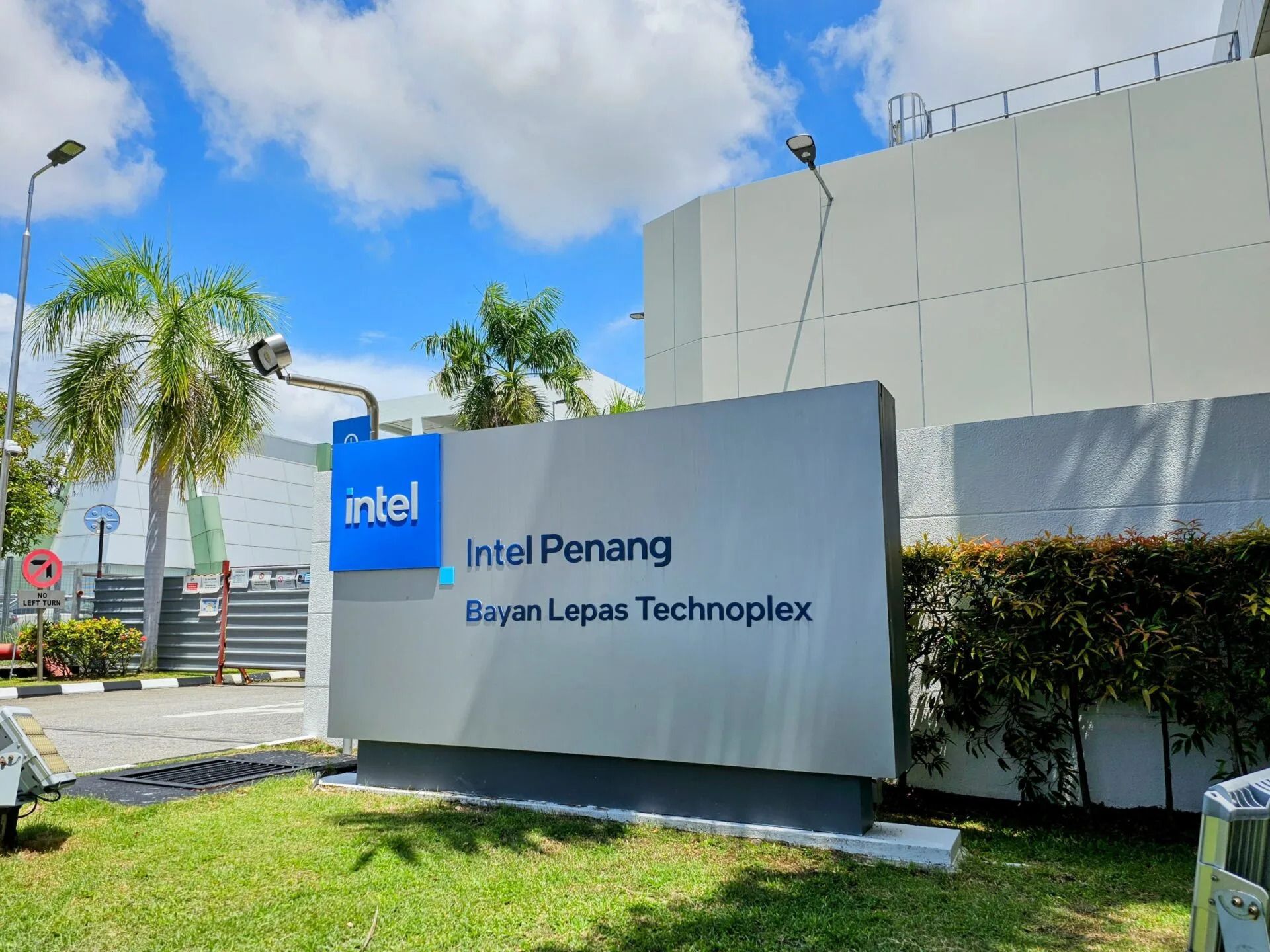
After silicon wafers are manufactured in countries such as Taiwan, South Korea, or the United States, many are shipped to Malaysia. Here, they are cut into individual chips, connected to microscopic electrical contacts, enclosed inside protective packages, and rigorously tested before being delivered to customers around the world.
Without these steps, even the world's most advanced chip cannot function inside a finished electronic product.
According to industry estimates, Malaysia accounts for around 13% of the global outsourced semiconductor assembly and test (OSAT) market, making it one of the industry's most important manufacturing hubs.
The country's importance is also reflected in the companies operating there. Industry leaders such as Intel, ASE, Infineon, Texas Instruments, Bosch, and Amkor all maintain major semiconductor facilities in Malaysia, many of them concentrated in Penang, often referred to as the country's "Silicon Valley".
The Next Frontier
For decades, chip packaging was often viewed as the final and relatively routine step of semiconductor manufacturing.
That is no longer true.
Modern AI chips increasingly rely on advanced packaging, where multiple chiplets are integrated into a single package instead of manufacturing one enormous chip. This approach improves performance, lowers manufacturing costs, and increases production yields.
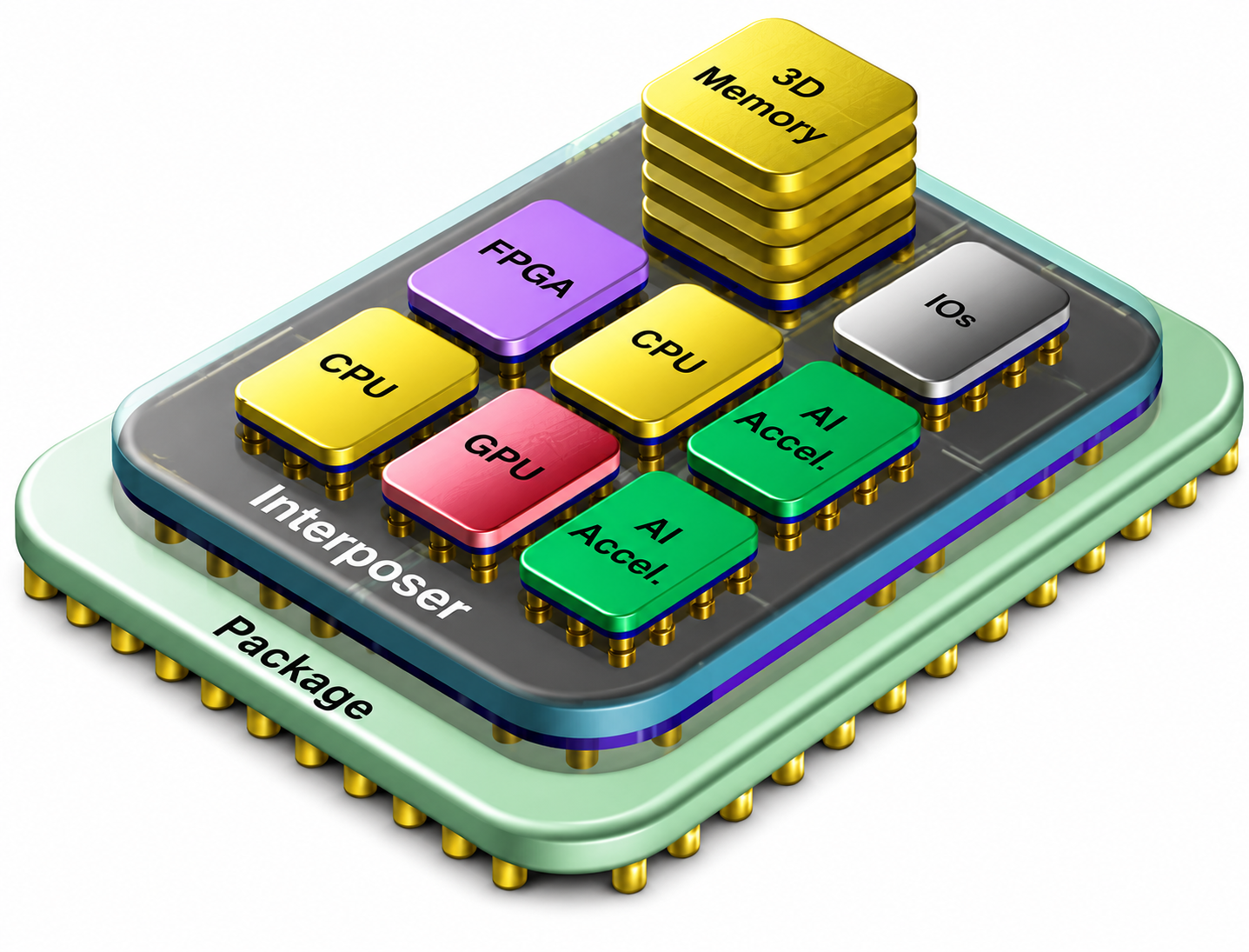
As artificial intelligence drives demand for increasingly powerful processors, many analysts now regard advanced packaging as one of the industry's next major technological frontiers not merely the final step in production.
Malaysia is positioning itself to benefit from that shift.
In 2024, the government launched the National Semiconductor Strategy (NSS), aiming to expand beyond conventional assembly into higher value activities such as advanced packaging, integrated circuit design, and semiconductor equipment manufacturing.
The strategy targets RM500 billion (about US$118 billion) in investments, the development of at least 10 Malaysian semiconductor companies with revenues between RM1 billion and RM4.7 billion (alongside 100+ firms valued near RM1 billion), and the training of 60,000 highly skilled engineers.
The industry already forms the backbone of Malaysia's exports. In 2025, electrical and electronics (E&E) products reached a record RM711.4 billion, with semiconductors and integrated circuits contributing approximately 65% of that total.
More Than Just "Made in Malaysia"
Seeing "Made in Malaysia" on a semiconductor product does not necessarily mean the processor itself was fabricated there.
More often, it means Malaysia completed one of the most critical stages of the manufacturing process, assembling, packaging, and testing the chip before it entered the global market.
The world's most advanced semiconductors may begin their journey elsewhere. But many of them are only ready for smartphones, AI servers, electric vehicles, and countless other devices after passing through Malaysia.
In today's semiconductor industry, being the place where a chip is finished can be just as strategically important as being the place where it is made.