


The passing of Sheikh Hamad bin Khalifa Al Thani, Qatar's former Emir, on 12 July 2026 marked the end of one of the most transformative leadership eras in the modern Middle East. Revered as the "Father Emir," Sheikh Hamad led Qatar from 1995 to 2013, overseeing its remarkable transformation from a relatively quiet Gulf state into one of the world's most influential economies and diplomatic players. While his legacy is often associated with the development of Qatar's liquefied natural gas (LNG) industry, the creation of Al Jazeera, and the successful bid for the 2022 FIFA World Cup, his influence also reached far beyond the Gulf—including Southeast Asia.
For ASEAN, Sheikh Hamad's leadership represented the beginning of a deeper strategic relationship with Qatar. Through energy cooperation, investment, diplomacy, aviation, and people-to-people exchanges, he laid the foundations for a partnership that continues to expand today.
A "Look East" Vision That Brought Qatar Closer to ASEAN
Soon after assuming power in 1995, Sheikh Hamad recognized that Qatar's future prosperity depended on diversifying both its economy and its diplomatic relationships. While maintaining close ties with Europe and the United States, he pursued a pragmatic "Look East" approach by strengthening engagement with the rapidly growing economies of Asia, particularly Southeast Asia.
During his reign, Qatar significantly expanded its diplomatic presence by opening resident embassies across ASEAN capitals including Jakarta, Kuala Lumpur, Singapore, Bangkok, Manila, and Hanoi. At the same time, Southeast Asian countries strengthened their diplomatic representation in Doha, reflecting growing political trust.
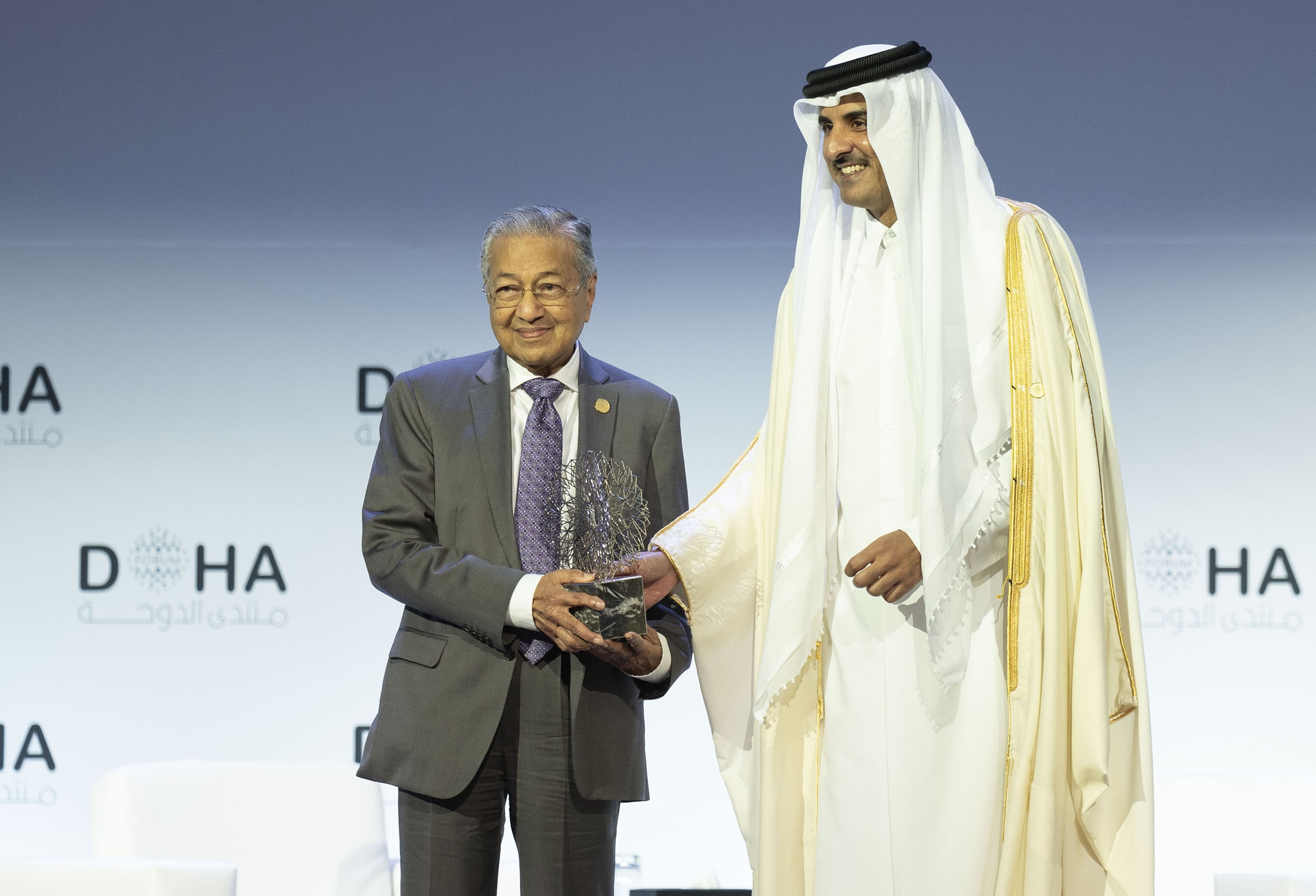
High-level visits became increasingly common. Indonesian presidents Megawati Soekarnoputri and Susilo Bambang Yudhoyono, Malaysian Prime Minister Dr. Mahathir Mohamad, and leaders from across the region visited Qatar, while Sheikh Hamad's own visits reinforced long-term cooperation agreements.
As current Emir Sheikh Tamim bin Hamad Al Thani remarked following his father's passing:
"The Father Emir devoted his life to building a modern Qatar founded on vision, development, and constructive engagement with the world."
Powering Southeast Asia's Economic Rise
Perhaps Sheikh Hamad's greatest contribution to ASEAN was energy security.
His ambitious expansion of Qatar's North Field, the world's largest natural gas reserve, transformed Qatar into one of the world's leading LNG exporters. As Southeast Asia industrialized during the 2000s, Qatar became a reliable supplier of cleaner energy to rapidly growing economies.
Long-term LNG agreements with companies such as Thailand's PTT, Singapore's energy sector, and buyers in the Philippines helped fuel manufacturing, electricity generation, and economic growth across the region.
Today, Qatar remains among the world's largest LNG exporters, while ASEAN continues to be one of the fastest-growing energy markets globally, home to more than 680 million people with steadily rising energy demand.
Investing Beyond Energy
Sheikh Hamad believed Qatar's energy wealth should create long-term global partnerships rather than simply generate export revenues.
In 2005, he established the Qatar Investment Authority (QIA), now one of the world's largest sovereign wealth funds with assets estimated at over US$500 billion.
Through QIA and related institutions, Qatar invested extensively across Southeast Asia. Singapore emerged as one of its most significant investment destinations, while Indonesia, Malaysia, and Vietnam attracted growing Qatari interest in infrastructure, telecommunications, finance, hospitality, and property development.
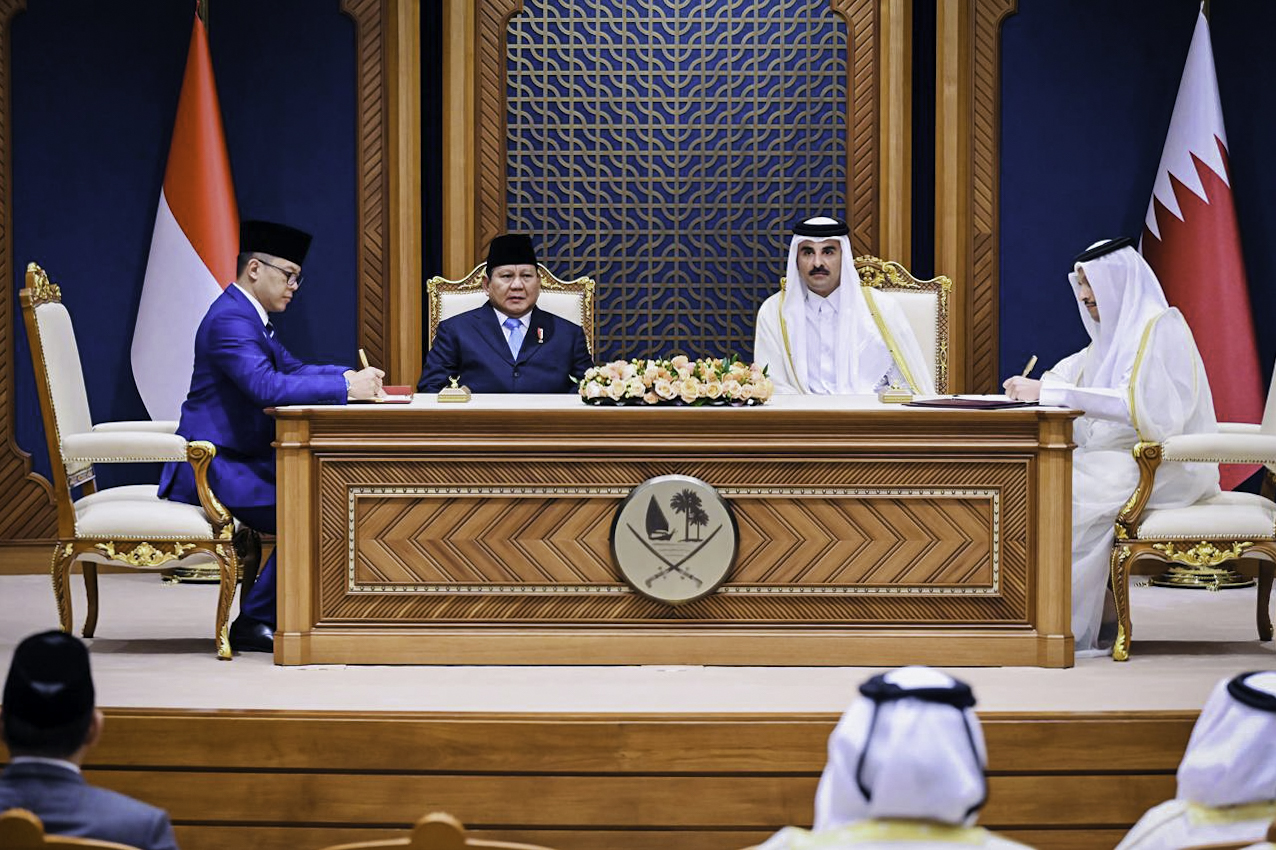
Indonesia also benefited from plans for joint investment initiatives, while bilateral discussions increasingly expanded into renewable energy, food security, logistics, and strategic infrastructure.
Building Bridges Through Aviation, Media, and People
Economic cooperation was complemented by stronger human connections.
The launch of Al Jazeera in 1996 introduced millions of Southeast Asians to an alternative international news perspective, with regional bureaux established in Kuala Lumpur and Jakarta that strengthened media engagement across the region.
At the same time, Qatar Airways expanded rapidly into Southeast Asia, connecting Doha with major ASEAN cities including Jakarta, Kuala Lumpur, Singapore, Manila, Bangkok, Ho Chi Minh City, and Denpasar. These routes boosted tourism, business travel, education, and labor mobility.
Hundreds of thousands of Southeast Asians—particularly from Indonesia and the Philippines—also contributed to Qatar's remarkable development, working across healthcare, construction, hospitality, aviation, and engineering sectors. Their contributions became an enduring human bridge between both regions.
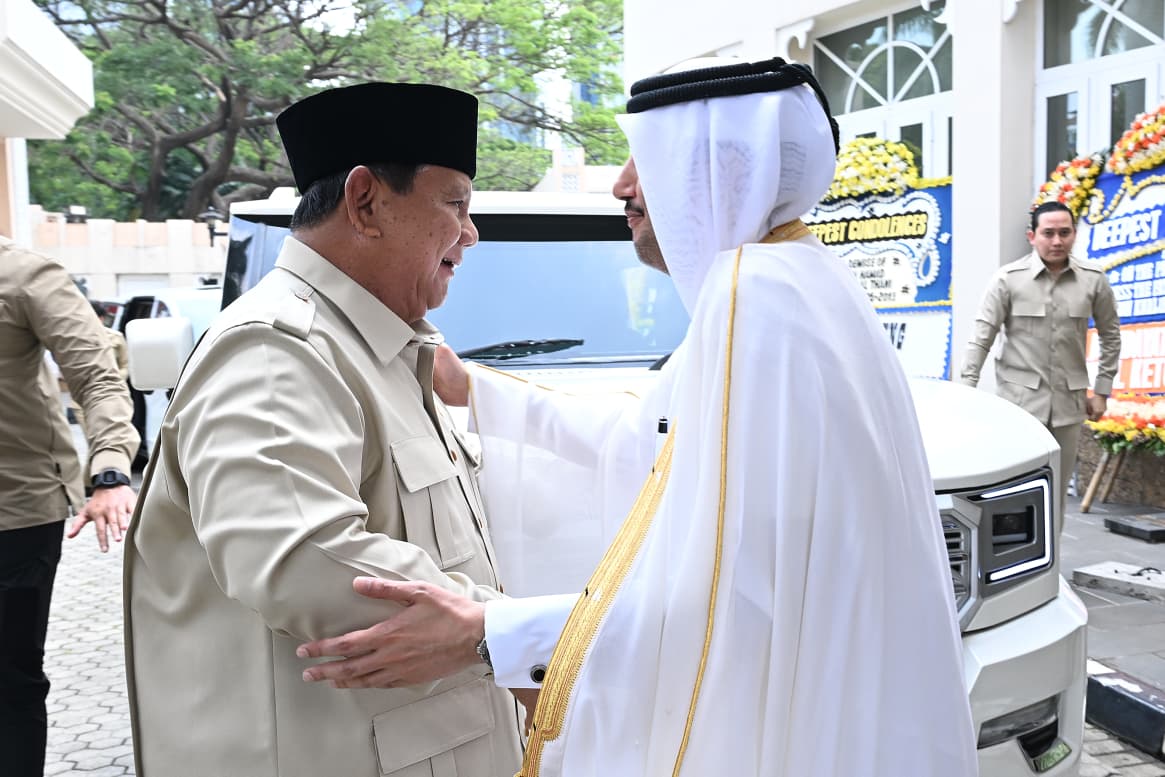
Indonesian President Prabowo Subianto, in offering condolences following Sheikh Hamad's passing, described him as:
"A visionary leader whose contributions to Qatar's modernization and international engagement earned the respect of leaders across the world."
A Partnership Ready for a New Chapter
While Sheikh Hamad's era established the foundations, Qatar's relationship with ASEAN has continued to evolve under the leadership of Emir Sheikh Tamim bin Hamad Al Thani.
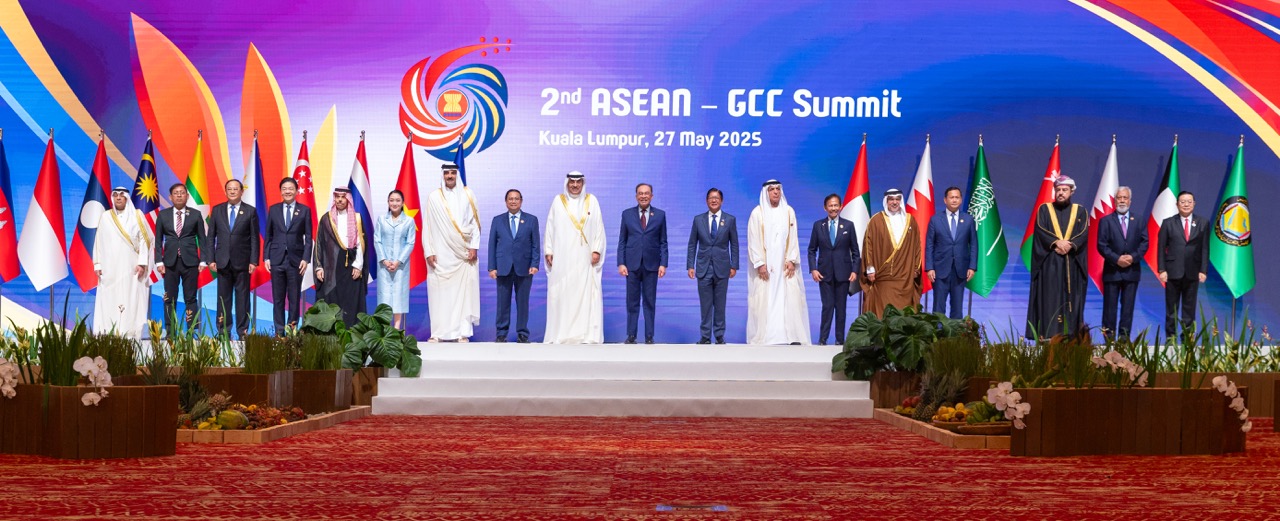
The partnership has gradually expanded beyond LNG into renewable energy, food security, digital infrastructure, artificial intelligence, Islamic finance, cybersecurity, education, and investment. Qatar has also become an active supporter of closer cooperation between the Gulf Cooperation Council (GCC) and ASEAN, culminating in regular summit-level engagement between the two regional blocs.
Rather than being defined solely by energy exports, Qatar and Southeast Asia are increasingly collaborating on innovation, sustainability, and economic diversification.
A Legacy That Continues to Shape the Future
The passing of Sheikh Hamad bin Khalifa Al Thani closed an extraordinary chapter in Qatar's history, but the institutions and partnerships he established continue to shape the country's engagement with Southeast Asia.
His vision transformed Qatar into a confident global player while building lasting bridges with ASEAN through diplomacy, investment, energy, aviation, and people-to-people exchanges. Three decades after he first championed closer engagement with Asia, those relationships remain stronger than ever, demonstrating that strategic partnerships built on mutual trust, shared prosperity, and long-term vision can endure well beyond the tenure of a single leader.


