If you've never watched a Muay Thai fight, your first reaction is probably: okay, this is basically boxing. You'd be wrong within about ten seconds.
Elbows come out. Knees find ribs. Fighters grab onto each other mid-exchange and start throwing from the clinch, something you'd never see allowed in a boxing ring. It's a sport Thailand has been sharpening for centuries, and lately it's stopped being something you only watch in a Bangkok stadium.
People are flying in from all over the world just to train in it, fight in it, and live inside the culture around it for a few weeks. Thailand noticed, and it built an entire industry around them.
More Than 5,000 Gyms
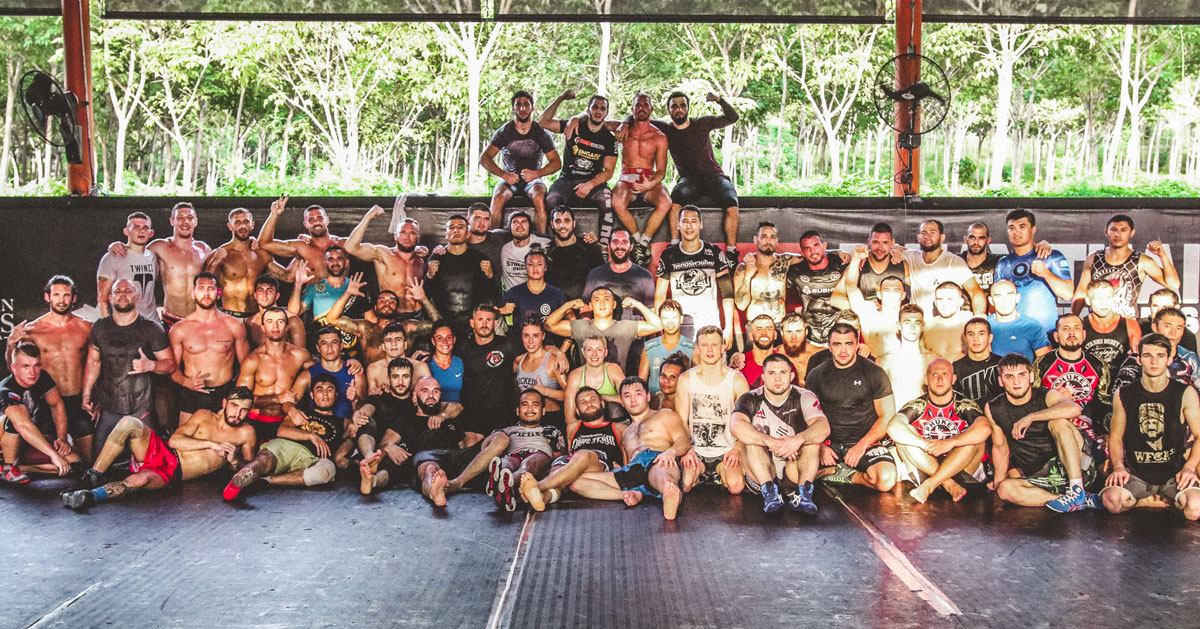
Thailand now counts more than 5,000 Muay Thai gyms and training camps, according to the Thai government, many of them built specifically with foreign students in mind.
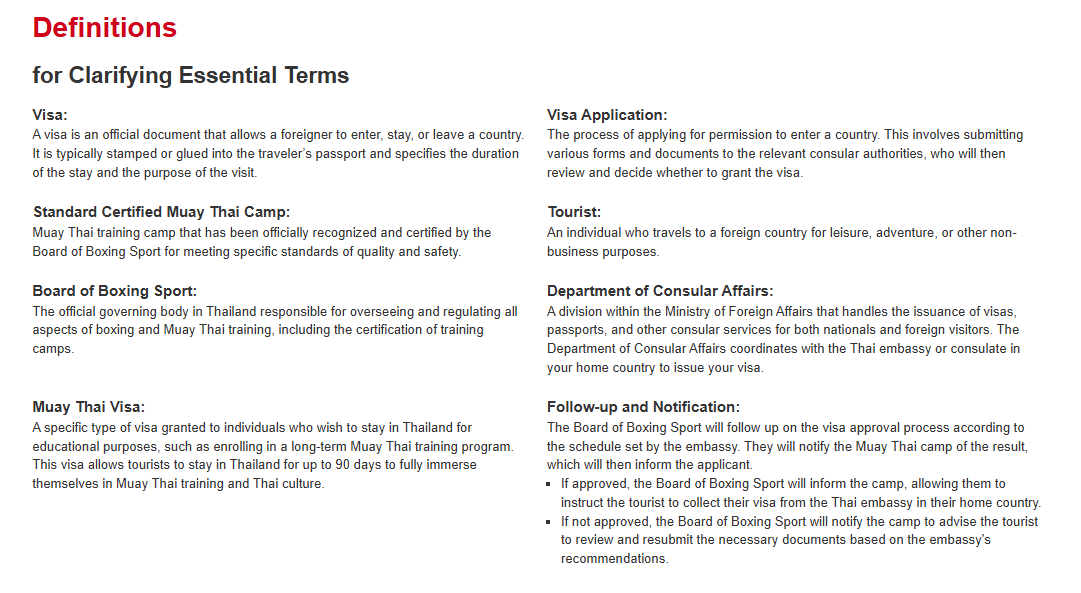
There's even a 90 day visa now, specifically for people coming to train, a lot longer than what a normal tourist visa gives you. It makes sense once you think about what someone actually spends while they're at a training camp for weeks, rent, food, transport, side trips on rest days, all of it stacking on top of the gym fees.
The numbers back up the ambition. Thailand's Ministry of Labor put the value of Muay Thai-related industries at more than 100 billion baht, roughly US$3 billion in 2024. The government has also been rolling out professional certification for trainers, with testing centers now open across the country.
Foreigners Are Already Part of It
You can see how much of this business is now built around foreigners even outside the normal fight calendar.
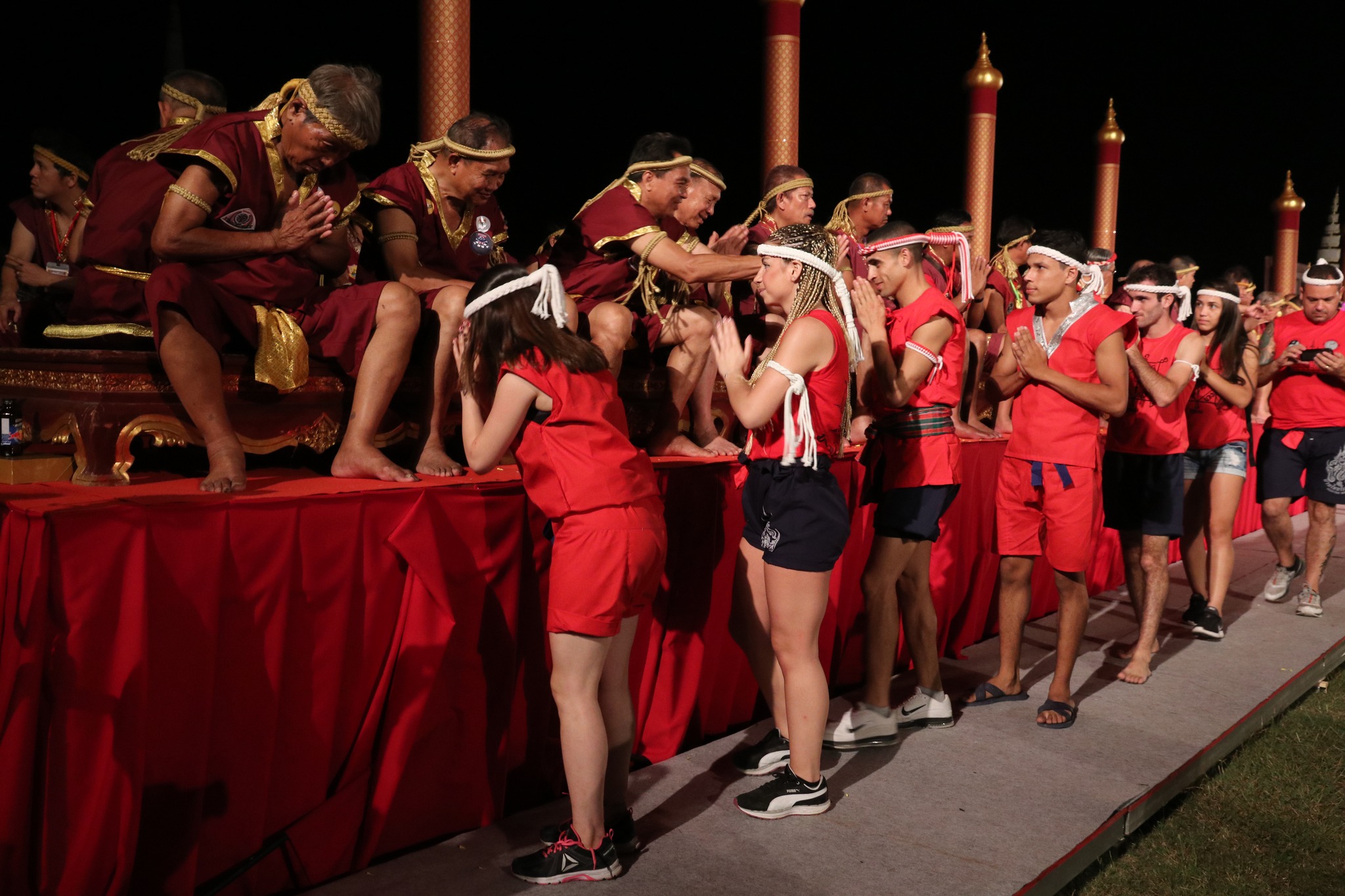
At the 2025 World Wai Kru Muay Thai Ceremony in Ayutthaya, organizers were expecting more than 5,300 people to show up, 1,800 of them from other countries, with the event projected to bring in about 158 million baht, roughly US$4.8 million for the local economy.
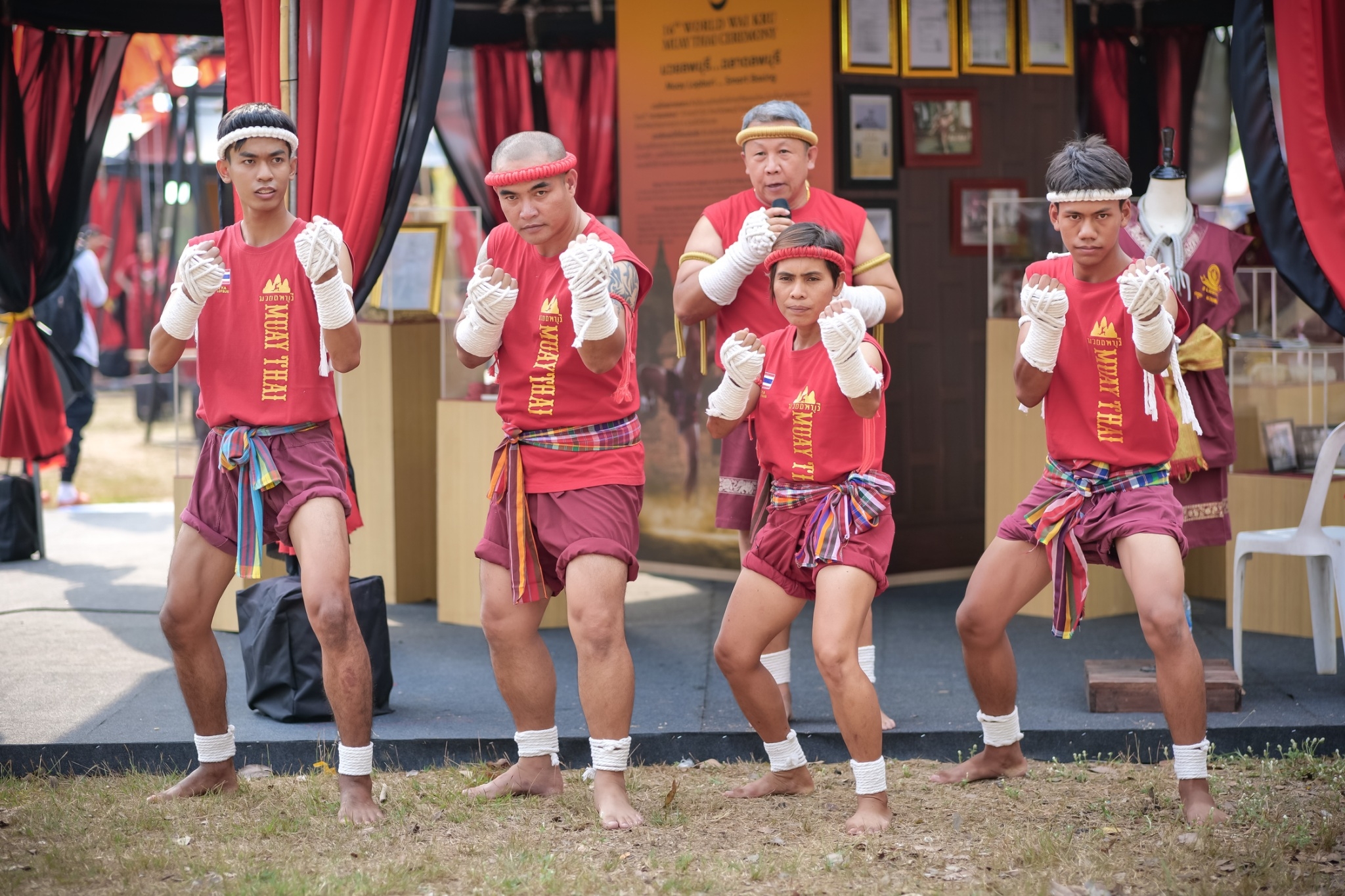
Part of what pulls people in is the Wai Kru itself, the ritual where fighters kneel and pay respect to their teachers before stepping into the ring. Go to Thailand for Muay Thai now and you're not just booking pad rounds and sparring sessions. You're signing up for a ceremony, a bit of history, and a crash course in Thai tradition along the way.
Bangkok Isn't the End of the Business
Thailand's government has stopped treating Muay Thai as something foreigners have to fly over for. Increasingly, they'd rather send it to where the foreigners already are.
Back in 2024, the Cabinet approved 275.65 million baht, about US$8.4 million for what it calls the Muaythai Soft Power Project. The targets attached to that budget are oddly specific. 6,032 Thai fighters, 4,520 foreign fighters, 700 Thai trainers, 120 foreign trainers, 500 standardized camps inside Thailand, and another 50 abroad.
By the government's own math, all of that could generate around 2.334 billion baht, roughly US$70.7 million in economic value, while getting Muay Thai known in 190 countries. None of that money goes to prize money, either.
It's spent on running competitions, promoting the sport overseas, and building out the training and certification system that's supposed to keep quality consistent as the sport scales up.
The Business Is Moving Overseas
In 2025, the government announced plans to open more training camps overseas, particularly in Europe, Latin America, and North America, while also pushing Thai-made boxing gear and clothing into new markets.
Films, TV shows, and games are on the list too, as ways to reach people who'll probably never set foot inside a gym but might still buy a pair of Muay Thai shorts because they saw them somewhere.
The strategy continued in 2026 with the Amazing MuayThai Festival, held in Hua Hin from 4-7 February. The four day event brought together Muay Thai competitions, training sessions, traditional ceremonies, exhibitions and local products.
Before the event, Thailand's Tourism Authority estimated that it could attract more than 18,000 visitors and generate around 214 million baht, or about US$6.5 million, in economic activity.
At the center of all this is still just two people in a ring, trading elbows and knees. But everything Thailand has built around that, the gyms, the trainers, the visas, the festivals, the export plans is what turns a centuries-old fighting art into a business that keeps running long after the final bell.