In the late 1980s, Taiwan needed heavyweight torpedoes for two submarines it had acquired from the Netherlands.
It eventually obtained around 200 German designed AEG SUT 264 torpedoes from Indonesia's licensed production line, in a transaction reported to have involved cash, landing craft and 100,000 tons of rice.
The deal connected three countries through a weapons production arrangement that began with German technology, continued through Indonesian licensed manufacturing, and ended with Taiwan becoming a major SUT user.
Indonesia Built the SUT Under License
The SUT, short for Surface and Underwater Target, is a 533 millimeter heavyweight torpedo originally developed by Germany's AEG and manufactured under the Atlas Elektronik brand (now a subsidiary of TKMS, ThyssenKrupp Marine Systems)
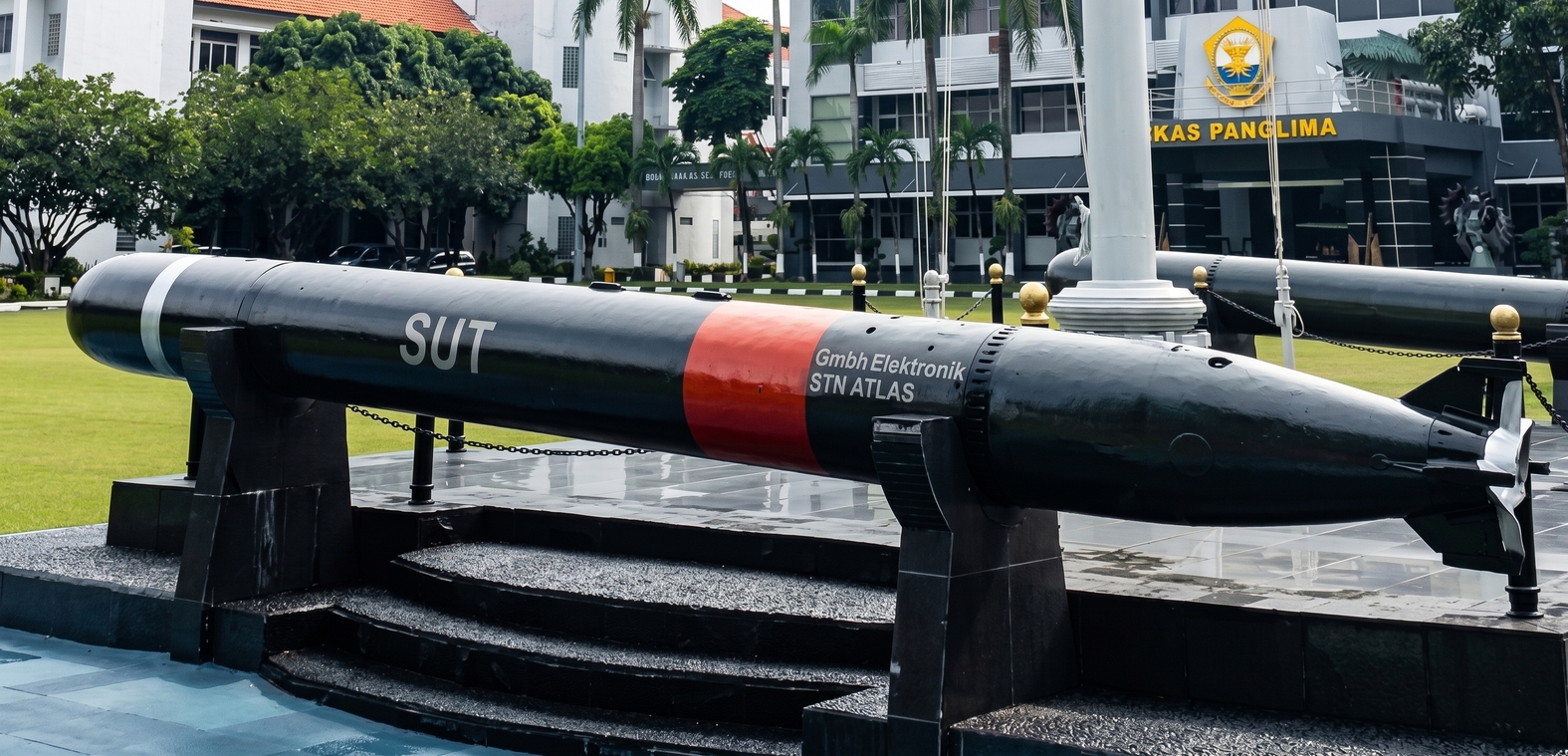
Indonesia signed an agreement in 1986 to obtain a license for long term domestic production, establishing a production line with Indonesian participation. Forecast International records a Taiwanese order for 200 SUT Mod 2 torpedoes placed in 1988.
The SIPRI Arms Transfers Database dates the delivery of the 200 torpedoes from Indonesia's production line to 1998. Indonesia's defense industry authorities identify PT Dirgantara Indonesia (PTDI) as the manufacturer of the SUT.
Its current specifications list a length of 6.15 metres, a diameter of 533 millimeters, a combat weight of about 1,414 kilograms and a 255 kilogram warhead. The torpedo uses an electric motor and can be launched against both surface ships and submarines.
According to Indonesia's defense industry policy body KKIP, PTDI's SUT capability has also supplied torpedoes to South Africa, in addition to Indonesia and Taiwan.
Taiwan Needed a Torpedo Supplier
Taiwan's requirement was linked to its Hai Lung-class, also known as Chien Lung-class, submarines.
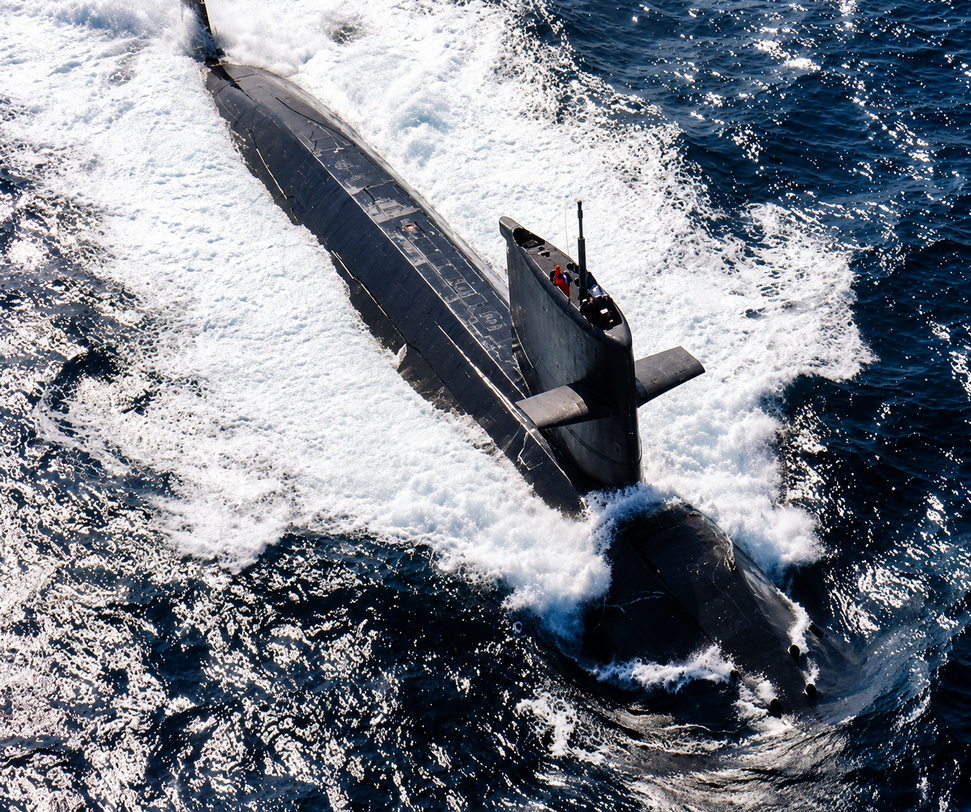
Taiwan purchased two of the diesel electric submarines from the Netherlands in the 1980s. The vessels were based on the Dutch Zwaardvis design and were equipped with German designed SUT compatible systems.
However, according to defense reporting, the original Dutch submarine deal reportedly did not include the SUT torpedoes. Taiwanese officials therefore searched for another supplier and eventually turned to Indonesia, which had a licensed SUT production capability.
The resulting arrangement reportedly provided Taiwan with approximately 200 torpedoes. Sources describe the compensation as a combination of cash, landing craft and 100,000 tons of rice.
The Torpedoes Later Saw Live Fire Tests
The SUT eventually became part of Taiwan's submarine weapons inventory.
In September 2003, Taiwan fired an SUT during the Hankuang No. 19 military exercise. The torpedo's control wires broke and the weapon went out of control before being recovered from a beach in Yilan County about four hours later.
Taiwan conducted additional tests the following month. On October 14, 2003, a live fire test in Pingtung involved two SUTs. One experienced a similar control problem, while the second successfully destroyed a decommissioned Yang-class destroyer used as the target.
The SUT remained in Taiwan's inventory for decades. By 2021, Taiwan was reported to have approximately 200 Indonesian made SUT torpedoes, while the United States had approved the sale of 46 Mk 48 heavyweight torpedoes to Taiwan as a newer weapon for its submarine fleet.
The transaction therefore linked German torpedo technology, Indonesia's licensed defense manufacturing and Taiwan's submarine requirements in one unusual cross border deal, one in which cash, landing craft and 100,000 tons of rice were reportedly part of the compensation for Indonesian produced torpedoes.