Thailand once found itself in the bizarre position of having a submarine under construction that could not be completed because it did not have the engine originally specified for it.
The submarine is the S26T, a Chinese built diesel electric submarine based on China's Type 039A Yuan class. Thailand ordered one from China in 2017 for 13.5 billion baht, roughly US$417 million at the time. It was intended to become the Royal Thai Navy's first submarine in more than seven decades.
Then the engine became a problem.
The Engine was German
Under the original agreement, the S26T was supposed to use MTU 396 diesel engines, manufactured by German company MTU.
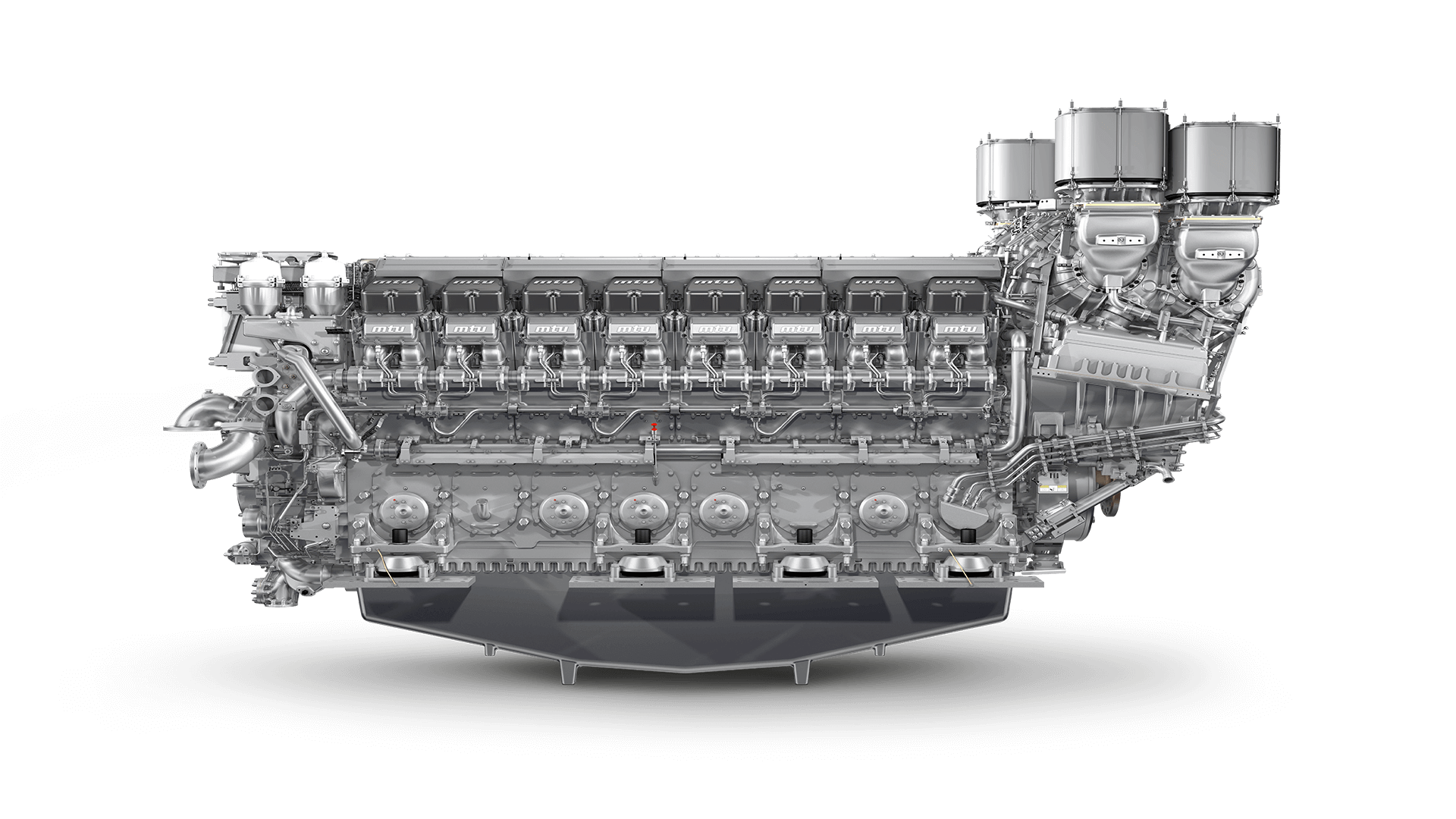
But there was a major complication, the submarine was being built in China. Germany refused to authorize the export, citing a European Union arms embargo on China that has been in place since 1989, following the Tiananmen Square crackdown, according to Baird Maritime and The Diplomat.
The embargo restricts the sale of military equipment and related components to China and Berlin classified the MTU 396, destined for a Chinese built submarine, as falling under that restriction. As a result, China could not obtain the engines specified in Thailand's original contract.
The dispute eventually brought construction to a standstill.
By 2022, reports said the submarine was being assembled without its promised German engines, while Thailand and China remained stuck over what should replace them.
Thailand had paid for a submarine whose construction could not proceed as originally contracted because its propulsion system could not be supplied.
Why Couldn't They Just Install Another Engine?
A submarine's diesel engines aren't exactly interchangeable like a car engine.
The propulsion system has to fit the vessel's physical dimensions, electrical architecture, cooling systems, fuel systems and control systems. Changing the engine can therefore require modifications to the submarine itself, as well as additional testing and certification.
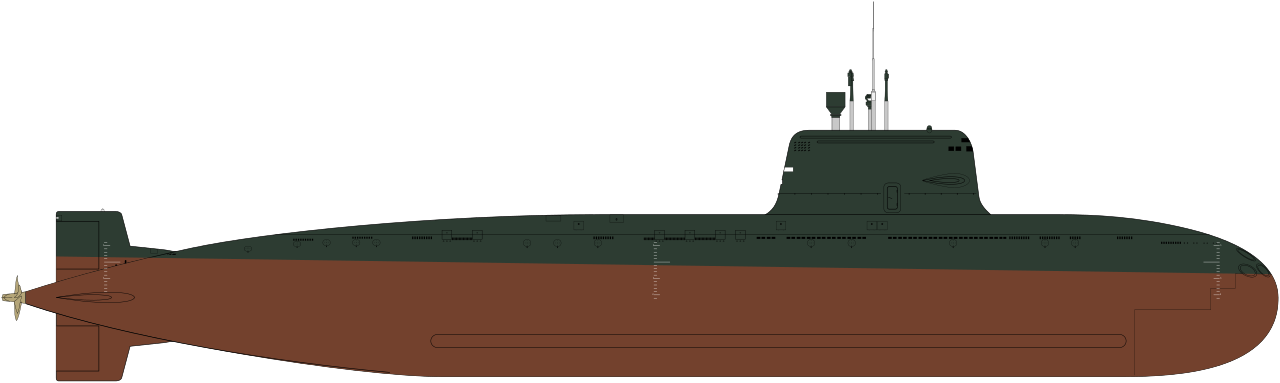
China eventually proposed its own solution: the CHD620, a Chinese built diesel engine.
But Thailand was initially reluctant to accept the substitution. The dispute dragged on for years, contributing to the project's prolonged delay.
Thailand Finally Changed Its Mind
The deadlock finally began to break in 2025.
On August 5, Thailand's Cabinet approved an amendment allowing the S26T to use Chinese made CHD620 engines instead of the German MTU 396. The amendment also extended the construction period by 1,217 days, or roughly 40 months.
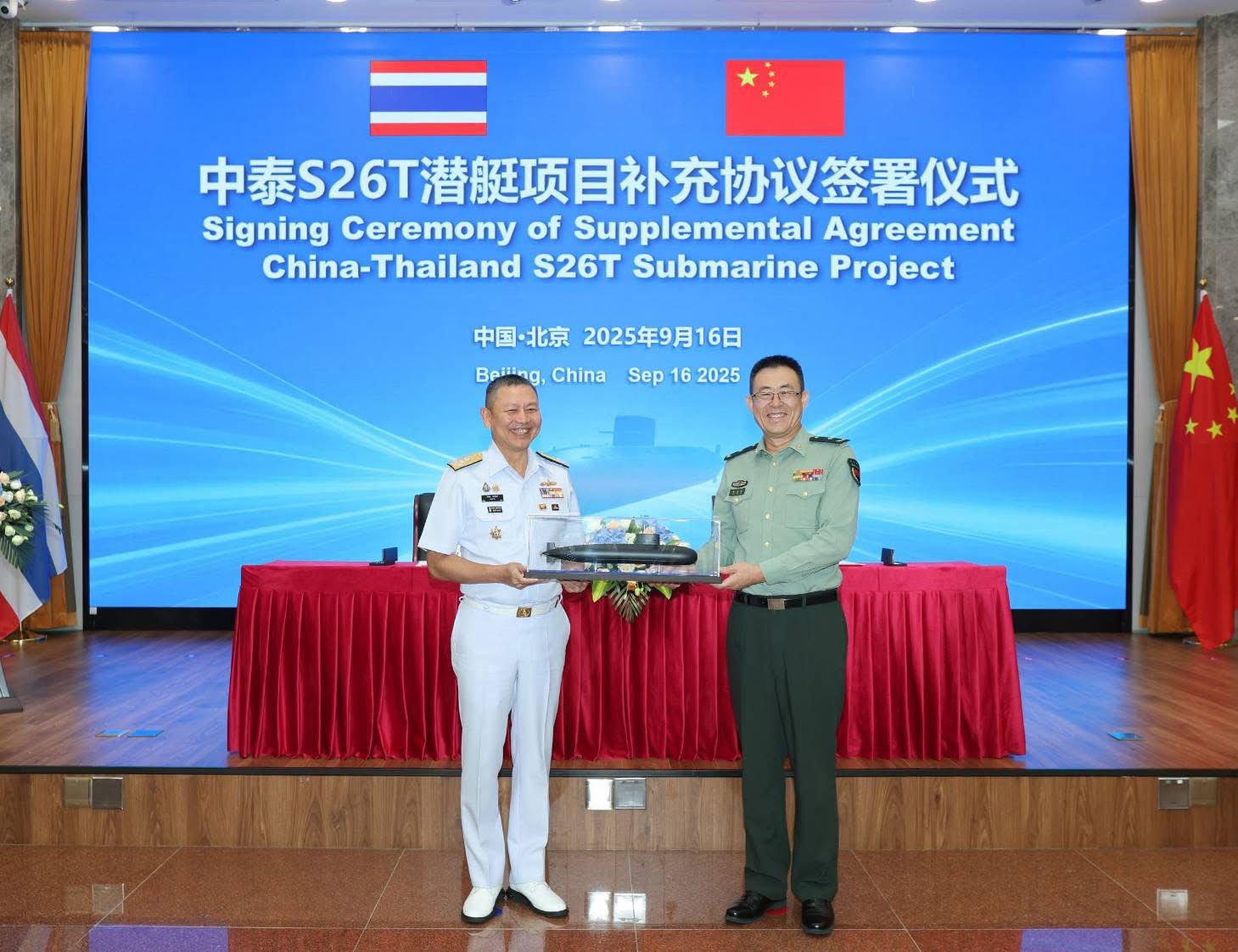
Thailand and China subsequently signed the amended agreement in Beijing on September 16, 2025, according to the Royal Thai Navy's official announcement. The revised contract set delivery for the end of 2028, and the S26T project could finally move forward.
The engine dispute wasn't the only problem the programme had faced. Thailand originally wanted to acquire three S26T submarines, but budget constraints eventually reduced the order to just one vessel, contracted for 13.5 billion baht.
Construction itself had already begun years earlier, the submarine's keel was laid in September 2019 at Wuchang Shipbuilding's yard in Wuhan, but the engine dispute became the biggest obstacle standing between that early progress and completion.
A Submarine Caught Between Three Countries
the submarine effectively became caught between Thailand, China and Germany.
Thailand ordered the vessel from China, China was responsible for building it.
But part of the original propulsion system depended on technology from Germany, and Germany's export restrictions prevented that component from reaching the Chinese built submarine.
The result was a military procurement project where one missing component was capable of delaying an entire submarine programme for years. Now, with the German engine requirement removed and the Chinese CHD620 selected instead, construction has resumed.
If everything stays on schedule, Thailand is expected to finally receive its long delayed S26T submarine by the end of 2028. So, yes, Thailand really did end up with a submarine project that spent years stuck over an engine.