When Australia announced in 2021 that it would acquire nuclear powered submarines under the AUKUS partnership with the United States and the United Kingdom, the decision immediately drew attention across Southeast Asia.
That reaction was understandable.
Australia sits just south of Southeast Asia, and any major military modernization by one of the region's closest neighbors naturally attracts attention.
A New Submarine, A Familiar Concern
Several Southeast Asian governments also expressed concerns about the agreement's potential impact on regional security and the global nuclear non proliferation regime.
For many people, however, one phrase overshadowed everything else:
"Nuclear submarine."
It sounded as if Australia was preparing to deploy submarines carrying nuclear weapons. But that is not what Australia is buying.
Four Letters, Four Very Different Submarines
Military submarines are commonly identified by a series of letters.
1. Diesel Electric Submarine (SSK)
The SSK is a conventional diesel electric attack submarine. Its main limitation is endurance, it must surface or snorkel periodically to recharge batteries, which caps how long it can stay hidden.
Modern designs may also use Air Independent Propulsion (AIP) or advanced lithium ion batteries, allowing them to remain underwater much longer than earlier generations.
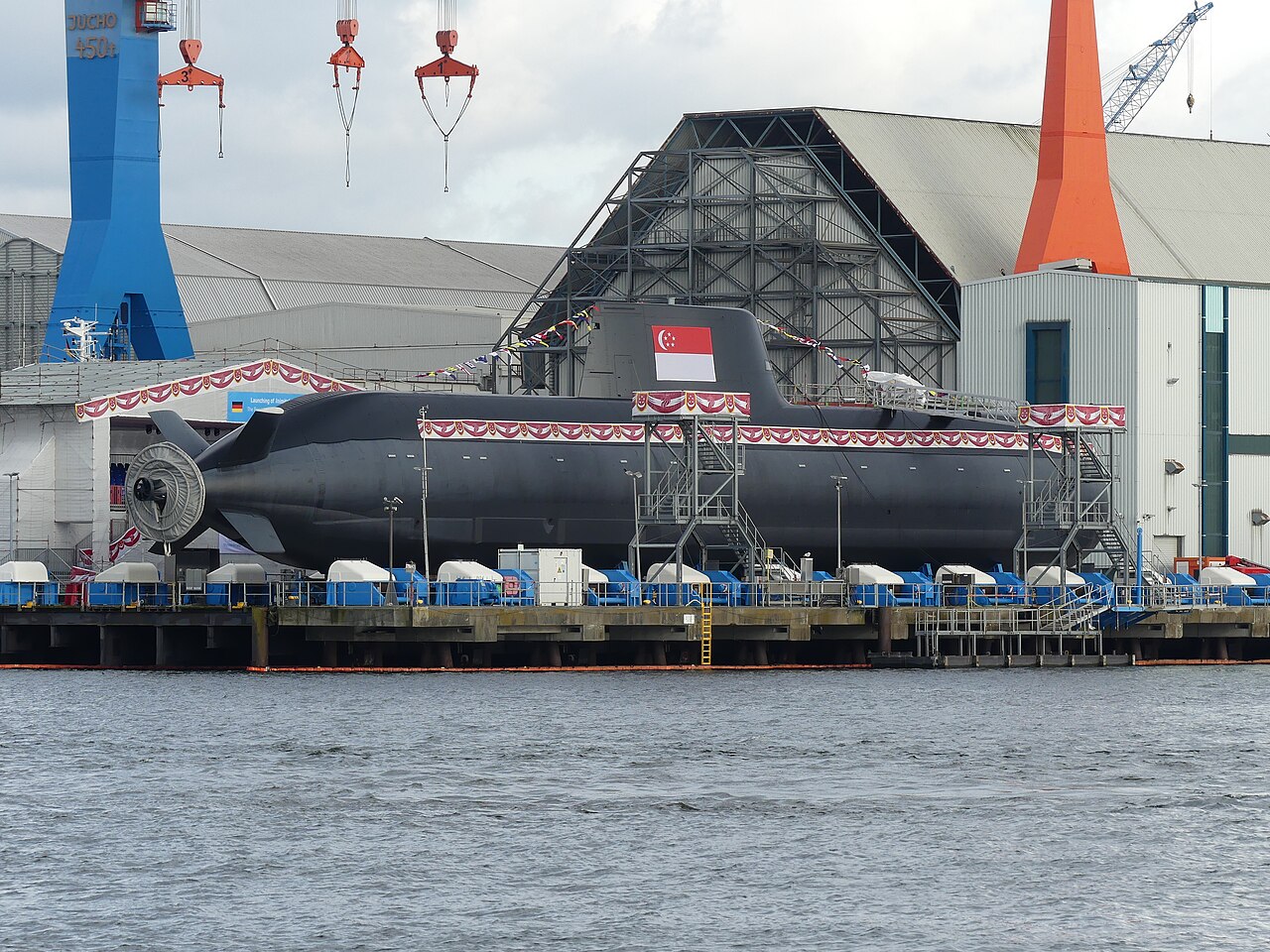
Indonesia, Singapore, Malaysia, and Viet Nam all operate submarines in this category.
2. Nuclear-powered General-purpose Attack Submarine (SSN)
The SSN is a nuclear powered attack submarine. Instead of diesel engines, it uses a nuclear reactor to generate power, enabling it to stay at sea for extended periods without refueling.
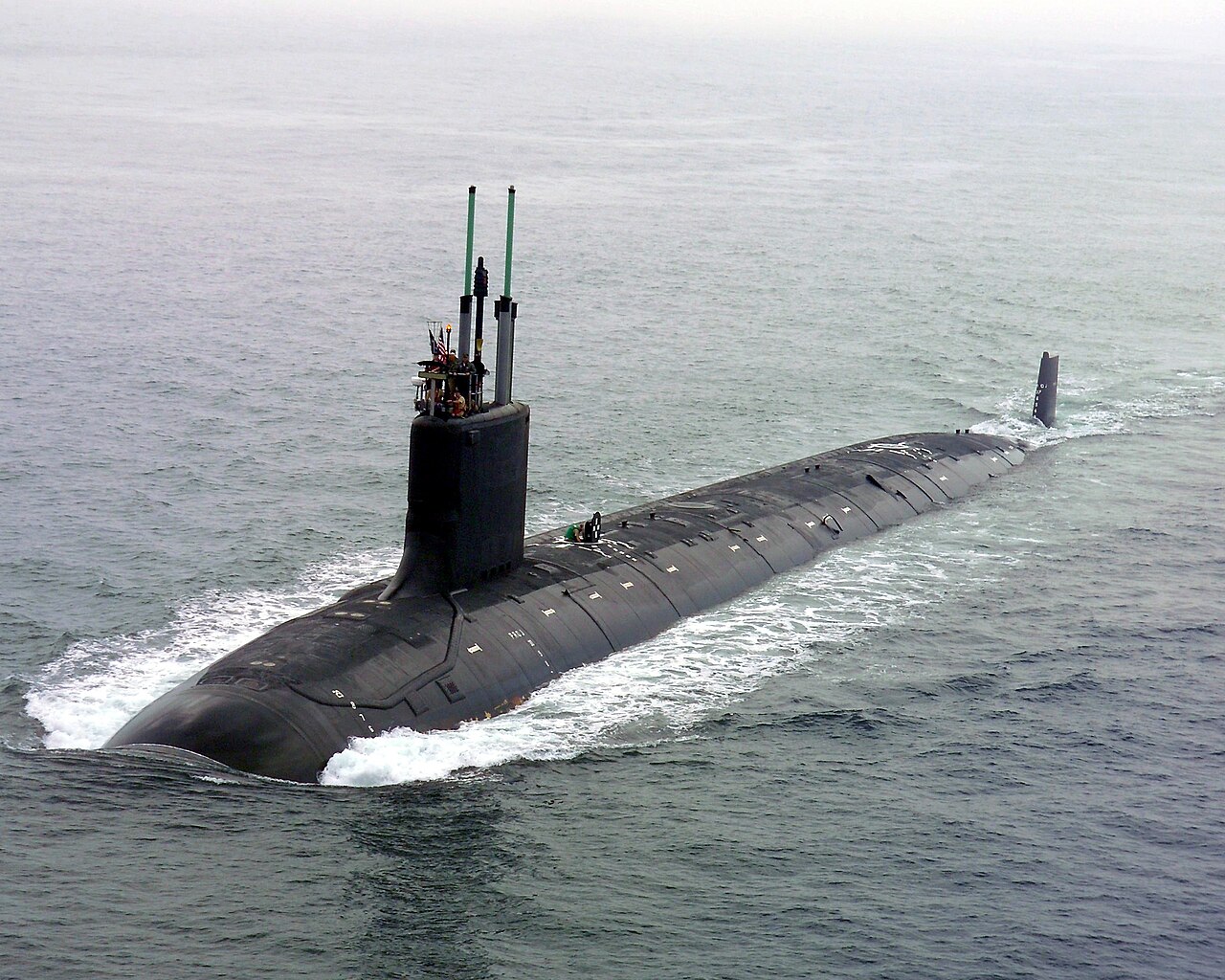
Its primary missions include anti submarine warfare, anti surface warfare, intelligence gathering, surveillance, and escorting naval task groups.
3. Ballistic Missile Submarine (SSBN)
Then there is the SSBN, or ballistic missile submarine.
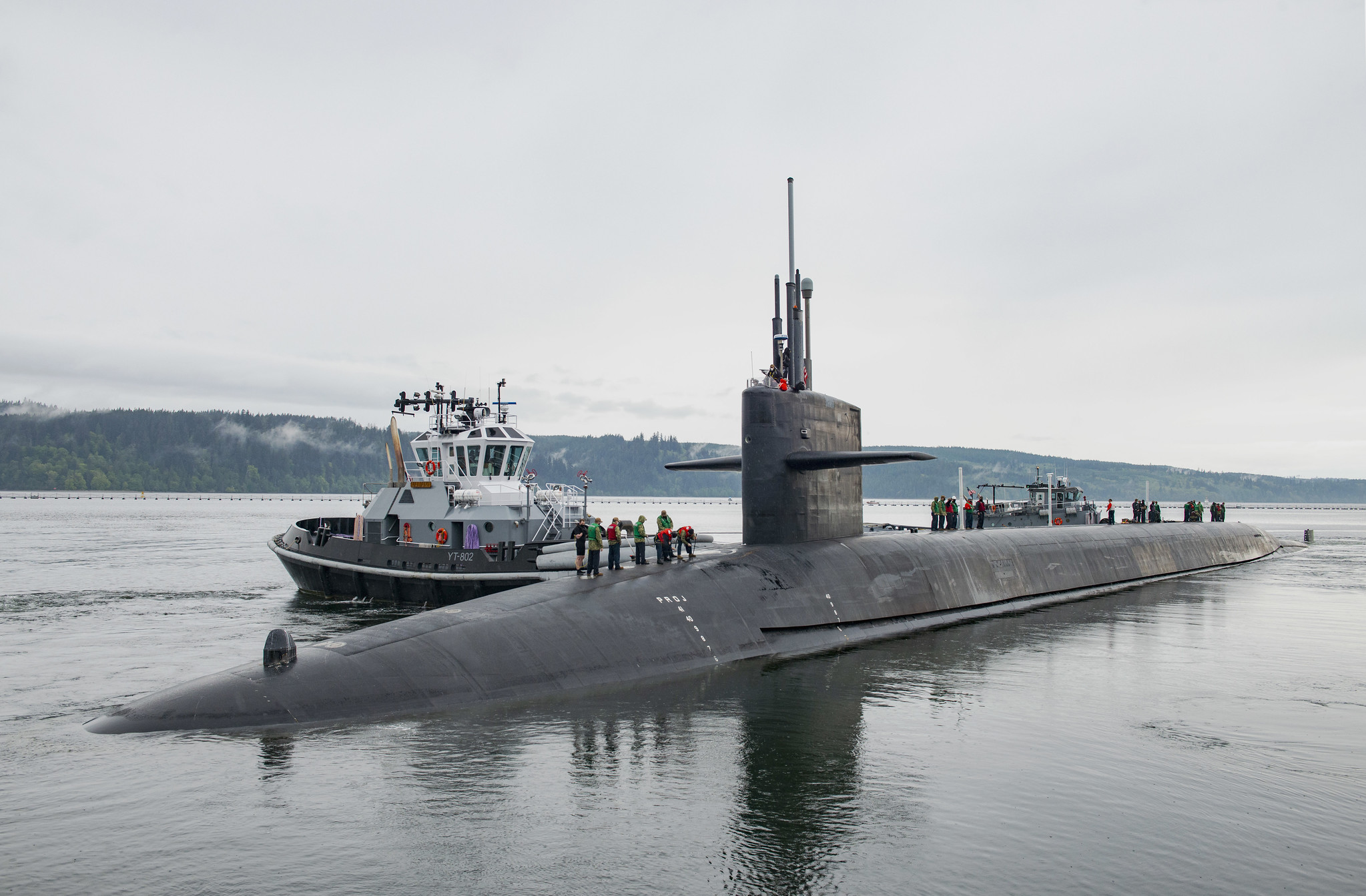
This is the type specifically built to carry submarine launched ballistic missiles, which are typically equipped with nuclear warheads. Its job is deterrence, staying hidden at sea for months at a time so a country retains the ability to strike back even after an attack.
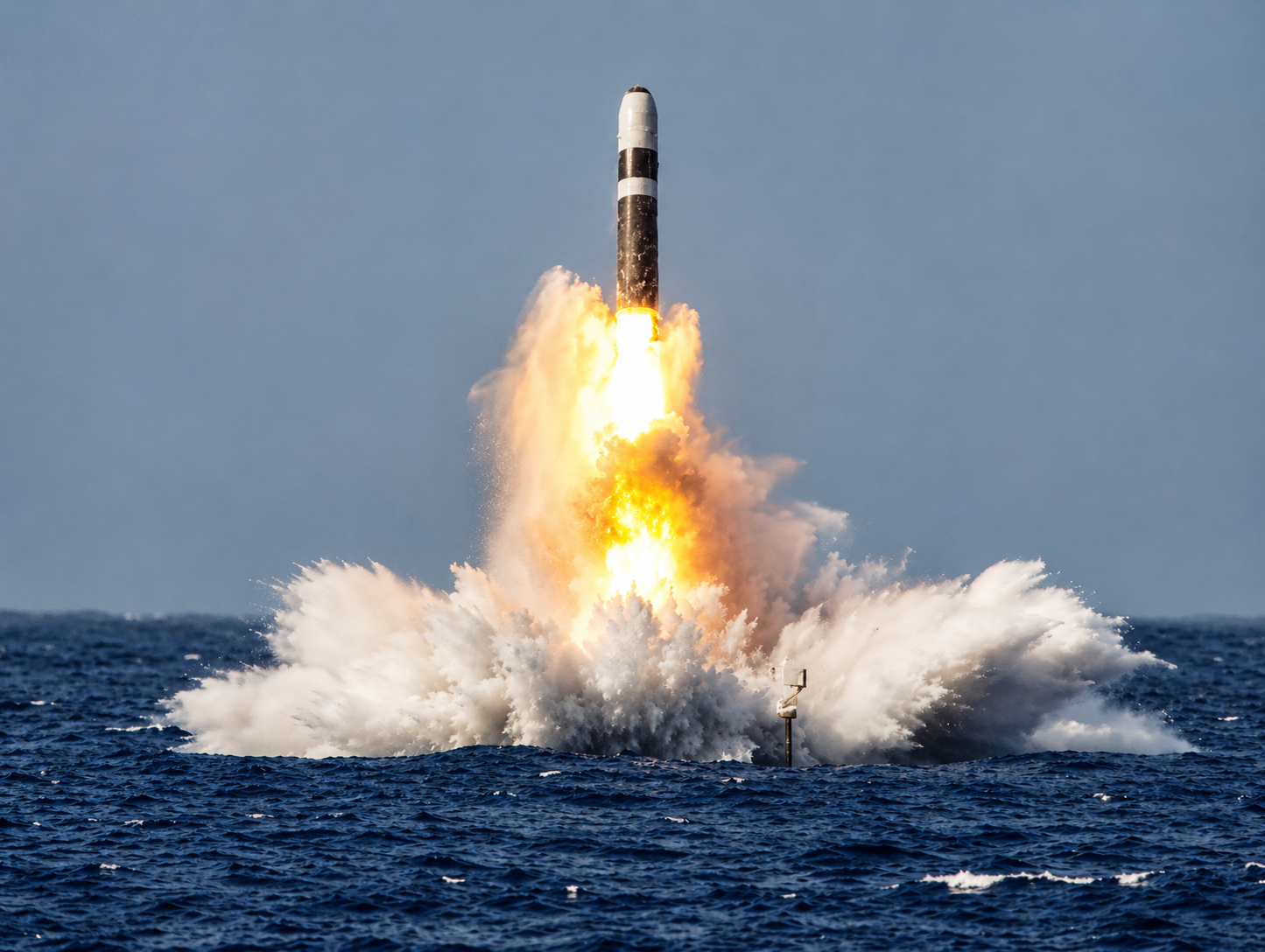
These submarines form part of the nuclear deterrent maintained by countries such as the United States, the United Kingdom, France, Russia, China, and India.
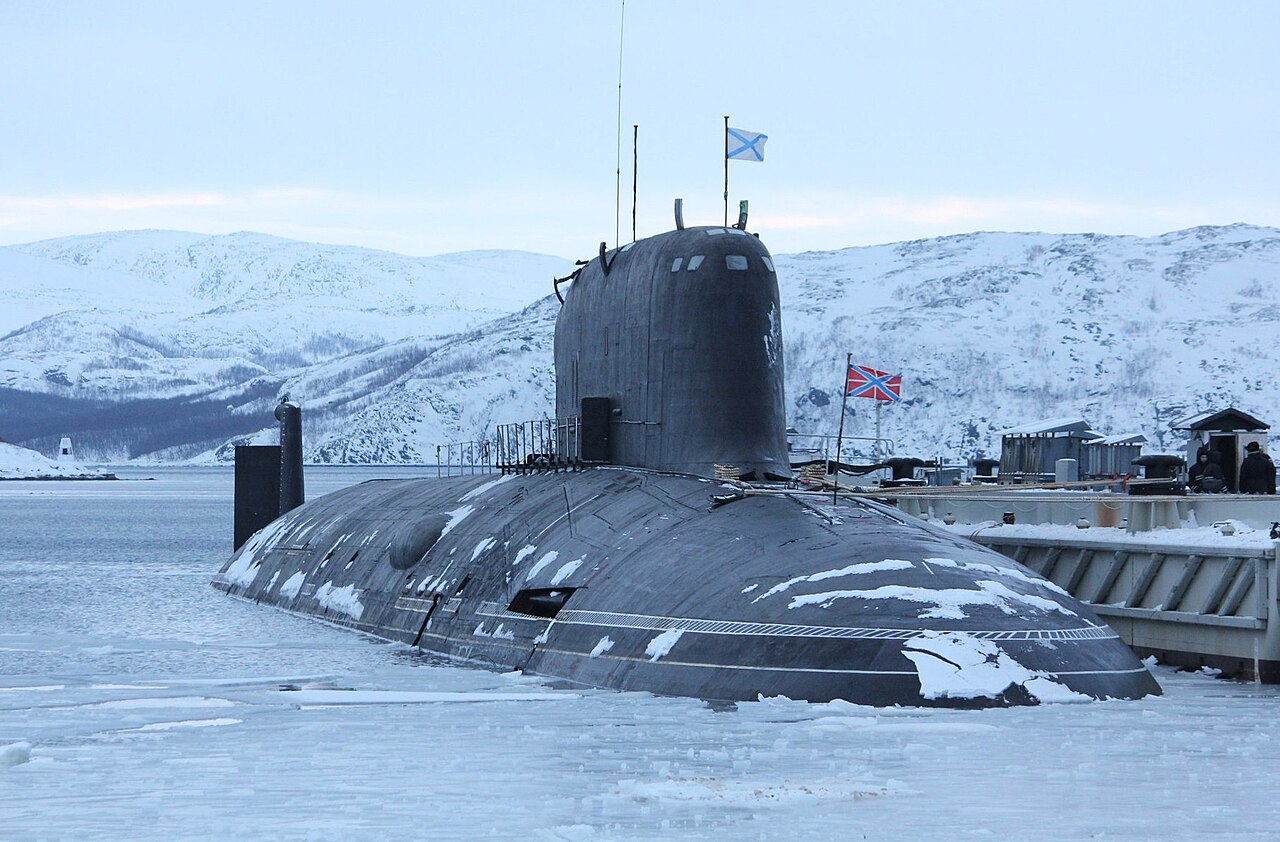
4. Cruise Missile Submarine (SSGN)
Finally, the SSGN carries long range cruise missiles, generally armed with conventional warheads, for precision strikes against land and maritime targets.
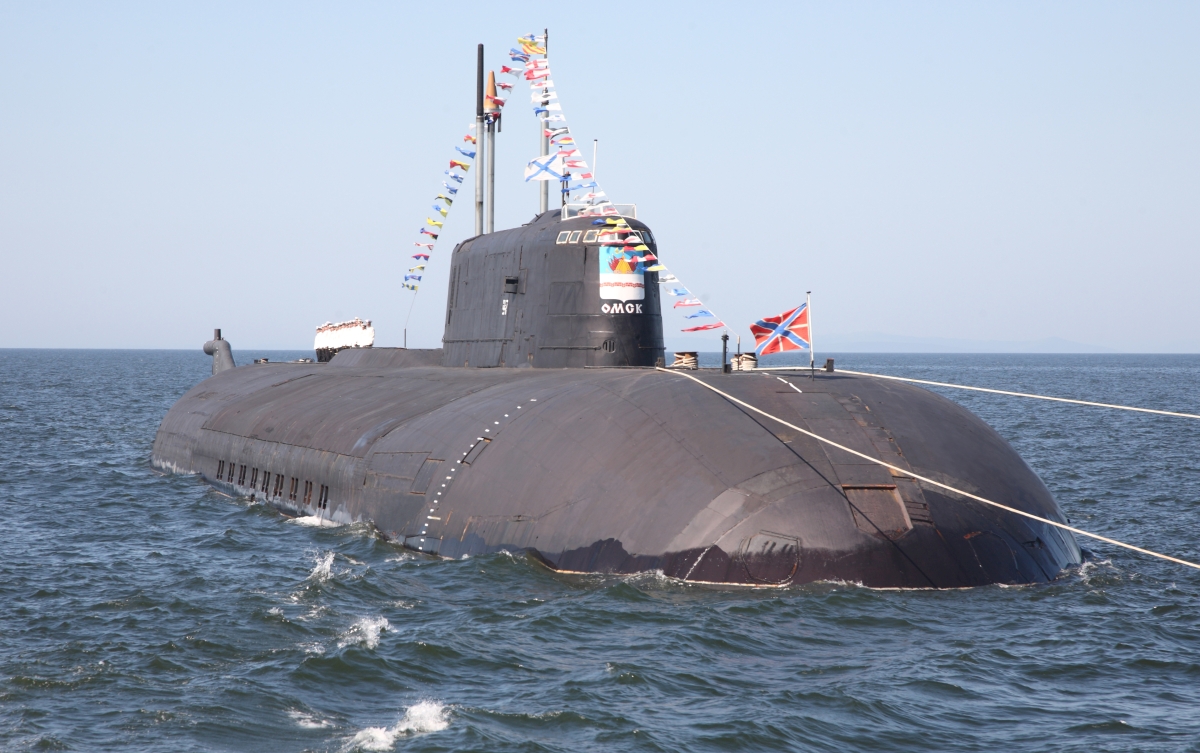
Unlike the SSBN's deterrence role, the SSGN is built for direct offense. Russia's modernized Oscar class submarines, for instance, are being upgraded to carry up to 72 Kalibr cruise missiles, a weapon often compared to the U.S. Navy's Tomahawk for its long range, precision land attack capability.
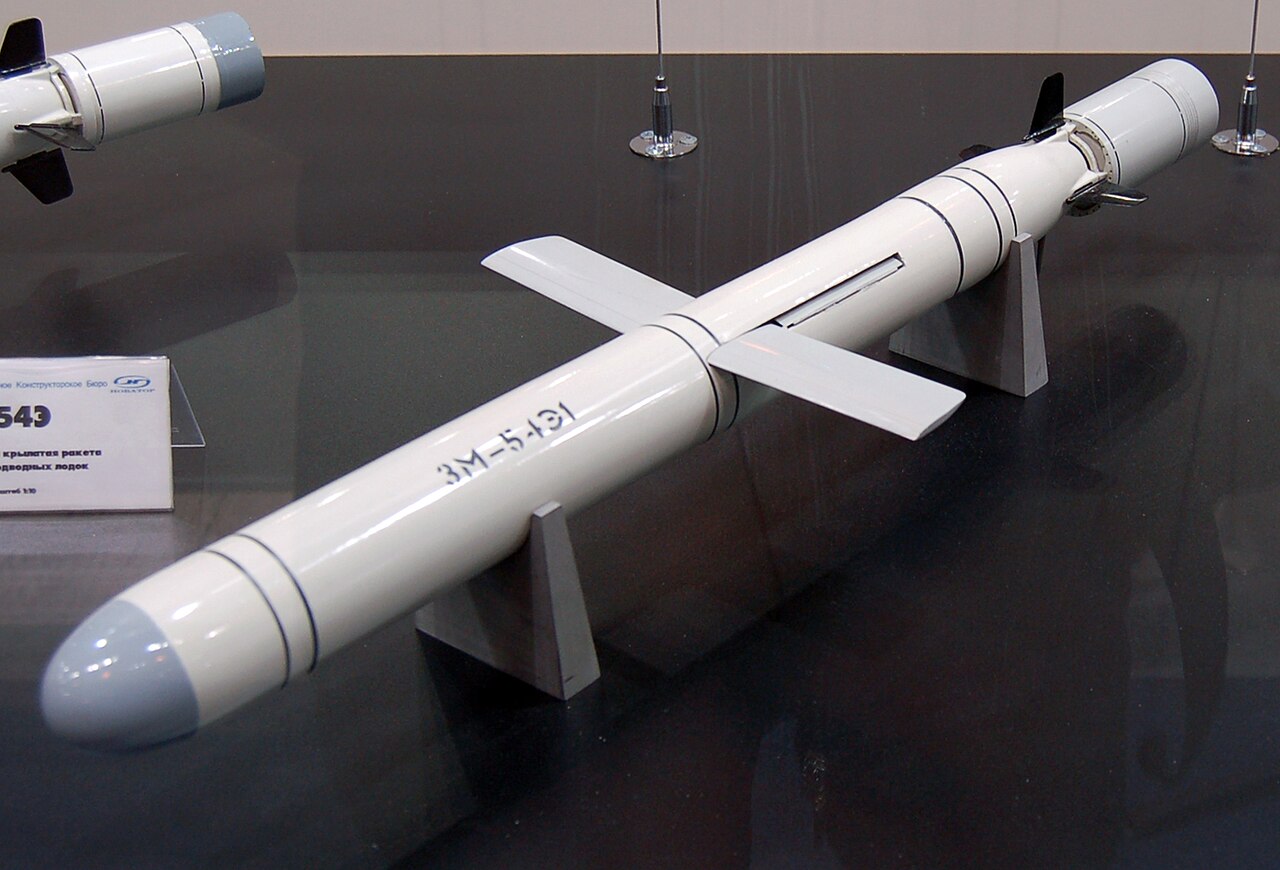
Despite their similar abbreviations, these submarines perform very different missions.
Which One Is Australia Buying?
Australia is acquiring SSNs, not SSBNs.
Under the AUKUS Optimal Pathway, Australia's long term objective is to operate the future SSN-AUKUS class. A new nuclear powered attack submarine being jointly developed with the United Kingdom and supported by technology from the United States.
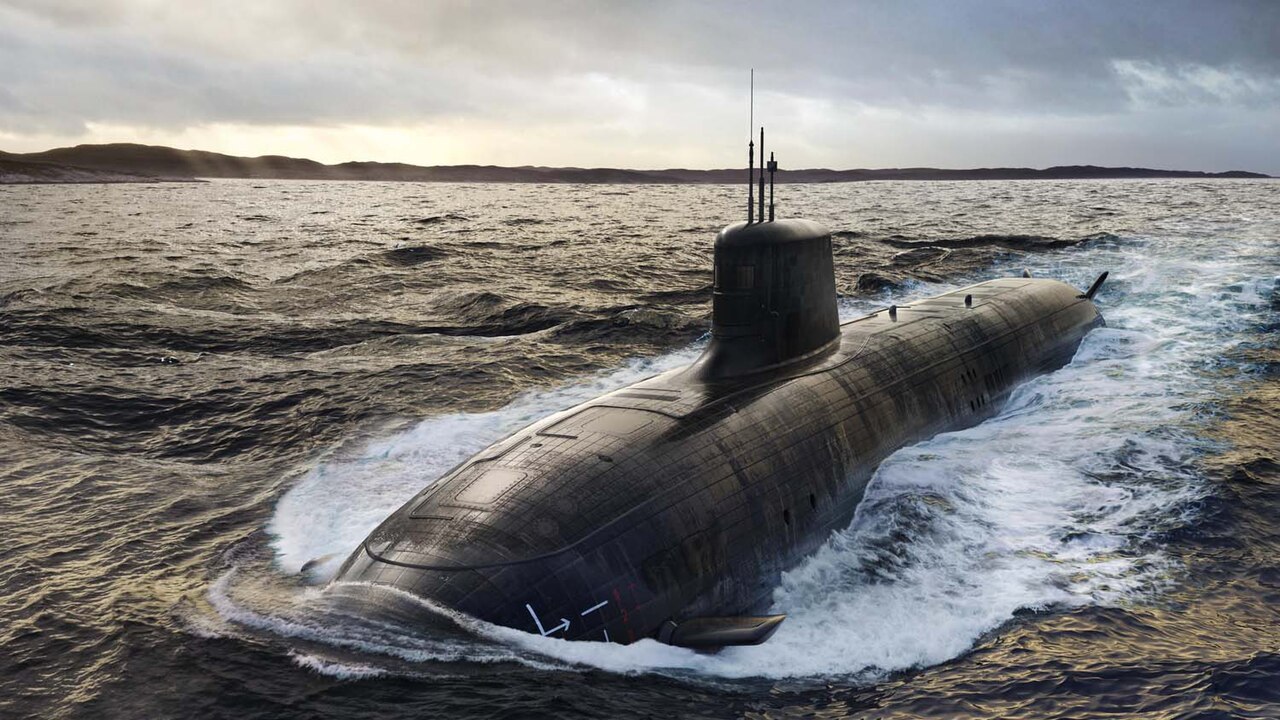
To avoid a capability gap while SSN-AUKUS is still under development, Australia plans to acquire three Virginia class submarines from the United States, with deliveries expected in 2032, 2035, and 2038. Under the original 2023 pathway, two of these were to be in service boats and one newly built.
In May 2026, the three AUKUS partners revised the plan so that all three submarines would instead come from the existing U.S. Navy fleet, easing pressure on American shipyards that have struggled to keep pace with Virginia class production targets.
These submarines are powered by nuclear reactors, but they are designed to use conventional weapons such as torpedoes and cruise missiles.
Australia does not possess nuclear weapons and remains a party to the Treaty on the Non-Proliferation of Nuclear Weapons (NPT). The Australian government has repeatedly stated that its future submarines will be nuclear powered but conventionally armed.
Why the Difference Matters
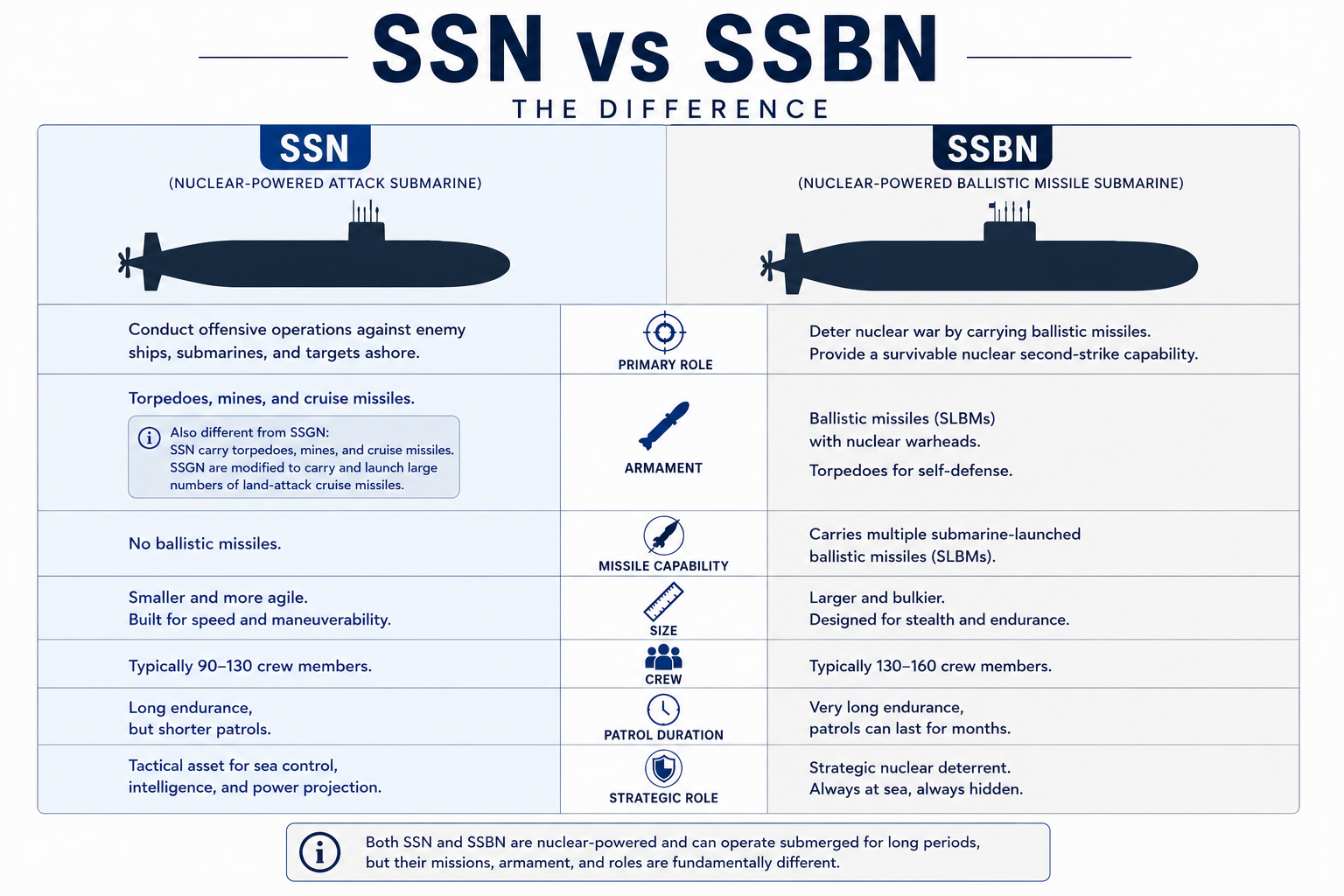
The distinction between nuclear powered and nuclear armed is more than just military terminology. It changes what the submarine is designed to do.
A nuclear powered submarine uses a reactor to extend its endurance and operational range.
A nuclear armed submarine exists primarily to provide a country's strategic nuclear deterrent.
The two capabilities are related only by the source of propulsion, not by the weapons they carry.
One Term, Two Completely Different Meanings
The debate surrounding AUKUS showed how one phrase can create widespread confusion.
Hearing the words "nuclear submarine" often leads people to imagine nuclear missiles. In reality, the term usually describes how the submarine is powered, not whether it carries nuclear weapons.
Australia's future submarines represent the first category.
They will be powered by nuclear reactors but not carry nuclear weapons.