


Inside Art:1 New Museum in Central Jakarta, museum professionals, development specialists and health practitioners gathered on 28 August 2026 to explore a larger responsibility: how museums can improve everyday life.
The inaugural Mainstreaming Sustainable Development Goals in Museums, or MSDG, series carried the theme “Museums for Quality of Life: Inclusion and Community Wellbeing.” It brought together representatives of Bappenas, the United Nations Information Centre, ICOM INTERCOM, FAO Indonesia, PK3D DKI Jakarta, Musee ID, AMIDA Jakarta Paramita Jaya and Art:1 New Museum.
Four Keynotes, One Shared Direction
The programme opened with two recorded keynote speeches. Pungkas Bahjuri Ali, Deputy for Human and Cultural Development at Bappenas and Head of the National SDG Secretariat, addressed Indonesia’s progress and remaining challenges in achieving the 2030 Agenda.
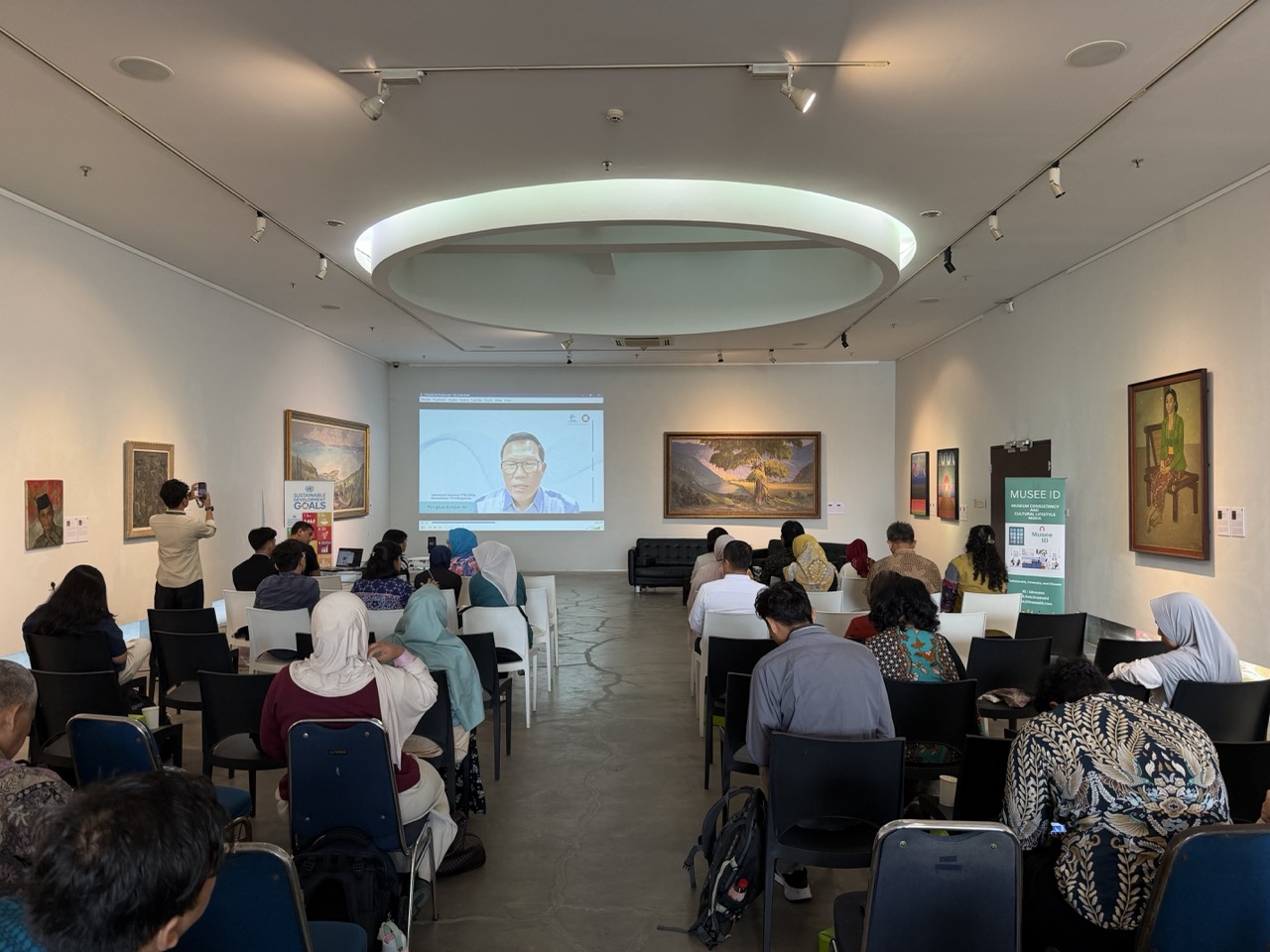
Cristina Vannini, Chair of ICOM INTERCOM, provided an international museum-management perspective. “Every museum provides its own reply,” she has written, noting that institutions may prioritize inclusion, wellbeing, digitization or technology according to their communities’ needs.
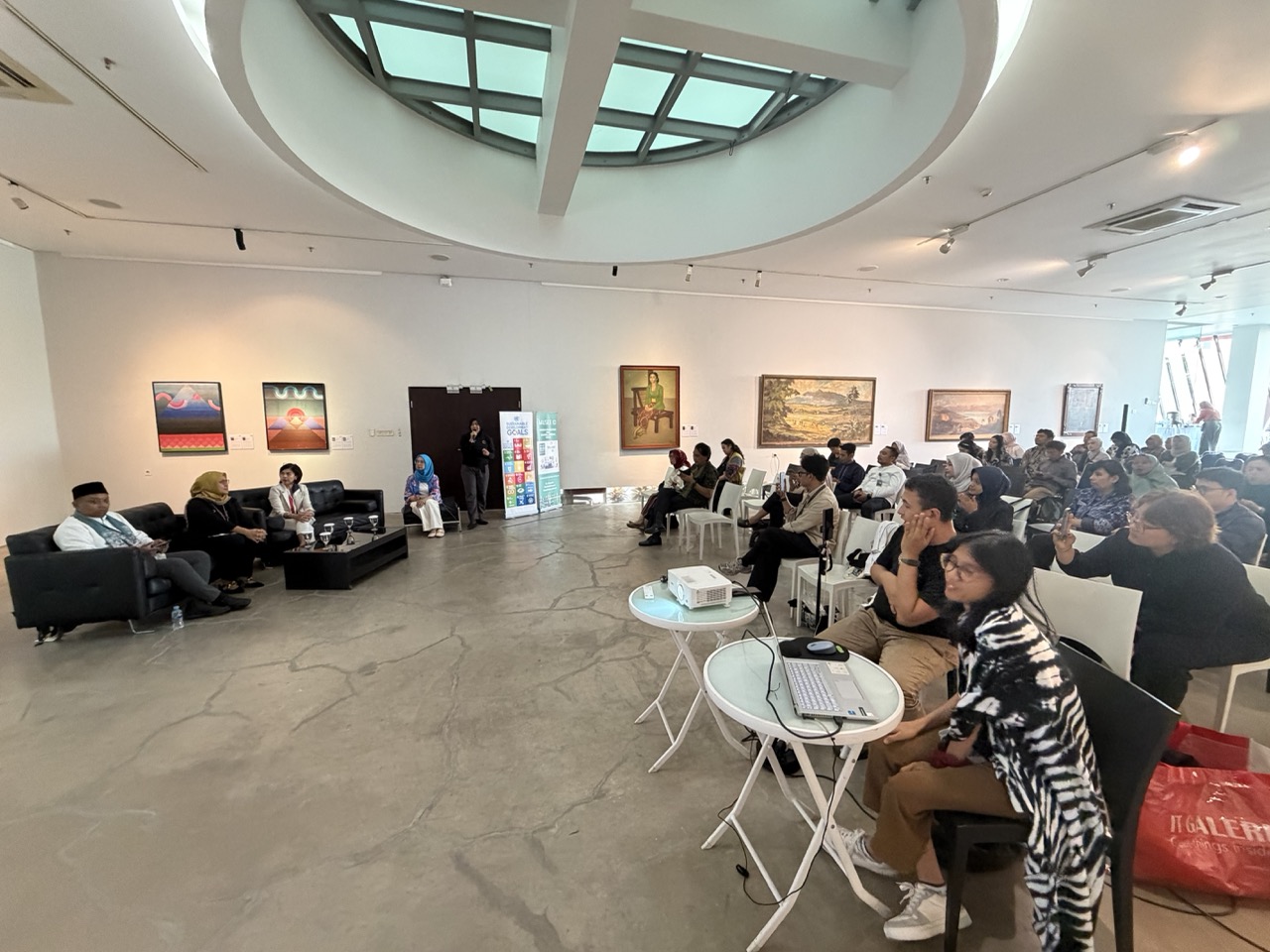
Two further keynotes were delivered in person. Siska Widyawati, Deputy Director and National Information Officer of the United Nations Information Centre in Indonesia, emphasized the importance of communicating the SDGs through accessible stories and experiences.
Yiyok T. Herlambang, Chair of AMIDA Jakarta Paramita Jaya, highlighted the need to integrate sustainability into museum governance, exhibitions, visitor services and community programmes rather than limiting it to occasional campaigns.
A Museum Agenda Built Around People
Indonesia’s 2018 national catalogue recorded 435 museums across the country. Their potential extends beyond preserving objects. Museums can become accessible classrooms and trusted platforms for discussing health, food security, equality and environmental responsibility.
This direction reflects the International Council of Museums’ 2022 definition, which recognizes museums as accessible and inclusive institutions that foster diversity and sustainability through community participation.
Through MSDG, Indonesian collections can introduce contemporary development issues. Traditional farming tools can open conversations about food security, while maritime collections can connect visitors with climate resilience, sustainable fisheries and coastal protection.
Progress That Still Needs People
Ali reported that 62.7 percent of Indonesia’s evaluated SDG indicators had met their targets. Another 13.1 percent required acceleration, while 24.2 percent continued to face serious challenges.
Indonesia ranked 77th among 167 countries in SDG achievement, climbing 25 places from its position in 2019. Environmental indicators recorded some of the strongest progress, approaching 70 percent, followed by law and governance at 68 percent and the economy at 65 percent. Progress across the social pillar remains slower.
“Our SDGs completion rate is higher than the global average of 18 percent,” Ali said in June. Yet poverty, food insecurity, stunting, unequal education, women’s protection and access to safe water remain unfinished work. Museums can help translate these national indicators into stories that people understand and actions they can take.
Wellbeing Begins Behind the Scenes
One of the forum’s most revealing findings concerned museum and gallery educators. A pilot study presented by Nofa Farida Lestari, Executive Director of Musee ID and Board Director of ICOM CECA, surveyed 103 educators across Greater Jakarta.
The study found that 51.5 percent considered weekend and public-holiday workloads their greatest mental-health challenge. Another 43.7 percent reported severe physical exhaustion after providing public services.
“We cannot prescribe healing to the community if our internal healers are burning out,” Lestari stated.
The findings point to practical improvements such as staggered shifts, recovery time following major events, staff-only quiet rooms and peer-support systems. A museum that promotes community wellbeing must also care for the people who deliver its services.
Sulung Mulia Putra of PK3D DKI Jakarta connected the discussion with JAK-CARE, Jakarta’s round-the-clock mental-health teleconsultation service. It provides access to clinical psychologists, psychological first aid, self-assessment, emergency psychiatric support and health-facility referrals.
From Food Heritage to Social Action
Yusmanetti Sari of FAO Indonesia demonstrated how museums can support SDG 2 on zero hunger. Exhibitions can connect traditional farming knowledge, seed diversity, local diets and culinary heritage with current conversations about nutrition, food waste and sustainable agriculture.
Monica Gunawan of Art:1 New Museum also joined the forum as a panelist, bringing the perspective of an institution that combines collection management, public engagement and professional conservation. Her participation demonstrated how privately initiated museums can contribute to sustainable development through education, creativity and community participation.
Art:1 New Museum: Where Preservation Meets Participation
From its beginnings as a private gallery to its present role as a museum, collaborative art space and conservation centre, Art:1 shows how cultural institutions can preserve heritage while supporting inclusion and wellbeing.
Art:1 traces its roots to Mon Décor Gallery, founded in 1983 by pioneering Indonesian collector and gallerist Martha Gunawan. It began by offering interior-design services and art reproductions before developing into a commercial gallery in 1986 and expanding to several Jakarta locations.
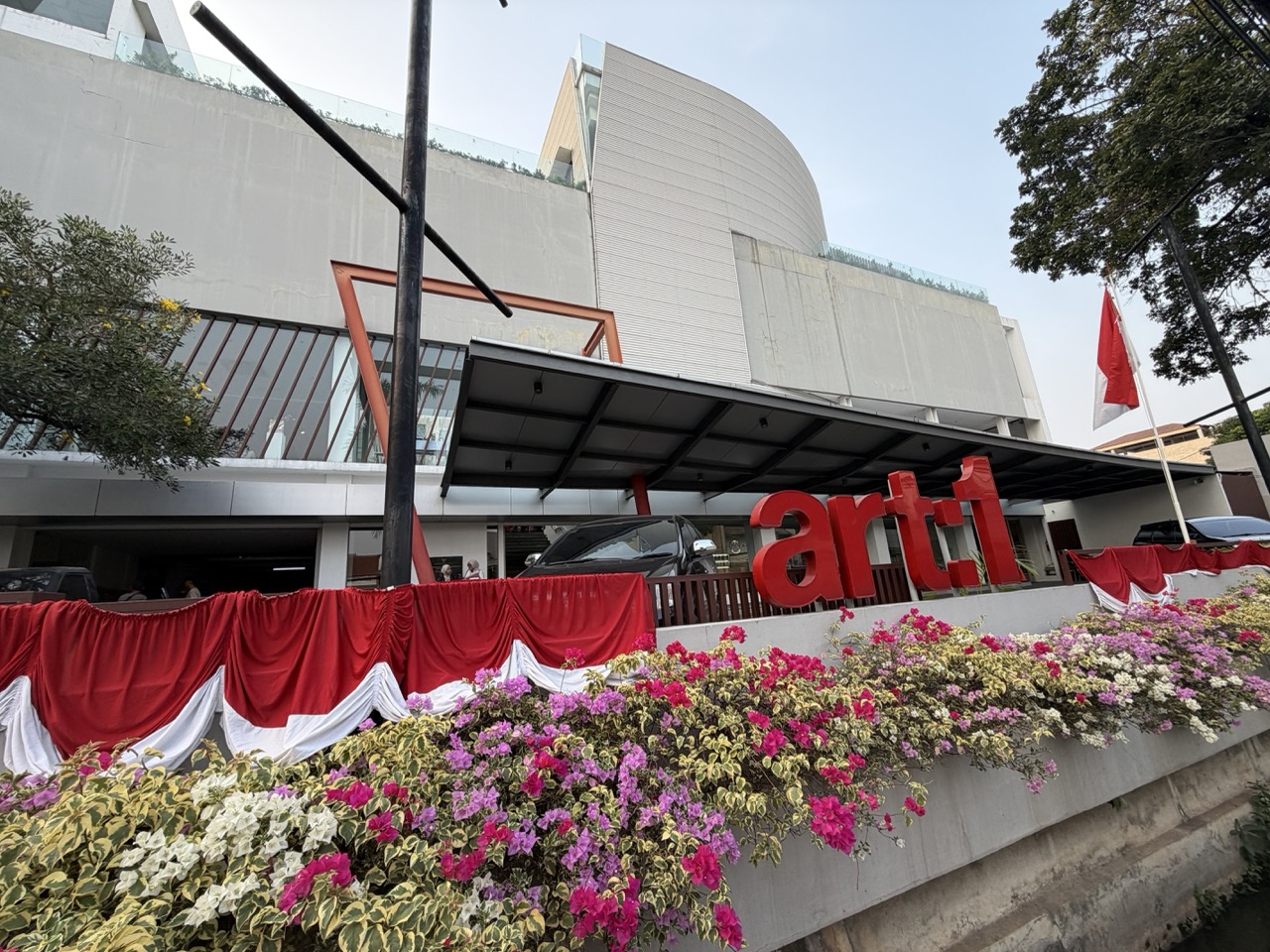
Recognizing the need for a larger space to preserve collections, educate visitors and support artists, Martha Gunawan and her family developed Art:1 New Museum and Art Space. The approximately 4,000-square-metre institution opened in Kemayoran in 2011.
Art:1 now houses more than 2,500 artworks, including works by Indonesian modern masters, Indo-European artists and contemporary and emerging creators. Its dual structure combines a museum presenting its permanent collection with Artspace:1, a venue for rotating and experimental exhibitions.
Martha’s daughter, Monica Gunawan, helps manage and develop the institution, continuing the family’s commitment to Indonesian art while responding to changing expectations of museums.
Art:1 complements its exhibitions with artist talks, workshops, community activities and wellness programmes. Its conservation work is supported by Arté Restauro, a specialist painting-restoration studio with approximately two decades of experience. Together, these activities show that preserving artistic heritage can go hand in hand with experimentation and public participation.
Building Museums That Care
The MSDG initiative builds on Indonesia’s first museum-based SDG Corner at Museum Bahari Jakarta. Expanding the concept could help institutions connect their collections with local concerns, from coastal resilience and waste reduction to disability access, mental health and food security.
The lesson from Art:1 was clear: museums improve lives not only by displaying the past, but also by listening to communities, caring for their workers and helping visitors understand the present.
As Indonesia enters the final years before 2030, its museums can become more than witnesses to national development. They can become active partners in building a healthier, fairer and more sustainable future.


