Ever tried buying a car and been told, "sorry, first you have to win the right to buy a car"?
Welcome to Singapore!
Everywhere else, it's simple, you like it, pay for it, drive it home. In Singapore, that's step two.
Step one is securing a Certificate of Entitlement (COE), a 10 year license to own and use a vehicle at all, handed out not by application, but by open bidding. Deep pockets don't guarantee a win either, you're competing against everyone else who wants one too.
So how does it work?
You Have to Bid for the Right to Own a Car
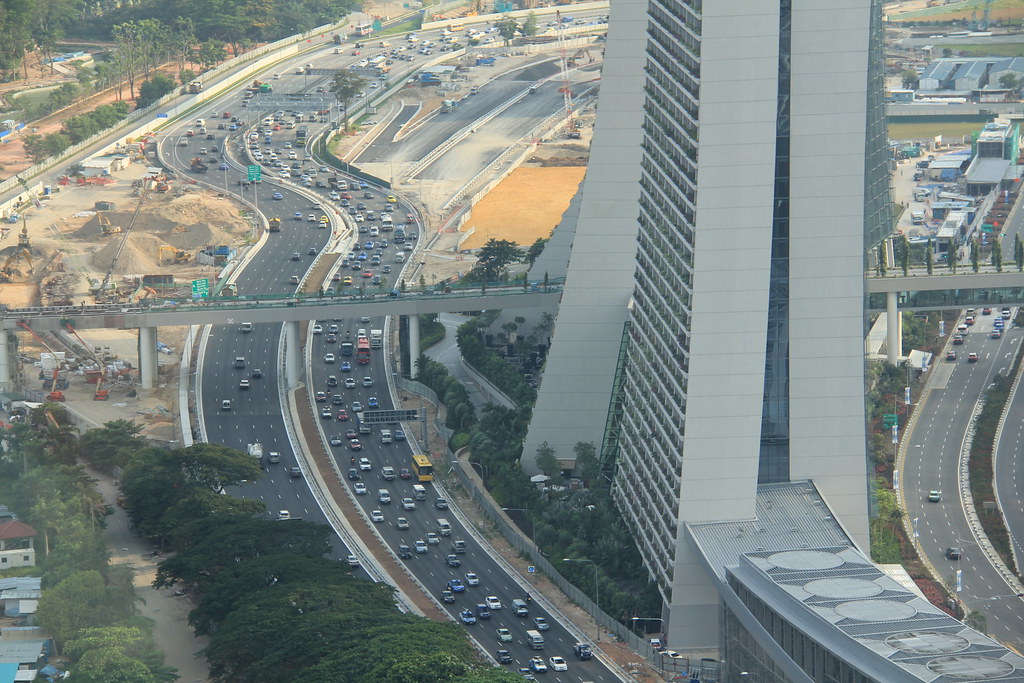
Singapore's COE system was introduced in 1990 as part of the government's effort to control the number of vehicles on the country's limited road space. The system is part of Singapore's broader Vehicle Quota System (VQS), which caps how many new vehicles can be registered.
Before every bidding exercise, the government announces how many COEs are available in each category. Bidding normally takes place twice a month, with each exercise lasting three working days.
There are different categories depending on the type of vehicle. For cars, Category A covers smaller cars, while Category B covers larger or more powerful cars. There is also Category E, an open category that can be used for most vehicle types except motorcycles.
The number of available COEs is limited.
For the August-October 2026 period, Singapore released a total of 19,085 COEs across all vehicle categories. The quota included only 1,189 Category A COEs and 921 Category B COEs per month.
And because the number of COEs is limited, people compete through bidding.
The COE Can Cost More Than the Car
This is where Singapore's car market gets unusual.
The price of a COE is not fixed. It is determined through the bidding process, so the amount changes depending on demand and the available quota.
In the second COE bidding exercise of August 2026, the winning premium reached S$128,501 for Category A and S$131,001 for Category B. Category E reached S$135,000.
That payment is not the price of the car itself. It is the price of the 10 year entitlement to own and use the vehicle. The car, registration fees, taxes and other costs come separately.
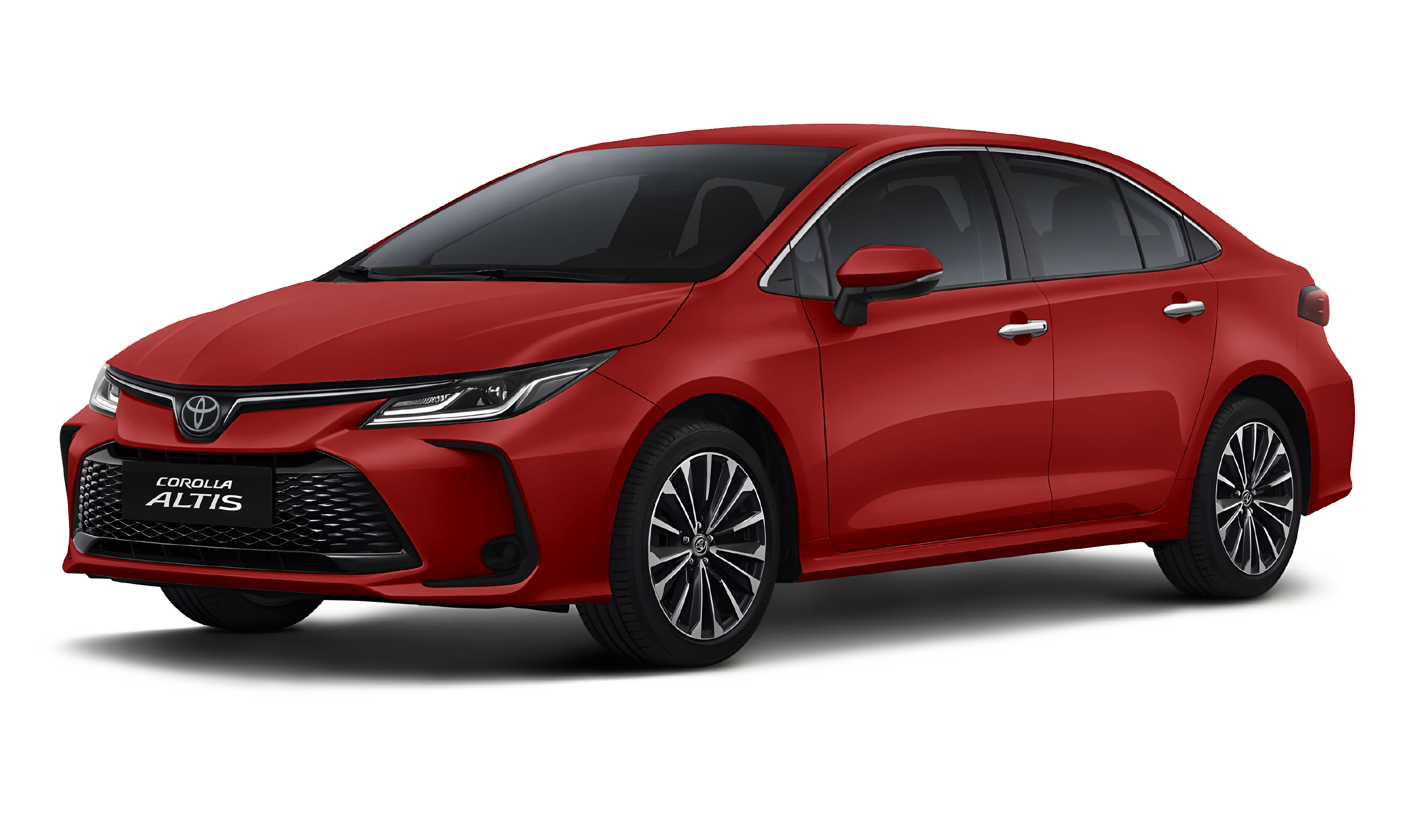
In other words, someone buying a new car in Singapore can potentially pay more than S$100,000 just for the COE before counting the vehicle itself.
And the Clock Starts Ticking
A COE normally lasts 10 years.
Once those 10 years are over, the owner has two choices. Deregister the vehicle or renew the COE by paying the Prevailing Quota Premium (PQP). The PQP is calculated from the moving average of recent COE prices.
For most private cars, owners can also renew for five years by paying 50% of the PQP, although this option can only be used once. A 10 year renewal can be repeated for vehicles without a statutory lifespan.
So owning a car in Singapore is not simply about buying the vehicle. The owner is also paying for a time limited right to keep it on the road.
Why Does Singapore Do This?
The reason is closely tied to the country's geography.
Singapore's Ministry of Transport says roads occupy about 12% of the country's land area, compared with around 13% for industry and 15% for housing. The government therefore manages both the number of vehicles and how they use the roads.
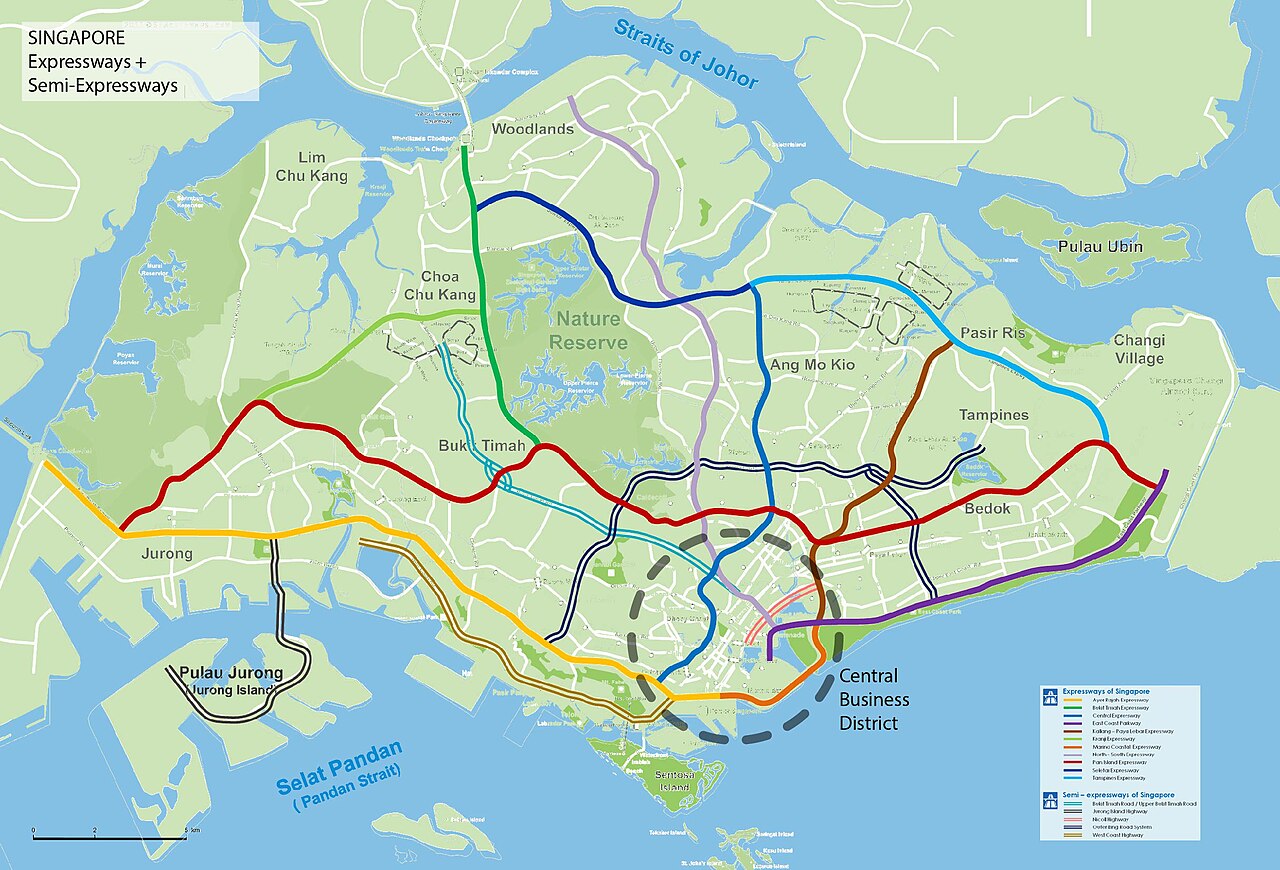
Since February 2018, Singapore's vehicle population growth rate has been set at 0% for most vehicle categories, with the exception of goods vehicles and buses under Category C, which have a growth rate of 0.25% per year. These rates are maintained until 31 January 2028.
The system also works alongside Electronic Road Pricing (ERP), which charges vehicles for using certain roads at specified times. So Singapore does not only regulate where cars can drive. It also regulates how many cars can exist in the first place.
And that is why buying a car in Singapore can involve something that most buyers elsewhere never have to think about:
You don't just buy the car. First, you have to buy the right to have one.