Everything around us is made of matter. The air we breathe, Phone, Clothes, the Earth, and even our own body are all made of matter.
But there is another version of matter that sounds like something from science fiction: Antimatter.
Antimatter is real, and scientists have been producing and studying it for decades. So what exactly is it, and why does it attract so much attention?
Antimatter Is Matter’s Opposite
The simplest way to understand antimatter is to think of antimatter as a kind of mirror version of ordinary matter, like identical twins where one is left handed and the other right handed.
The structure is exactly the same, but the charge runs in the opposite direction.
Almost every fundamental particle has an antiparticle with the same mass but opposite properties, such as electric charge. For example, the electron has an antimatter counterpart called the positron, while the proton has an antiproton.
The strange part happens when matter and antimatter meet. When a particle comes into contact with its antiparticle, they can annihilate, meaning both disappear and their mass is converted into energy.

The energy released can be enormous. If 1 gram of antimatter could be annihilated with 1 gram of ordinary matter, the reaction would release roughly 43 kilotons of energy, according to CERN. That is nearly three times the estimated 15 kiloton yield of the atomic bomb dropped on Hiroshima in 1945.
This is one reason antimatter is often described as an extremely powerful potential energy source, according to CERN, the European research organization that operates the world’s largest particle physics laboratory.
Antimatter Is Extremely Hard to Produce
At CERN, the European particle physics laboratory, the Antimatter Factory can deliver around 400 million antiprotons per hour to experiments.
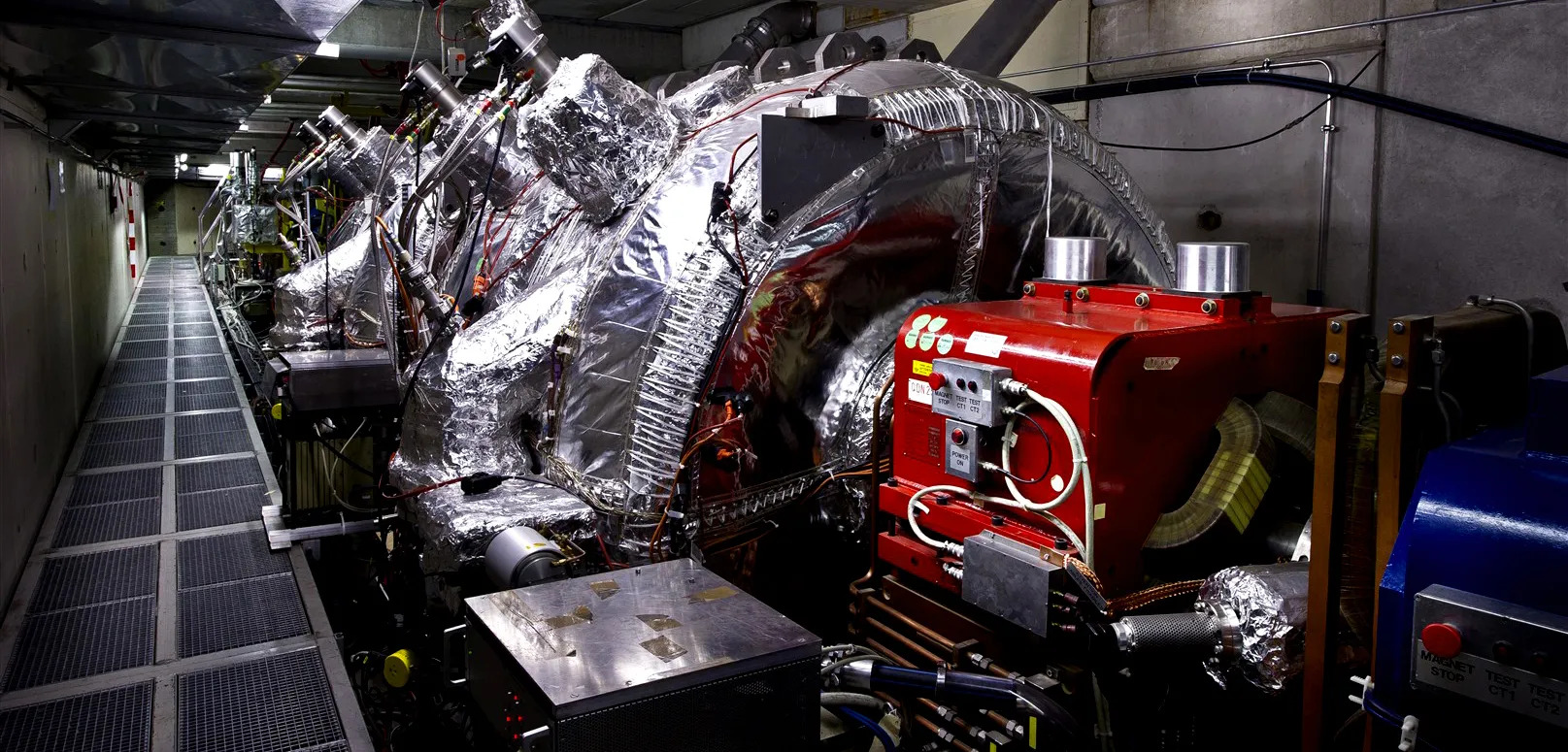
An antiproton is the antimatter counterpart of a proton, while a positron is the counterpart of an electron. Put the two together, and you get antihydrogen, essentially a mirror version of the simplest atom in the universe, hydrogen.
The catch is that making these "mirror" particles is extremely difficult. It's a bit like trying to catch individual raindrops in the middle of a storm, the rain falls hard and fast, but catching each drop one by one is far harder than the downpour itself suggests.
Only about 10% of the antiprotons produced can actually be captured. Even after that, the ALPHA experiment can produce only up to around 3,000 antihydrogen atoms per hour.
To put that into perspective, even if CERN’s Antimatter Factory operated continuously for an entire year, the total amount of antiprotons delivered would still be only around 3 × 10⁻¹⁶ kilograms. That is 0.0000000000000003 grams, roughly a billion times lighter than a typical grain of sand.
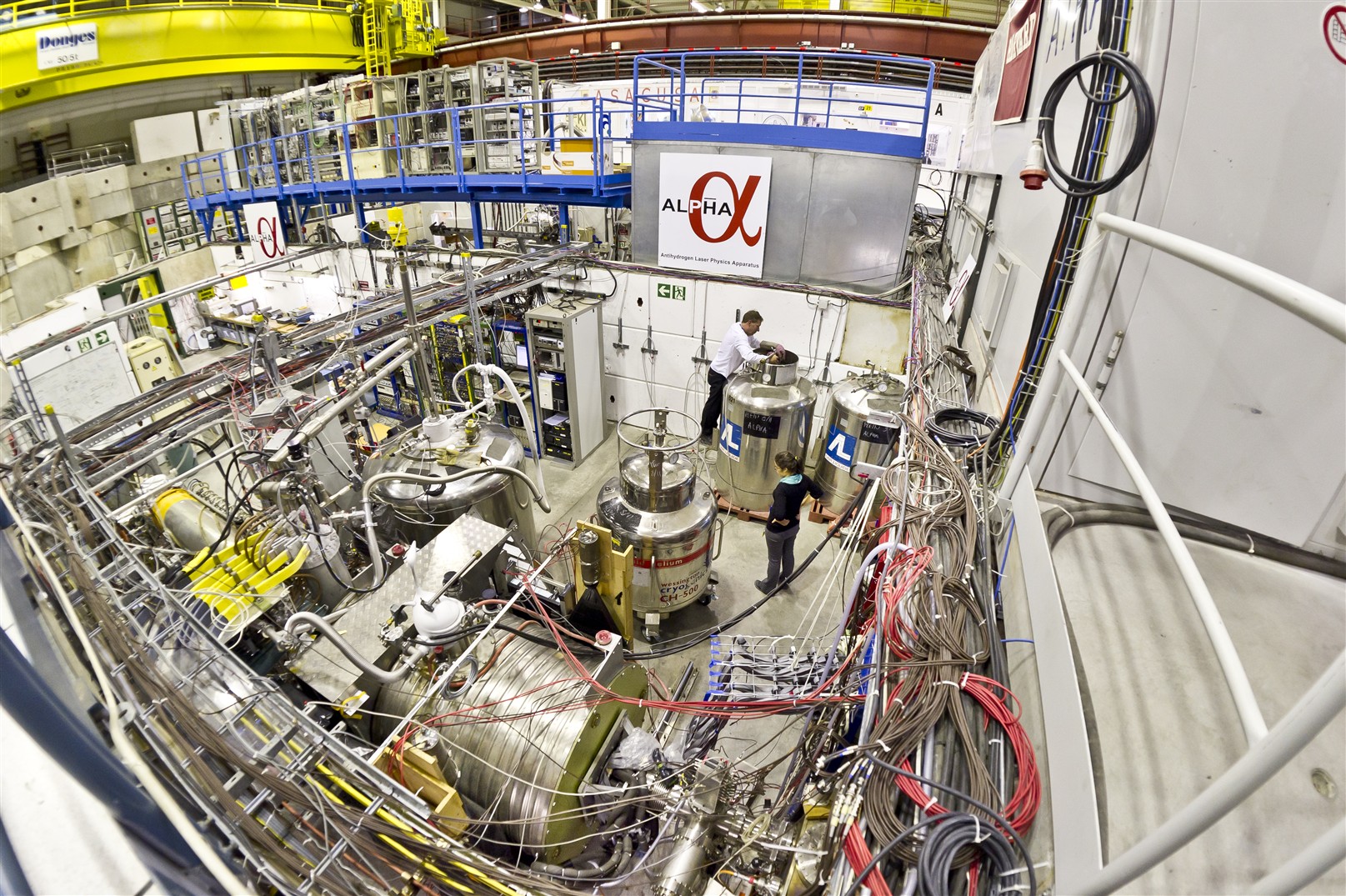
It is so little that, compared with everyday objects, a year’s worth of CERN’s antiproton production would be less like holding a grain of sand and more like trying to weigh an almost unimaginably tiny fraction of the dust on your desk.
That makes antimatter extremely impractical as an everyday energy source for now. It is also incredibly difficult to store because touching a normal container would cause it to annihilate with ordinary matter.
Scientists therefore use electromagnetic traps to keep antimatter suspended away from physical surfaces.
Antimatter Is Already Used in Medicine
Antimatter may sound futuristic, but one of its forms is already used in hospitals.
According to an IAEA Human Health Series report on PET and PET/CT physics, Positrons, the antimatter counterparts of electrons, are used in Positron Emission Tomography (PET) scans.
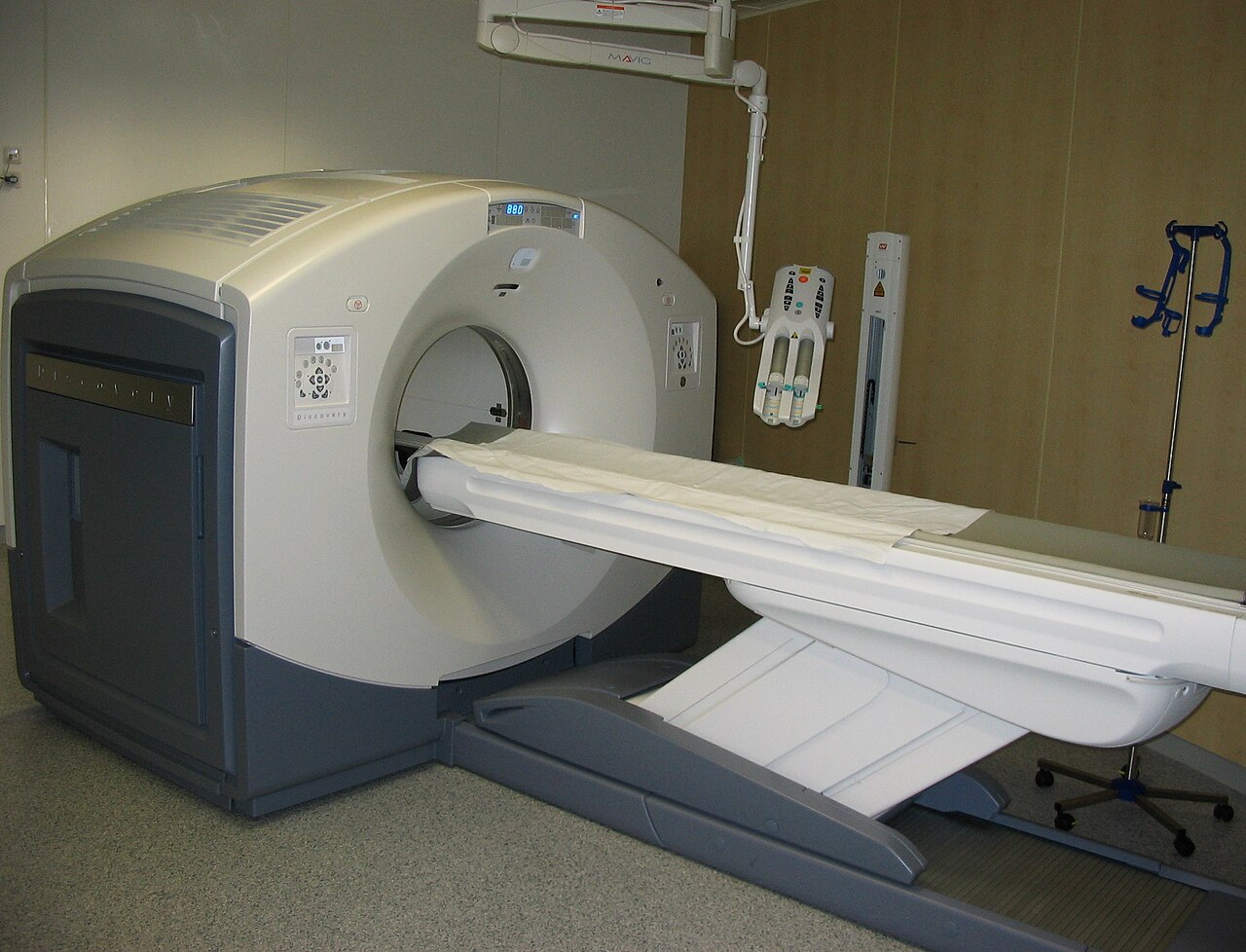
In a PET scan, a radioactive substance produces positrons inside the body. When those positrons meet electrons, they annihilate and produce signals that can be detected by the scanner.
This allows doctors to create detailed images of activity inside the body.
So antimatter is not simply a theoretical concept. We are already using it in real world technology.
Southeast Asia Is Studying It Too
Antimatter research is not limited to Europe.
Thailand, for example, has several institutions participating in ALICE, one of the major experiments at CERN’s Large Hadron Collider (LHC). These include Suranaree University of Technology, Chulalongkorn University, King Mongkut’s University of Technology Thonburi, the Thai Microelectronics Center, and the Synchrotron Light Research Institute.
Thailand and CERN have also had an International Cooperation Agreement since 2018, according to CERN International Relations.
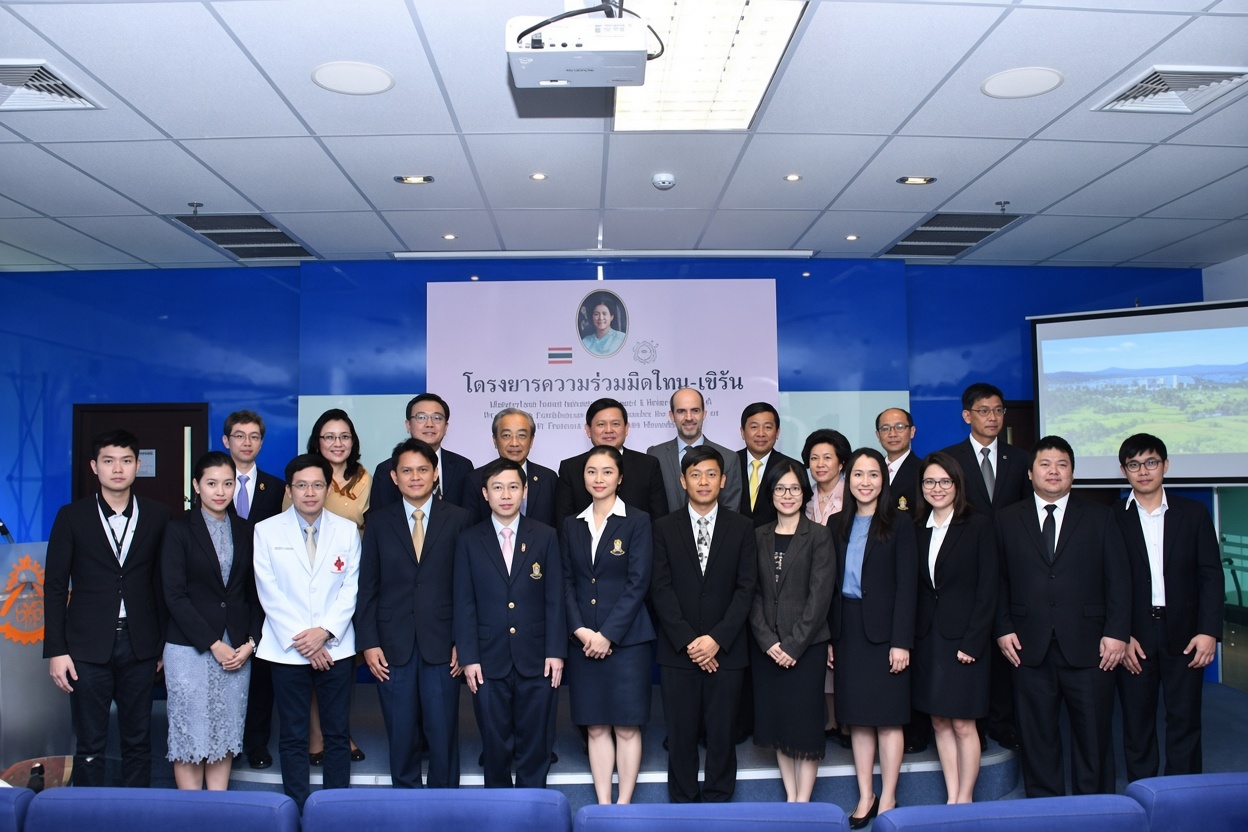
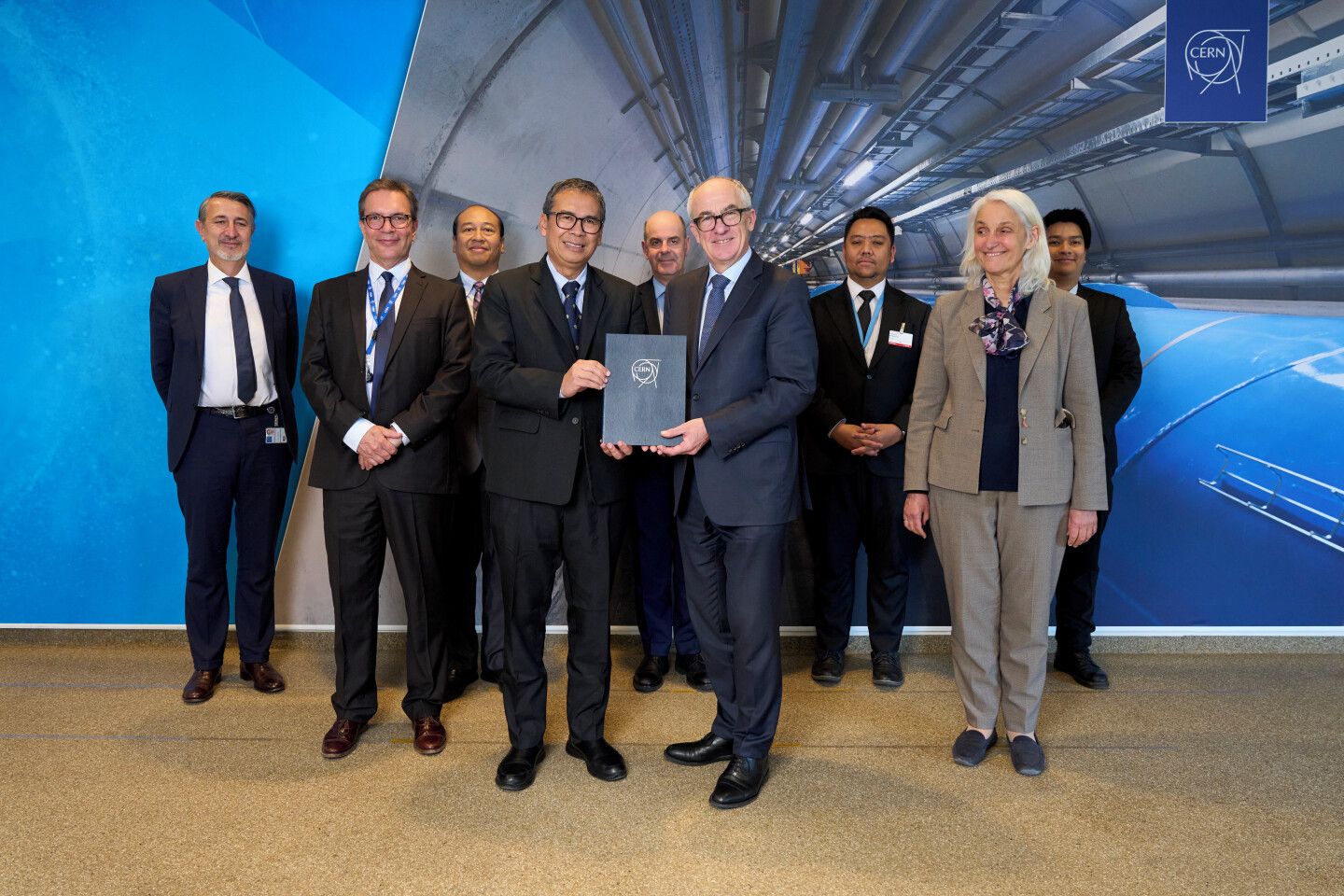
Indonesia has an even more direct connection to ALICE. In 2013, the Indonesian Institute of Sciences (LIPI) signed an agreement with ALICE, becoming the first Indonesian institute to officially collaborate with a CERN experiment. Today, Indonesia’s National Research and Innovation Agency (BRIN) is listed as an ALICE institute.
This matters because ALICE does not simply smash particles together for spectacle. The experiment studies extremely hot and dense matter and can produce and investigate antimatter nuclei.
Studying these unusual forms of antimatter could help scientists understand how matter formed in the early Universe and why the Universe today contains far more matter than antimatter.
Could Antimatter Power the Future?
Because matter-antimatter annihilation converts mass into energy so efficiently, scientists have considered antimatter for advanced spacecraft propulsion. In theory, it could provide an enormous amount of energy without requiring conventional amounts of fuel.
But producing, storing, and controlling enough antimatter for such a system is far beyond today’s capabilities. Current antimatter propulsion concepts remain highly experimental.
For now, antimatter is more valuable as a scientific tool than as a futuristic fuel.
It helps scientists study the fundamental laws of physics, investigate the mysterious imbalance between matter and antimatter, and even develop technologies that are already useful in medicine.
The idea of antimatter powered spacecraft may still belong to the future. But the antimatter itself is very real, and scientists including researchers from Southeast Asia, are already studying it today.