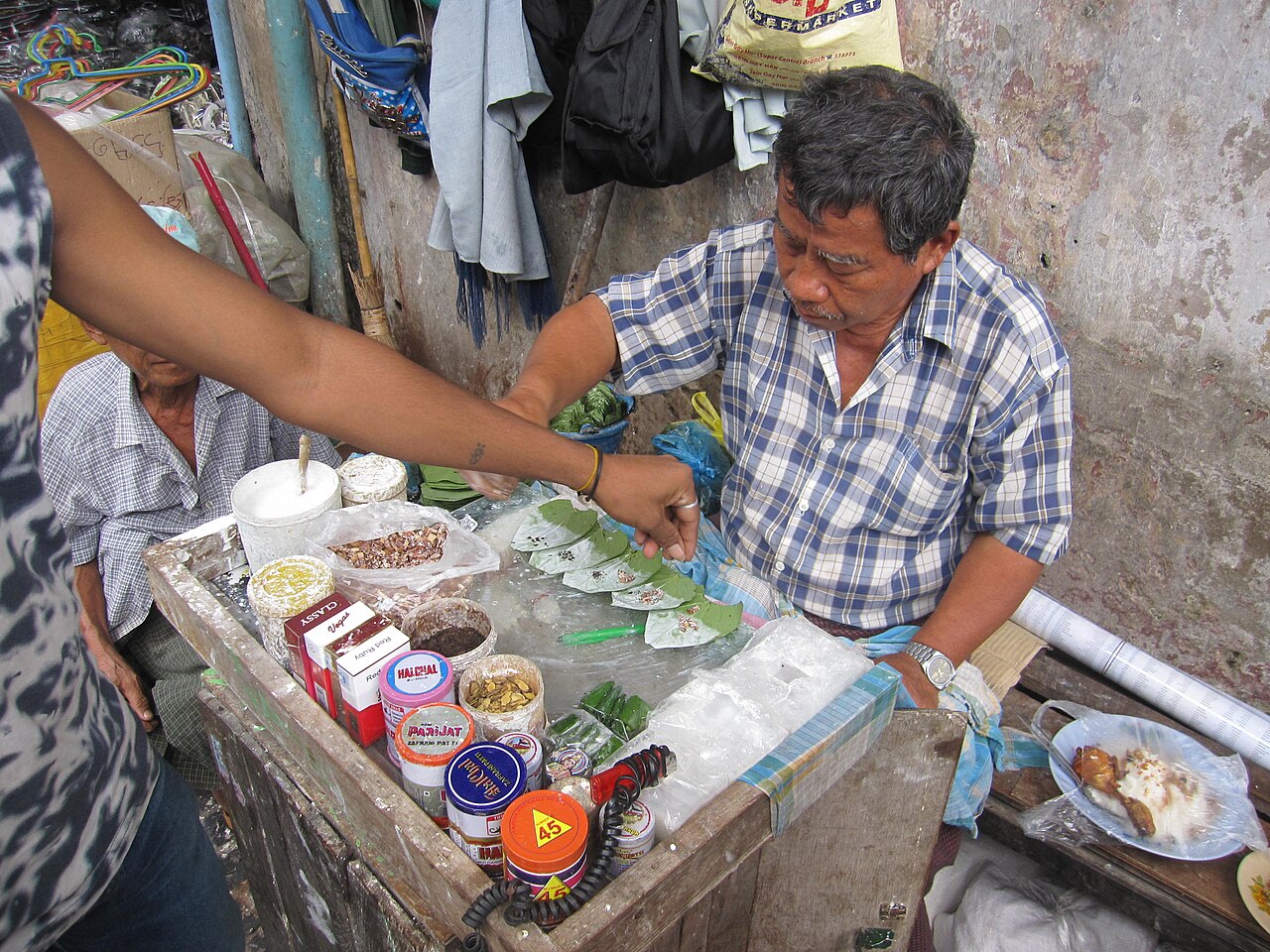
In Myanmar, seeing men chewing something wrapped in a small green leaf is normal. The habit is so common that you can find betel stalls alongside streets, markets and tea shops across the country.
What they are chewing is betel quid, traditionally known in Myanmar as kun-yar. It is usually made by wrapping pieces of areca nut, betel leaf and slaked lime together. Some preparations also contain tobacco or other ingredients.
But this isn’t simply an old fashioned snack.
For many Myanmar men, betel chewing has become part of everyday social life. The numbers show just how widespread it is.
Nearly Three in Five Men Chew It
According to an analysis of Myanmar's 2015-2016 Demographic and Health Survey, around 61.8% of men aged 18-49 reported chewing betel quid, compared with 19.5% of women.
That means roughly three in five men in the surveyed age group were betel chewers, more than three times the proportion among women.
Another analysis of the same national survey produced slightly different figures, but found essentially the same gender gap: 58.9% of men versus 18.2% of women.
It's worth noting that this survey remains Myanmar's most recent nationally representative data on the habit. No newer national health survey has been conducted since, so while these figures are close to a decade old, they are still the best available benchmark for the country as a whole.
So why is betel chewing particularly common among Myanmar men?
It’s About More Than the Habit
Betel chewing has deep roots in Myanmar society.
Research published in BMC Public Health describes kun-yar as part of traditional hospitality and ceremonial life. Offering betel to guests has historically been a way of welcoming people, while betel has also appeared in weddings and other social occasions.
But among men, the practice can take on another meaning.
A study titled Yauk gyar mann yin (Be a Man!): Masculinity and Betel Quid Chewing Among Men in Mandalay, Myanmar, published in Culture, Health & Sexuality, examined how betel quid chewing among men in Mandalay was connected to ideas of masculinity, maturity, and manliness.
The researchers conducted interviews, focus groups and participant observation among male betel chewers in Mandalay.
They found that some young men associated chewing with confidence, risk taking and masculinity. For some, starting to chew could be part of growing up or fitting in with other men.
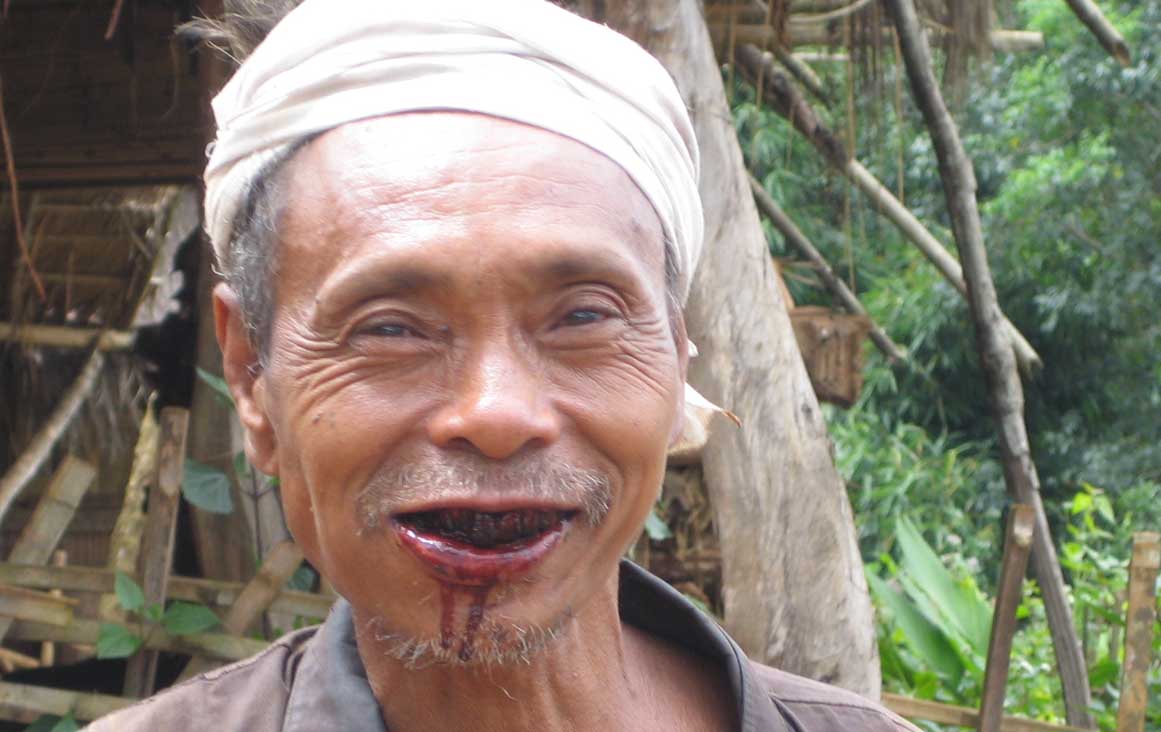
In other words, the betel quid wasn't just something they consumed. It could also become a way of showing who they were.
Just how early that association can start is striking.
A separate study in the International Journal of Community Medicine and Public Health found that 28.2% of adolescents aged 10 to 19 in Nattalin Township, Bago Region, were already chewing betel quid.
Boys made up the larger share of chewers, while the youngest participant had started chewing at just six years old.
It Can Help Build Social Connections
For older men, the social role can look different.
The same Mandalay study found that betel could be shared with friends, coworkers and clients, helping conversations get started and relationships develop.
In workplaces and informal business settings, offering someone a quid could therefore be part of building trust and maintaining social connections.
This helps explain why the practice can be so persistent. It isn’t necessarily something people do alone. It can be woven into conversations, friendships and everyday interactions.
There's an economic side to it too. Some farmers grow betel vine and areca palm over rice simply because they can be harvested year round, and betel stalls give many people, often with few other options, a modest source of income.
Kun-yar isn't just cultural habit, it's also a small piece of the informal economy.
A Tradition With a Serious Health Problem
There is, however, an important side to Myanmar’s betel culture.
The International Agency for Research on Cancer (IARC) classifies areca nut and betel quid as carcinogenic to humans. Regular use is associated with oral cancer and other serious health problems, including oral submucous fibrosis, a potentially precancerous condition.
That has created a complicated relationship with the tradition.
Betel chewing can represent hospitality, friendship and social identity, while at the same time being a habit with well established health risks.