Countries like Kazakhstan, Canada and Australia are well known for their uranium resources. Indonesia is usually associated with coal, nickel and other minerals.
It also has uranium and quite a lot of it.
Indonesia has one of the largest reported uranium resource bases in Southeast Asia. Uranium exploration has been going on for decades, particularly in areas such as West Kalimantan. But none of it has turned into a commercial uranium-mining industry.
Most of Indonesia’s uranium is still underground.
What Is Uranium?
Uranium is a naturally occurring radioactive metal found in rocks and soil, according to the International Atomic Energy Agency (IAEA).
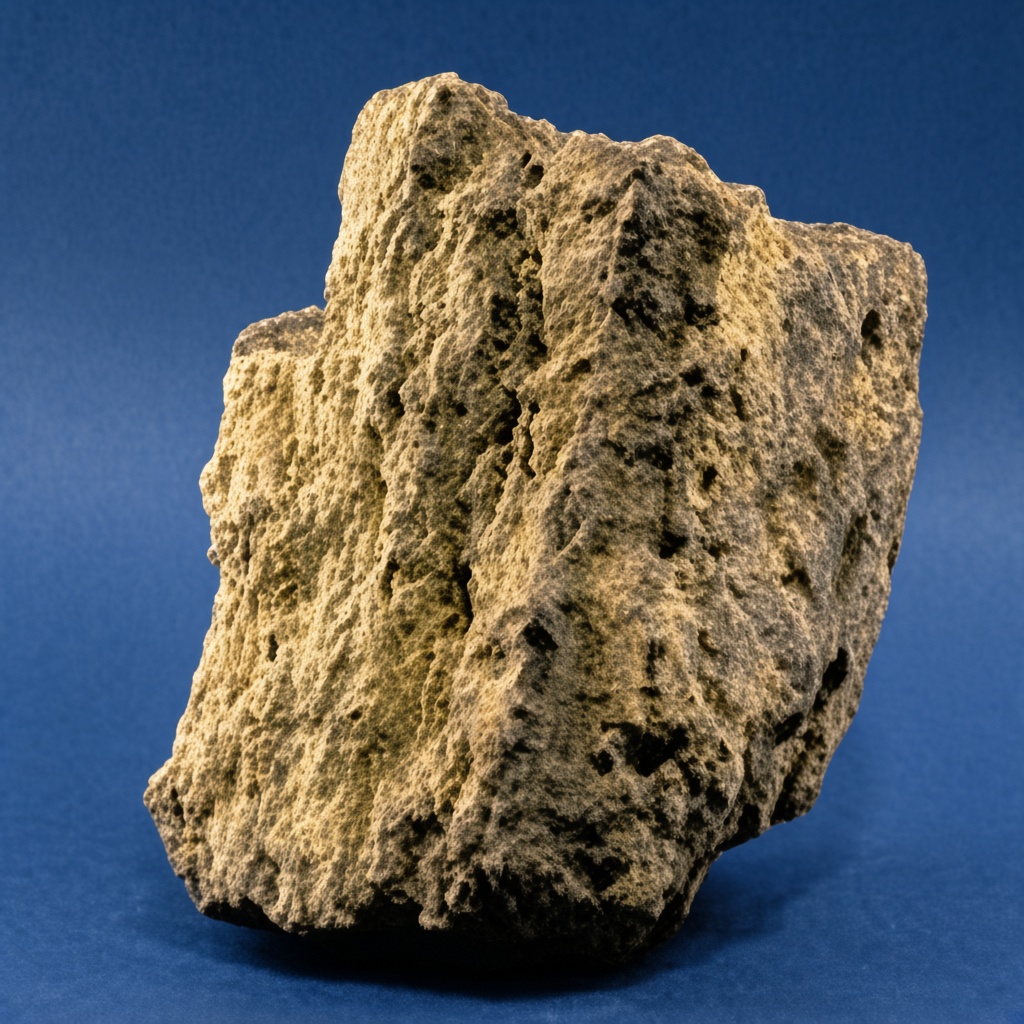
It is highly valuable because it can release a huge amount of energy through nuclear fission, making uranium the main fuel source for most nuclear reactors.
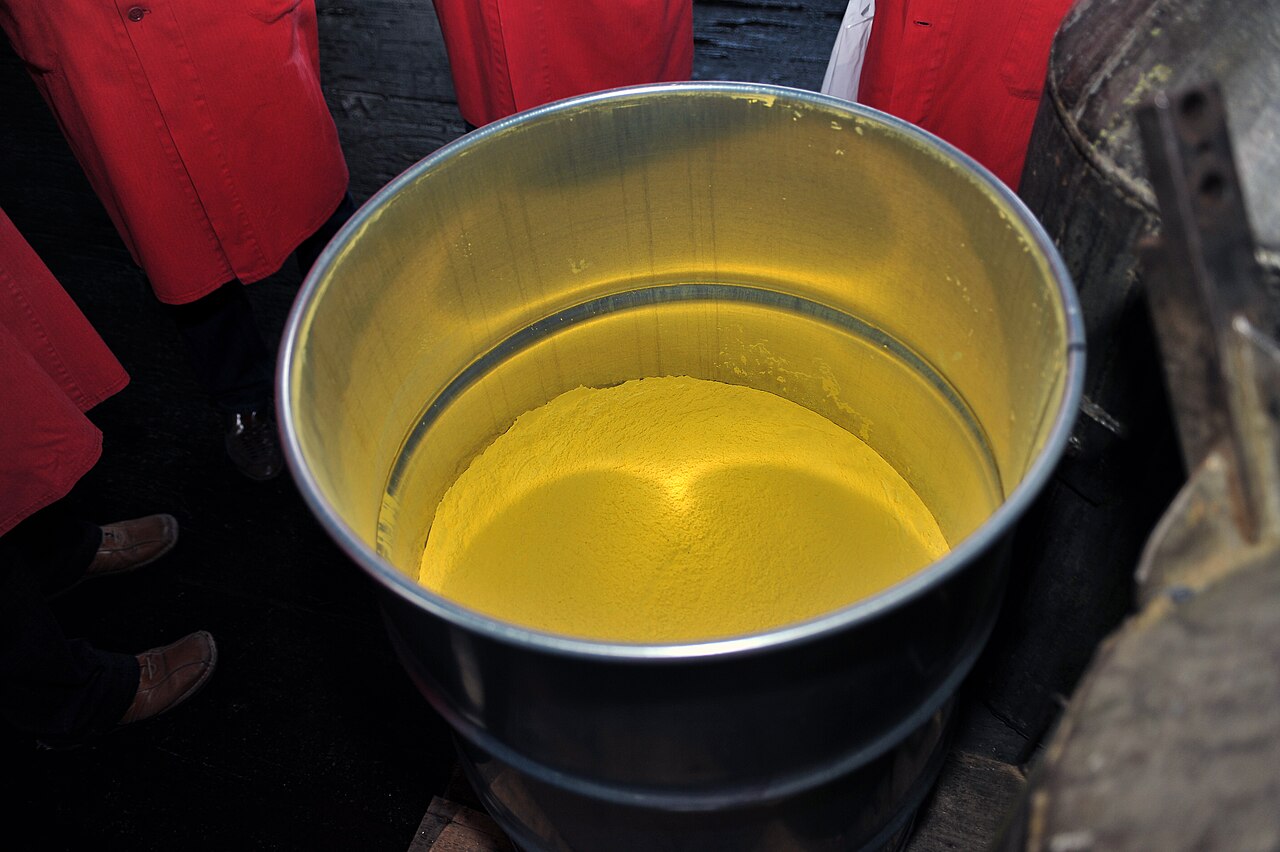
But uranium found in nature is not ready to go straight into a reactor. It first has to be extracted from rock and processed to separate the uranium from other materials. The result is a concentrated uranium material commonly known as yellowcake.
From there, the uranium goes through several more processing steps before it can be made into fuel for a nuclear reactor. So finding uranium underground is only the starting point of a much longer process.
Indonesia Has a Lot of Uranium
Indonesia's uranium resources are spread across several areas, with major deposits reported in Kalimantan, Sumatra and Sulawesi.
One of the best known areas is Kalan in West Kalimantan, where uranium exploration has been underway since the late 1960s.
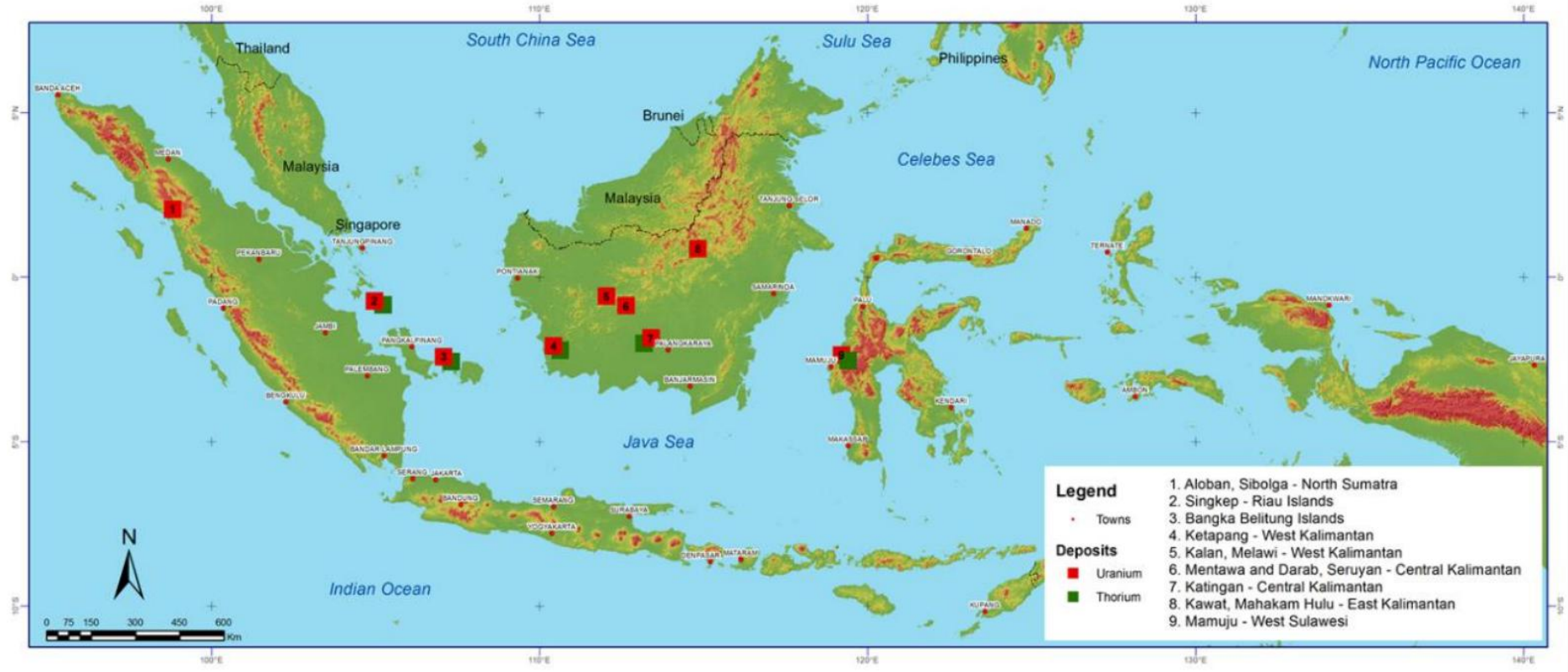
In a 2020 seminar, I Gde Sukadana, a uranium exploration expert at Indonesia's National Nuclear Energy Agency (BATAN), said a BATAN survey had identified 82,638 tonnes of uranium resources in Indonesia.
BATAN was the country's main government agency for nuclear research and development before it was merged into the National Research and Innovation Agency (BRIN) in 2021.
In 2022, according to BRIN, Indonesia had around 90,000 tonnes of uranium resources, alongside roughly 140,000 tonnes of thorium. These figures refer to estimated resources in the ground, not uranium that has already been mined or is ready to be used as nuclear fuel.
Not all of that uranium can necessarily be mined.
Whether a deposit is worth extracting depends on its concentration, location, geology and the cost of getting it out. Much of Indonesia's estimated uranium resources still needs further exploration before it can be considered commercially viable.
Uranium Ore to Nuclear Fuel
Even if Indonesia decided to develop its uranium resources, the material would still be far from becoming reactor fuel.
According to IAEA, uranium ore first has to be mined and milled to separate the uranium from the surrounding rock. This produces yellowcake, which then goes through further processing before it can eventually become nuclear fuel.
That alone would require new facilities, technology and a regulatory system for uranium mining. Indonesia's nuclear regulator, BAPETEN, says the country does not yet have a specific uranium mining industry and is still working on regulations covering radioactive mineral mining.
Uranium is also a nuclear material, so getting a mining permit would only be part of the process. Its handling is subject to government oversight covering safety, security and international safeguards. For Indonesia, developing a uranium industry would therefore involve regulatory and international requirements long before the first tonne is ever mined.
Why Is It Still Underground?
Indonesia has been studying its uranium resources for decades.
Researchers have looked at the country's deposits, geology and ways to process uranium, with Kalan in West Kalimantan among the areas that have received the most attention.
The harder part is turning those resources into an actual mining operation. That depends on how much uranium is in the ore, where the deposits are located, how difficult they are to mine, and whether the costs make sense. It also requires the right infrastructure and processing facilities.
Uranium is also a nuclear material, so getting a mining permit would only be part of the process.
Its handling is subject to government oversight covering safety, security and international safeguards. For Indonesia, developing a uranium industry would therefore involve regulatory and international requirements long before the first tonne is ever mined.