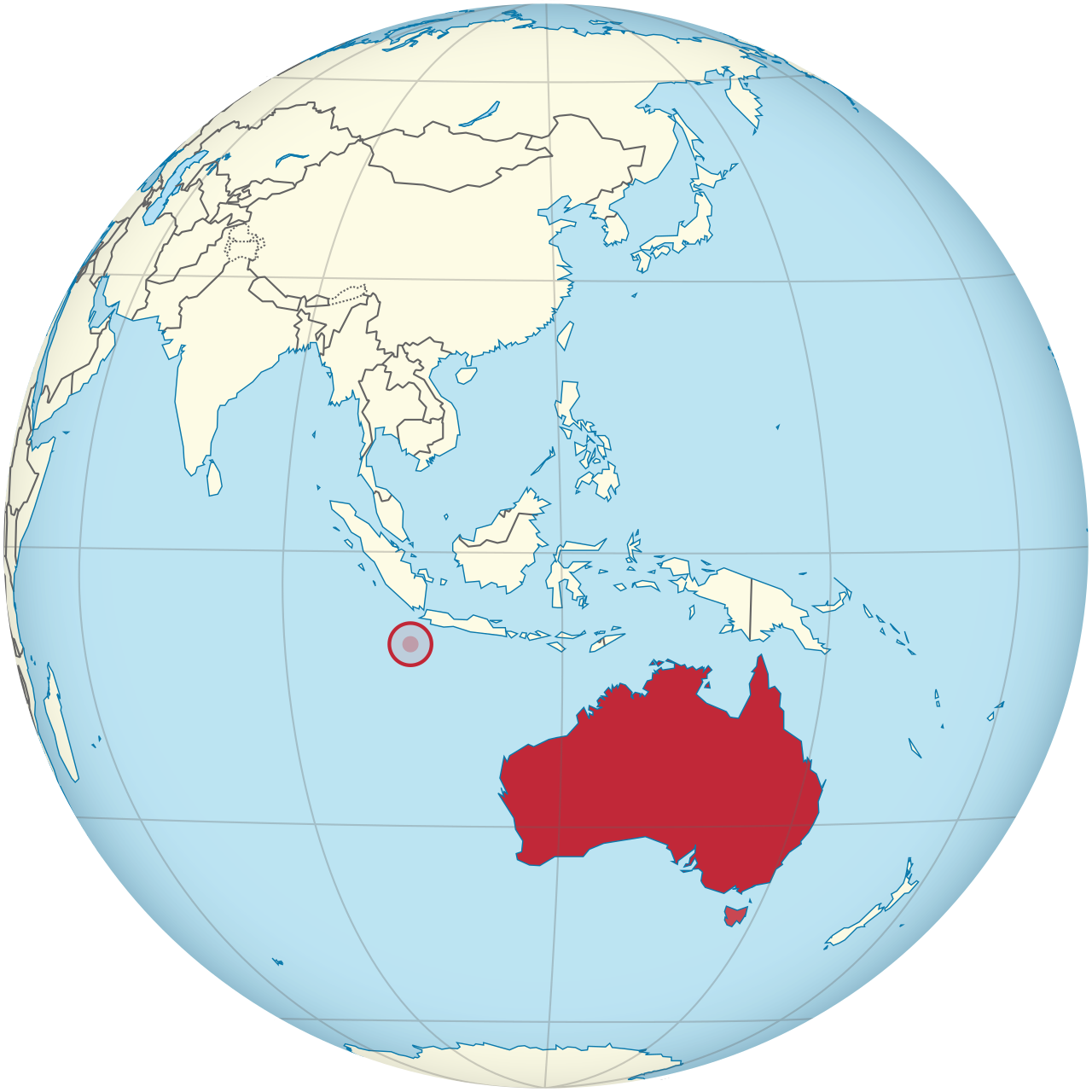
Christmas Island is an Australian territory in the Indian Ocean, but geographically it sits much closer to Southeast Asia.
The island is about 350 kilometres south of Indonesia and roughly 500 kilometres from Jakarta. Australia’s mainland, meanwhile, is around 1,500 kilometres away.
Christmas Island became British territory in 1888 after phosphate was discovered there. It was later administered as part of the Straits Settlements, the same British colonial administration that included Singapore.
Britain eventually transferred the island to Australia in 1958. Since then, Christmas Island has remained an Australian external territory, despite its location just off the coast of Indonesia.
Once Part of the British Empire
Christmas Island was first sighted by Europeans in the 17th century and was named after Christmas Day in 1643.
It was not permanently settled until the late 19th century, after phosphate deposits were discovered. According to the Australian Parliament, Britain annexed Christmas Island in 1888, and phosphate mining began in the 1890s.
In 1900, the island became part of the Straits Settlements, a British colonial administration with Singapore as its capital.
Christmas Island was then administered from Singapore. Singapore’s National Library Board notes that Singapore’s laws applied to the island, with a district officer from Singapore overseeing its local administration.
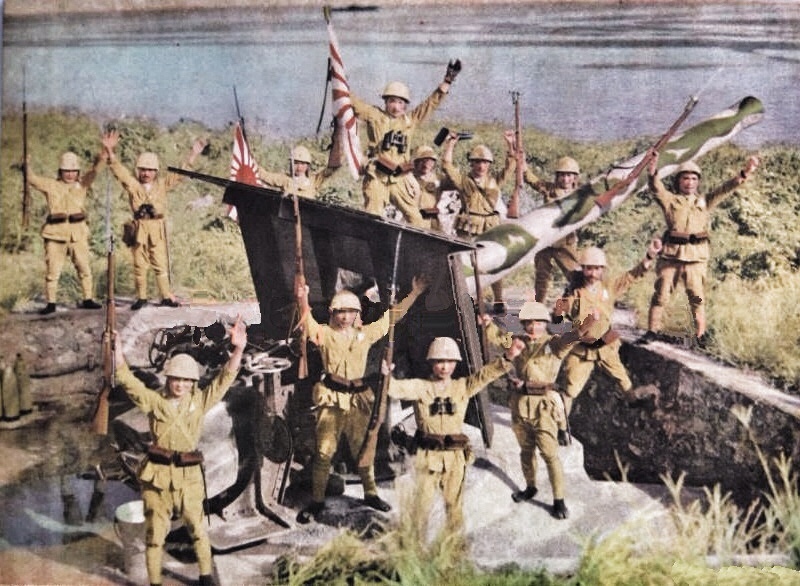
The island was occupied by Japan from 1942 until the end of World War II. After the war, it returned to British administration under the Colony of Singapore.
Australia Took Over in 1958
Australia had an economic interest in Christmas Island because of its phosphate deposits.
The Australian and New Zealand governments acquired the Christmas Island Phosphate Company, which operated the island’s phosphate industry in 1949. When Britain began reducing its colonial presence in the region, Australia pushed to take control of the island.
Britain transferred sovereignty over Christmas Island to Australia on 1 October 1958. Australia paid £2.8 million in compensation for the loss of Singapore’s future phosphate revenue. The date is now marked as Territory Day on Christmas Island.
Christmas Island is an external territory of Australia, but not part of an Australian state.
According to the Australian Government’s Department of Infrastructure, Transport, Regional Development, Communications, Sport and the Arts, the federal government is responsible for the territory, with an Administrator appointed by the Governor-General to oversee its administration.
The island also has its own local government, the Shire of Christmas Island, which manages local services including waste management and town planning.
Australian federal laws apply on Christmas Island, while many Western Australian laws are also applied there. The Australian Electoral Commission lists Christmas Island as part of the Division of Lingiari, an electoral division in the Northern Territory, for federal elections.
It Really Does Look More Southeast Asian
Christmas Island sits in the tropics at about 10° south, with a hot, wet climate and dense rainforest covering much of the island.
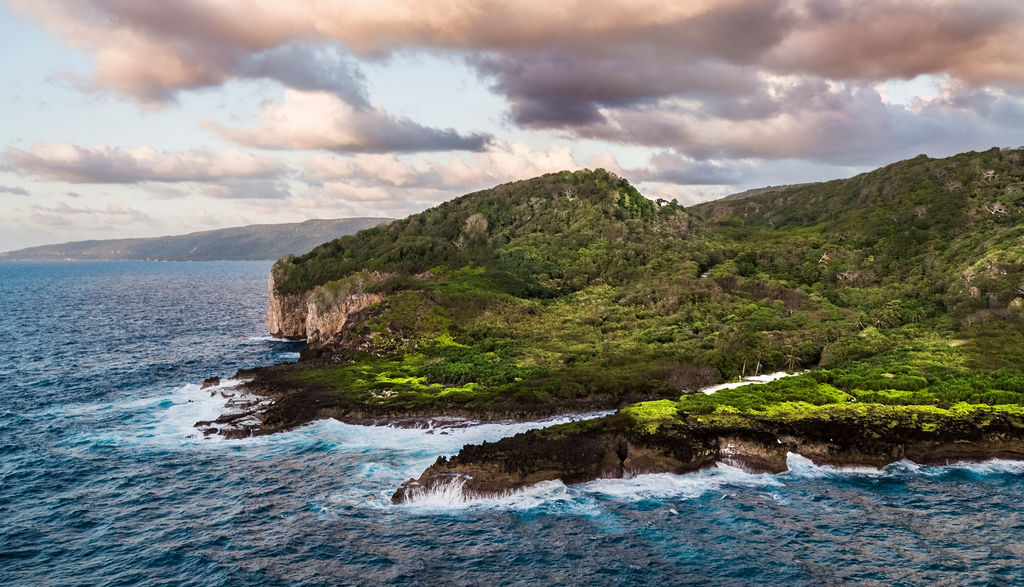
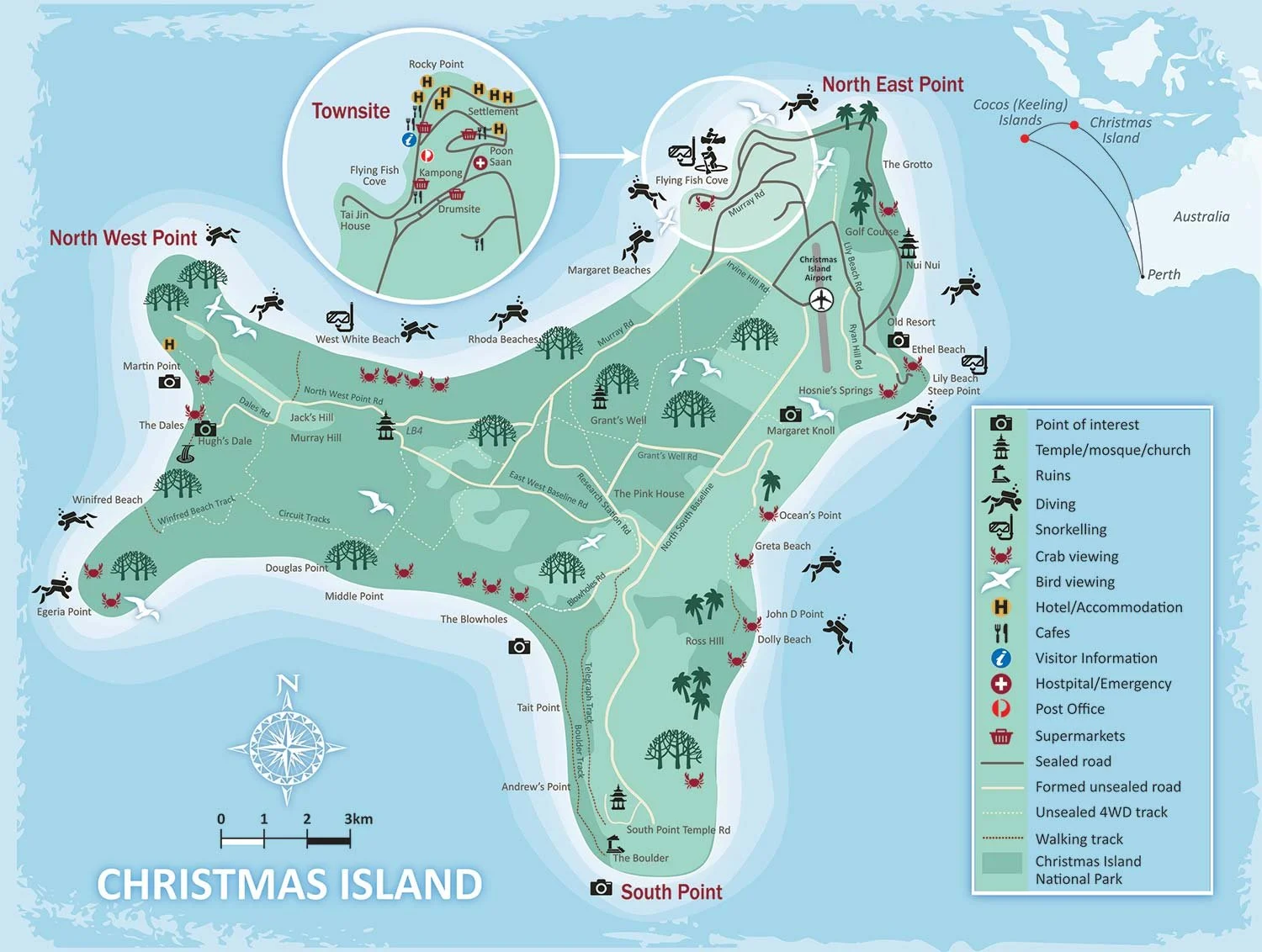
It covers only about 135 square kilometers, and around 64 percent of its land is protected as national park. The coastline is dominated by steep cliffs, while the island itself is the exposed top of a submarine mountain that rises from the ocean floor.
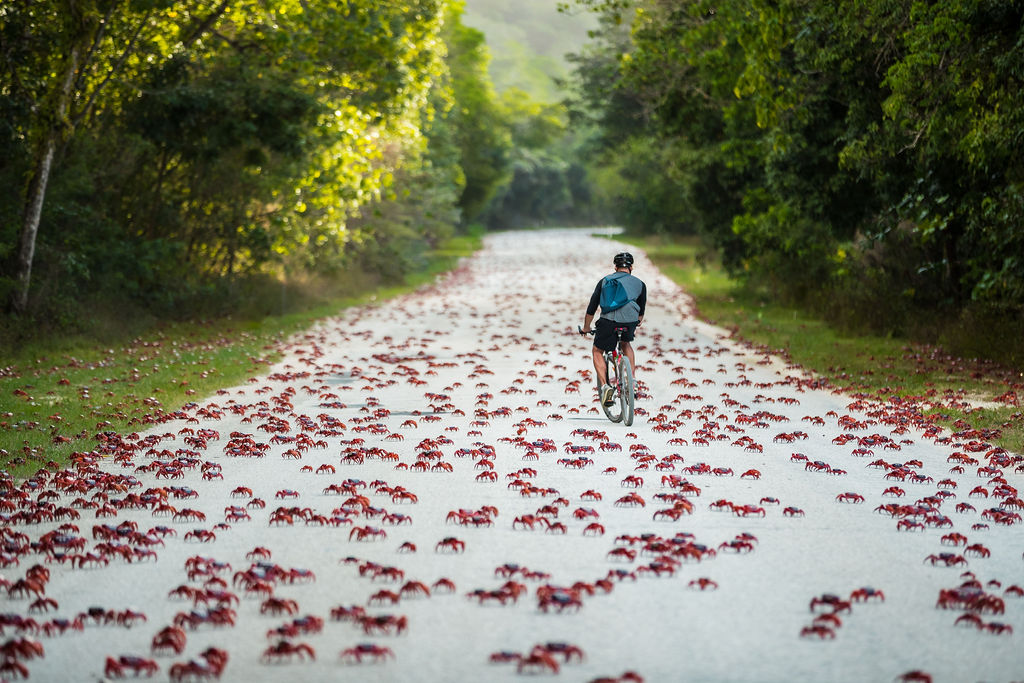
Its wildlife is another reminder of how different Christmas Island is from mainland Australia. The island is home to more than 20 species of terrestrial and intertidal crabs, including the famous red crab.
During its annual breeding migration, millions of red crabs move from the forest towards the coast, crossing roads and sometimes forcing local authorities to close them. Christmas Island is also home to robber crabs, or coconut crabs, the largest land living arthropods in the world.
Read here to learn more: The Red Crab Migration of Christmas Island: A Marvel of Nature and Conservation
According to the Australian Bureau of Statistics, Christmas Island had 1,692 residents in Australia’s 2021 Census. Its population has strong links to Southeast Asia, reflecting the workers and families who settled there during the island’s mining era.
Chinese was the most commonly reported ancestry, at 22.2 percent, followed by Australian at 17.0 percent, Malay at 16.1 percent and English at 12.5 percent. Malaysia was the second largest country of birth, accounting for 18.6 percent of residents. Malay was also the most commonly spoken non English language at home, used by 18.4 percent of the population.
Religion shows a similar mix. Islam was reported by 22.1 percent of residents, making it the largest individual religious affiliation on the island, followed by Buddhism at 15.2 percent.
These figures reflect the island’s long-standing connections with Malaysia, Singapore and other parts of Asia.
A Tiny Australian Territory With an Asian History
The island’s population is closely tied to its history as a mining settlement. Workers came from across Asia, including Malaysia, Singapore and the Cocos (Keeling) Islands. Many stayed and built communities, leaving cultural traditions that are still visible on the island today.
Geographically, Christmas Island has always been there, what changed was the political system.
The island is much closer to Indonesia than to mainland Australia and has long standing links with Singapore and Southeast Asia. Its population also reflects decades of migration from Asia.
But since 1958, Christmas Island has been an Australian territory.