


Jakarta’s urban stories moved north to the historic coastal neighbourhood of Marunda when MuseeID’s Festival Cerita Kota was held at Rumah Si Pitung on September 26, 2026. Through museum exploration, traditional games, local cuisine, drawing and live music, the festival transformed the heritage site into a lively classroom for children and families.
A Day of Discovery on Jakarta’s Coast
Following its August programme at Museum Bahari, Festival Cerita Kota continued its journey through Jakarta’s heritage spaces with Plesiran ke Marunda. The programme invited participants to encounter history through direct, creative experiences rather than observing it from a distance.
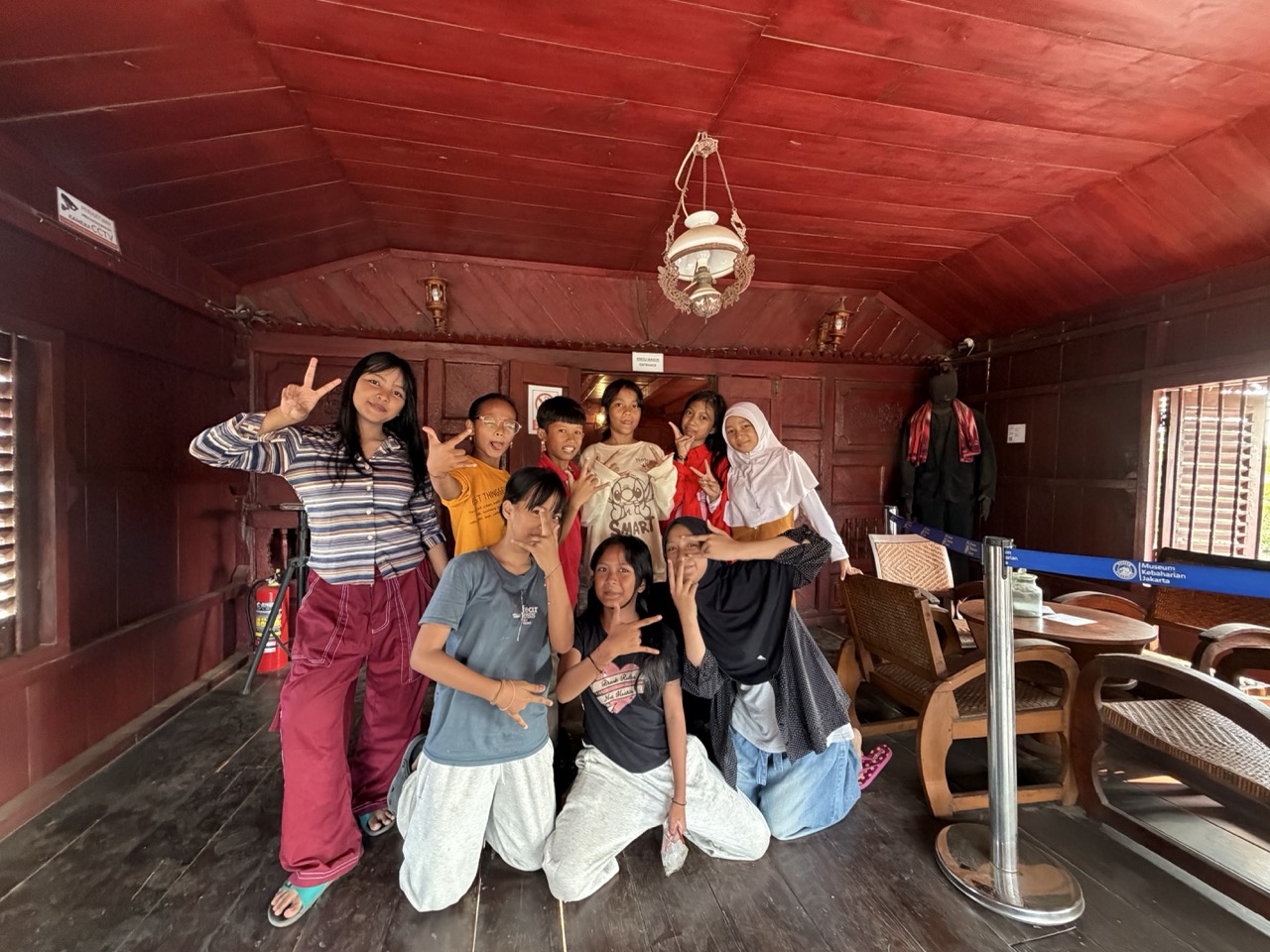
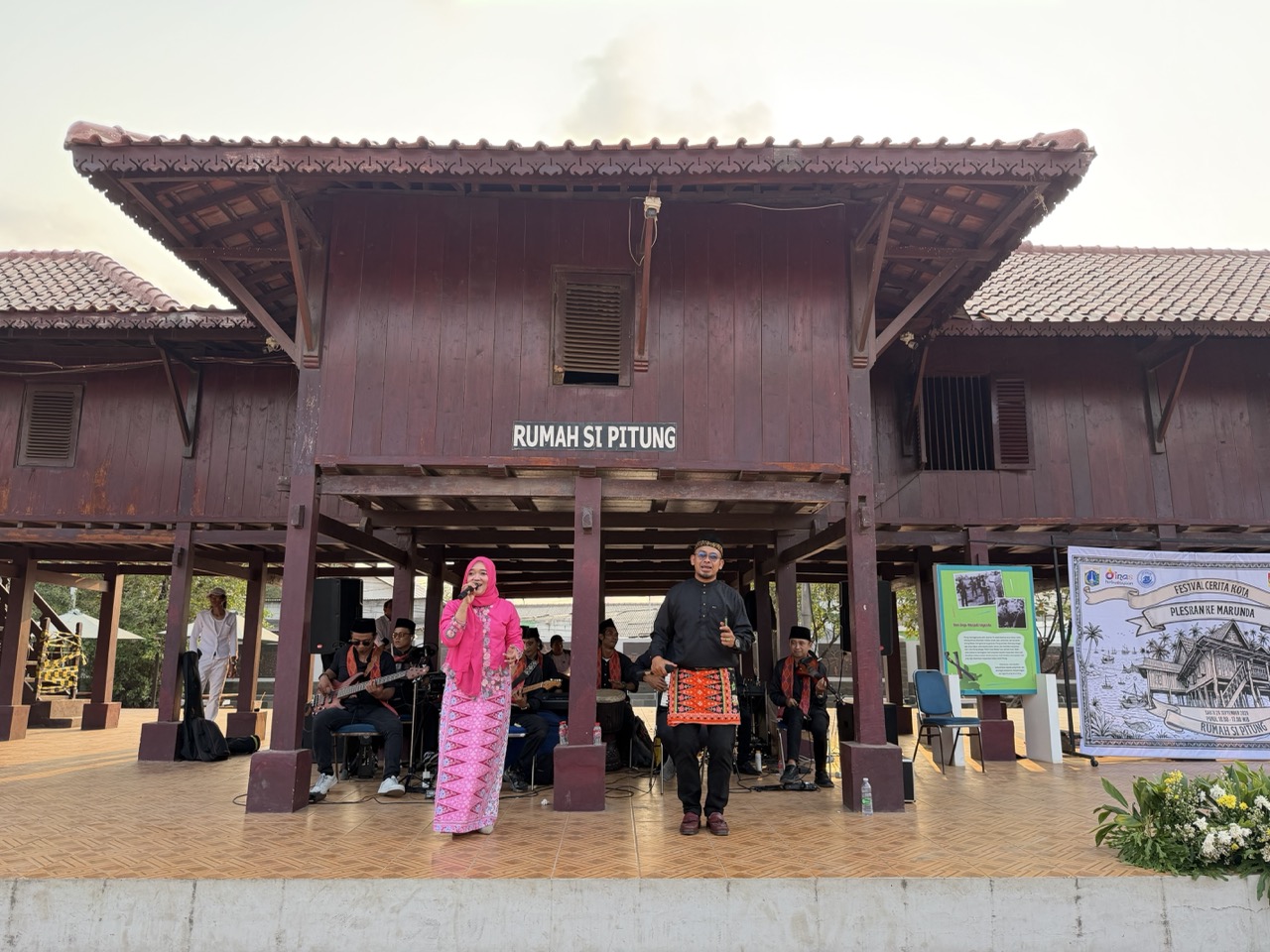
Children and their families explored the museum complex, learned about Si Pitung and coastal life, played a traditional Betawi game and sampled several traditional Jakarta dishes. Two traditional music groups also performed during the programme, entertaining participants while the judges evaluated the children’s artwork.
Together, these activities placed storytelling, play, food and music within the same cultural experience, demonstrating how museums could serve as active community spaces.
Meeting Si Pitung Through History and Legend
Rumah Si Pitung introduced visitors to one of Betawi culture’s most enduring figures. Si Pitung has been remembered as a martial artist, religious man and folk hero who resisted injustice and defended vulnerable communities during colonial-era Batavia.
Interpretive panels at the site distinguished between historical evidence and the stories preserved through oral traditions. Research cited in the exhibition indicated that a figure known as Pitung lived in Batavia during the late nineteenth century. His story was subsequently retold through rancak, poetry, lenong theatre, films, comics, music, photography and digital art.
Although the popular claim that he distributed stolen wealth to poor residents has been difficult to prove through contemporary written sources, his legend continued to represent courage, justice, solidarity with the weak and resistance to oppression.
The protected building itself also told a coastal story. A heritage plaque identified it as a Rumah Tinggi, or elevated house, featuring Bugis architectural influences. Its raised structure reflected the environmental conditions of Marunda, where residents historically adapted their homes and livelihoods to water, tides and coastal weather.
Drawing Inspiration from the Museum
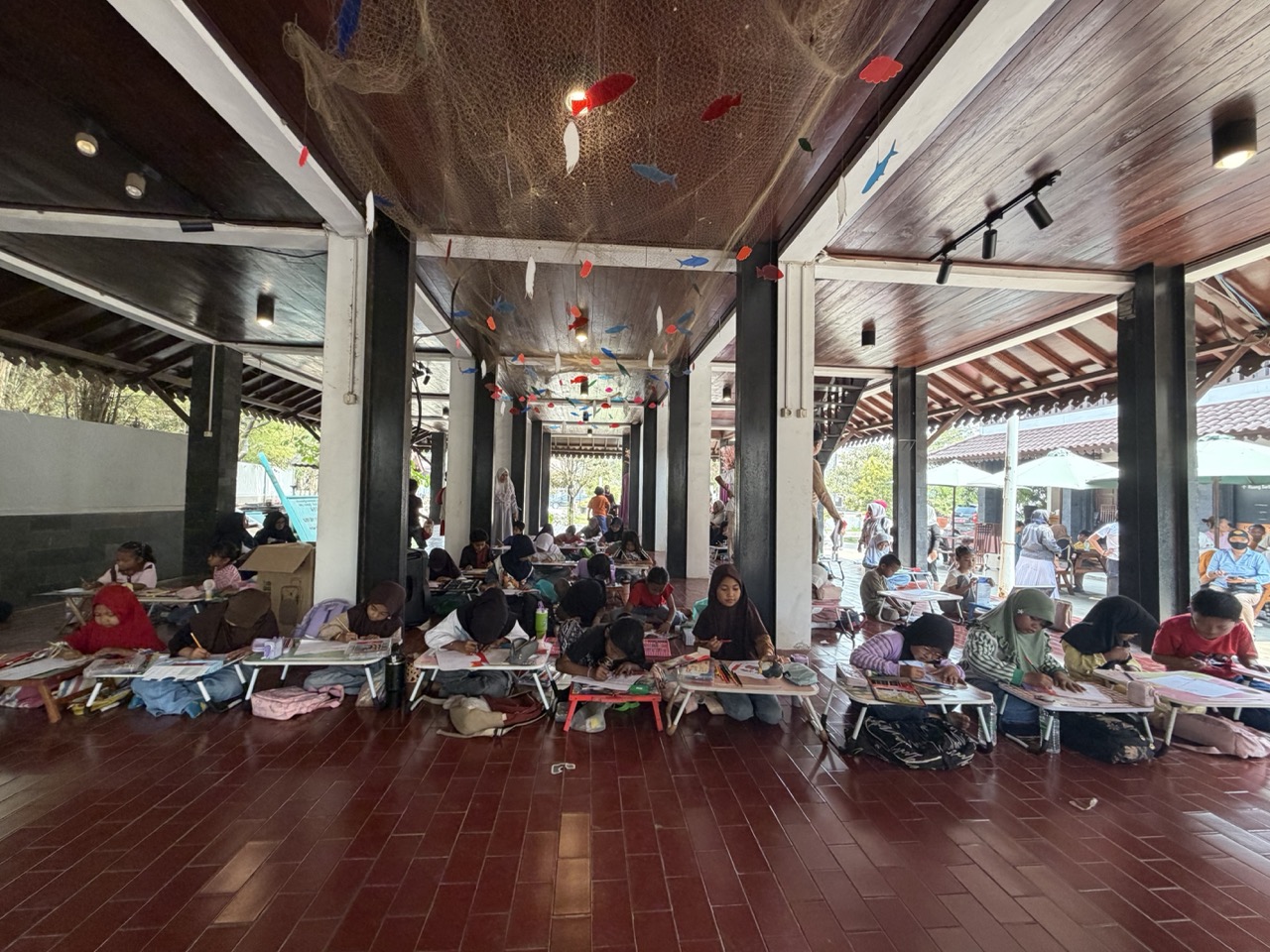
The museum tour also prepared children for the festival’s drawing competition. Participants walked around the site, studied the traditional wooden architecture and examined displays about Si Pitung before translating their observations into pictures.
The competition was divided into two categories: elementary school pupils in grades one to three and those in grades four to six. Each category recognized six children. Three runners-up received certificates and souvenirs, while the first-, second- and third-place winners received trophies, certificates, souvenirs and prize money.
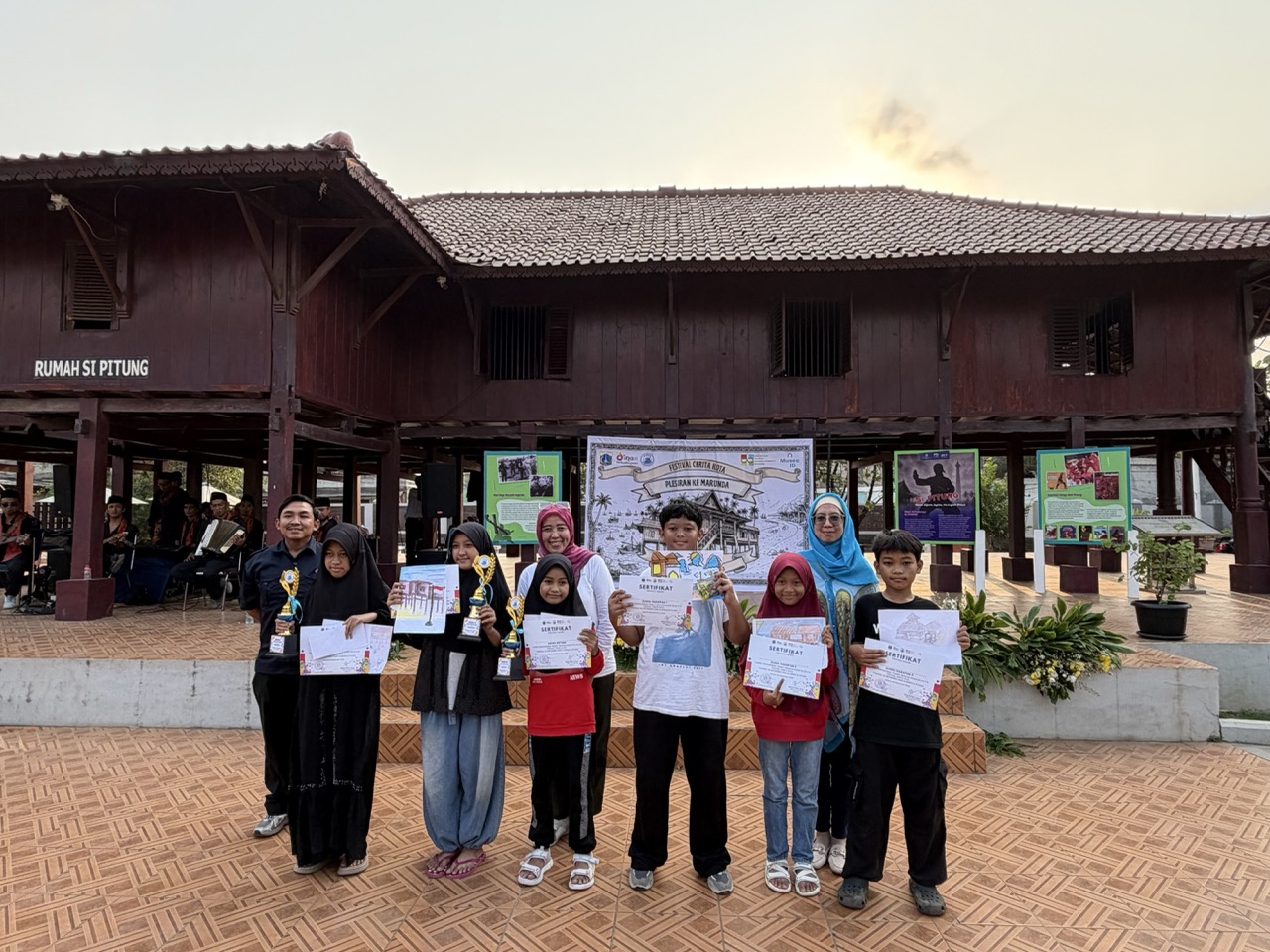
The activity encouraged the children to look carefully at their surroundings. Rumah Si Pitung became more than the subject of a history lesson; its pillars, stairways, coastal setting and legendary associations became material for imagination and personal interpretation.
Learning Through Games, Flavours and Music
The Damdas workshop introduced participants to a traditional Betawi strategy game often compared with simplified chess or draughts. By learning its rules and playing together, children encountered cultural heritage through problem-solving, concentration and friendly competition.
Traditional Jakarta cuisine added another sensory dimension. Tasting local dishes allowed families to connect the city’s history with recipes and flavours passed between generations. Meanwhile, the two musical performances maintained a festive atmosphere as participants waited for the drawing results.
“For my generation, Pitung is a legend, but for Generation Alpha, his name is becoming unfamiliar. It must be renewed,” theatre director and writer Dolfry Inda Suri said in July while discussing the need to introduce the Betawi hero to younger audiences.
Why City Stories Are Important for Southeast Asia’s Children
For children across Southeast Asia, understanding local history can help them recognize that cities are shaped by communities, environments and generations of change. Learning about historical figures allows them to examine bravery, justice and leadership while also distinguishing between documented history and popular legend.
Coastal heritage is especially important. From Jakarta and Semarang to Manila, Bangkok and Ho Chi Minh City, young people are growing up in urban areas confronting flooding, land subsidence, pollution, disappearing traditional livelihoods and rapid development. Historical places such as Rumah Si Pitung can help them understand how earlier communities adapted to coastal conditions—and why today’s challenges require both cultural awareness and new solutions.
By the end of the festival, Marunda’s history had been experienced through many forms: a museum tour, a board game, shared food, children’s drawings and traditional music. Festival Cerita Kota showed that local heritage remained vivid when younger generations were invited not only to study it, but also to play with it, interpret it and make it their own.


