You have probably seen those “American power” edits. The bass drops, the flag fills the screen, and an eagle screeches.
That bird appears on the Great Seal, military emblems, passports and the dollar bill, and Americans have treated it as their national bird for more than two centuries. It only became the official national bird in December 2024, when Congress finally put that tradition into law.
The eagle had been on the Great Seal since 1782, so the title arrived 242 years late.
How America Chose the Eagle
The story began on July 4, 1776. Just hours after adopting the Declaration of Independence, the Continental Congress appointed Benjamin Franklin, Thomas Jefferson and John Adams to design a national seal. The three Founding Fathers proposed very different visions.
According to the U.S. Department of State’s National Museum of American Diplomacy, Franklin imagined Moses parting the Red Sea as Pharaoh's army was destroyed, while Jefferson envisioned the Israelites in the wilderness alongside figures representing the early Britons. Adams turned instead to Greek mythology, proposing Hercules choosing between virtue and vice.
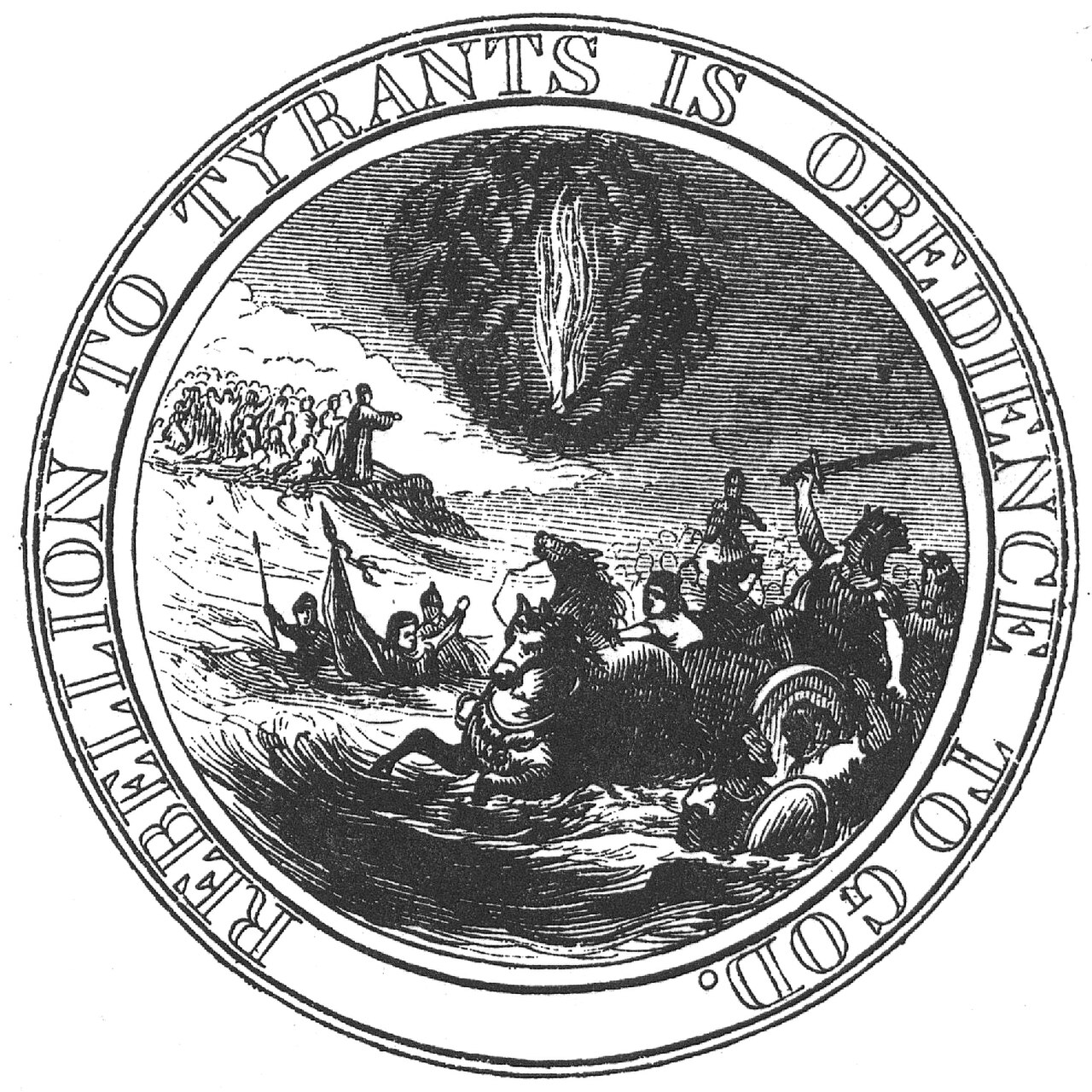
Their ideas went nowhere.
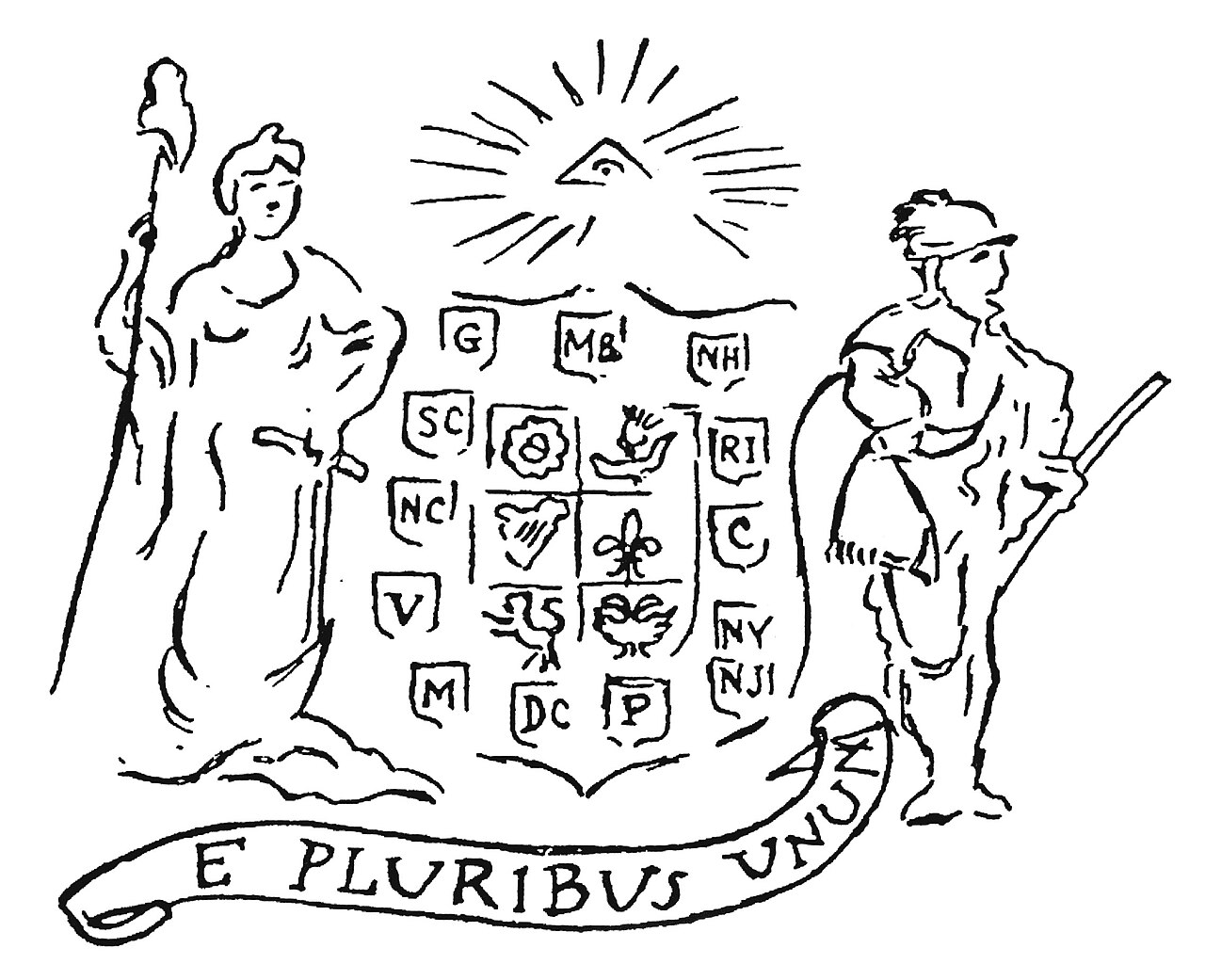
The committee then consulted Pierre Eugene du Simitiere, a Philadelphia artist with knowledge of heraldry. Its report, submitted to Congress on August 20, 1776, was ordered to “lie on the table.” The project was effectively shelved. Some of its ideas, including the motto E Pluribus Unum, the Eye of Providence and the year 1776 would survive into the final seal.
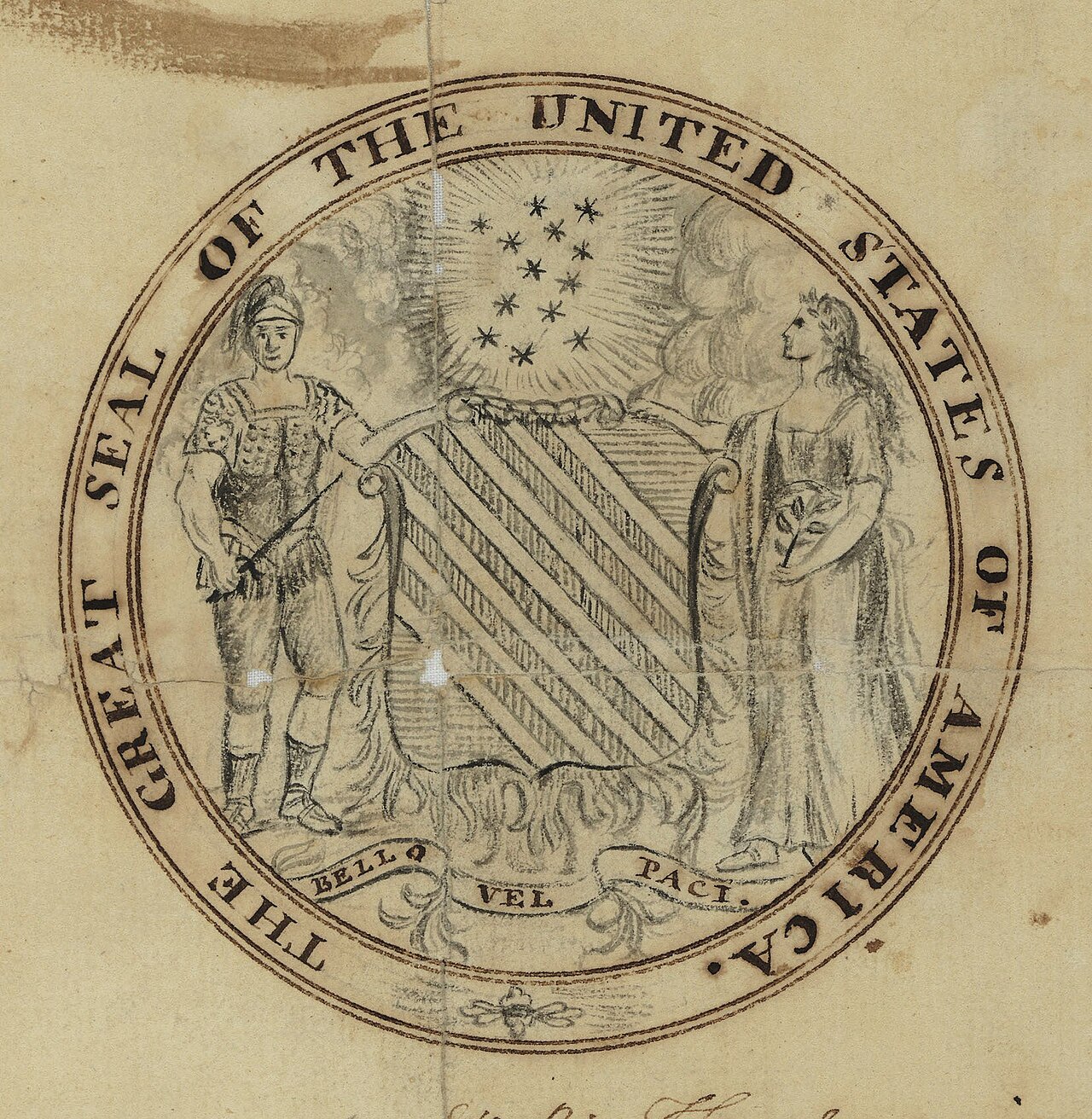
A second committee was formed in March 1780 and turned to Francis Hopkinson, a signer of the Declaration of Independence and a designer of the American flag. His proposal introduced several elements that would survive into the final seal, including 13 red-and-white stripes, a constellation of 13 stars, 13 arrows and an olive branch.
The design was not accepted.
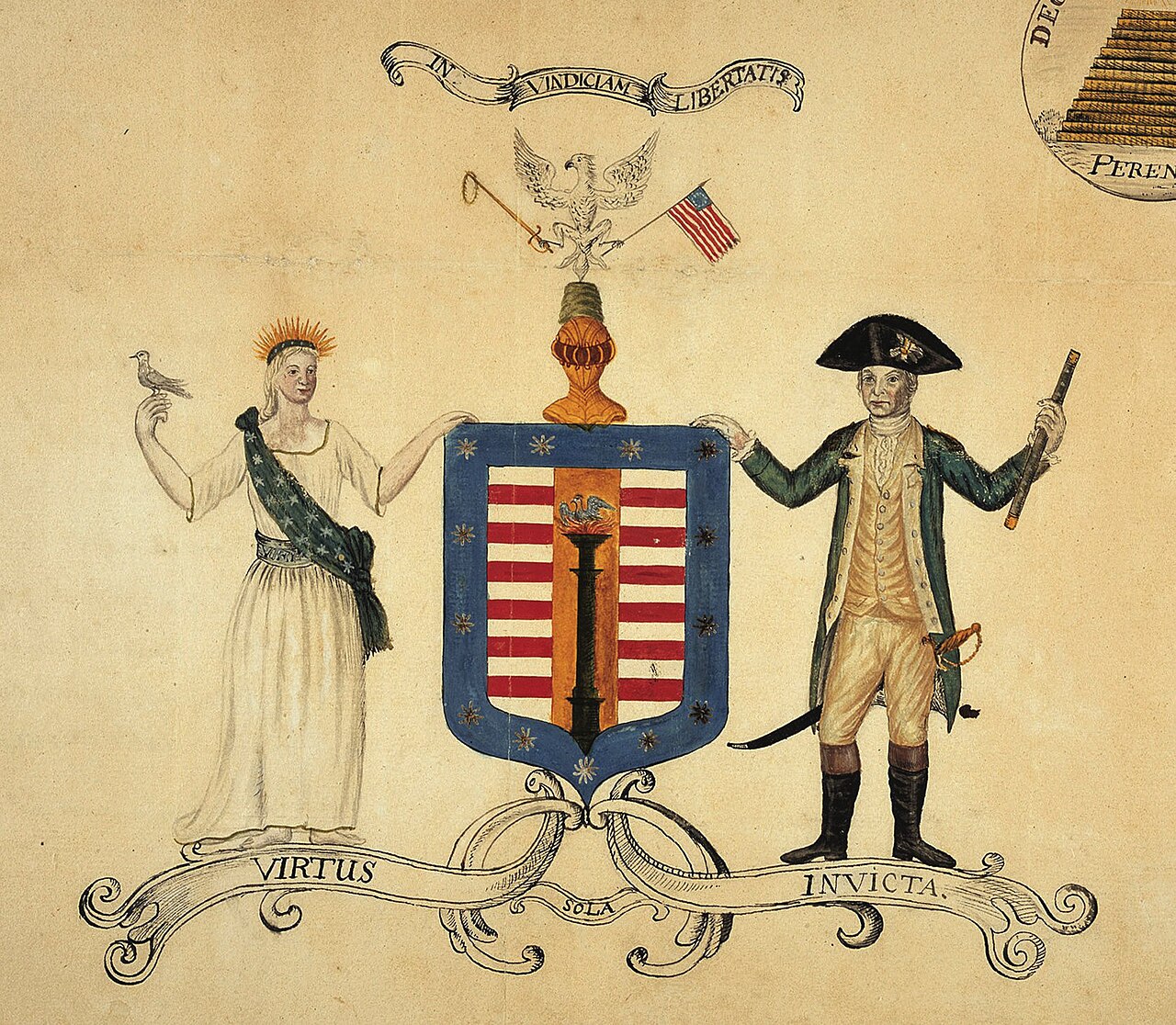
The third committee followed in May 1782, bringing in William Barton, a Philadelphia student of heraldry. According to the U.S. National Archives, Barton was the first designer to introduce an eagle into a proposed Great Seal. His design featured a small, crested white eagle rather than the bald eagle used today.
On June 13, Congress handed the work of the three committees to Charles Thomson, Secretary of the Continental Congress.
Rather than simply choosing one proposal, Thomson drew from all three. He replaced Barton’s crested eagle with the American bald eagle and made it the centerpiece of the design. He also placed an olive branch in its right talon and arrows in its left, symbolizing peace and war.
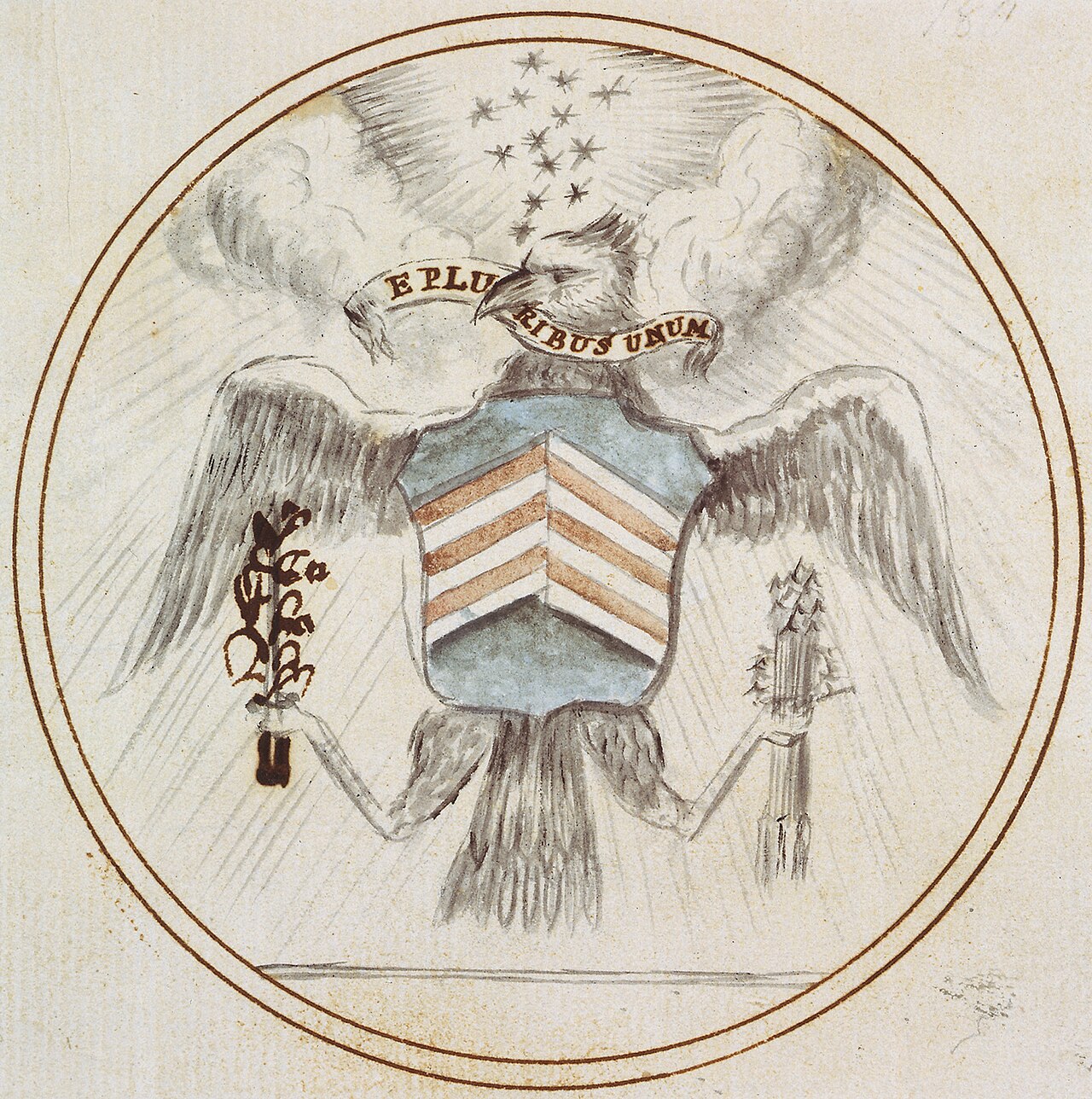
Thomson submitted his design on June 20, 1782, and Congress approved it the same day. What Congress adopted was not an illustration but a written heraldic description, which served as the basis for the seal.
What the Eagle Was Meant to Represent
Charles Thomson’s own report to Congress explained the symbolism behind the design.
The eagle holds an olive branch in its right talon and a bundle of 13 arrows in its left, representing the powers of peace and war. The National Museum of American Diplomacy notes that the eagle’s gaze toward the olive branch symbolizes a preference for peace while remaining prepared to defend itself.
On its breast is a shield with 13 red-and-white stripes beneath a blue chief, while 13 stars form a constellation above its head. The number 13 represents the original states. In its beak, the eagle holds a scroll bearing E Pluribus Unum, Latin for “Out of Many, One.”
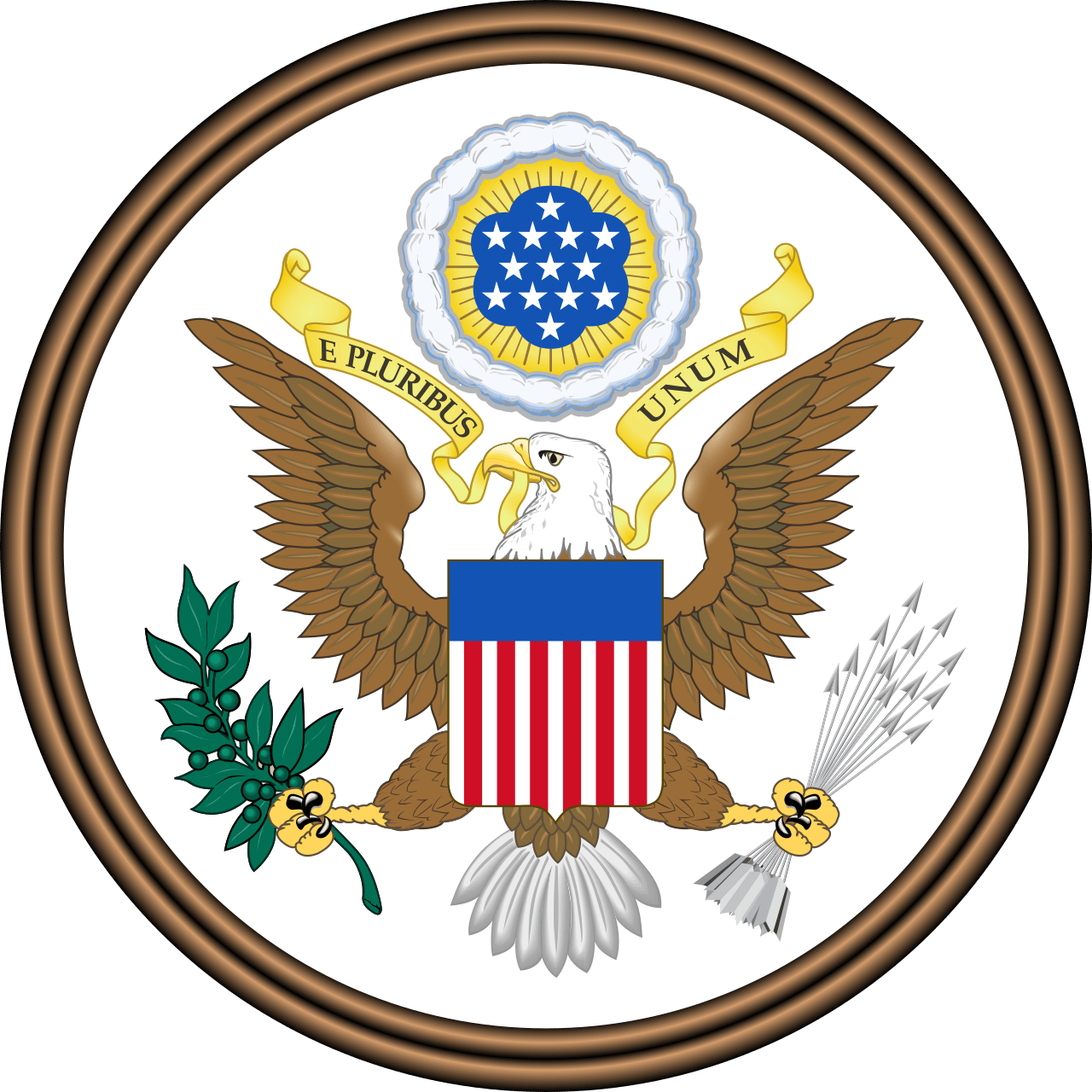
According to the National Archives, the motto dates back to the first committee’s 1776 proposal and was carried over into the final design.
Benjamin Franklin Disliked It
Benjamin Franklin was no fan of the eagle. In a January 26, 1784 letter to his daughter, Sarah Bache, Franklin wrote that he wished the bald eagle had not been chosen to represent the country, calling it “a bird of bad moral character”.
He mocked the eagle for being too lazy to catch its own food and stealing from the fishing hawk, while describing the turkey as a more respectable bird and a true native of America.
But the story is often misunderstood. According to the Library of Congress, Franklin was not criticizing the Great Seal in the letter. He was criticizing the eagle on the insignia of the Society of the Cincinnati, a hereditary organization of Continental Army officers founded in 1783.
Franklin thought the Society’s eagle looked more like a turkey, and said he was not displeased by the resemblance.
The letter was private, and Franklin never formally proposed replacing the national eagle with a turkey. His comments instead became the basis for a much later popular story that he wanted the turkey as America’s national bird, a claim the surviving letter does not actually make.
It Took 242 Years to Become Official
For 242 years, the bald eagle was an American national symbol in everything but federal law.
Congress adopted it as part of the Great Seal on June 20, 1782, but it was not formally designated the nation’s national bird until December 23, 2024, when President Joe Biden signed the law.
According to the U.S. Congress, Public Law 118-206 amended Chapter 3 of Title 36 of the U.S. Code by adding Section 306, which states that “the bald eagle (Haliaeetus leucocephalus) is the national bird.”
Congress’s findings cited the bird’s long-standing role as a U.S. symbol, its status as the leading insignia of all branches of the military, and the fact that the species is unique to North America. The law also noted its use across federal agencies and other national institutions.