You can now visit a waterfall in two countries on the same trip.
Since October 2024, Viet Nam and China have jointly run a tourism zone at the falls, and visitors on organized tours can cross the border to see the other side.
The zone covers Ban Gioc Waterfall in Viet Nam’s Cao Bang Province and Detian Waterfall in China’s Guangxi Zhuang Autonomous Region. They are two parts of one waterfall system on the border, and both governments now let tourists see each side.
Border checks still apply.
The Falls on the Border
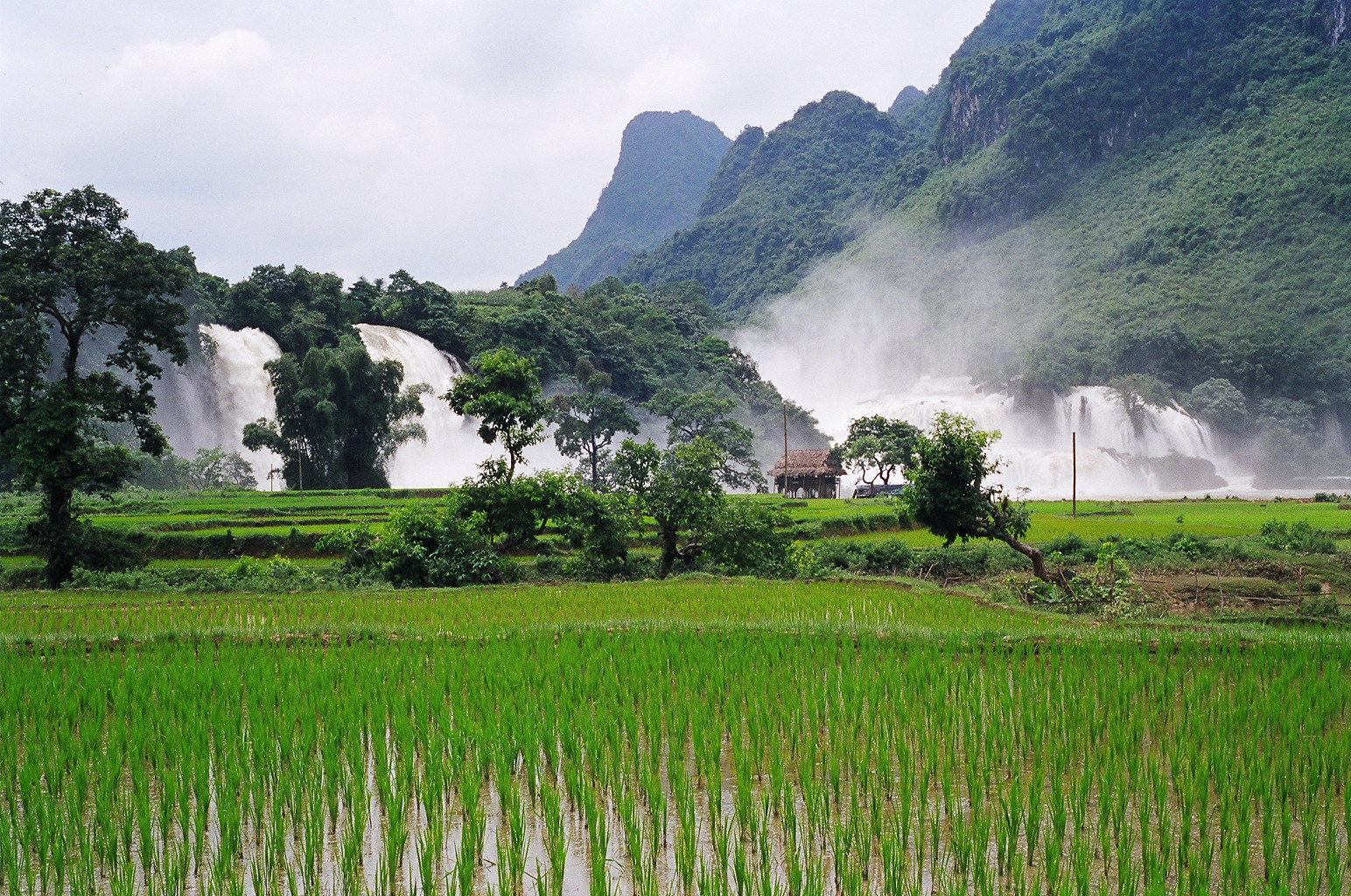
Ban Gioc-Detian is the largest cross border waterfall in Asia and the fourth largest in the world, according to China’s Xinhua News Agency.
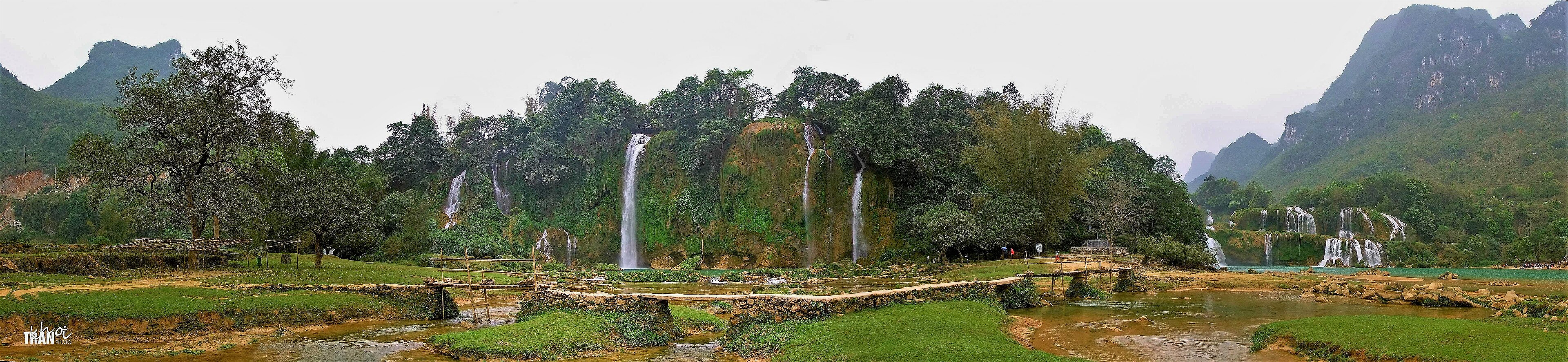
The falls span up to approximately 300 meters in width, although published measurements vary with water levels and the area being measured.

The falls lie on the Quay Son River, known as Guichun in Chinese, along the border between northern Viet Nam and southern China. Each country manages tourist facilities on its own side. The falls usually appear as two separate cascades, but during the rainy season, rising water levels can cause them to merge into a broader curtain of water.
Visitors can see the falls from both sides, but crossing between the two requires passing through border control.
The two countries signed their land border treaty on December 30, 1999, which entered into force on July 6, 2000. On November 5, 2015, they signed an agreement to jointly protect and develop the falls’ tourism resources, which took effect in June 2016.
A cross border tourism cooperation zone began trial operations on September 15, 2023. On October 15, 2024, the China-Viet Nam Detian-Ban Gioc Waterfall Cross Border Tourism Cooperation Zone officially began operations.
It is China’s first cross border tourism cooperation zone.
The Rules for Crossing
Tourists can’t cross whenever they like. They have to use one designated border opening and follow procedures the two countries have agreed on.
According to Viet Nam’s National Authority of Tourism, during the pilot phase, groups were limited to 20 people. Visitors needed a valid passport or another permitted travel document, and overnight stays across the border were not allowed. Each group could spend up to five hours on the other side and had to return by 5 pm Beijing time.
According to reports on the zone’s official opening on October 15, 2024, the daily visitor quota increased from 500 to 1,000 people per side. Opening hours were extended from 10 am-5 pm to 9 am-6 pm Beijing time, while the maximum visit across the border increased to six hours per group.
Visitors can register through an online system that uses facial recognition for identity verification. Group travel, designated routes, and entry and exit through the same crossing point remain part of the arrangement.
Tour operators can organize visits on both sides, but travelers must still pass through the designated border checks before entering the other country.
The Visitor Numbers
Vietnamese authorities recorded 16,092 cross border visits between September 15, 2023, and October 11, 2024. Of these, 5,190 were trips from Viet Nam to the Chinese side, while 10,902 were trips from China to the Vietnamese side.
Chinese authorities reported a higher total of 17,991 visitors in 1,232 tour groups as of October 10, 2024. The figures cover slightly different reporting periods and come from the two countries’ respective authorities, so they should not be treated as directly comparable totals.
After the zone officially opened on October 15, 2024, Viet Nam News Agency reported that it welcomed nearly 11,000 visitors during its first month of operation.
Chinese official data published by Xinhua Silk Road show that between October 15 and December 15, 2024, the zone recorded 4,430 visits by Chinese tourists to the Vietnamese side and 886 visits by Vietnamese tourists to the Chinese side.
The flow of visitors continued into 2025. On July 15, People’s Daily reported that the zone had received 1,838 Chinese cross border tour groups and 639 Vietnamese groups. By February 2026, Xinhua reported that total cross border visits since the official opening had exceeded 100,000.
Running the zone requires coordination between both countries’ border authorities, customs and quarantine officials, as well as tour operators responsible for organizing group visits under the agreed arrangements.
A Joint Project Between Two Governments
The Ban Gioc-Detian zone shows how two countries can jointly operate a tourist attraction while retaining separate borders and immigration systems.
According to a joint statement released by the Vietnamese and Chinese governments on October 14, 2024, the zone’s official operation was announced during Chinese Premier Li Qiang’s visit to Viet Nam. It opened the following day.
The project is part of broader efforts by Viet Nam and China to expand tourism cooperation and people-to-people exchanges, particularly in border regions, as outlined in their joint statement.
Ban Gioc and Detian remain on opposite sides of the international border, but organized tour groups can now visit both sides under agreed procedures.