


At Museum Majapahit in Trowulan, Mojokerto, the MuseeID team’s exploration of East Java’s heritage met a story still being written. The visit connected the surviving traces of an ancient civilisation with an ambitious redevelopment intended to bring more of its history into public view.
A Century of Keeping History Close
The museum’s own history provides a starting point. Opened in 1926, Museum Trowulan grew from the archaeological work of the Oudheidkundige Vereeniging Majapahit, an association established in 1924. Its collections helped preserve discoveries from the surrounding landscape, where fragments of buildings, sculpture and everyday objects continued to emerge. In 2026, that museum tradition reaches its centenary.
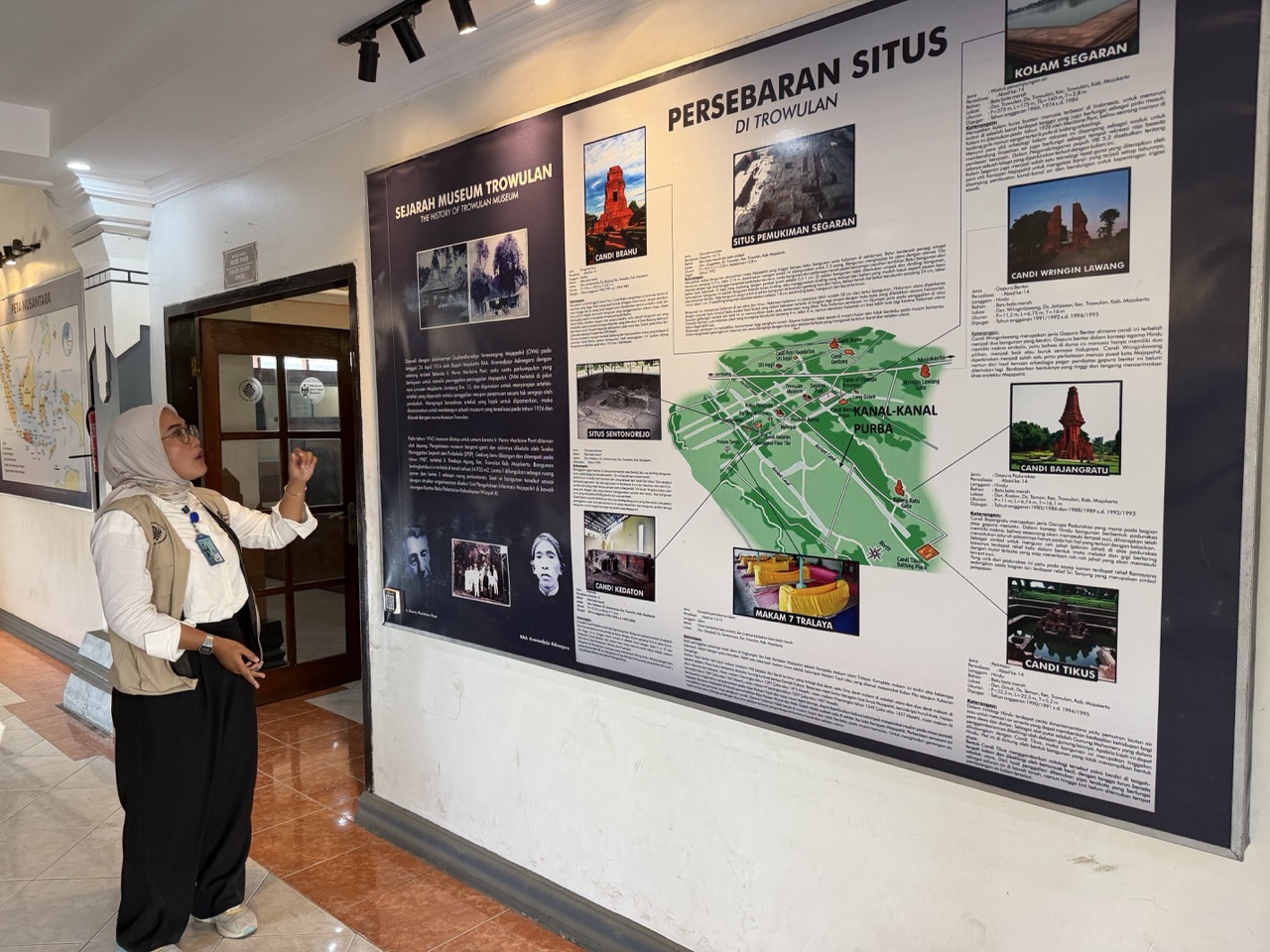
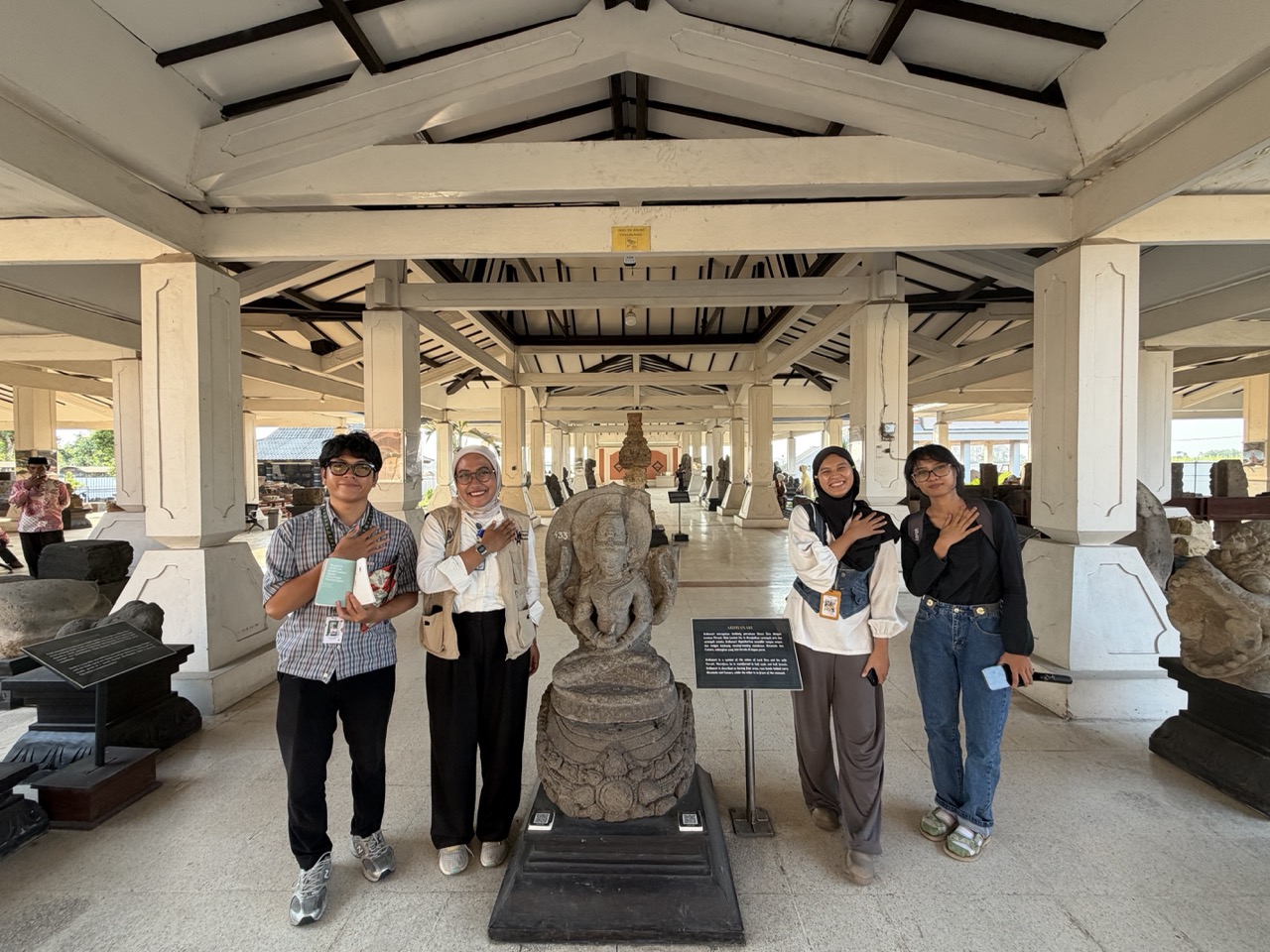
For MuseeID, the visit brought this long preservation effort into the wider story of museums in East Java. Alongside the local histories explored at Museum Kanjeng Sepuh Sidayu and Museum Madanten in Gresik, Trowulan offers another scale of interpretation: the material remains of a former royal capital.
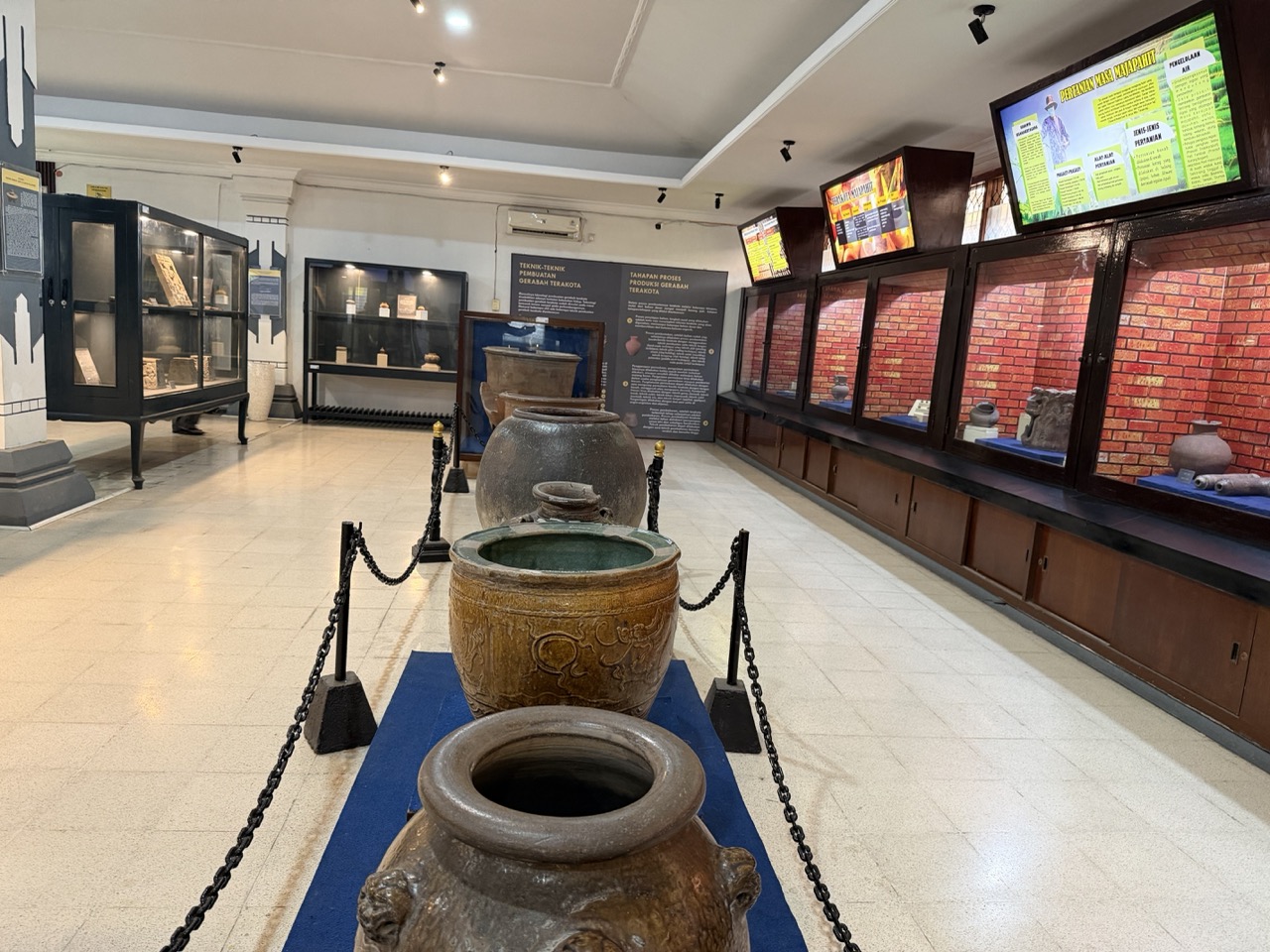
Yet an ancient civilisation becomes easier to understand through more than its rulers. Terracotta, ceramics and stone carvings invite questions about craftsmanship, belief, trade and daily life. Who made these objects? How were they used? What can their surviving details reveal—and what remains uncertain?
Making Room for More Stories
The museum is now preparing for a substantial expansion. On September 13, 2026, Culture Minister Fadli Zon launched construction of the development he has proposed calling Museum Agung Majapahit, or the Grand Museum of Majapahit.
The project combines the existing 5.4-hectare grounds with 4.8 hectares of additional land, creating an integrated area of approximately 10.2 hectares. Its reported budget is Rp148.6 billion, including construction and construction-management services. Officials have cited approximately 88,000 heritage objects, only a portion of which can currently be exhibited.
“We often invoke Majapahit and its greatness, but there is not yet a museum that adequately represents it,” Fadli said, in remarks released following the groundbreaking. His statement explains the central challenge: giving a frequently celebrated past the space and interpretation needed to make it understandable.
Physical construction is targeted for completion by the end of 2026, with exhibition arrangements planned for 2027. These are development targets, rather than confirmation that the expanded galleries will open this December or that every stored object will go on permanent display.
Building Around the Evidence
The planned architecture draws on Surya Majapahit, the sun emblem associated with the kingdom, and incorporates red brick to connect the new buildings with Trowulan’s historic landscape.
“The museum design harmonises architecture with Majapahit’s cultural environment, including through the use of red brick,” said Restu Gunawan, the Culture Ministry’s director-general for cultural and traditional protection.
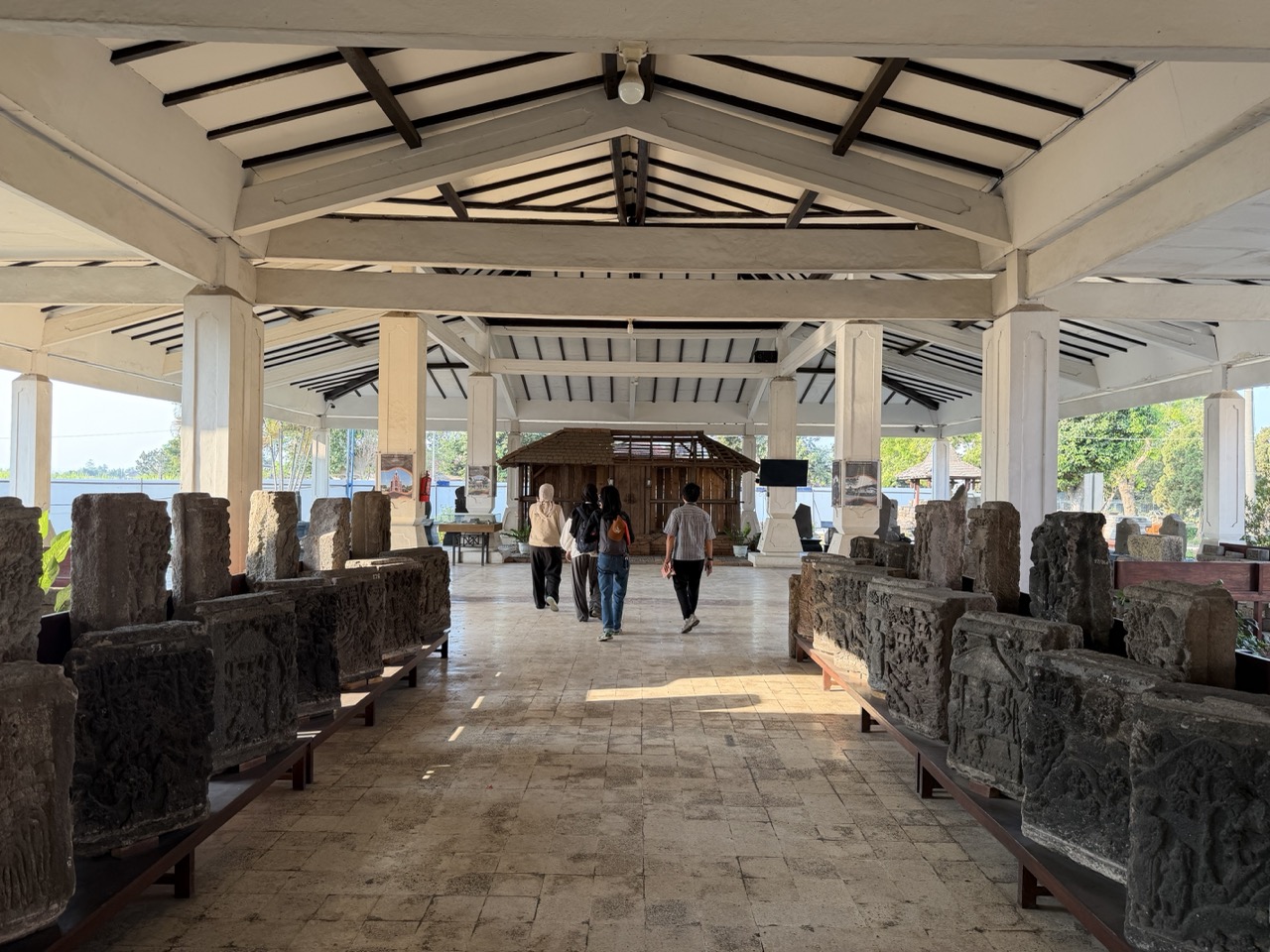
Archaeological investigation is especially important when building within an ancient settlement. Reporting on the project identified 50 excavation points investigated during 2025–2026, with historic structures found at five locations, including building remains and wells. The intention is to protect archaeological discoveries and incorporate them into the museum experience where appropriate.
For visitors, this could create a powerful connection between an object and its original surroundings. The museum’s future appeal will depend on explaining that evidence carefully, allowing people to distinguish surviving remains from interpretation and reconstruction.
Learning Beyond the Display Cases
Museum Majapahit also has a history of encouraging people to engage directly with the knowledge behind its collections. Reporting from 2012 documented free lessons in Old Javanese language and script, demonstrating how museum learning can extend into reading inscriptions and understanding historical sources. That earlier programme offers a useful precedent, although its published timetable should not be treated as a confirmed schedule for 2026.
The redevelopment proposes immersive rooms, interactive digital interpretation and renewable-energy features such as solar panels. These facilities could help younger audiences approach unfamiliar subjects, particularly when supported by clear explanations and knowledgeable educators.
The wider Trowulan landscape adds another dimension. Its surviving gateways, religious structures and water-management remains place museum objects within the setting of an ancient city. Indonesia’s submission of Trowulan to UNESCO’s Tentative List describes this archaeological landscape; the designation is distinct from inscription as a World Heritage Site.
Carrying the Story Forward
MuseeID’s visit places Museum Majapahit within a broader journey through East Java’s ways of preserving memory—from village collections to a major archaeological institution. As Trowulan prepares for its next chapter, the opportunity is to make more history accessible while keeping the evidence, the landscape and the people who care for them at the centre of the story.


