


Before Jakarta became a city of highways and high-rises, its communities were already reshaping waterways. A canal recorded in the fifth-century Tugu Inscription provided the starting point for MuseeID’s Festival Cerita Kota Series 3, inviting younger generations to explore the connections between water, heritage and the city’s creative future.
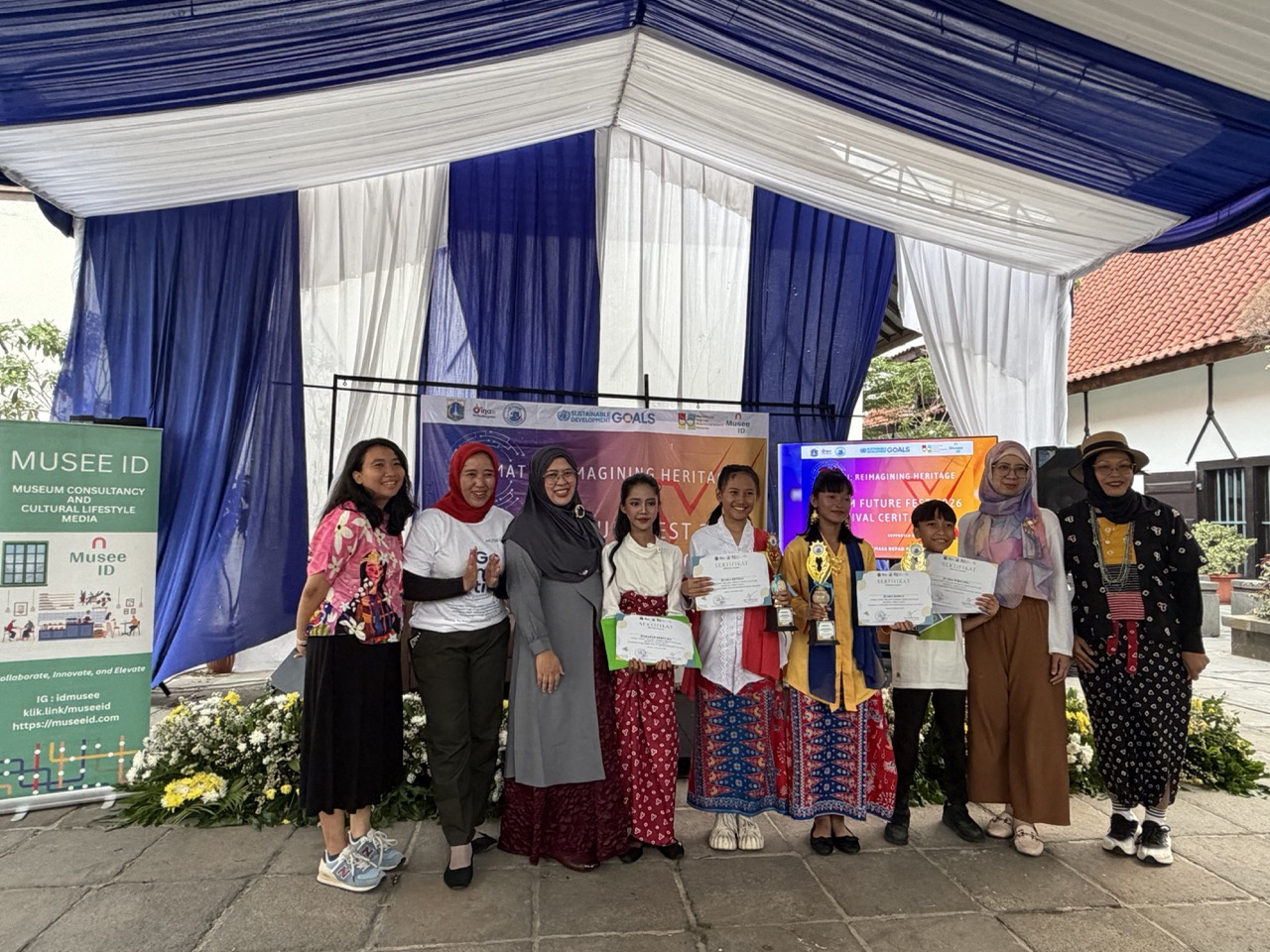
Held on Saturday, October 24, 2026, at Museum Bahari Jakarta, Museum Future Fest; Gomati: Reimagining Heritage combined youth conversations, creative competitions, workshops, music and film. Its theme, Menelusuri Jejak Purba Gomati & Warisan Kampung Batu Tumbuh, connected historical knowledge with contemporary expression.
Reading a City’s History in Stone
At the centre of the programme was Prasasti Tugu, a record of water management under King Purnawarman of Tarumanagara. Written in Sanskrit using Pallava script, the inscription preserved details of a project undertaken during the 22nd year of his reign.
According to the text, the Gomati channel extended for 6,122 dhanus, or bow lengths, commonly estimated at approximately 11–12 kilometres. Its excavation took 21 days, and completion was marked by a gift of 1,000 cows to Brahmins. These figures described an undertaking that brought political authority, organised labour and religious ceremony together.
The inscription offered an early written account of water engineering in the Indonesian archipelago. Historians had interpreted the channel as serving drainage, flood mitigation and agricultural needs, although the text itself did not provide a modern engineering explanation.
For festival audiences, this history opened questions about how communities lived with water, who made decisions about it and how urban development had changed those relationships.
Following Gomati with Curiosity and Care
The ancient Gomati had often been associated with the Old Cakung waterway around Kampung Batu Tumbuh in North Jakarta. That connection provided a local starting point, although its precise route remained an archaeological question.
“We have not yet been able to determine it,” University of Indonesia archaeologist Ninie Susanti told ANTARA in 2020, explaining that later waterways complicated identification. Her observation highlighted the distinction between what the inscription recorded and what researchers were still investigating.
The stone itself had been transferred to the institution now known as Museum Nasional in 1911. Its preservation provided access to the original object, while Batu Tumbuh retained the geographical context and community memories surrounding its discovery.
Connecting these settings offered a fuller approach to understanding Gomati. The museum object supplied historical evidence, while neighbourhood accounts brought more recent changes in the surrounding landscape into view.
Giving Selected Young Speakers the Microphone
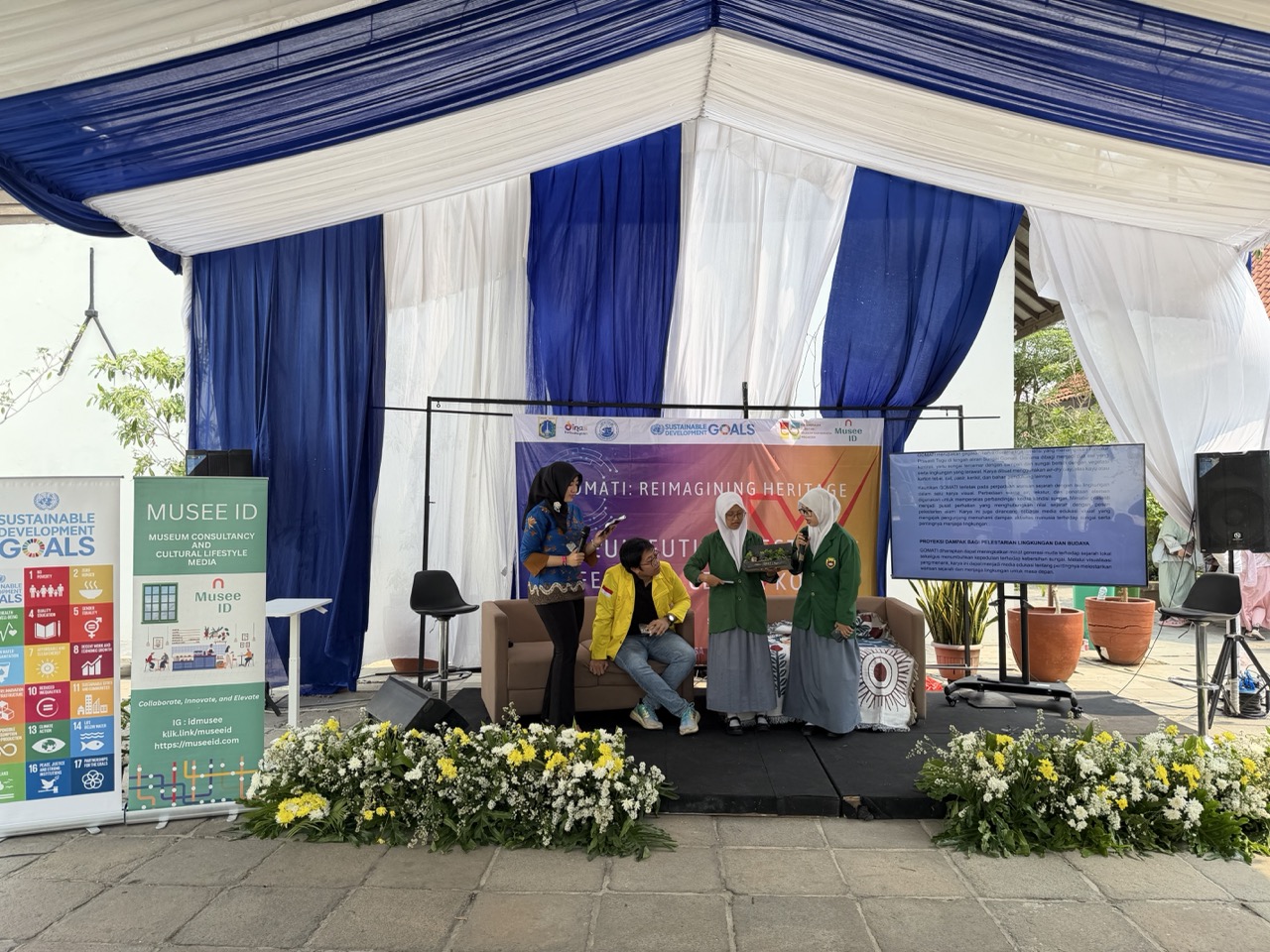
MuseeID and Museum Bahari Jakarta placed young voices prominently in the festival programme. The young speakers had passed a selection process conducted by MuseeID earlier in October before joining the event.
The programme listed 17 speakers across the youth conversation sessions, with Khalishah Nabilah Usman and Zabrina Ardelia among the hosts. Their inclusion gave younger participants a platform to contribute perspectives on heritage and its relevance to contemporary Jakarta.
The festival also set out to connect heritage preservation with 17 creative-economy subsectors. Activities translated that ambition into opportunities to draw, tell stories, make objects and interpret the past.
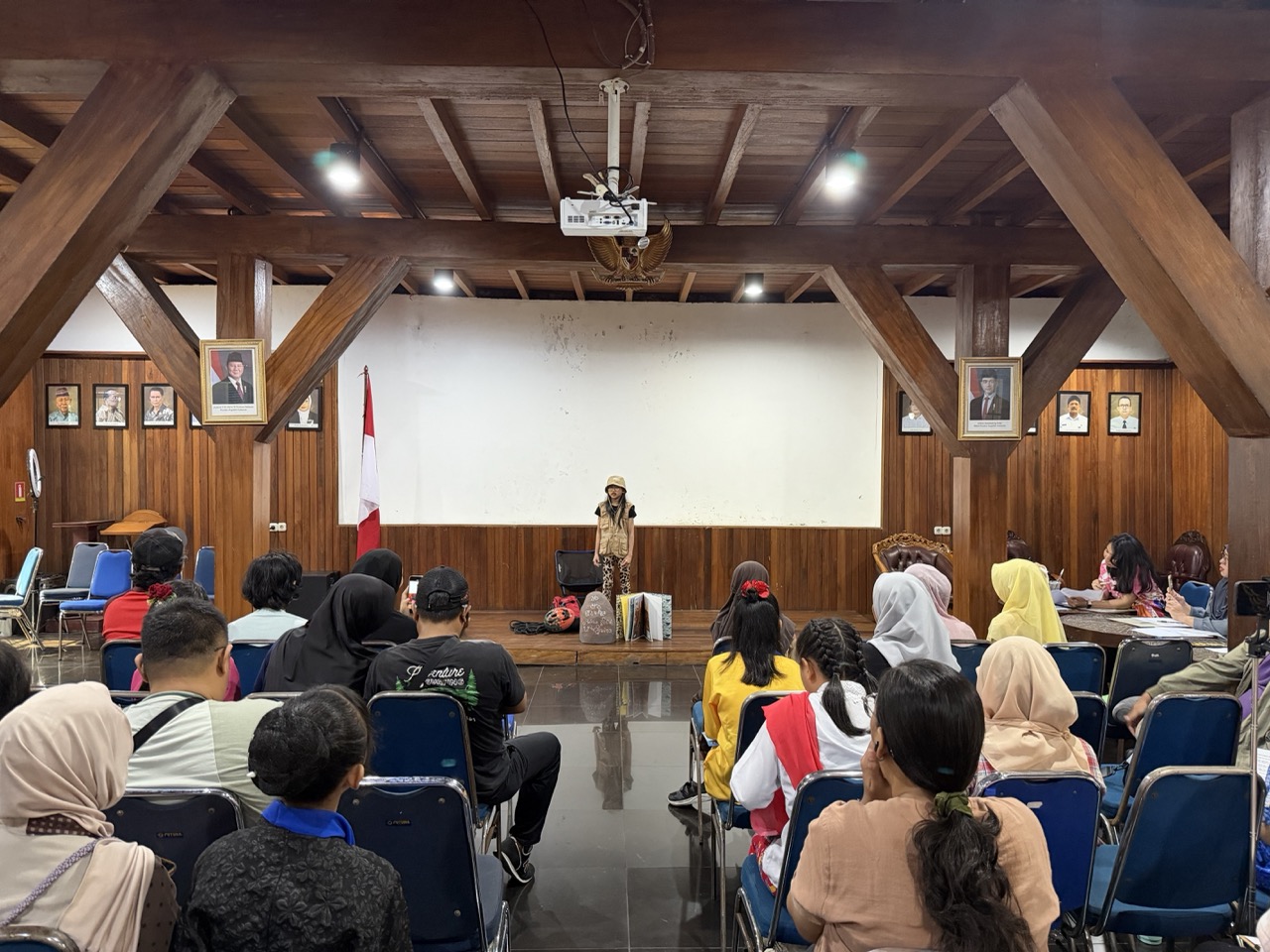
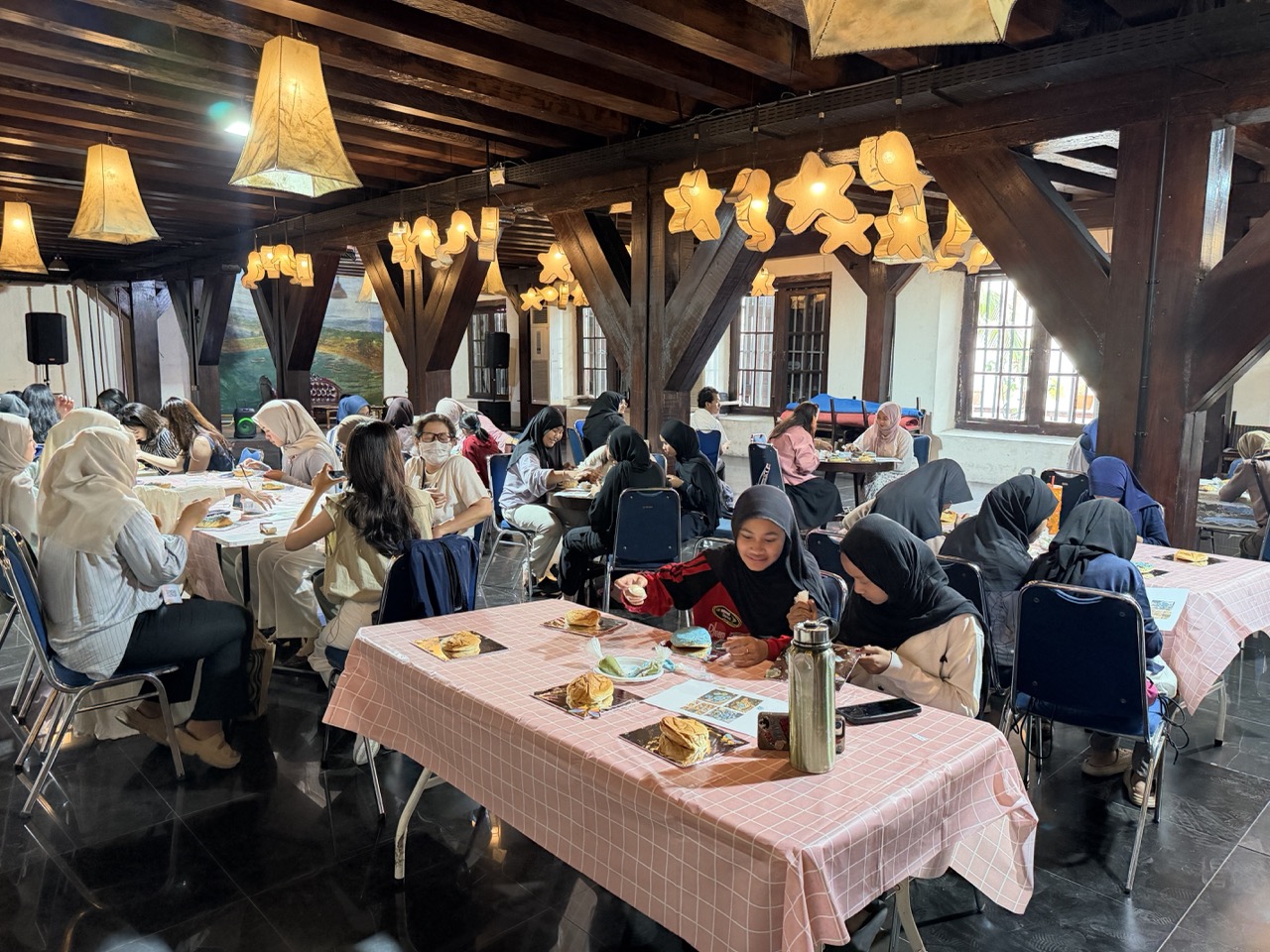
A drawing competition involved primary-school pupils in Grades 1–3, while storytelling activities engaged pupils in Grades 4–6. A bread-art workshop and live music provided additional ways to participate.
Together, these activities created space for children and young people to approach history through creative work. They also underscored the importance of distinguishing documented evidence from imaginative interpretation when retelling an ancient story.
Bringing Gomati to the Screen
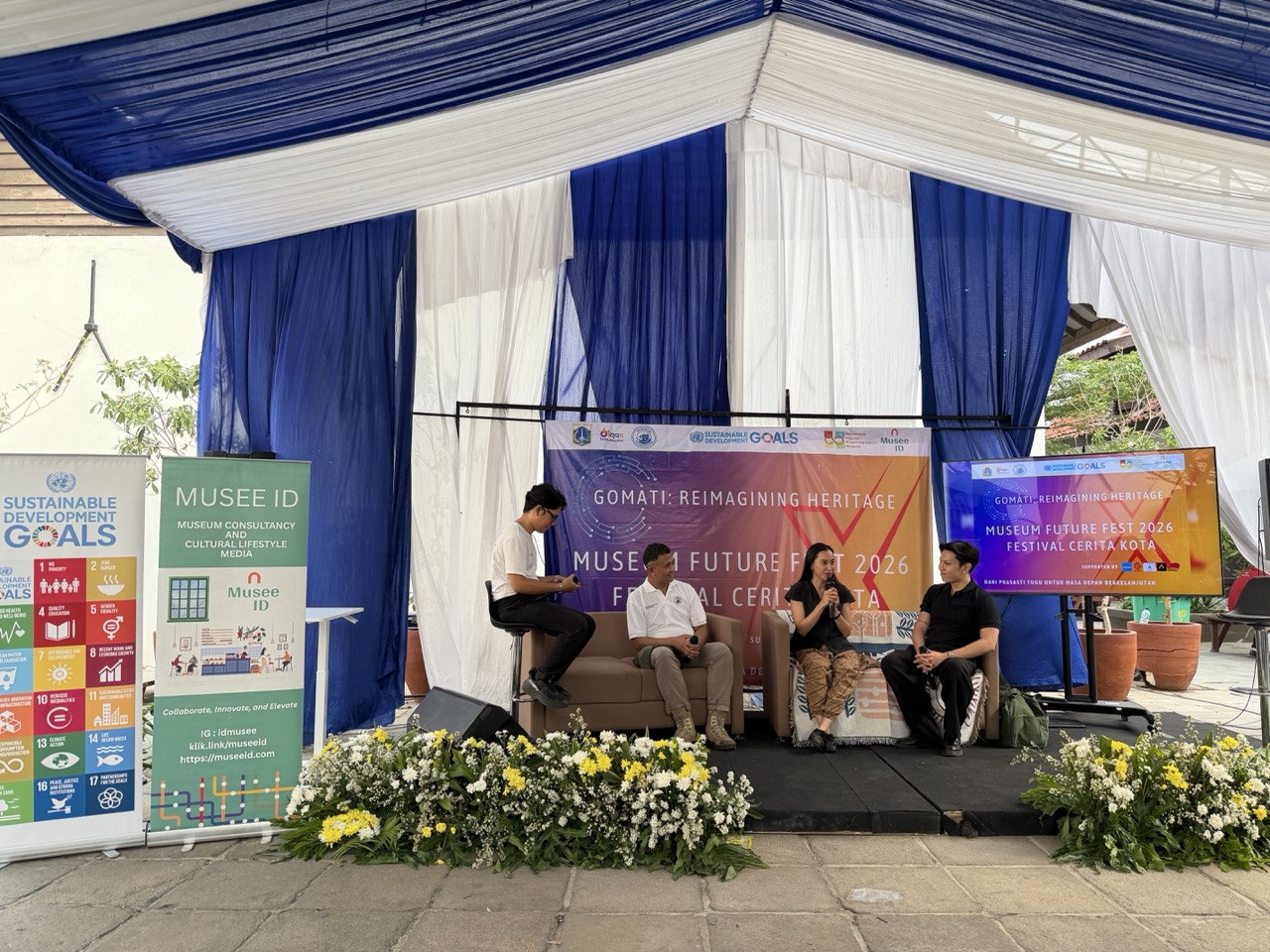
The screening of Gomati dan Yang Terlupakan dari Jakarta Hari Ini—Gomati and What Has Been Forgotten from Jakarta Today—gave the river talks a shared focus. The accompanying discussion featured Aditya Salman, Christopher Reinhart, Aryo Bimo and Marry Marsela.
The film provided an entry point into questions about Gomati’s place in Jakarta’s historical memory. Alongside the inscription, it encouraged attention to the changing urban landscape and the communities connected with that history.
The documentary was linked to a wider heritage initiative in Batu Tumbuh. Earlier reporting had described research undertaken in 2025 and a September 2026 community discussion involving residents, historians, archaeologists and public institutions. Residents had been encouraged to contribute family photographs and memories to the documentation process.
That community perspective broadened the material available for understanding the area. Photographs, recollections and accounts of everyday life offered insights into how waterways had shaped movement, work and belonging. Careful attribution remained essential, particularly when connecting recent memories with evidence from a much earlier period.
Linking River Memory with Jakarta’s Future
Museum Bahari provided a fitting setting for a conversation connecting waterways, coastal communities and historical exchange.
“The sea must be our orientation; the sea is our future,” historian Susanto Zuhdi had said in remarks on Indonesia’s maritime outlook, quoted in Seasia’s earlier Batu Tumbuh coverage. His perspective also invited attention to the rivers and channels that connected inland settlements with the coast.
For Jakarta, revisiting Gomati’s story offered a reason to look more closely at neighbourhood waterways, changing riverbanks and the people living beside them. The discussion connected heritage education with environmental awareness while recognising that an ancient canal could not provide a ready-made solution to modern flooding.
Through the Gomati talks, film screening and selected young speakers, MuseeID’s FCK Series 3 brought historical inquiry into a shared public space. The gathering encouraged a new generation to read Jakarta more closely and find informed, imaginative ways to carry its water stories forward.


