The N95 respirator masks we use today have a long historical root. Many do not know that the blueprint for this essential medical protective gear was born from the hands of a Malaysian native.
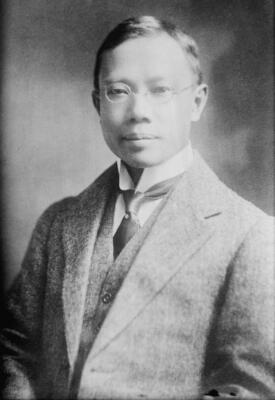
The pioneer behind this technology was Dr. Wu Lien-teh, a physician born in Penang, Malaysia. In 1935, he became the first person from Southeast Asia to be nominated for the Nobel Prize in Physiology or Medicine.
The 1910 Manchuria Plague
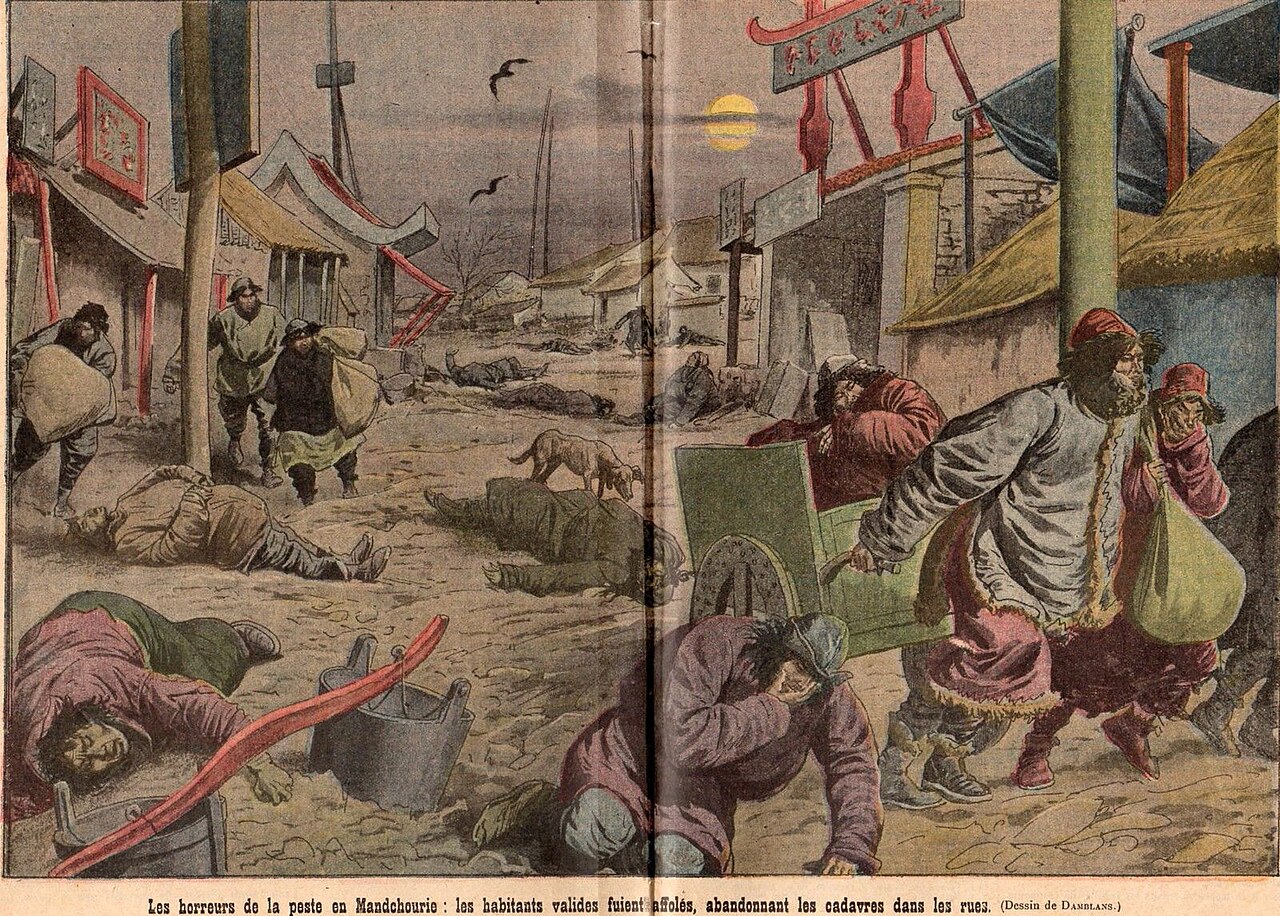
History records that the origin of the respirator mask stems from the winter of 1910 in Manchuria, Northern China. A mysterious pneumonic plague swept through the region, carrying a 100% mortality rate.
The Qing Court, panicking in the face of this emergency, called upon Dr. Wu from Malaysia as their last hope. Wu arrived at the epicenter of the outbreak in the city of Harbin in late December 1910.
Upon arrival, Dr. Wu had to confront the firm beliefs of senior Russian and French physicians. The medical community at the time insisted that the plague was only transmitted through the bites of rat fleas from rodents.
Wu verified his suspicions independently through a risky secret autopsy. He found clinical evidence that the bacteria attacked the lungs, meaning the plague was transmitted directly between humans via airborne droplets.
The initial respirator mask invention
Dr. Wu hypothesis on airborne-transmitted disease was tragically proven by an incident in the field in early January 1911. A senior French physician, Gérald Mesny, ridiculed Wu's findings and refused to wear a face covering while examining patients.
Mesny contracted the pneumonic plague and passed away just six days later. This real-world event instantly shattered the doubts of the international medical community on the ground.
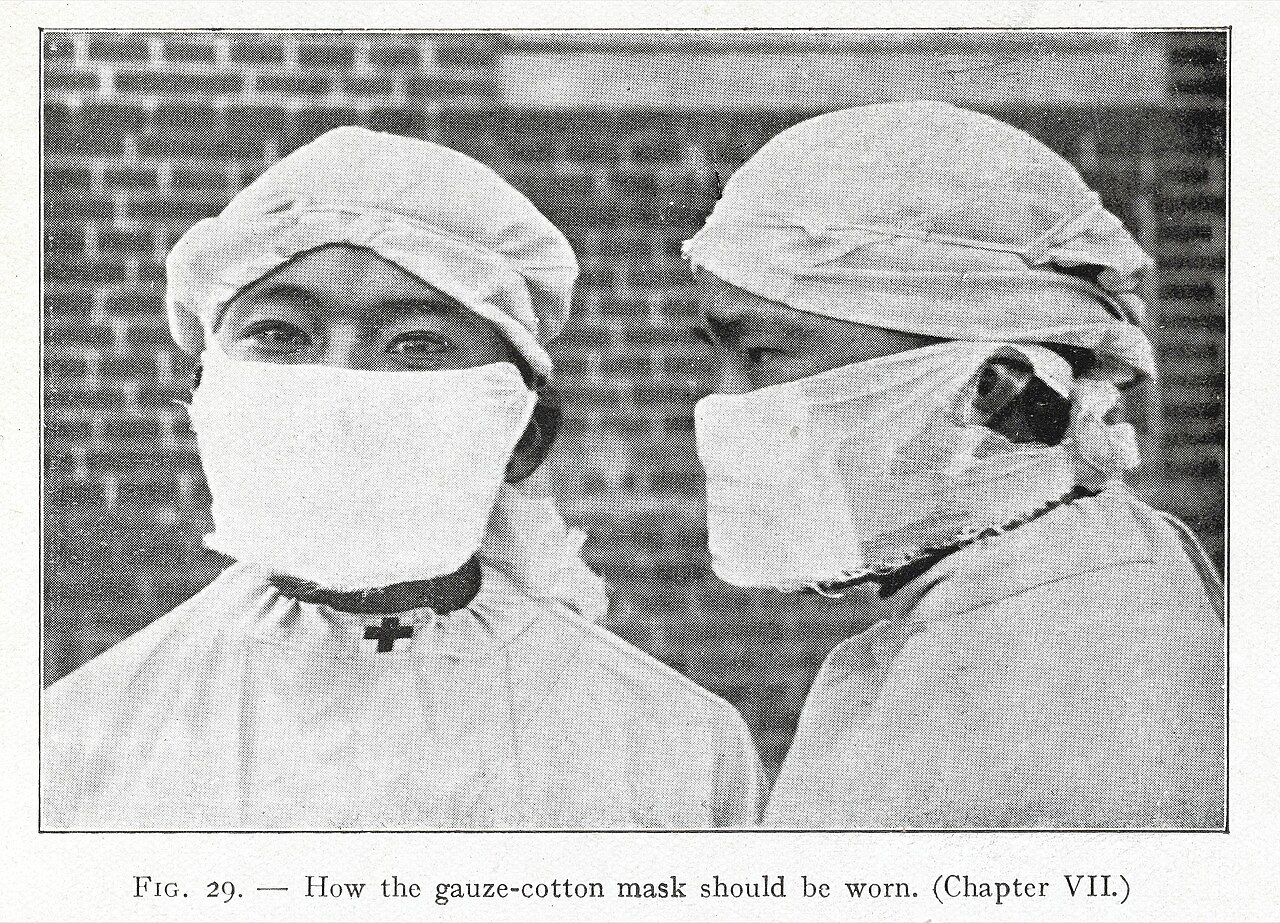
To address the situation, Dr. Wu designed a face covering using his research expertise from Emmanuel College, University of Cambridge. He utilized cheap materials that were easily accessible to the local population.
He used several layers of sterilized gauze, reinforced with a pad of thick cotton weighing approximately 10 grams in the center. He equipped the device with long ties so the mask could fit snugly against the anatomy of the face, covering the nose and mouth.
From 1911 Prototype to The Modern N95 Mask
The success in suppressing the 1911 plague propelled Dr. Wu’s layered gauze mask design onto the international stage. His core concepts of tight facial fit and multi-layered filtration became the foundational principles emulated by global scientists.
This exact design was later adopted on a massive, global scale during the 1918 Spanish Flu pandemic to protect millions of citizens. For the next few decades, the medical world used Wu's design as the standard template for respiratory protection.
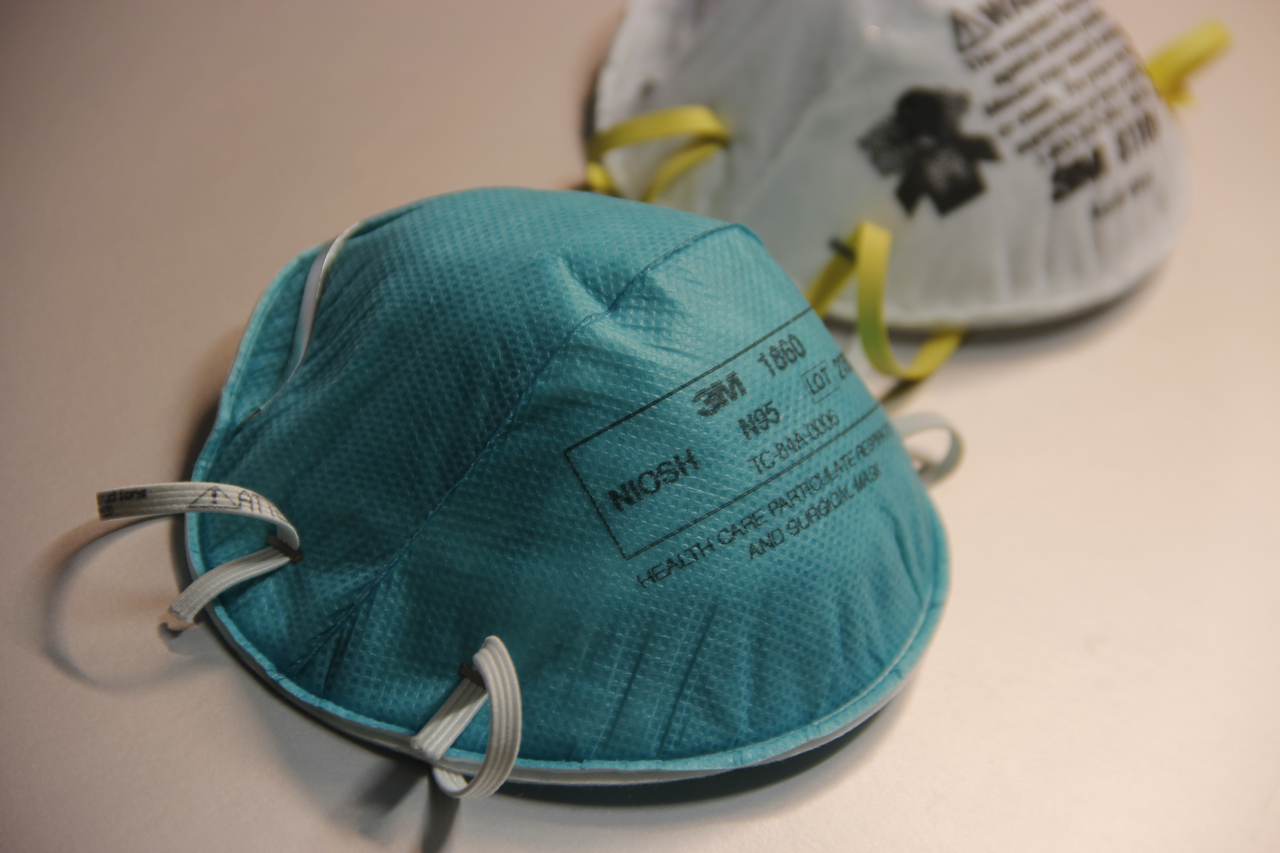
The mechanical principle of particle retention established by Dr. Wu was continuously developed within the medical world over the following decades. This physical innovation served as the basis for the development of electrostatic filters in modern N95 masks.
Over the following decades, health industries integrated Dr. Wu's mechanical filtration layout with synthetic polymers and electrostatic charges. This evolution allowed the masks to block 95% of microscopic particles while maintaining breathability.
This technological shift eventually led to the development of melt-blown polypropylene fibers, the core material used in modern N95 production. While the fabric changed from cotton to charged plastics, the mechanical reliance on a strict, continuous facial seal remains identical to Wu's original blueprint.