At 4 in the morning, the streets around Johor Bahru are already alive. Motorcycles queue in long rows. Buses fill up fast. But nobody here is catching a flight or heading on vacation. They're just going to work in another country.
For hundreds of thousands of Malaysians, this is just another weekday
One of the World's Busiest Border Crossings
The Johor-Singapore Causeway stretches just 1.056 kilometers across the Straits of Johor. Yet every single day, around 440,000 people cross it every single day, according to Singapore's Immigration and Checkpoints Authority (ICA) 2023.
These numbers keep growing rapidly. By 2025, Singapore's Immigration and Checkpoints Authority (ICA) recorded a staggering 245 million total crossings across all checkpoints (land, air, and sea). That averages out to about 671,000 travelers every single day.
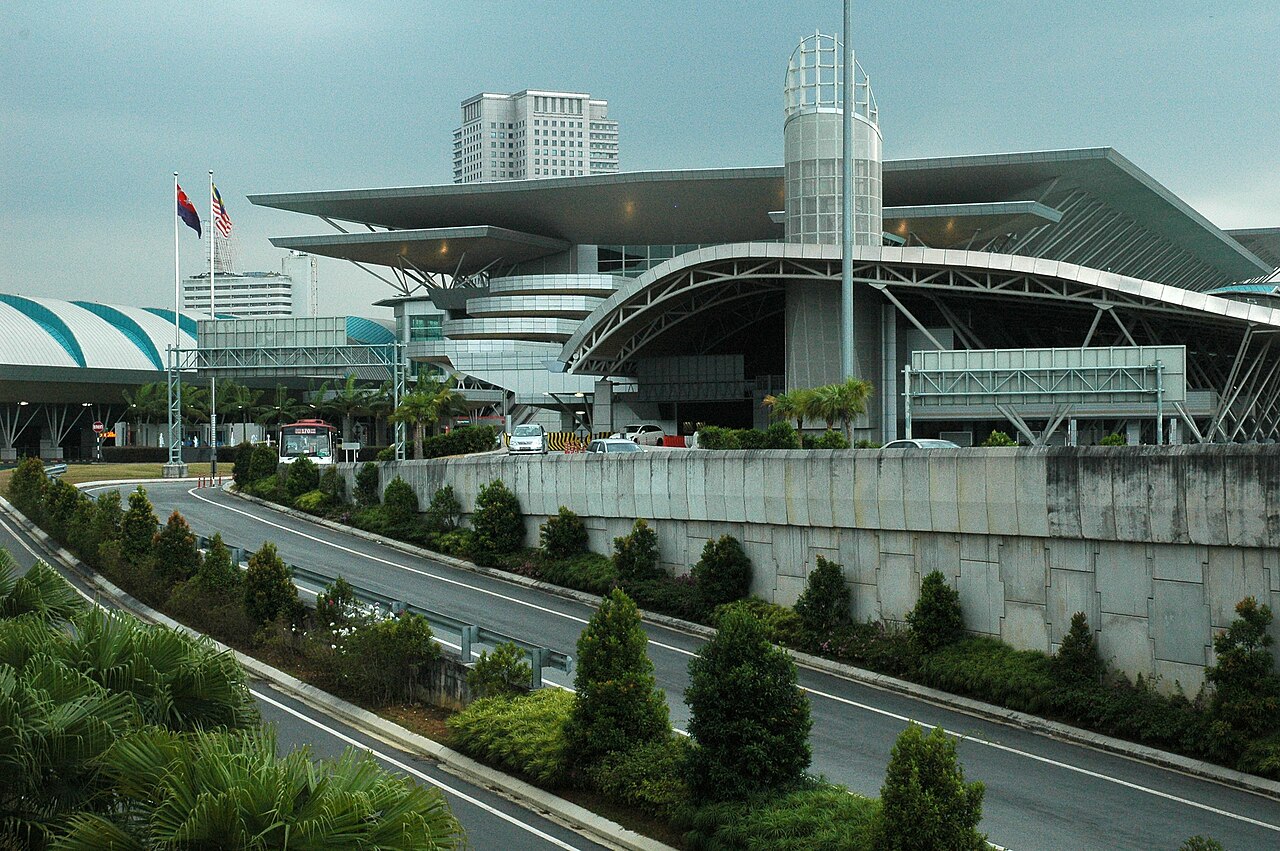
Since roughly three quarters (75%) of this massive traffic moves through the land borders alone, it means the Malaysia-Singapore land checkpoints now handle an average of 503,000 crossings per day.
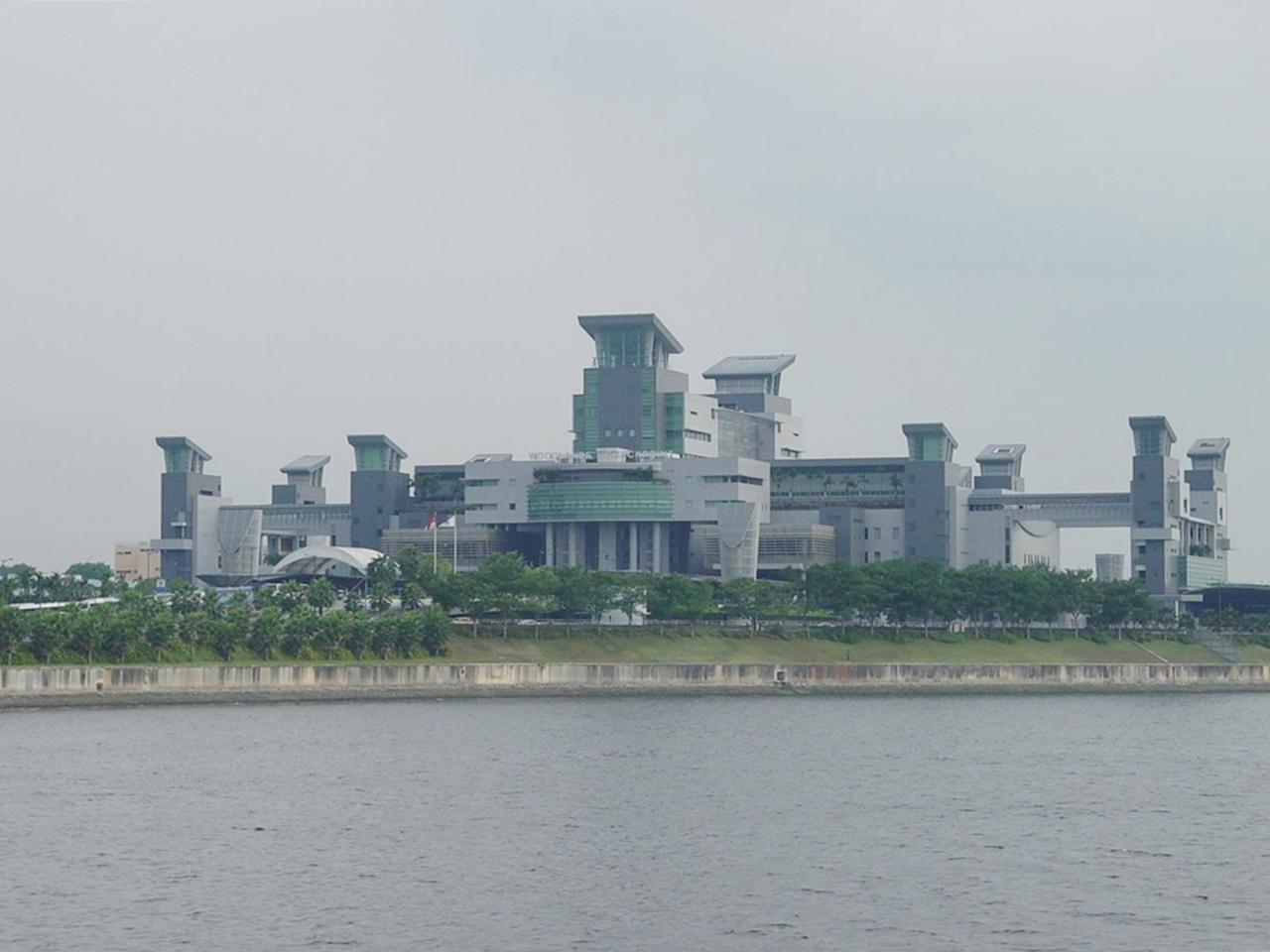
To put that growth into perspective, a daily average of 503,000 in 2025 is almost neck and neck with the absolute historical peak from the year before.
During the Good Friday long weekend in March 2024, ICA recorded a then unprecedented 510,000 crossings in a single day. What used to be a record breaking holiday crush is now becoming the baseline for daily life at the border.
Why So Many Malaysians Cross to Singapore Every Day
Singapore's median monthly income for full time employed residents reached S$5,500 (approximately US$4,100) in 2024 and increased further to S$5,775 (approximately US$4,300) in 2025.
In contrast, Malaysia's mean monthly salary stood at RM3,652 (approximately US$860) in 2024, while the median monthly salary was RM2,793 (approximately US$660). The figures highlight a substantial wage differential between the two economies.
Beyond the wage gap, a Maybank Investment Bank research report on the Johor-Singapore Special Economic Zone (JS-SEZ) titled 'ASEAN X Macro - Johor-Singapore SEZ: What's Special and Different' found that salary levels in Johor's manufacturing sector are more than 80% lower than Singapore's.
Furthermore, the study noted that residential rents in Johor are 85% lower, effectively making housing costs there roughly one seventh of what Singaporeans pay for public housing
Earning in Singapore dollars while spending in Malaysian ringgit isn't a loophole, it's a rational economic decision that hundreds of thousands of people make every morning before sunrise.
How Johor and Singapore Built a Shared Economy
What's happening on this bridge isn't just about individual workers hunting better wages. It reflects how deeply the two economies have grown together.
Singapore is Malaysia's second largest investor overall, and the biggest source of foreign direct investment in Johor's manufacturing sector.
From 2006 to September 2023, cumulative Singaporean investment into the Iskandar Malaysia development region just south of the Causeway reached RM45.8 billion. Accounting for roughly 25% of total foreign investment in the zone.
That relationship is now being formalised at a larger scale. On 11 January 2024, Malaysia and Singapore signed a Memorandum of Understanding to establish the Johor-Singapore Special Economic Zone (JS-SEZ).
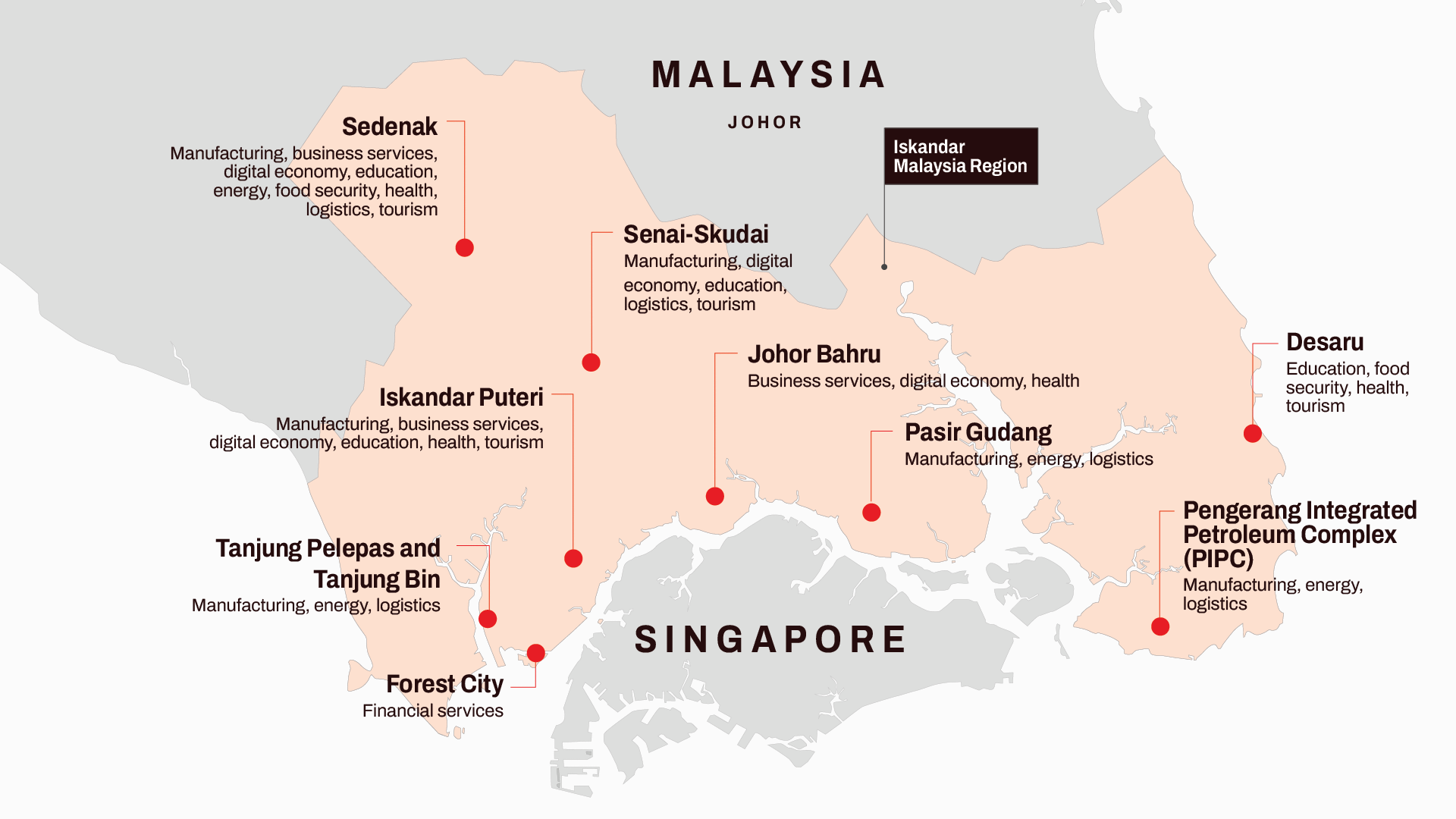
The full agreement followed on 7 January 2025. The JS-SEZ will cover approximately 3,500 square kilometres across nine designated zones, five times the land area of Singapore and is targeted to generate 400,000 high income jobs in Johor.
The Real Cost of a Cross Border Commute
On a typical weekday, the commute runs one to two hours each way. During school holidays or public holidays, queues can stretch anywhere from four to eight hours.
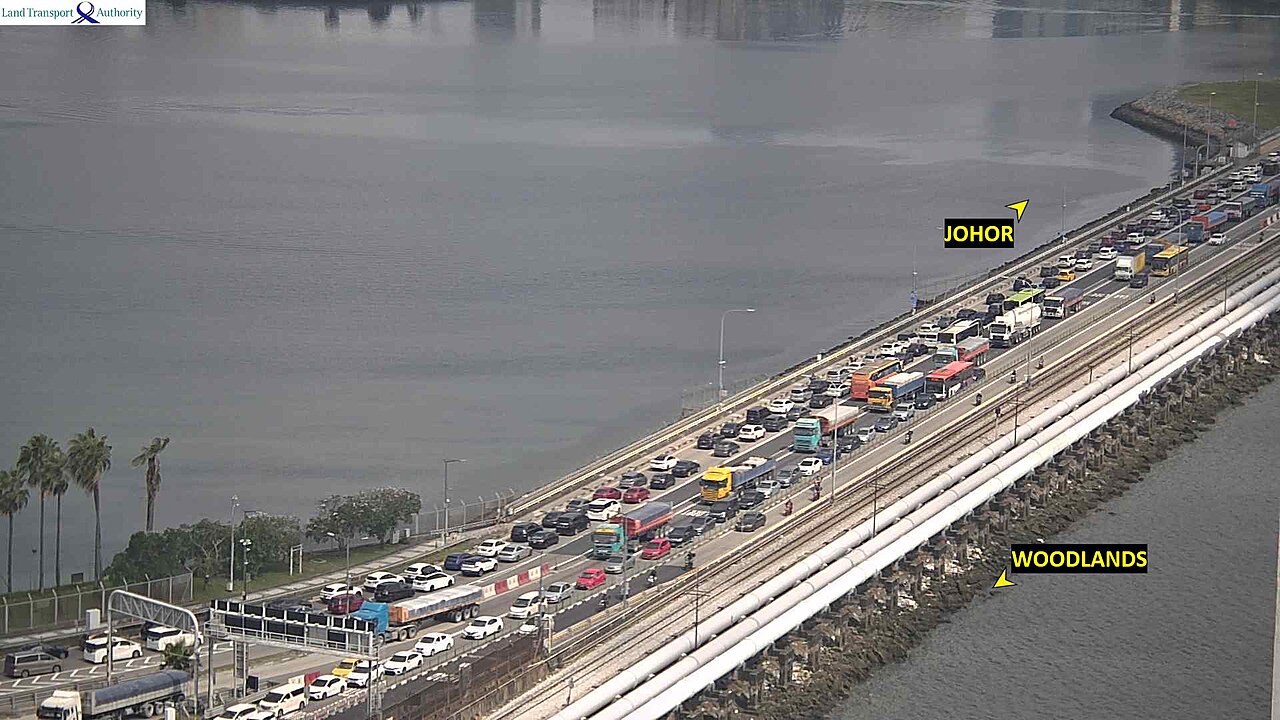
That's why motorcycles dominate the flow of the 145,000 vehicles that pass through Johor's checkpoint daily, bikes are the practical choice, cheaper, faster, and small enough to move through gridlock.
The busiest windows are predictable, from 5 to 10 am heading into Singapore, and 4 to 8 pm heading back to Johor. Commuters who've learned the rhythm catch the first buses before 5 am, slipping through before the real crush begins.
The Causeway Is Changing
Some of the shift is already visible at the Causeway itself. Since March 2024, a passport free QR code clearance system has been operating at Singapore's land checkpoints. According to Singapore's Economic Development Board, congestion has eased noticeably since implementation.
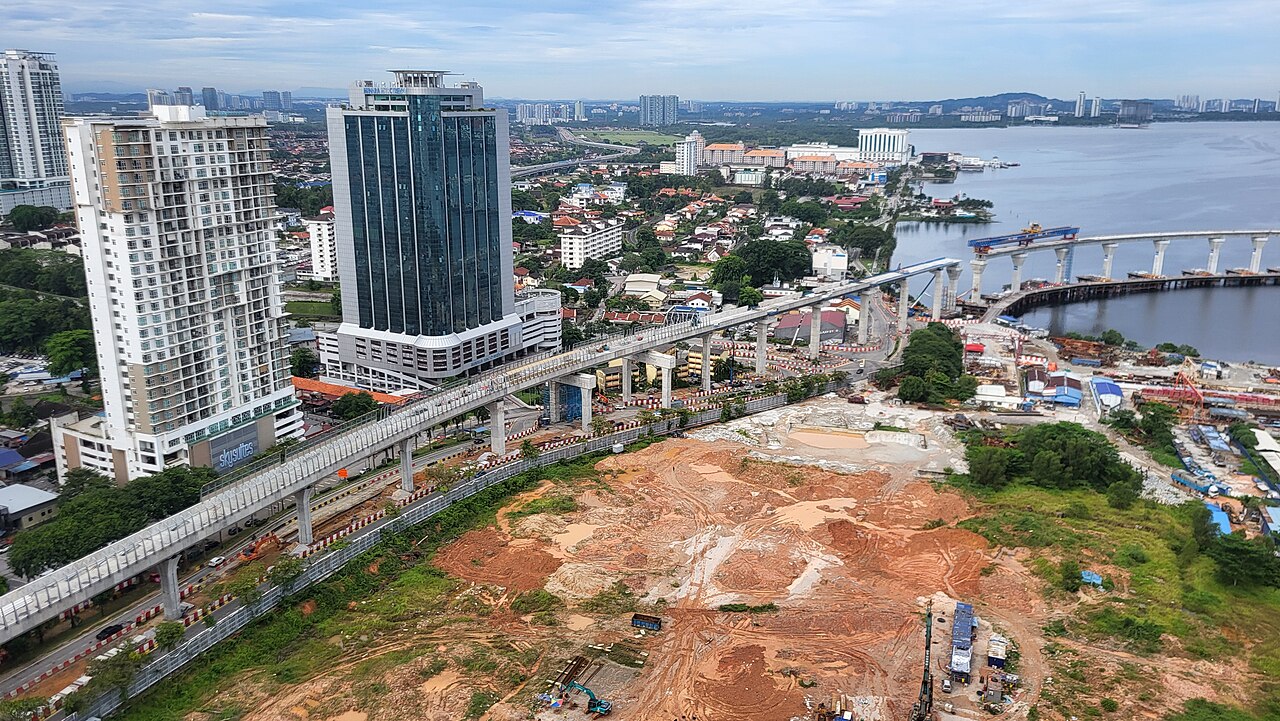
The next major change arrives with the Johor Bahru-Singapore Rapid Transit System (RTS Link), scheduled to open in January 2027. The 4 kilometer rail shuttle is designed to complete the crossing in five minutes and is projected to reduce Causeway commuter volume by 35%.
For over a century, this 1 kilometer strip of road has quietly carried one of Southeast Asia's largest daily human movements. The infrastructure around it is evolving, but the daily crossing itself, and the quiet determination behind it, has been there all along.