Laos is Southeast Asia's only landlocked country, completely boxed in by its neighbors with no access to the sea.
But at the country’s southern tip, in Champasak Province near the Cambodian border, there’s a place that makes anyone forget Laos has no sea.
Si Phan Don, which literally translates to “4,000 islands”.
A Landlocked Country With Its Own "Ocean"
Si Phan Don is a riverine archipelago in the Mekong River, dotted with numerous islands, half of which are submerged when the river is in flood.
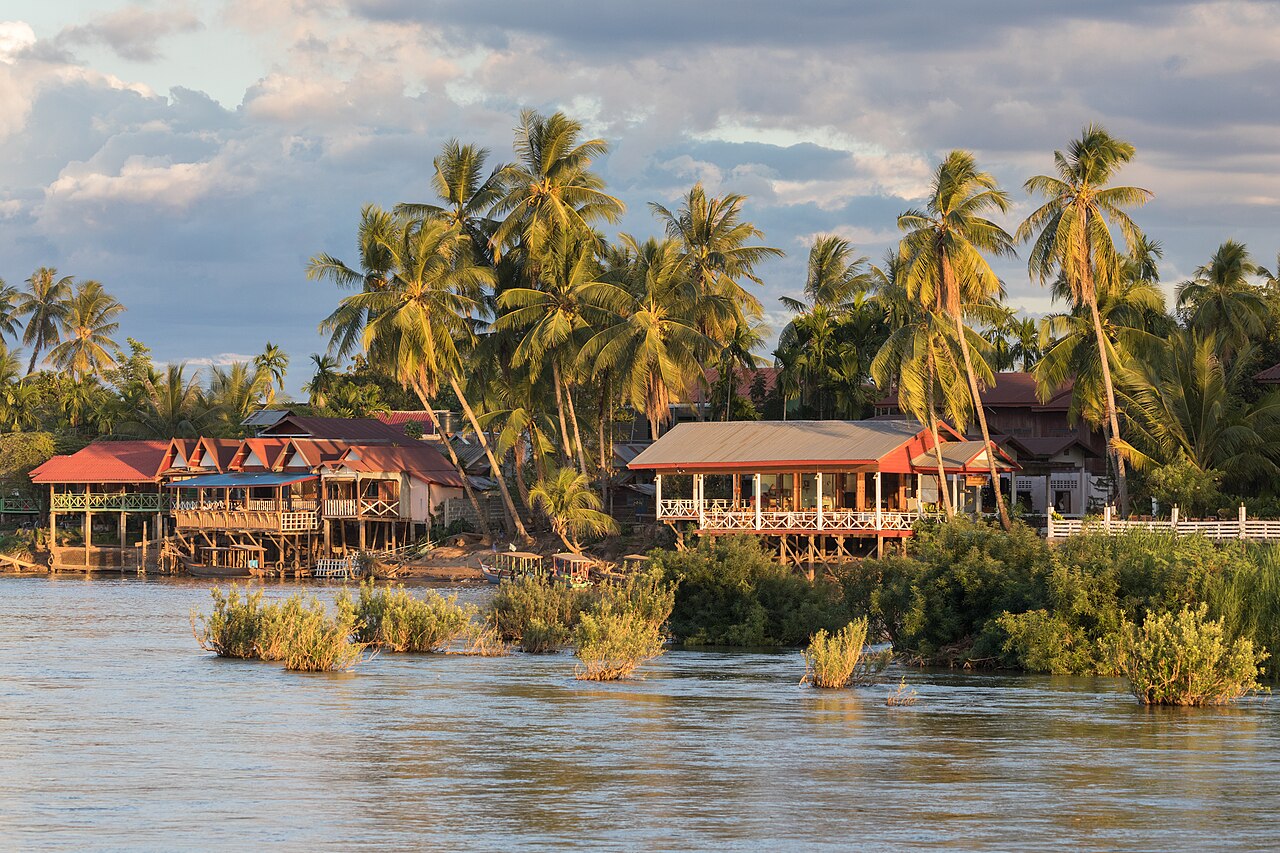
So instead of waves and salt water, the "Ocean" here is formed by a section of the Mekong that expands into a vast maze of islands, giving the landscape an almost maritime feel.
Why Does the Mekong Split Into Thousands of Islands?
This happens because the muddy waters of the Mekong spread into a vast network of channels stretching up to 14 kilometers.
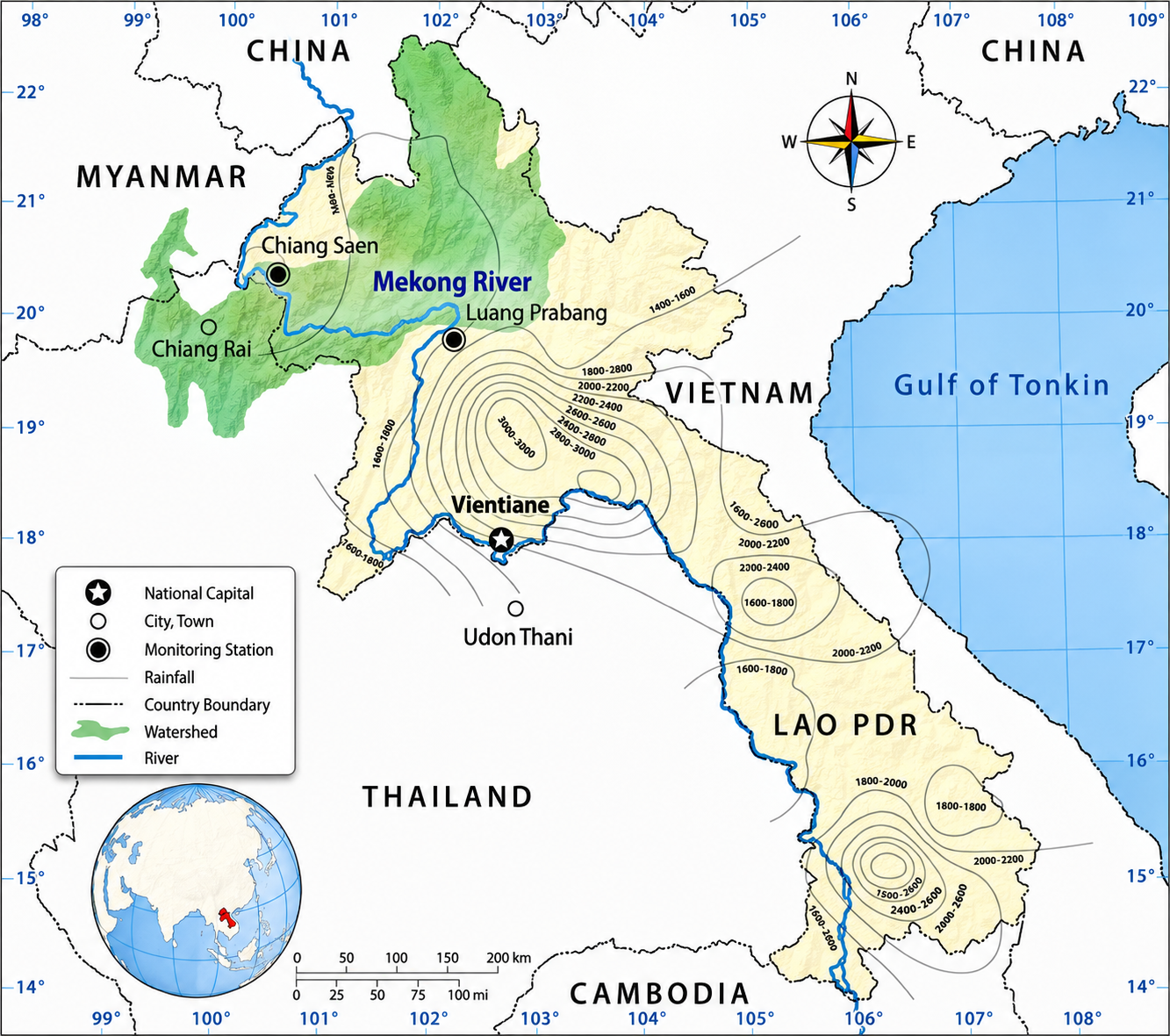
Creating a landlocked archipelago just before the river leaves Laos and enters Cambodia. Here, the Mekong expands into one of its broadest stretches, splitting into countless waterways that weave around islands of sand and fertile earth.
The landscape is also defined by Khone Phapheng, a roaring complex of rapids and cascades often described as Southeast Asia's largest waterfall by volume. Its immense power carries a remarkable historical legacy.
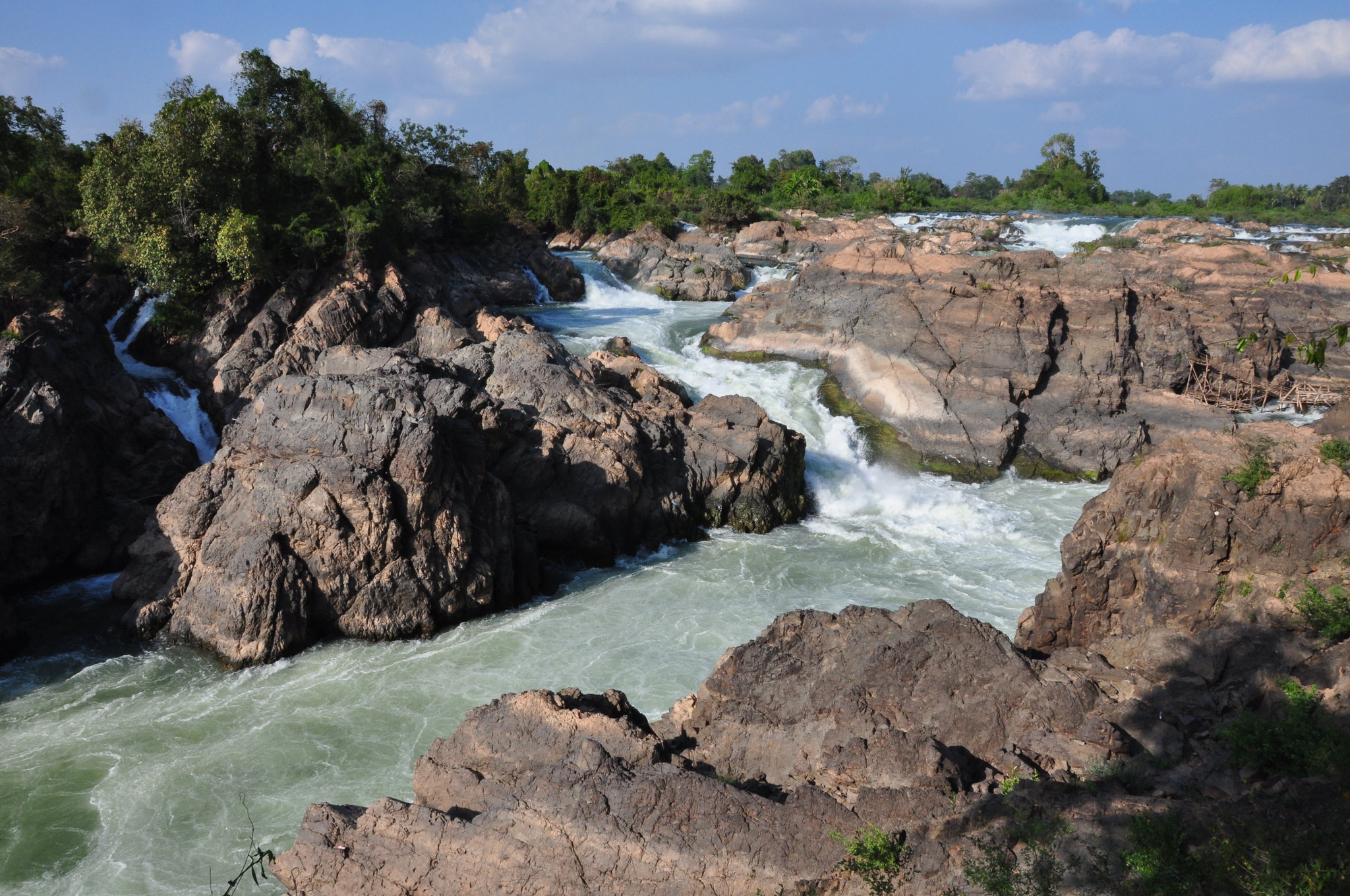
In the 19th century, it thwarted French ambitions to use the Mekong as a navigable commercial route to China, forcing explorers to abandon the dream of turning the river into a major trade corridor.
So, Are There Actually 4,000 Islands Here?
This is where the quotation marks around "4,000 Islands" become important. The figure is more symbolic than literal.
The Mekong's seasonal water levels constantly reshape the landscape, exposing sandbars, rocky outcrops, and small islands during the dry season before submerging many of them again when the river floods.
As a result, the exact number of islands is difficult to determine. Among the largest and best known inhabited islands are Don Khong, Don Som, Don Det, and Don Khon, with Don Khong being the largest in the archipelago.
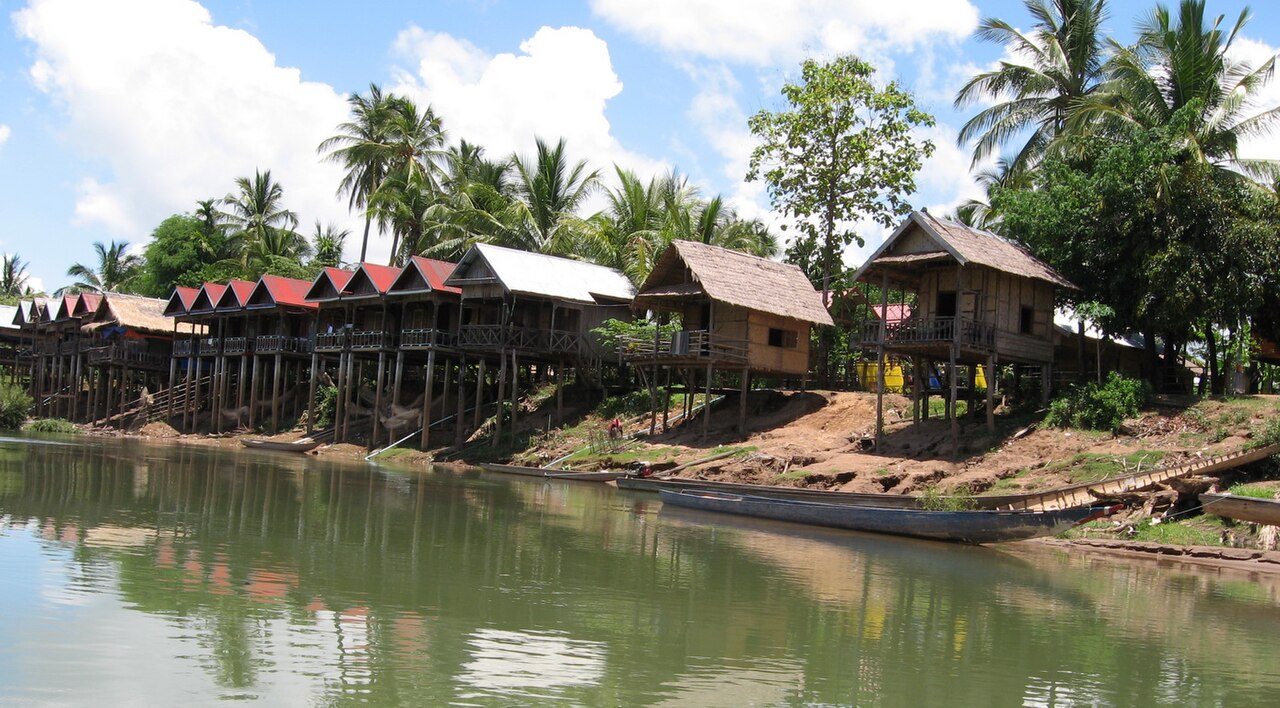
A Life Built Entirely Around the River
Because of its isolation, life in Si Phan Don moves at a very different rhythm from Laos's larger cities. Fishing remains central to daily life, and conservation awareness is deeply rooted in many communities.
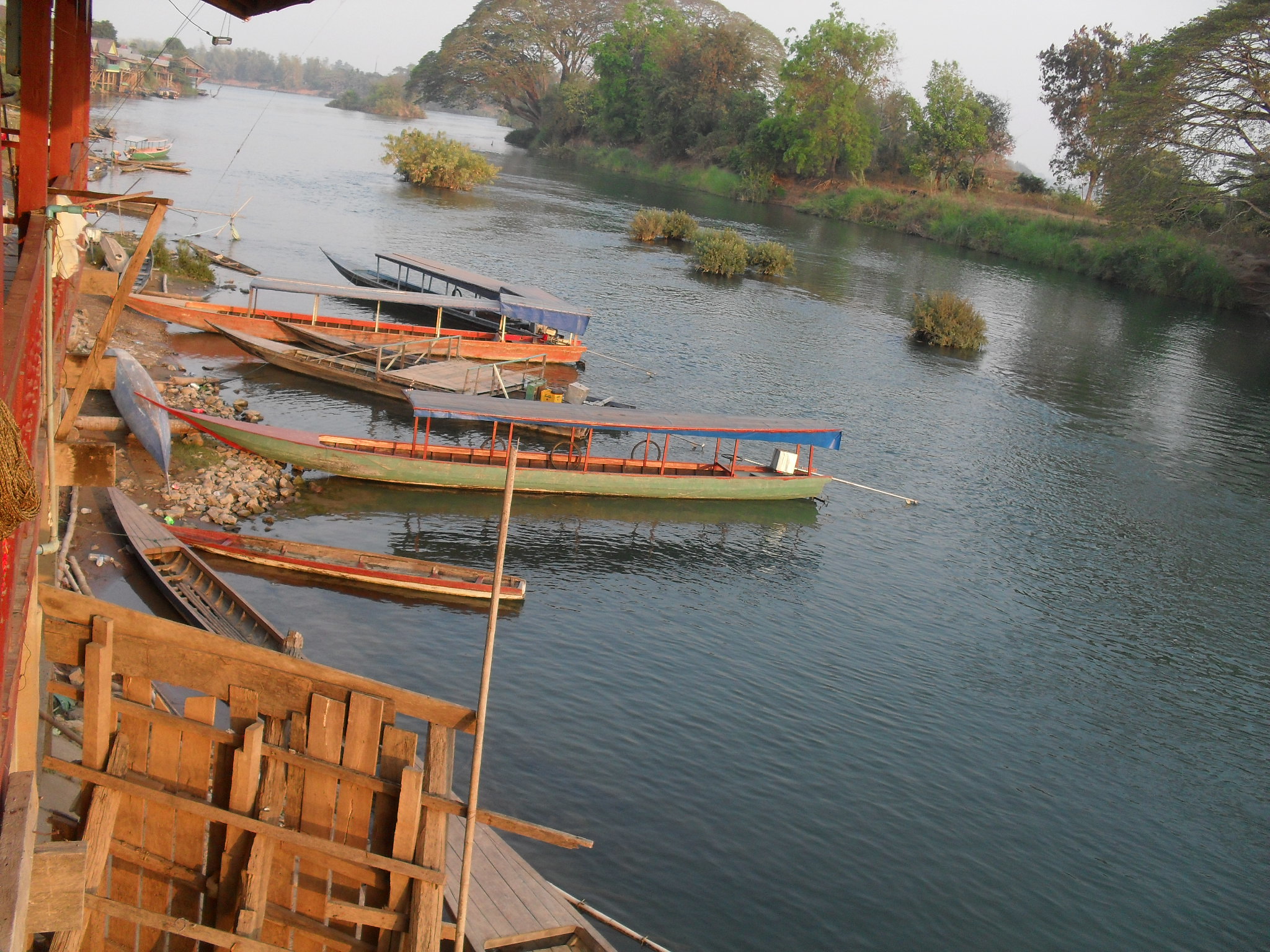
Nearly half of the villages in the district participate in voluntary fisheries conservation programs, helping protect fish stocks that generations of families have depended on.
The region was also once famous for another resident of the Mekong. The Irrawaddy freshwater dolphin used to be one of Si Phan Don's biggest attractions.
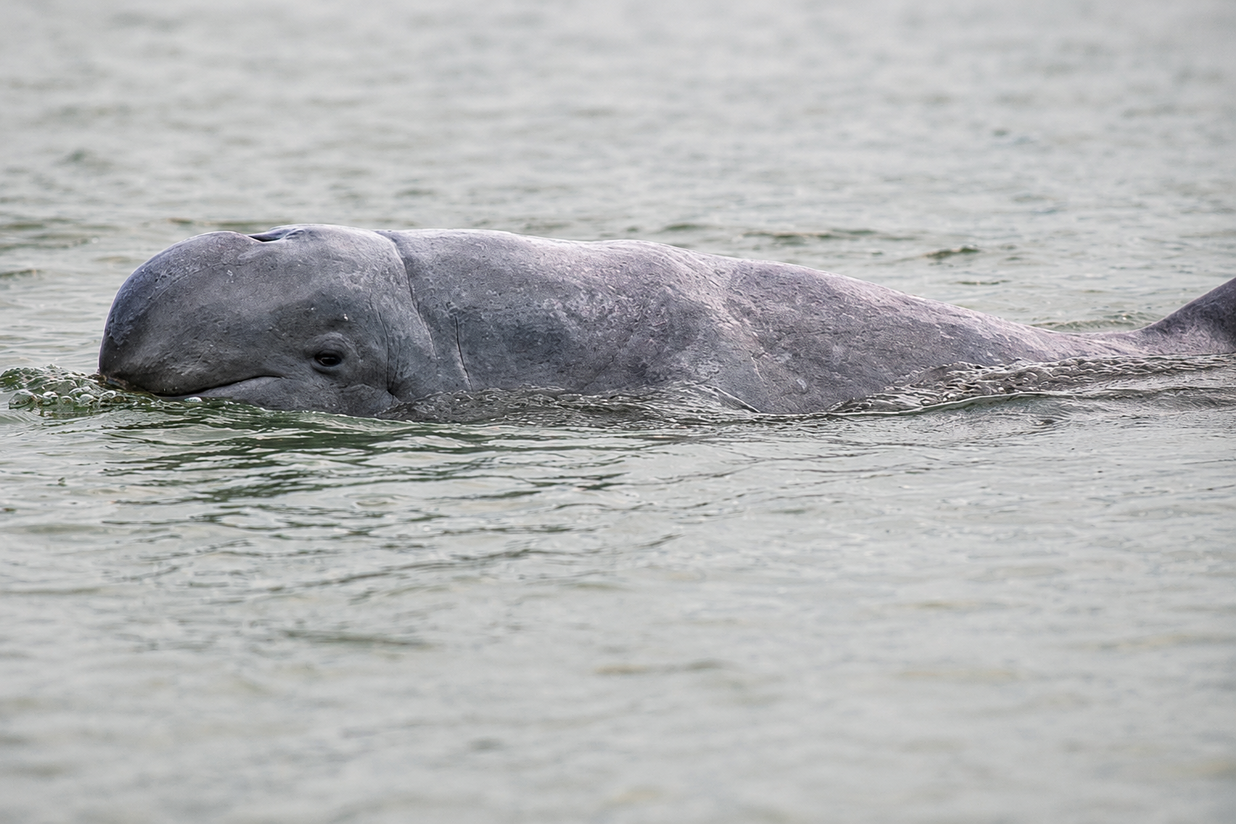
However, following the death of the last known individual in 2022, the species is now considered extinct in Laos, marking the end of one of the country's most iconic wildlife populations.
Laos Still Has Its Own "Coastline"
Laos may have no coastline, but Si Phan Don offers something that serves a similar role in the national imagination.
Here, the Mekong widens into a vast island studded landscape where life revolves around the water, much as it does in many coastal communities around the world.
The number "4,000" may be more symbolic than exact, but the idea behind it remains fitting. At the southern edge of Laos, the Mekong has carved out a watery frontier so vast and distinctive that it feels like a coastline in all but name.