If a country can build its own satellite, shouldn't building the rocket be the next logical step? It sounds reasonable.
After all, both are part of the space industry.
But in reality, they're about as different as building a shipping container and building the cargo aircraft that transports it across the world.
Today, several Southeast Asian countries have successfully designed and built satellites. Yet when those spacecraft are ready for launch, almost all are sent into orbit aboard foreign rockets operated by SpaceX, Arianespace, India's ISRO, or Japan's Mitsubishi Heavy Industries.
The reason isn't a lack of ambition.
It's because building an orbital rocket is one of the most difficult engineering challenges humanity has ever solved.
Southeast Asia Already Has a Space Industry
Despite not having an orbital launch vehicle, Southeast Asia is far from absent in space.
Indonesia has developed satellites through institutions such as the former LAPAN now part of BRIN, while operating spacecraft including Merah Putih, SATRIA-1, and several LAPAN research satellites.
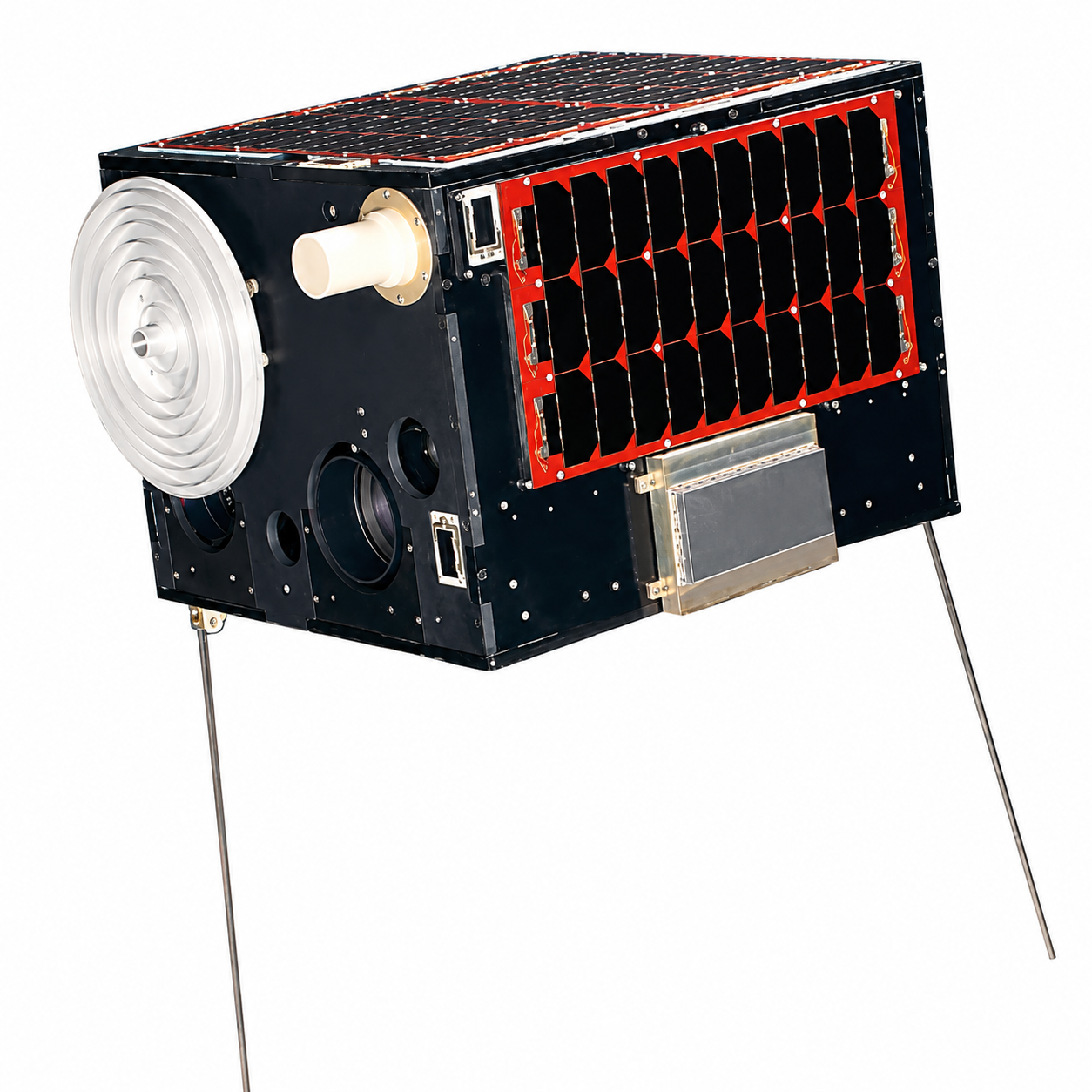
Malaysia built TiungSAT-1 and RazakSAT, while Singapore has developed satellites such as X-SAT, TeLEOS-1, and Galassia through its universities and commercial space companies.
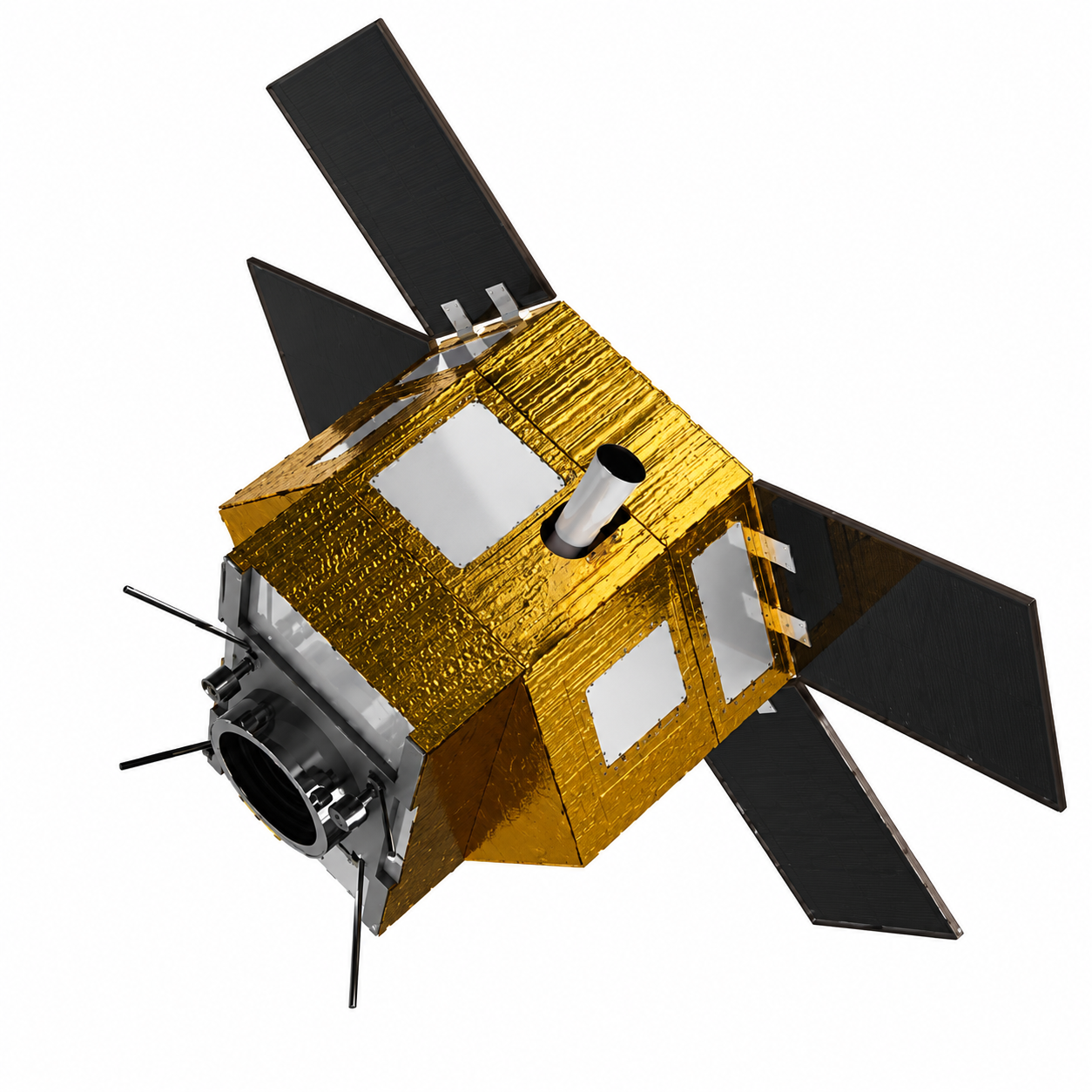
Vietnam also entered the field with VNREDSat-1, an Earth observation satellite supporting environmental monitoring and disaster management. These achievements show that designing, manufacturing, and operating satellites is already within the capabilities of several Southeast Asian nations.
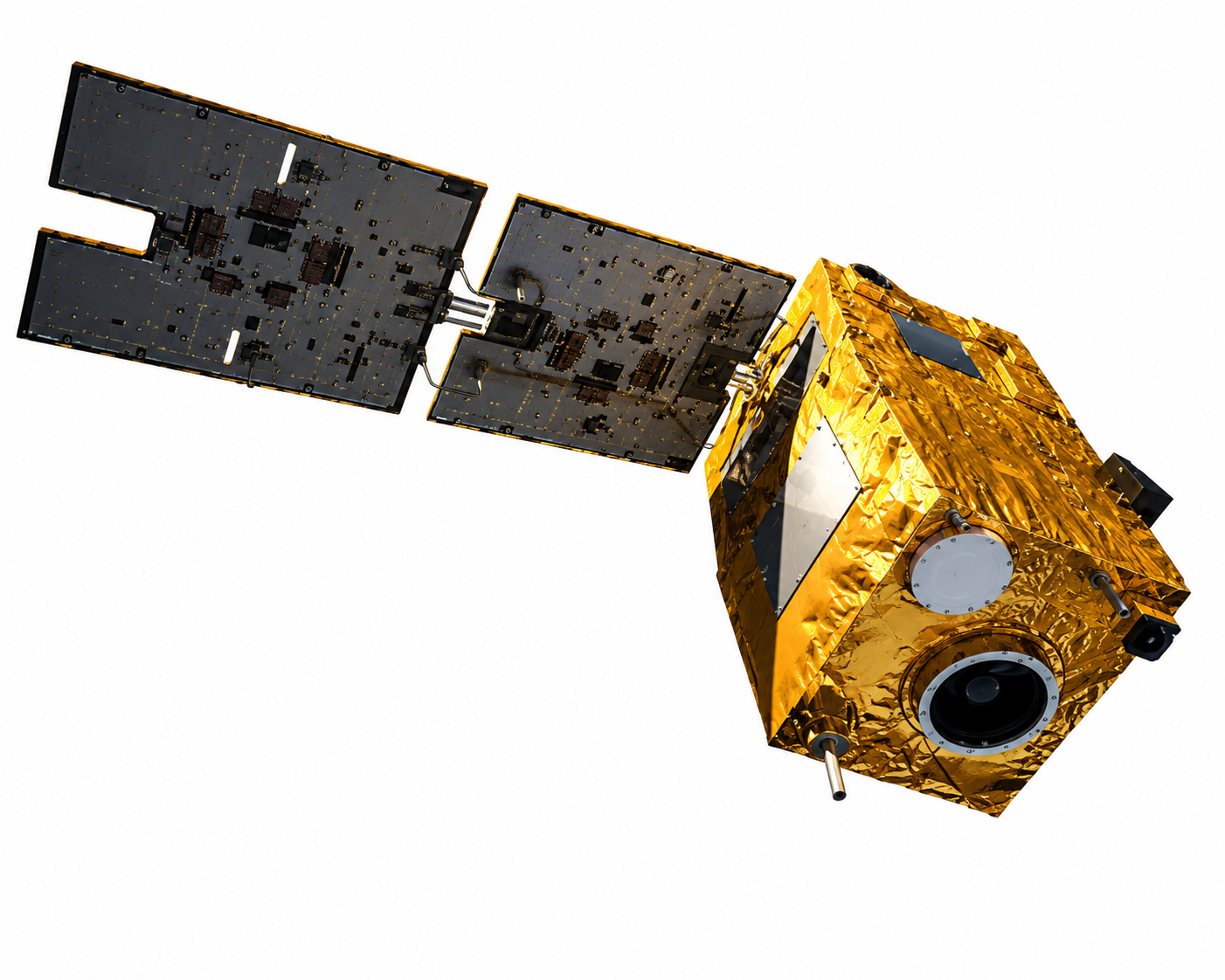
Getting them into orbit, however, is an entirely different challenge.
Why Rockets Are So Much Harder
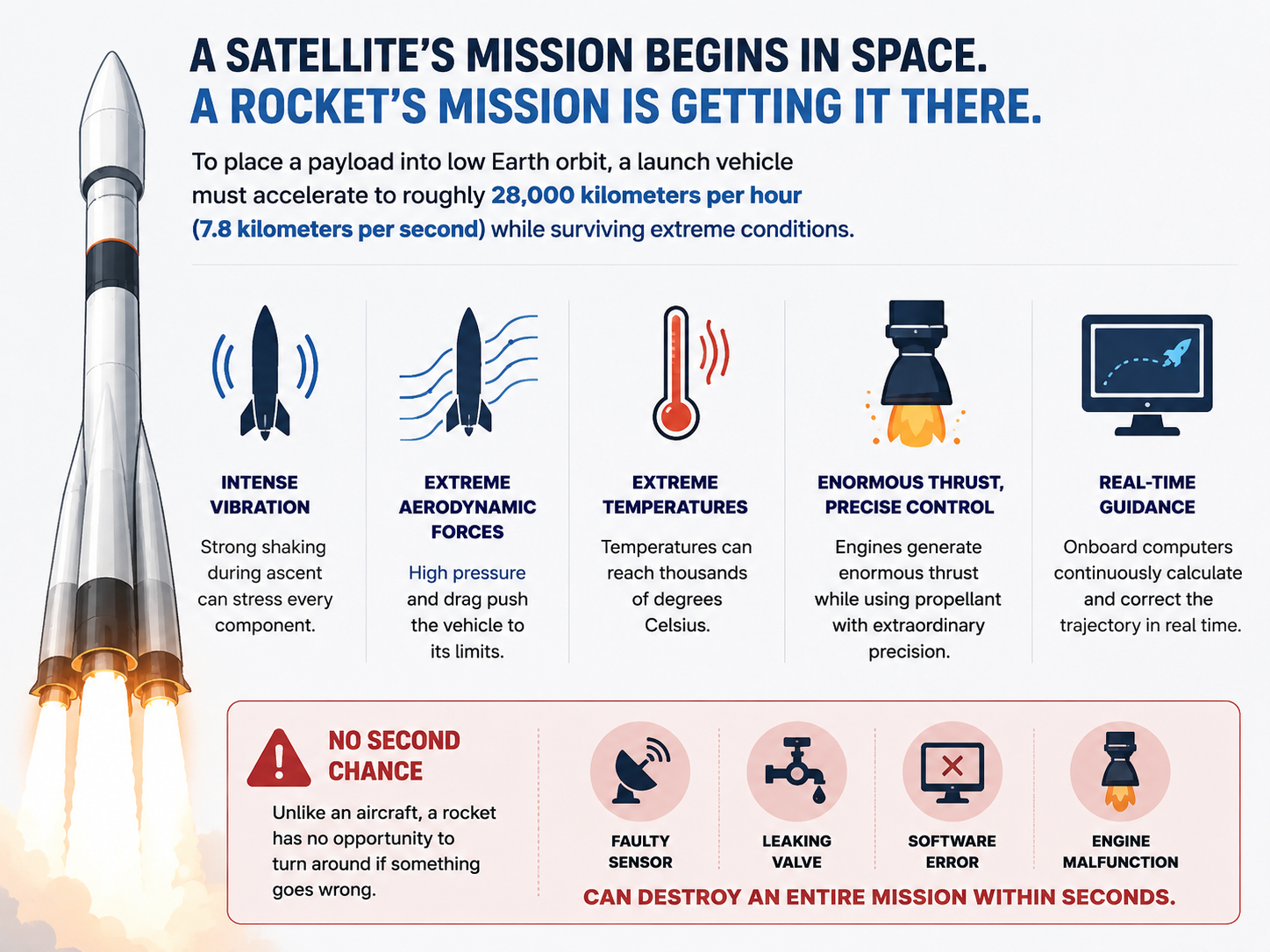
A satellite's mission begins once it reaches space. A rocket's mission is making sure it gets there.
To place a payload into low Earth orbit, a launch vehicle must accelerate to roughly 28,000 kilometers per hour (7.8 kilometers per second) while surviving intense vibration, extreme aerodynamic forces, and temperatures reaching thousands of degrees during ascent.
Its engines must generate enormous thrust while burning propellant with extraordinary precision. At the same time, onboard computers continuously calculate and correct the rocket's trajectory in real time.
Unlike an aircraft, a rocket has no opportunity to turn around if something goes wrong. A faulty sensor, leaking valve, software error, or engine malfunction can destroy an entire mission within seconds.
That is why orbital launch vehicles combine some of the world's most advanced technologies in propulsion, materials science, software engineering, electronics, guidance systems, and precision manufacturing all working perfectly on the first attempt.
Even Developed Countries Have Struggled
The difficulty of reaching orbit becomes clear when looking beyond Southeast Asia.
South Korea only achieved its first successful orbital launch using the domestically developed Nuri rocket in 2022 after years of development and multiple test campaigns.
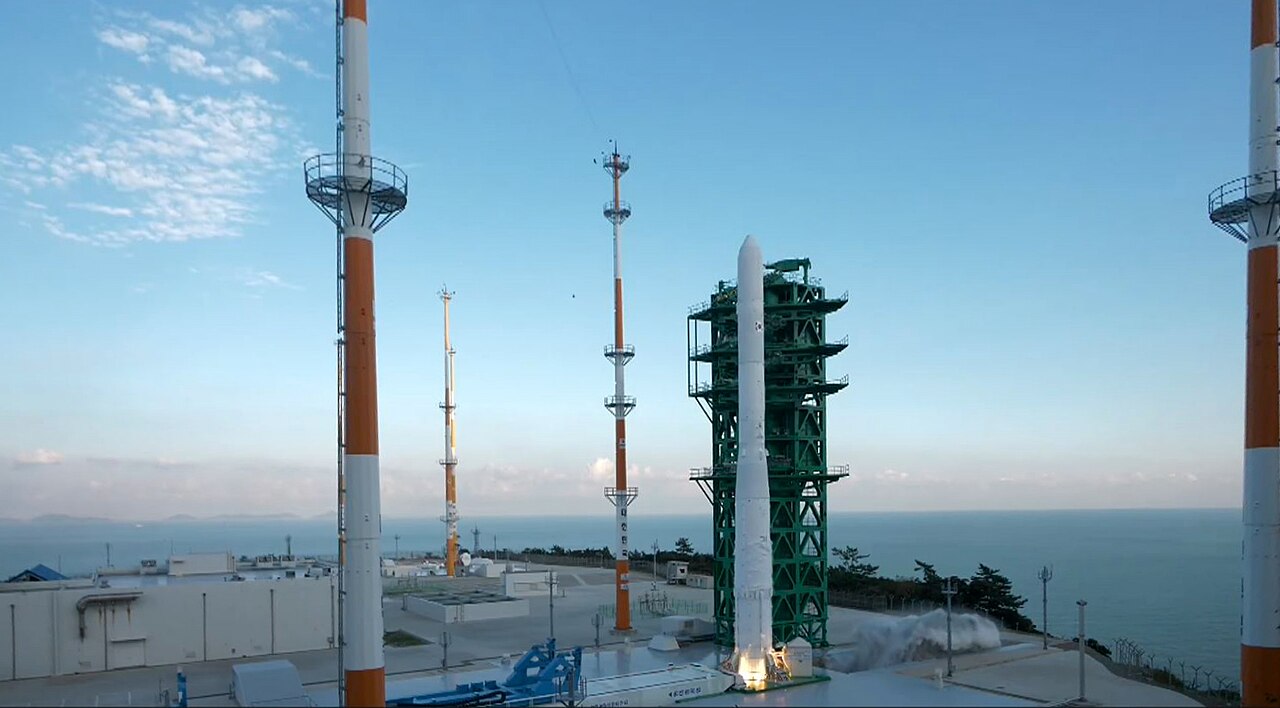
Australia, despite having one of the world's most advanced aerospace sectors, still relies largely on foreign launch providers for orbital missions while focusing instead on satellite manufacturing, space services, and ground infrastructure.
Several Australian companies are developing launch vehicles, but routine orbital launches have yet to become a reality.
Brazil has pursued an indigenous launch vehicle for decades but has also struggled to establish a reliable orbital capability.
Even today, only a relatively small group of countries, including the United States, Russia, China, Japan, India, France, Israel, Iran, North Korea, and South Korea have independently placed satellites into orbit using domestically developed launch vehicles.
That list is much shorter than most people expect.
Sometimes Buying Is Simply Smarter
The biggest obstacle isn't just technology. It's economics.
Developing an orbital rocket requires billions of dollars, years of testing, repeated failures, and continuous investment. Even after a rocket becomes operational, it must launch frequently enough to justify the enormous cost of maintaining factories, engineers, launch facilities, and supply chains.
Most Southeast Asian countries launch only a handful of satellites every few years. That demand is far too small to sustain a domestic launch industry.
Buying launch services is often the more practical solution. A dedicated SpaceX Falcon 9 mission currently starts at around US$74 million, up from US$70 million in 2025. While that may sound expensive, it is still far cheaper than spending billions to develop, test, certify, and maintain an indigenous orbital launch vehicle.
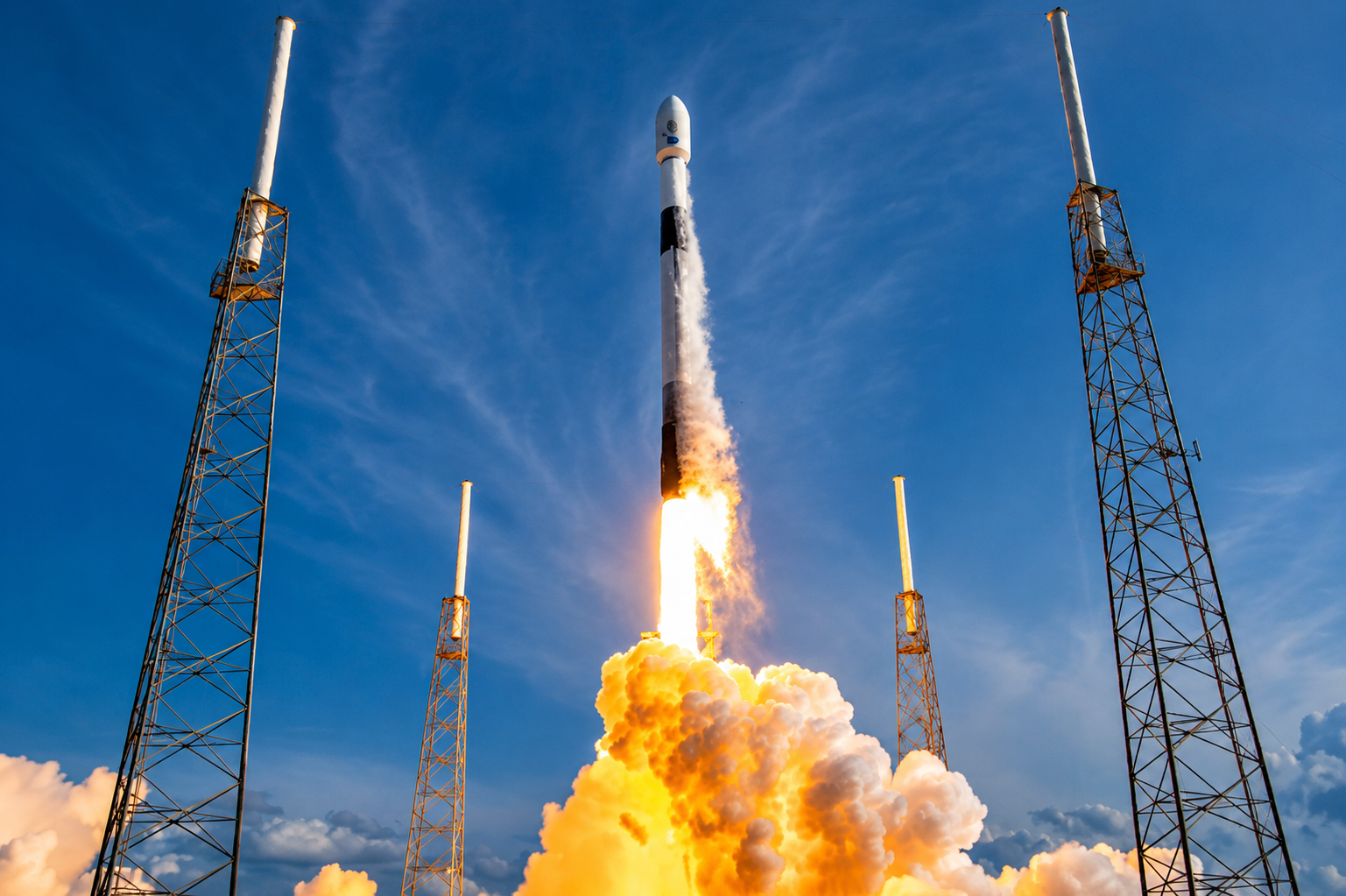
For many countries, purchasing launch services is no different from hiring a shipping company. You focus on building the cargo in this case, the satellite while leaving transportation to specialists.
Access to Orbit Is Still Exclusive
The absence of an orbital rocket does not mean Southeast Asia lacks a space industry.
On the contrary, the region already designs satellites, manufactures components, develops Earth observation technologies, and operates increasingly sophisticated space programmes.
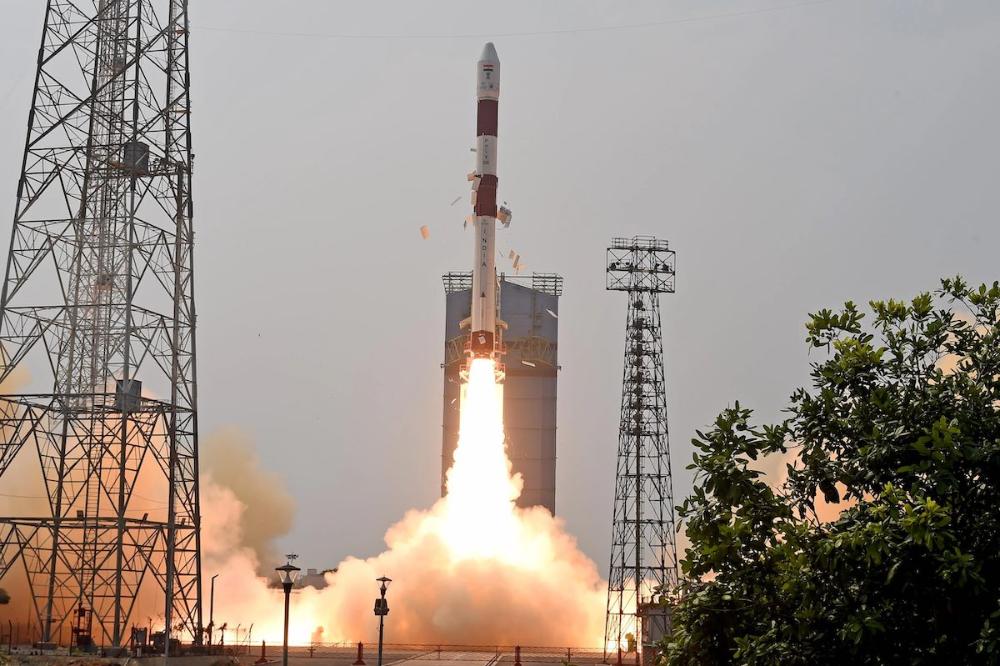
What it does not yet possess is independent access to orbit, one of the rarest technological capabilities in the world. As Southeast Asia's space sector continues to grow, more satellites will almost certainly be designed and built within the region.
Whether one of its countries eventually joins the small group capable of launching them independently remains to be seen.
But one thing is already clear.
Building a satellite is an extraordinary achievement. Building the rocket that can reliably carry it into orbit is an entirely different league.