Viet nam is the world's largest producer of Robusta coffee, accounting for more than 40% of global Robusta output.
More than 600,000 hectares are planted with Robusta, concentrated mainly in the Central Highlands. The crop also contributes more than 12% of Viet nam's agricultural GDP, according to International Coffee Organization.
Behind this production is a research and breeding system that has operated for decades. The Western Highlands Agriculture and Forestry Science Institute (WASI) in Dak Lak is Viet nam's principal coffee research institution, working on plant varieties, cultivation, disease resistance, soil management and climate adaptation.
Five Decades of Coffee Breeding
WASI's predecessor began coffee research in 1976, with breeding becoming one of its main activities. Over four decades, researchers developed 11 Robusta varieties that were officially recognized by Viet nam's Ministry of Agriculture and Rural Development, including TR4, TR9 and TR11, which became widely used in the Central Highlands.
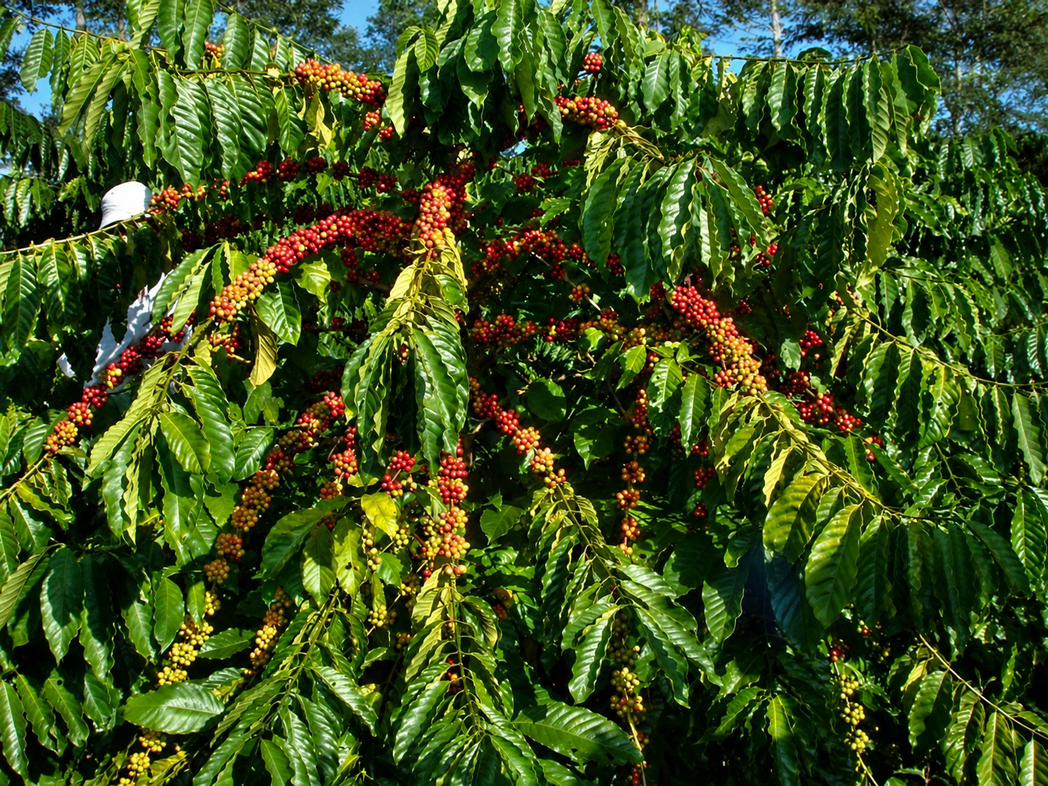
By 2024, Viet nam's Ministry of Science and Technology reported that WASI had introduced 20 coffee varieties into production, including 14 Robusta varieties. These varieties were selected for characteristics including high yields, bean quality, resistance to pests and diseases, and adaptation to local climatic conditions.
WASI's breeding work also expanded beyond yield. Its newer varieties include lines selected for drought tolerance, nematode resistance and adaptation to climate change, while late-maturing varieties are used to extend harvesting periods.
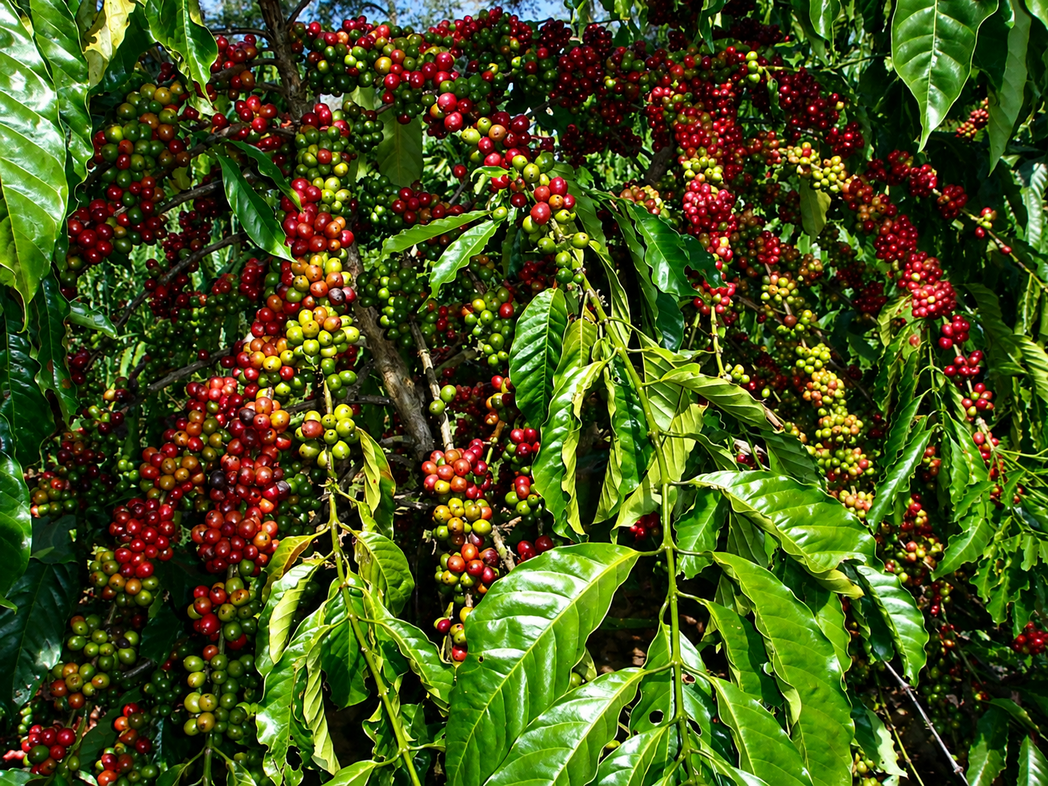
USDA's Foreign Agricultural Service reported that WASI was supplying around 4-5 million coffee plants to farmers every year and had developed 22 high yield, drought and nematode resistant Robusta varieties, along with two late maturing varieties.
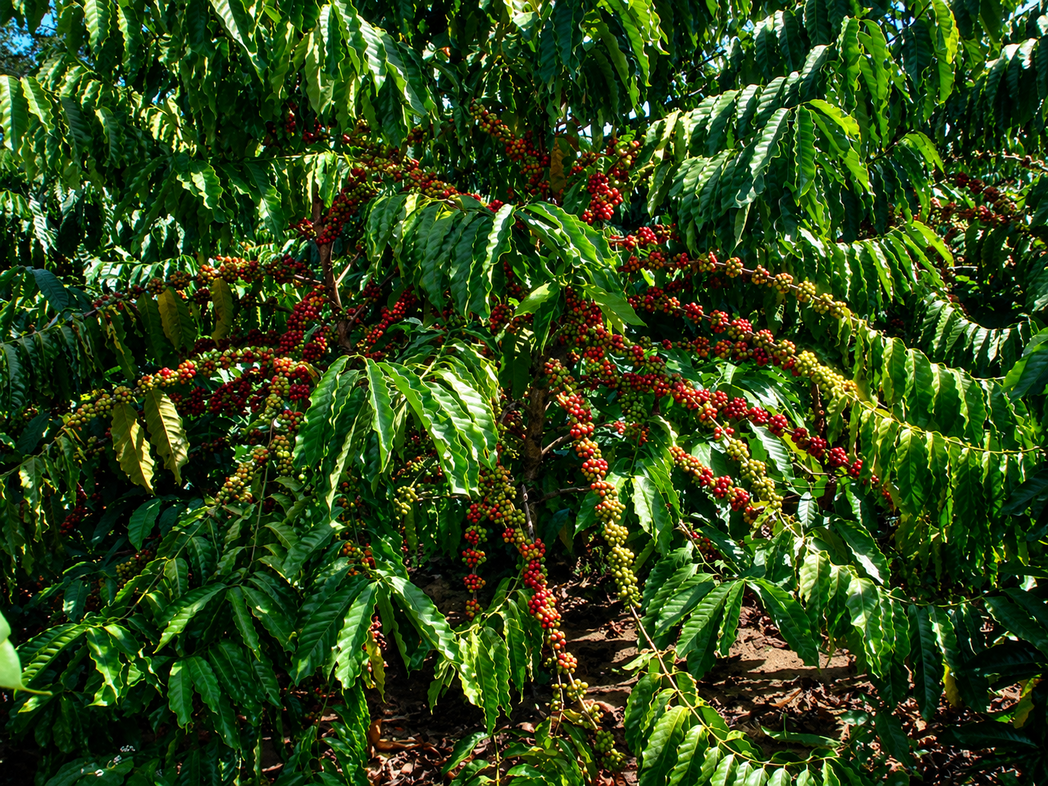
Replanting Old Coffee Trees
Research has also been connected directly to Viet nam's coffee replanting programs.
Many of the country's coffee trees were planted decades ago. WASI estimated that 198,000 hectares, or 30.8% of Viet nam's coffee area, consisted of trees more than 20 years old in 2016.
Government replanting programs subsequently replaced or renovated large areas using improved varieties. Between 2014 and 2021, approximately 129,008 hectares in the Central Highlands were replanted or renovated through grafting. Including earlier work, the cumulative area reached 166,579 hectares between 2011 and 2021.
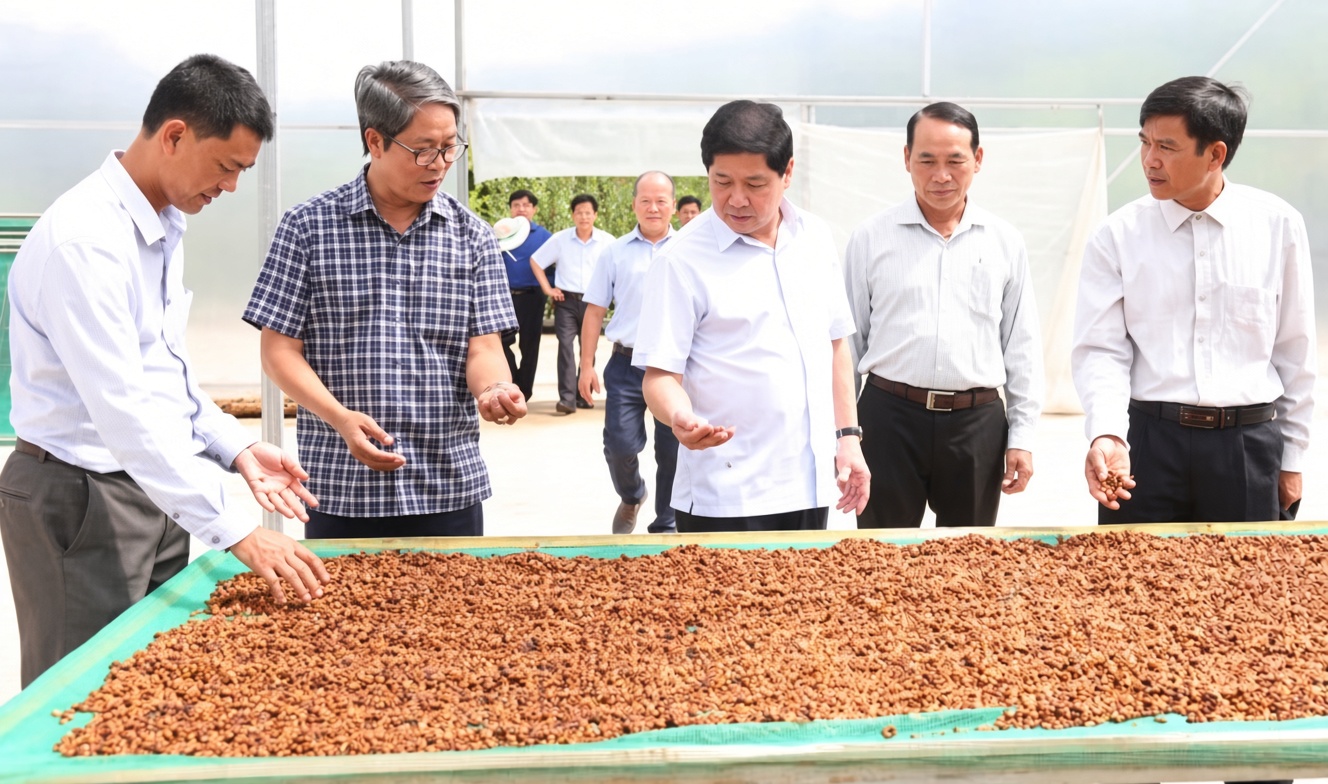
The average productivity of replanted gardens reached about 2.8 tonnes per hectare, compared with Viet nam's national coffee productivity of 2.35 tonnes per hectare in 2011. By 2021, national productivity had increased to 2.82 tonnes per hectare, while total production rose from 1.27 million tonnes in 2011 to 1.81 million tonnes.
A Coffee Gene Bank
Viet nam's research system also maintains genetic resources for future breeding.
A 2025 study published in PLOS One examined Vietnamese Robusta genetics using 126 accessions from WASI's collection. The collection contains nearly 200 accessions, including historical trees, locally collected plants and elite clones. Researchers used genetic data to examine the origins and diversity of Vietnamese Robusta.
The research provides material for breeding varieties with characteristics needed for changing growing conditions. Studies have identified genetic material associated with drought tolerance and resistance to pests and diseases, which can be used in future breeding programs.
Research Extends Into Climate Resilience
Viet nam's coffee research has increasingly focused on maintaining production as growing conditions change.
WASI and other research institutions are studying soil degradation, water management, drought, diseases and agricultural practices in the Central Highlands. The region accounts for about 92% of Viet nam's total coffee cultivation area and 90% of national coffee output, according to USDA data.
The scale of the research system reflects the scale of the crop. Viet nam has developed Robusta production through a combination of breeding, genetic conservation, nursery production, replanting programs and agricultural research, with WASI supplying improved planting material to farms across the country's main coffee-growing region.