Indonesia is known for its warm tropical waters, but in one small part of the country, seawater can suddenly become cold enough to feel completely out of place in the tropics.
In the waters of Alor Kecil, a village in Alor Regency, East Nusa Tenggara, seawater temperatures can plunge by more than 10°C within just one hour. During extreme events, researchers have recorded near surface temperatures of around 12°C.
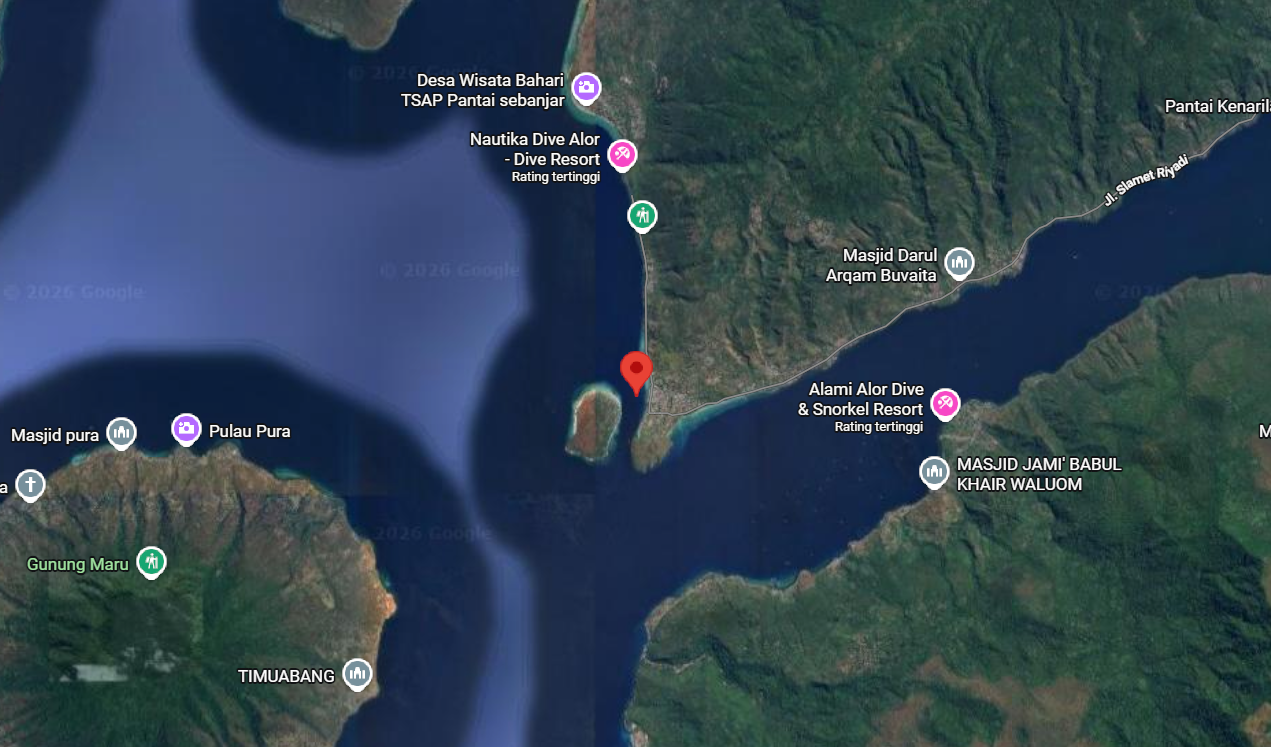
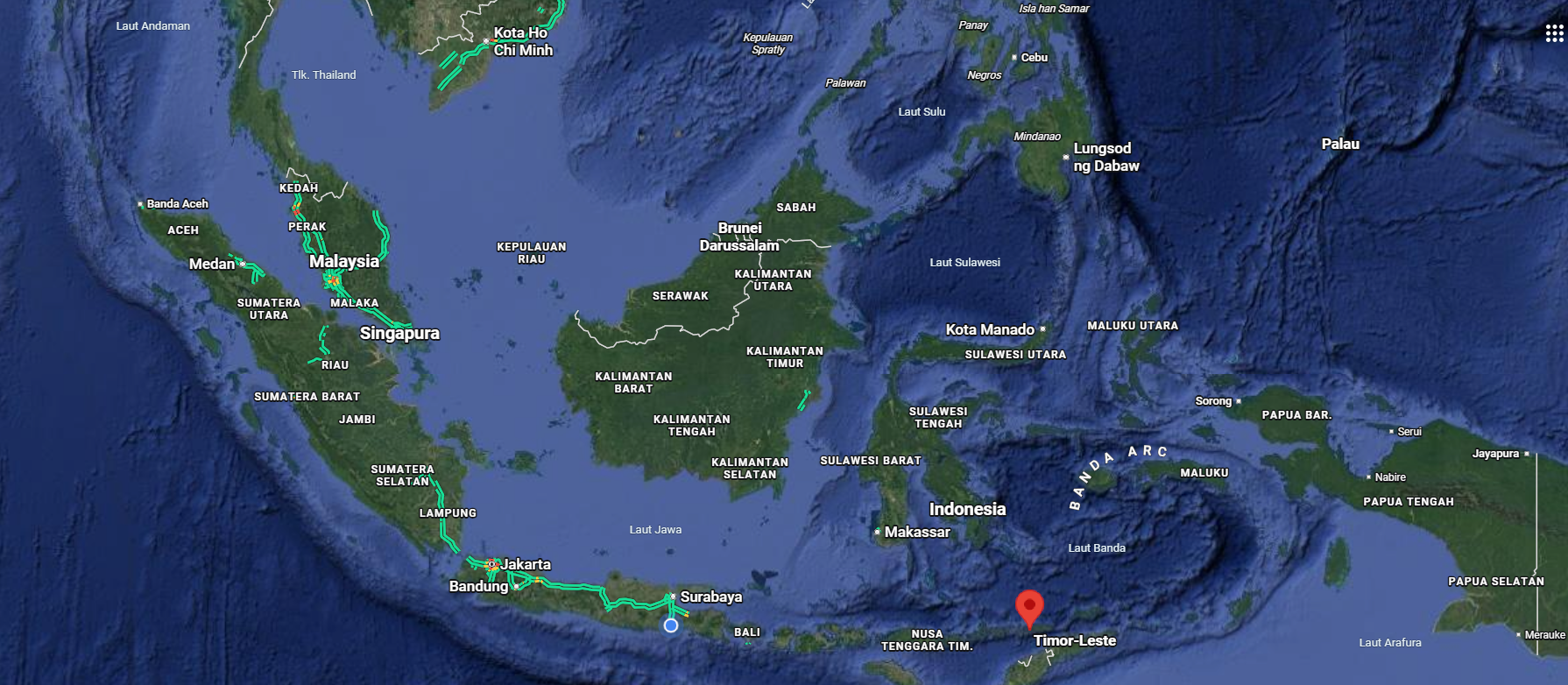
The phenomenon occurs in the narrow Mulut Kumbang Strait, between Alor Kecil and Kepa Island, and is known as an Extreme Upwelling Event (EUE).
According to a study published in the journal Oceanography, the phenomenon is very different from ordinary tropical upwelling. Normally, upwelling brings colder deep water toward the surface and may lower tropical sea surface temperatures from around 28°C to roughly 25-27°C.
In Alor Kecil, however, the temperature drop can be dramatically larger.
Researchers analyzing more than a year of measurements found that the near surface temperature could fall by about 10°C in only an hour, reaching a minimum of approximately 12°C. The cold water can also appear twice a day during an event, with each episode lasting less than an hour.
So, Where Does The Freezing Cold Water Come From?
The answer lies beneath the surrounding seas.
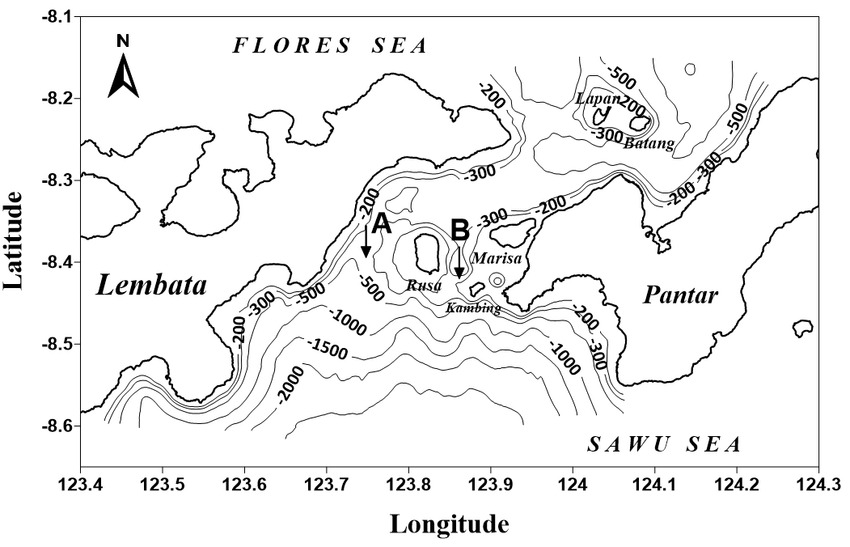
Bathymetric and oceanographic measurements indicate that the source is a deep basin more than 300 metres deep south of the Pantar Strait. At around 270 metres below the surface, researchers found that the water temperature could be as low as 8°C.
During particular tidal conditions, this deep, cold water is pushed through an underwater channel toward the Mulut Kumbang Strait.
Researchers describe the process as tidal sloshing, essentially, the back and forth movement of seawater caused by strong tides. The unusual underwater topography of the area allows this movement to bring the deep cold water rapidly toward the surface.
The phenomenon is also highly seasonal. Researchers found that extreme events occur between August and November, suggesting that monsoonal conditions also influence when they happen.
And because tides are predictable, the researchers believe these sudden cold water events could potentially be predicted in advance.
When The Sea Turns Cold, The Fish React Too
The sudden temperature shock does more than surprise swimmers.
Small fish can become temporarily stunned by the rapid change in temperature, making them unusually easy to catch. Local communities have long observed this phenomenon, but scientific evidence confirming the extreme temperature changes only emerged through systematic measurements.
The cold water also appears to attract dolphins.
A later study published in Progress in Oceanography found that dolphin sightings increased during extreme upwelling events, likely because stunned fish provided an abundant and easily accessible food source
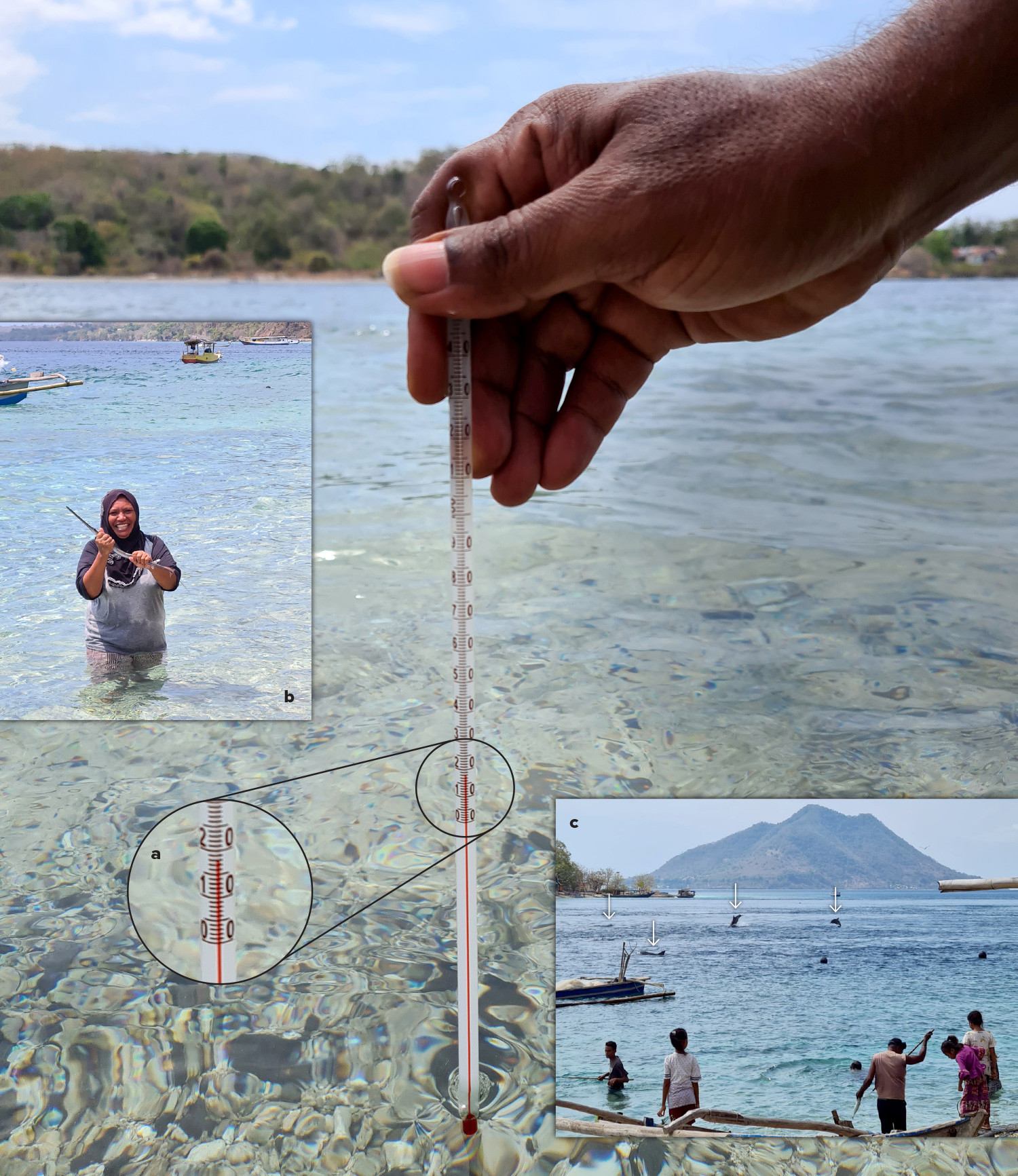
In observations conducted in 2023, researchers recorded 105 dolphin occurrences during one EUE period and another 90 during a second period.
This has created an unusual possibility for Alor, a natural oceanographic phenomenon could also become a form of wildlife attraction.
Unlike many marine tourism activities that require boats to approach wildlife, researchers noted that dolphins appearing during these events can potentially be observed from the shoreline of Alor Kecil.
What makes the phenomenon even more remarkable is how localized it is. The extreme cooling is concentrated around the narrow Mulut Kumbang Strait rather than affecting the entire surrounding sea.
Researchers have described the Alor Kecil event as potentially unique among tropical seas, noting that they found no previous reports of tropical sea surface temperatures below 15°C associated with comparable upwelling events.
So while Indonesia sits firmly in the tropics, one small stretch of its sea can briefly behave as if it belongs somewhere much farther from the equator.
And for a few hours, the waters of Alor can become one of the strangest cold-water environments in the tropical ocean.