Small, budget friendly cars make up a significant share of Indonesia's car market, and a handful of models dominate that segment.
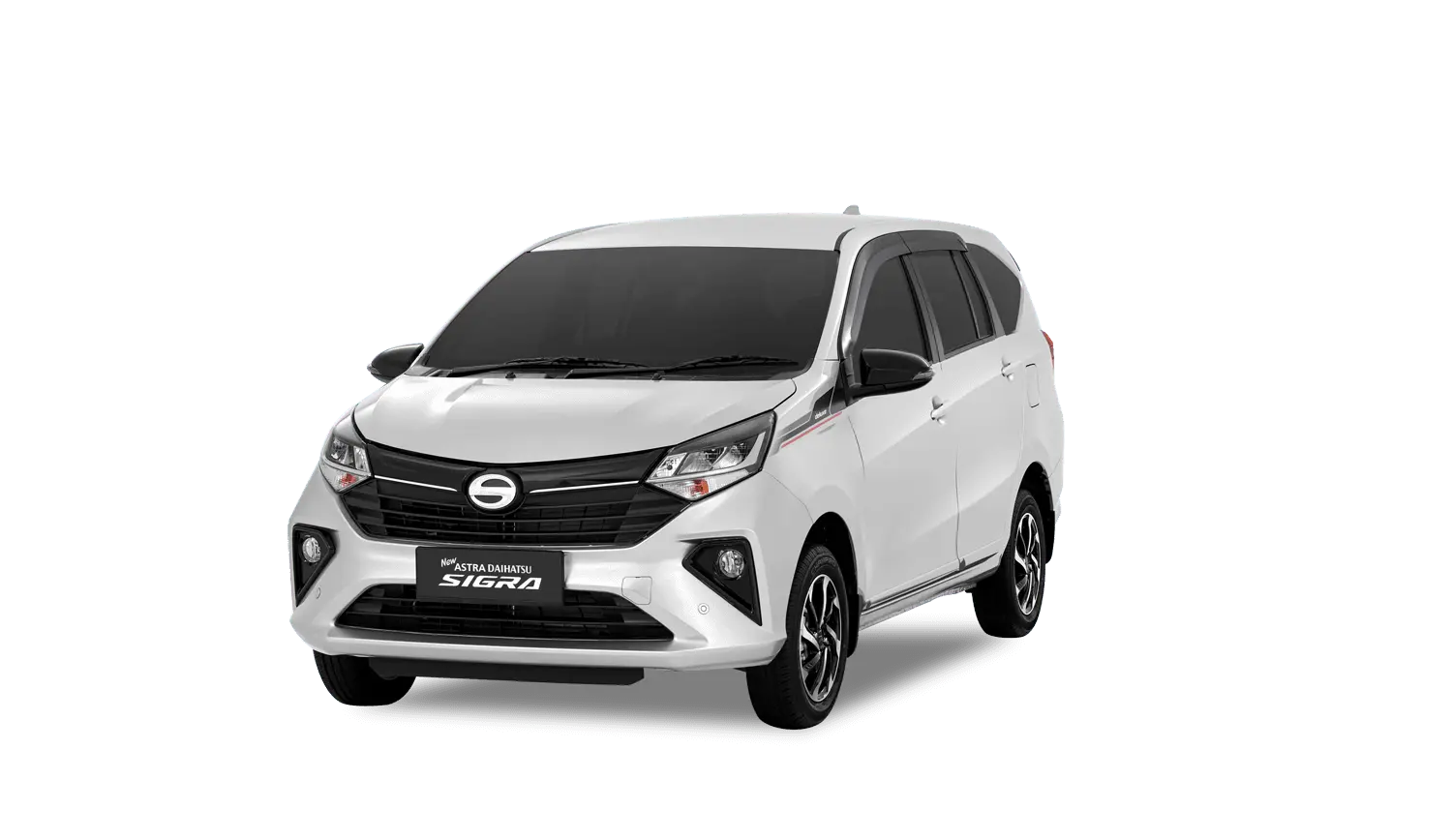
You may have seen them everywhere, the Toyota Agya, Daihatsu Ayla, Honda Brio Satya, Toyota Calya, or Daihatsu Sigra.
They are among the country’s most familiar small cars, often chosen because they are relatively affordable and economical to run. But many people may not realize that several of these cars belong to a specific category created by the Indonesian government.
It is called Low Cost Green Car, or LCGC.
LCGC is more than a nickname for a cheap, fuel efficient car. It is part of an industrial policy that Indonesia introduced more than a decade ago.
Why Did Indonesia Create LCGCs?
Indonesia officially introduced the LCGC program in 2013 as part of an effort to make cars more affordable while encouraging fuel efficiency and strengthening the country’s automotive industry.
Officially known as Kendaraan Bermotor Hemat Energi dan Harga Terjangkau (KBH2), the program set specific requirements for participating vehicles.
According to Indonesia’s Ministry of Industry's Indonesia’s 2013 KBH2 policy framework, under the original rules, gasoline powered LCGCs generally had engines between 980 and 1,200 cc and had to achieve fuel consumption of at least 20 kilometers per liter.
The government also provided tax incentives for qualifying vehicles and set an initial maximum selling price of Rp95 million, equivalent to roughly US$5,400 today, before local taxes and vehicle related charges. Under the current framework, that ceiling has risen to Rp135 million, or roughly US$7,600.
But making affordable cars was only part of the plan.
The program was also intended to encourage investment, technology transfer and the development of a more competitive domestic automotive component industry.
Manufacturers were required to submit plans covering investment, local production and the use of vehicle components made in Indonesia.
For Indonesia, From Indonesia
Under the original LCGC framework, manufacturers had to progressively increase the use of locally made components, with an 85% local content target.
Honda’s Brio Satya, for example, was reported to have reached 85% local components when it was introduced, while Toyota Agya and Daihatsu Ayla also reached 85% by the end of 2013.
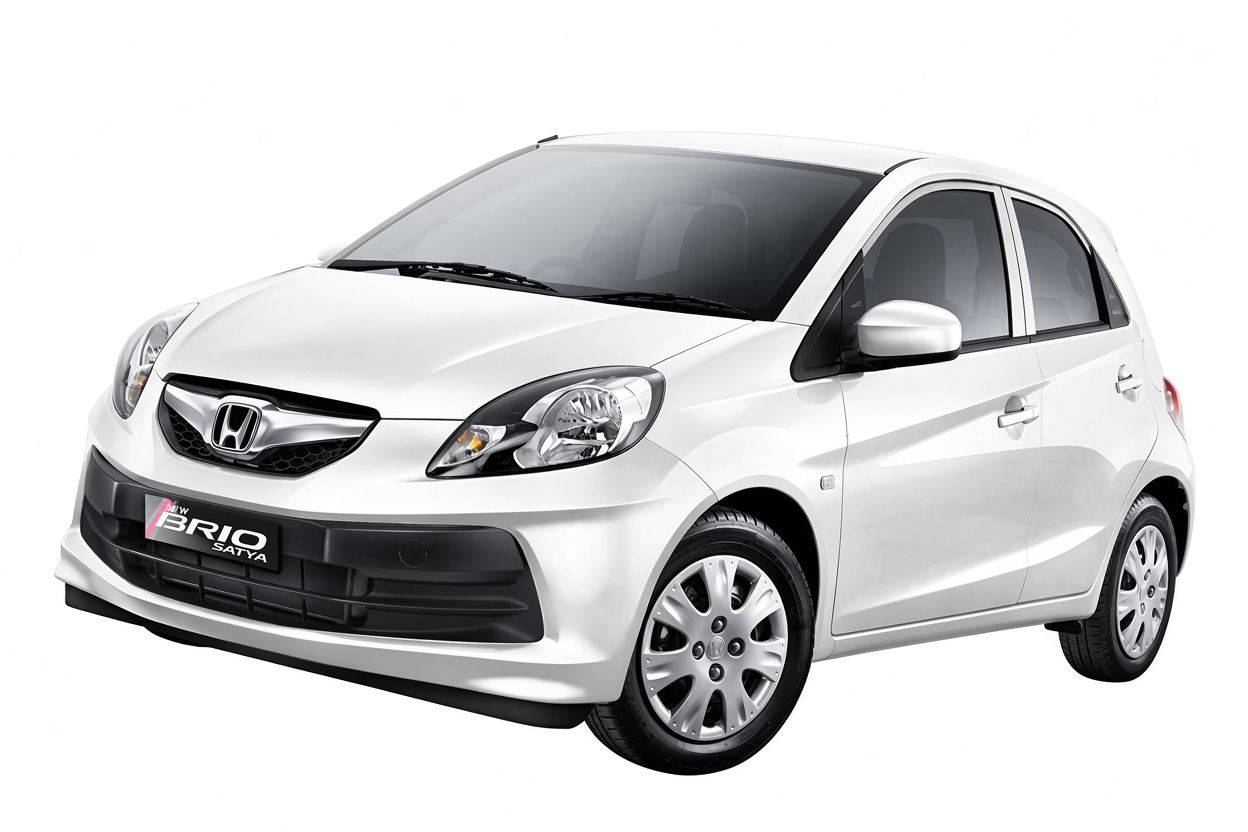
More than a decade later, localization has gone even further. According to Honda, the Brio Satya reached a TKDN (Domestic Component Level) of up to 96% in 2026, earning it the Best Local Content Car award at the Indonesia International Motor Show.
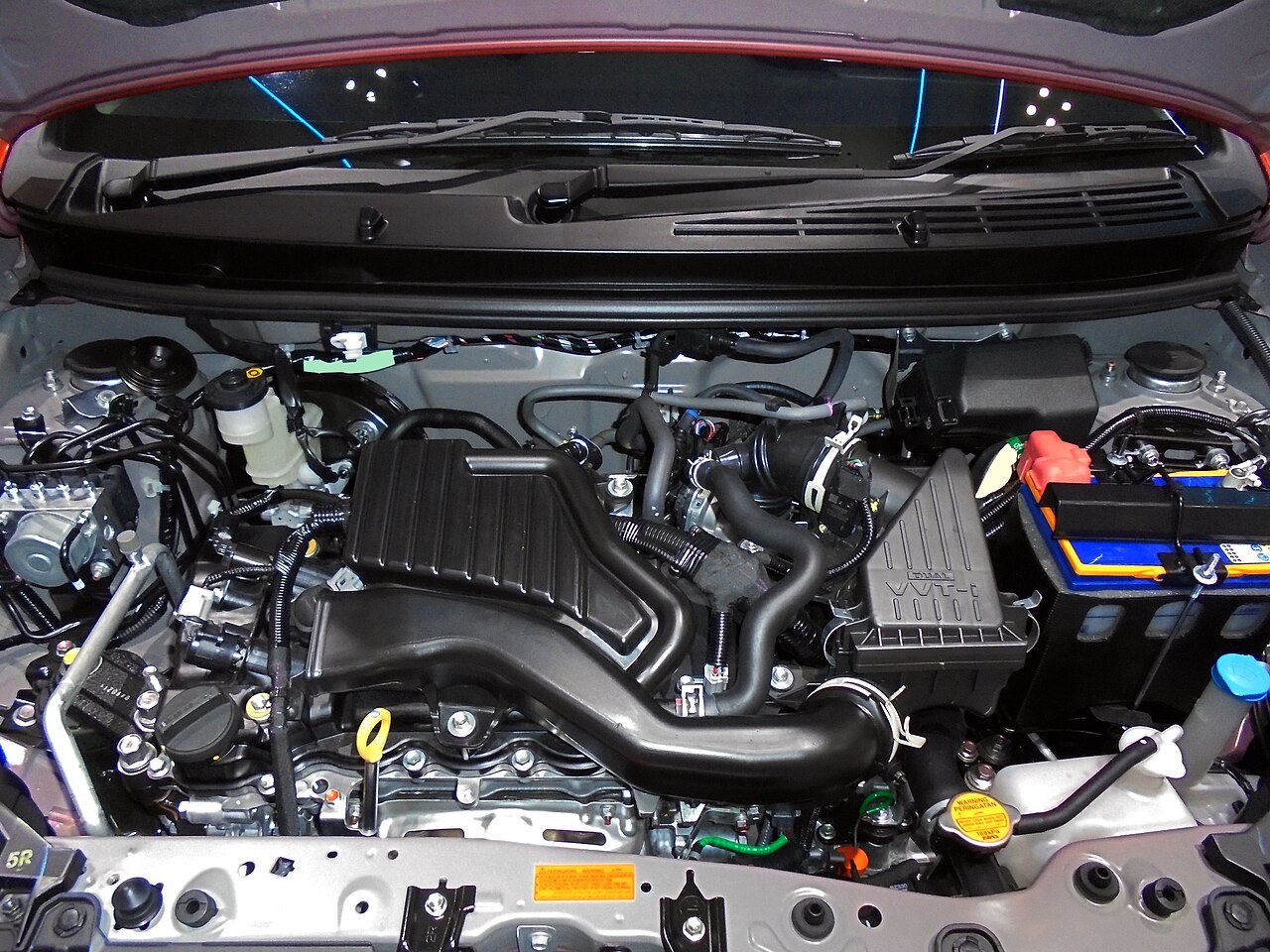
Daihatsu has also continued expanding local production, including producing 1,200 cc engines and CVTs in Indonesia for models such as the Ayla.
The rules also required participating LCGCs to use an additional Indonesian brand, model or logo that reflected Indonesia.
That requirement was reflected in the names, Honda’s LCGC became the Brio Satya, with “Satya” derived from Sanskrit, while Toyota’s Agya and Daihatsu’s Ayla also used Sanskrit derived names.
Quickly Became Popular
The program did not take long to find buyers.
According to the Indonesian Automotive Industry Association (GAIKINDO), the figures below refer to retail sales, meaning cars sold by dealers directly to consumers rather than vehicles distributed from manufacturers to dealers, which are counted as wholesale sales.
In 2013, the program's first year, LCGCs recorded 45,348 retail sales, accounting for about 3.7% of Indonesia's car market. Sales then jumped to 164,123 units in 2014 and continued climbing over the following years.
By 2016, annual LCGC retail sales had passed 220,000 units. The segment peaked at 242,680 units in 2017, when it accounted for 22.5% of Indonesia's car market.
LCGCs remained a significant part of the market after that peak. Retail sales reached 198,564 units in 2023, before falling to 178,726 in 2024 and 130,799 in 2025.
Why Are the Sales Falling?
The recent decline is partly a reflection of Indonesia’s overall car market.
According to GAIKINDO, national car wholesales fell from 1,005,802 units in 2023 to 865,723 in 2024, before dropping further to 803,687 in 2025.
GAIKINDO has linked the slowdown to weaker consumer demand, with declining purchasing power and the gap between household incomes and new car prices making consumers more cautious about buying cars.
That matters for LCGCs in particular. Their appeal has always been closely tied to affordability, so weaker purchasing power can make even relatively inexpensive new cars harder to sell.
At the same time, LCGCs are facing a new source of competition: affordable electric cars.
Indonesia’s EV market is still much smaller than the conventional car market, but it is growing quickly.
According to GAIKINDO data, battery electric vehicle (BEV) wholesales more than doubled from 43,188 units in 2024 to 103,931 in 2025, pushing their share of national wholesales from around 5% to 13%.
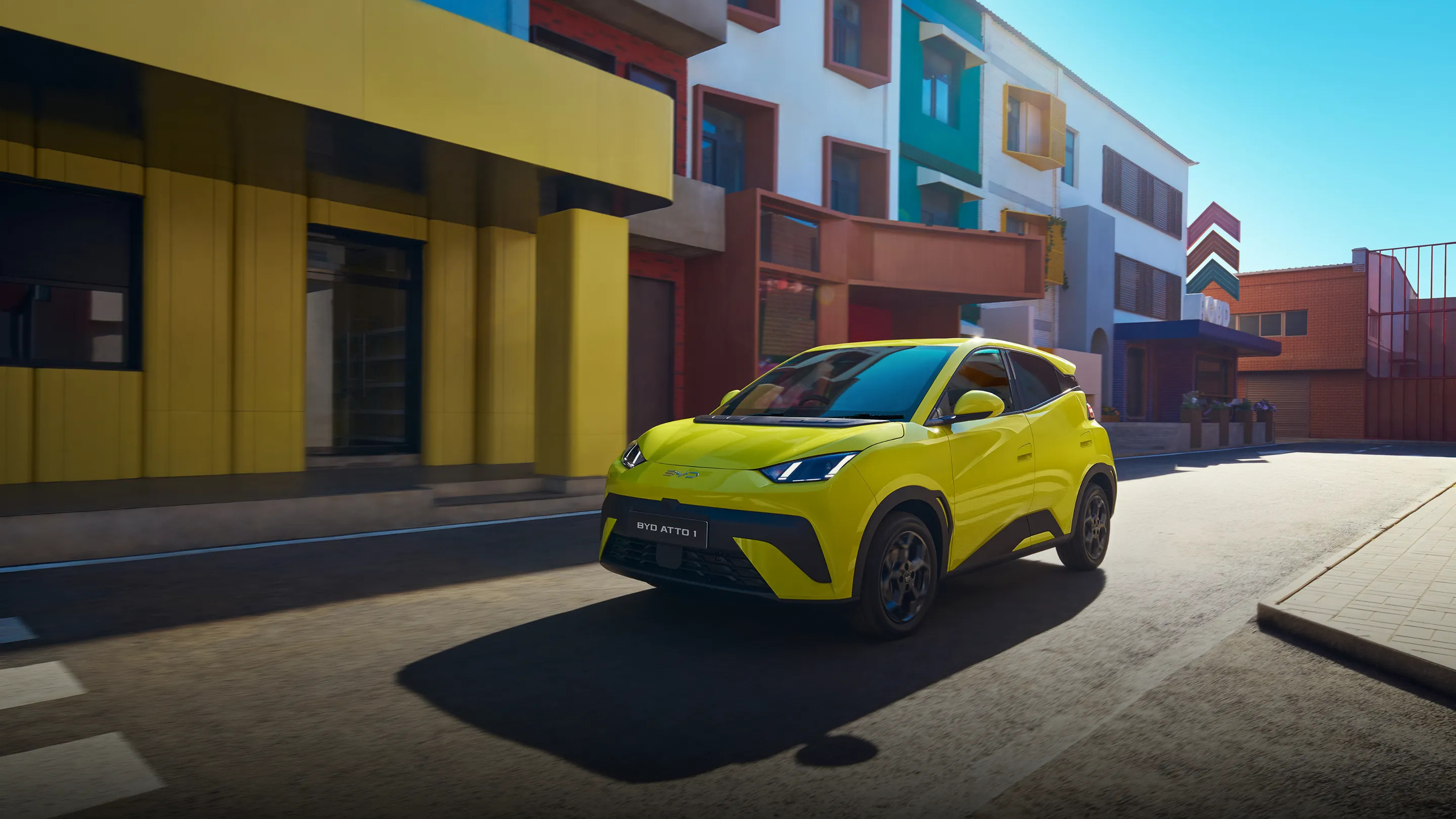
Chinese manufacturers have played a major role in that growth, bringing more models into price ranges that once belonged almost exclusively to conventional entry level cars.
Read here to learn more: How Chinese Carmakers Sparked Indonesia’s EV Price War
For LCGCs, this means the market is no longer just about competing with other small gasoline cars. Consumers now have more alternatives, including increasingly affordable EVs.
Similar Cars, Different Policies
Indonesia is not the only Southeast Asian country to encourage smaller, more efficient cars, though its approach differs from its neighbors.
Thailand's Eco Car program pushes manufacturers toward fuel efficient models through investment incentives, with its second generation rules requiring fuel consumption of no more than 4.3 liters per 100 km.
Malaysia has no direct LCGC equivalent, relying instead on its domestic industry, particularly Perodua, whose Axia serves a similar affordable, fuel efficient role without a dedicated government category.
The Philippines through its Comprehensive Automotive Resurgence Strategy (CARS), which offers incentives to selected manufacturers investing in local vehicle and parts production rather than creating a mass market car category.
More Than Just a “Cheap Car”
LCGC is more than a label for cheap, small cars
Indonesia created the category to combine several goals:
- Making new cars more accessible
- Improving fuel efficiency
- Encouraging local production
- Building up the domestic automotive industry
That is why the Agya, Ayla, Brio Satya, Calya, and Sigra are not just small cars. They are the product of a policy that helped shape what Indonesia's entry level car market looks like today.