


Half a day in Gresik gave the MuseeID team two different perspectives on East Java’s past. At Museum Kanjeng Sepuh Sidayu and Museum Madanten, the visit connected the legacy of a respected regional leader with the history of a riverside community—and the people working to keep both stories accessible.
Rediscovering Sidayu’s Place in History
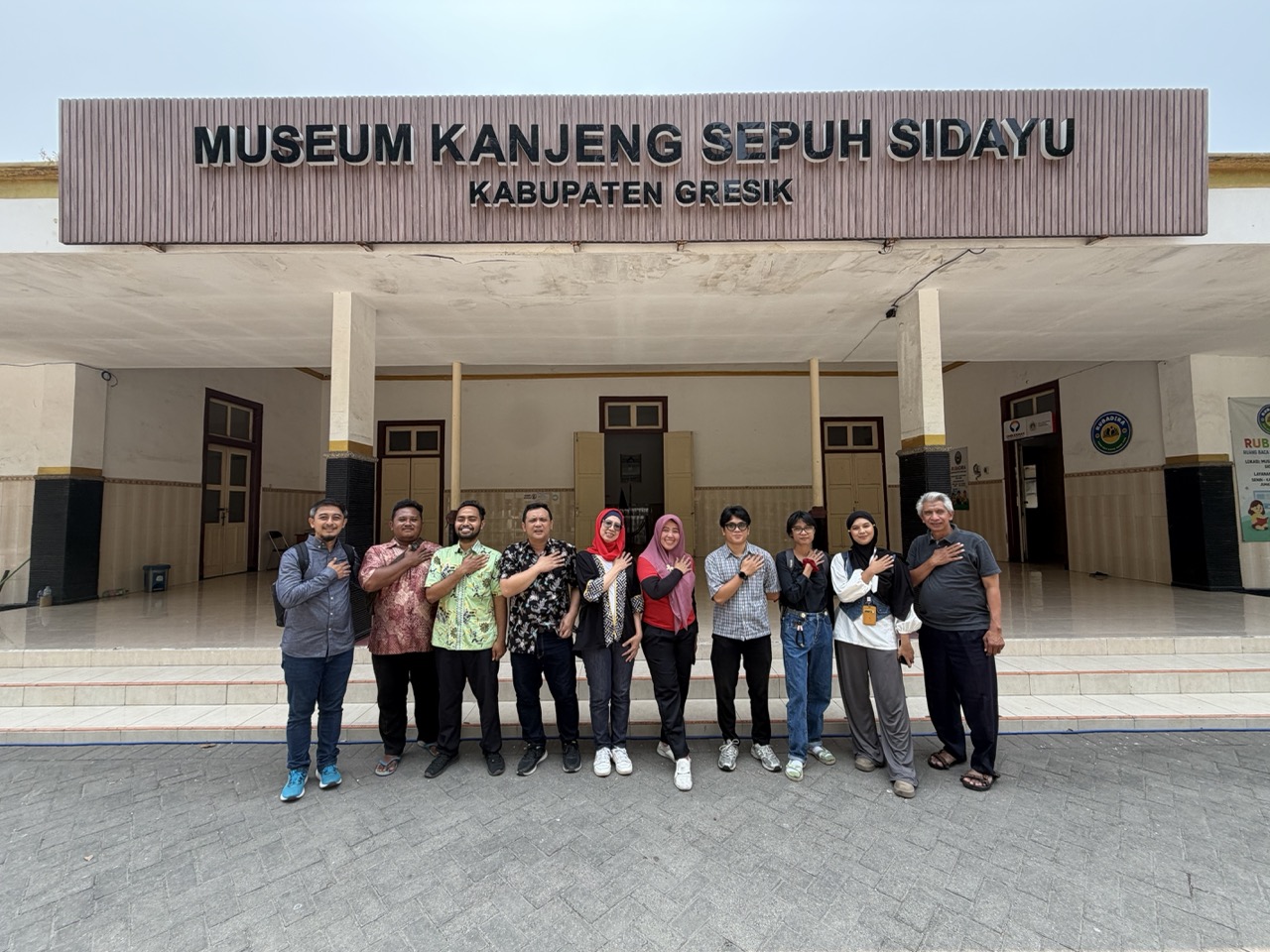
Museum Kanjeng Sepuh Sidayu brings attention to a place whose historical importance extends beyond its present status as a district within Gresik. Sidayu was once a kadipaten, a regional administrative territory, before becoming a kawedanan and eventually a kecamatan.
The museum occupies the former kawedanan building near Sidayu’s square. Its setting helps connect the collections with the surrounding town: government, commerce and religious life developed here together, leaving traces in buildings, objects and community traditions.
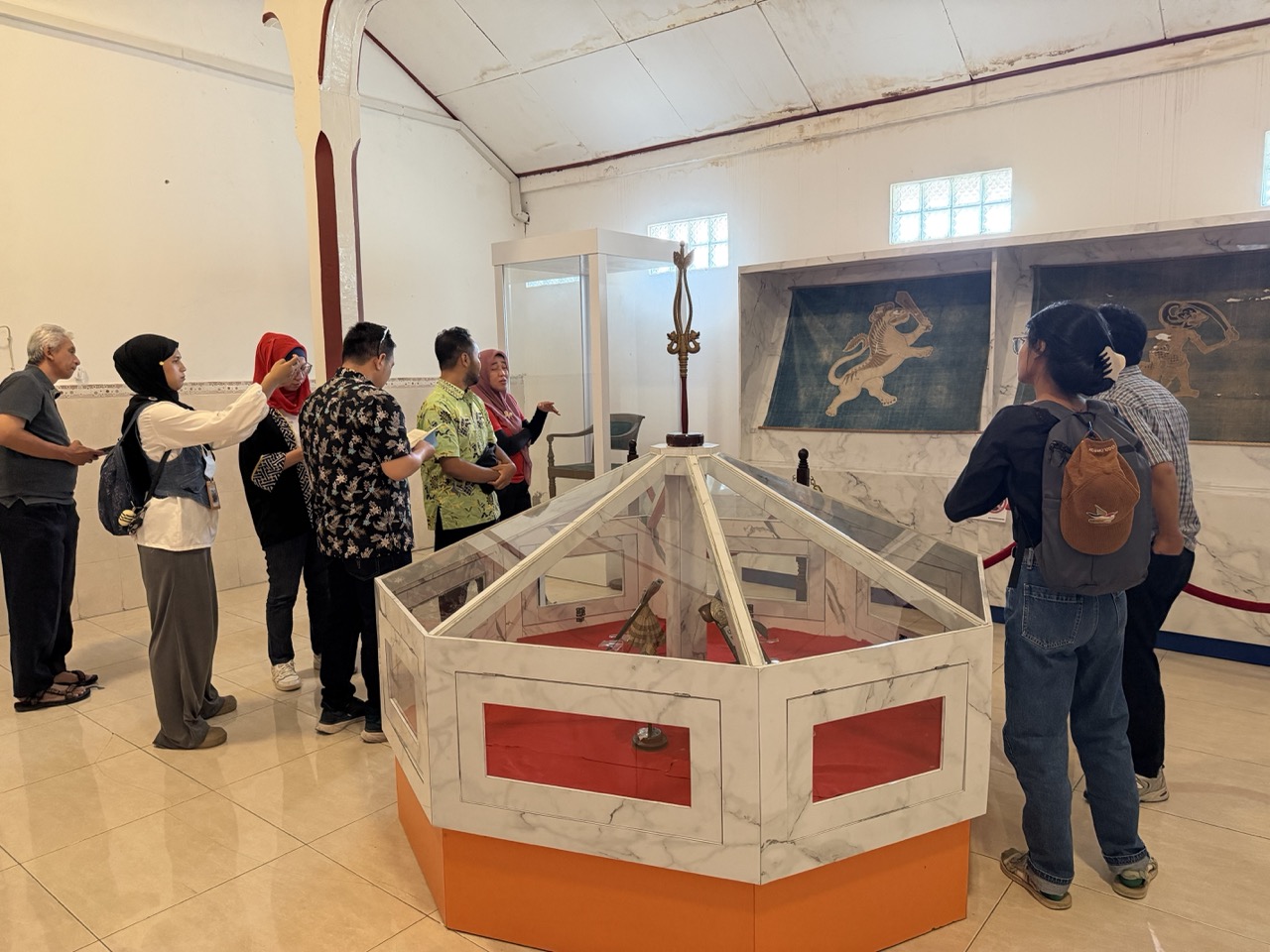
Its namesake, Raden Adipati Soeryodiningrat, is remembered as Kanjeng Sepuh, a regional leader and Islamic scholar respected for his closeness to ordinary people. The museum’s public opening on August 2, 2024, gave that legacy a dedicated educational space.
“Museums are places of inspiration from the past for the future,” Gresik Regent Fandi Akhmad Yani said at the opening. His invitation to schools to use the museum placed young visitors at the centre of its purpose.
For MuseeID’s half-day itinerary, Sidayu offered a way to understand history through a particular place and person. Ceremonial standards, including the Panji Singa and Panji Hanuman documented in East Java’s heritage registry, provide starting points for exploring the symbols associated with local authority.
A Heritage Landscape Beyond the Galleries
The museum also belongs to a wider historical neighbourhood. Gresik’s tourism agency connects it with the Kanjeng Sepuh mosque, the leader’s tomb complex and Sidayu’s market in a suggested heritage walk. These nearby places allow visitors to relate museum interpretation to an environment still used for worship, trade and daily life.
Community participation was visible from the museum’s public opening: an accompanying colouring competition involved 100 kindergarten pupils from across Sidayu. That modest detail illustrates how local museums can introduce heritage before history becomes a formal classroom subject.
Madanten Keeps Village Memory Close
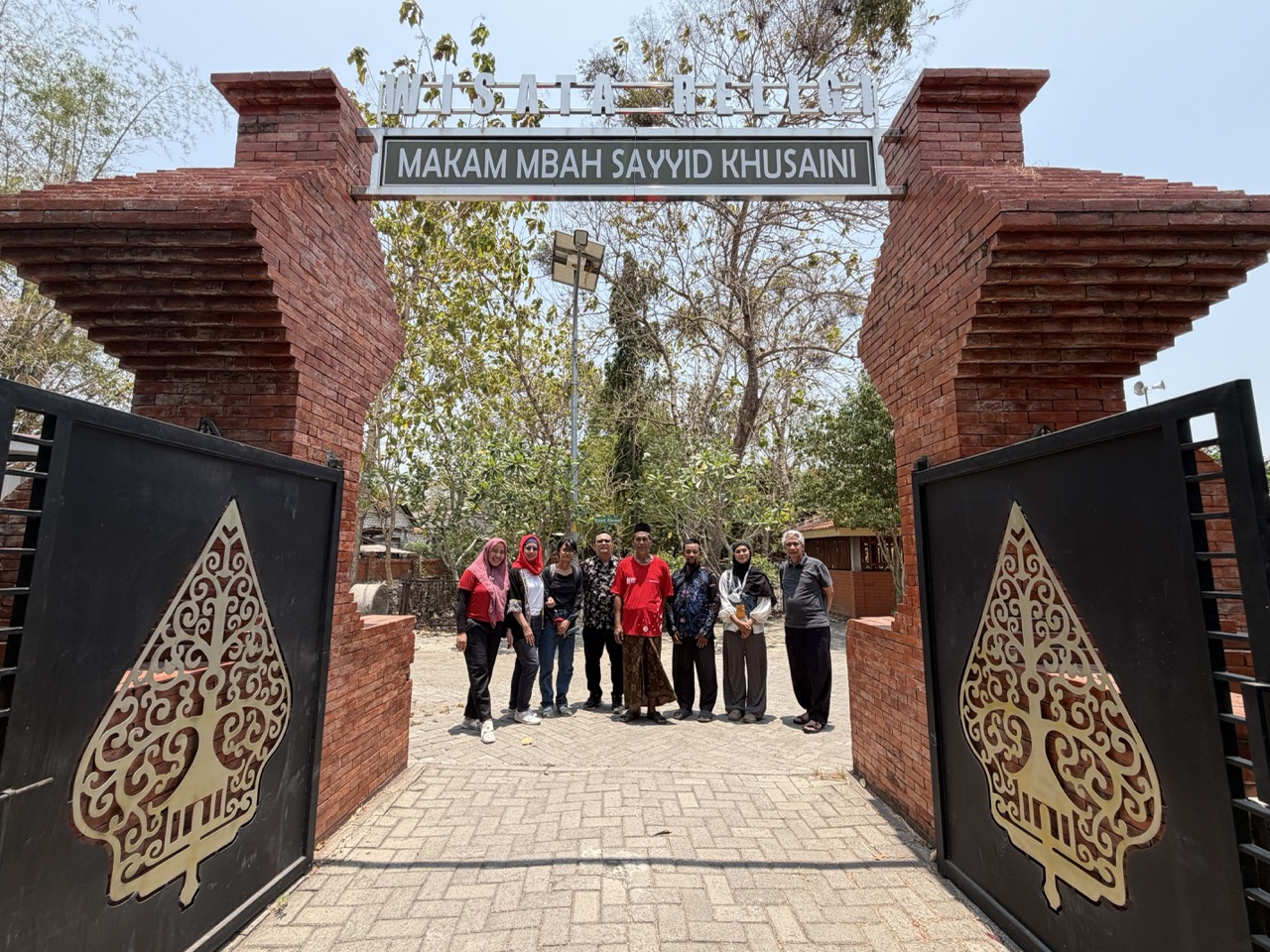
At Museum Madanten in Desa Bedanten, Kecamatan Bungah, the emphasis shifts from a prominent leader to the collective memory of a village. Located within the Mbah Sayyid Khusaini tomb complex, the museum preserves objects gathered through local discoveries and community contributions.
Its inauguration plaque, photographed during the visit, records August 14, 2022. The name Madanten connects the museum with the settlement identified in accounts of the 1358 Canggu inscription, which documented riverside communities providing crossing services. That association places Bedanten within the wider history of movement and exchange along the Bengawan Solo.
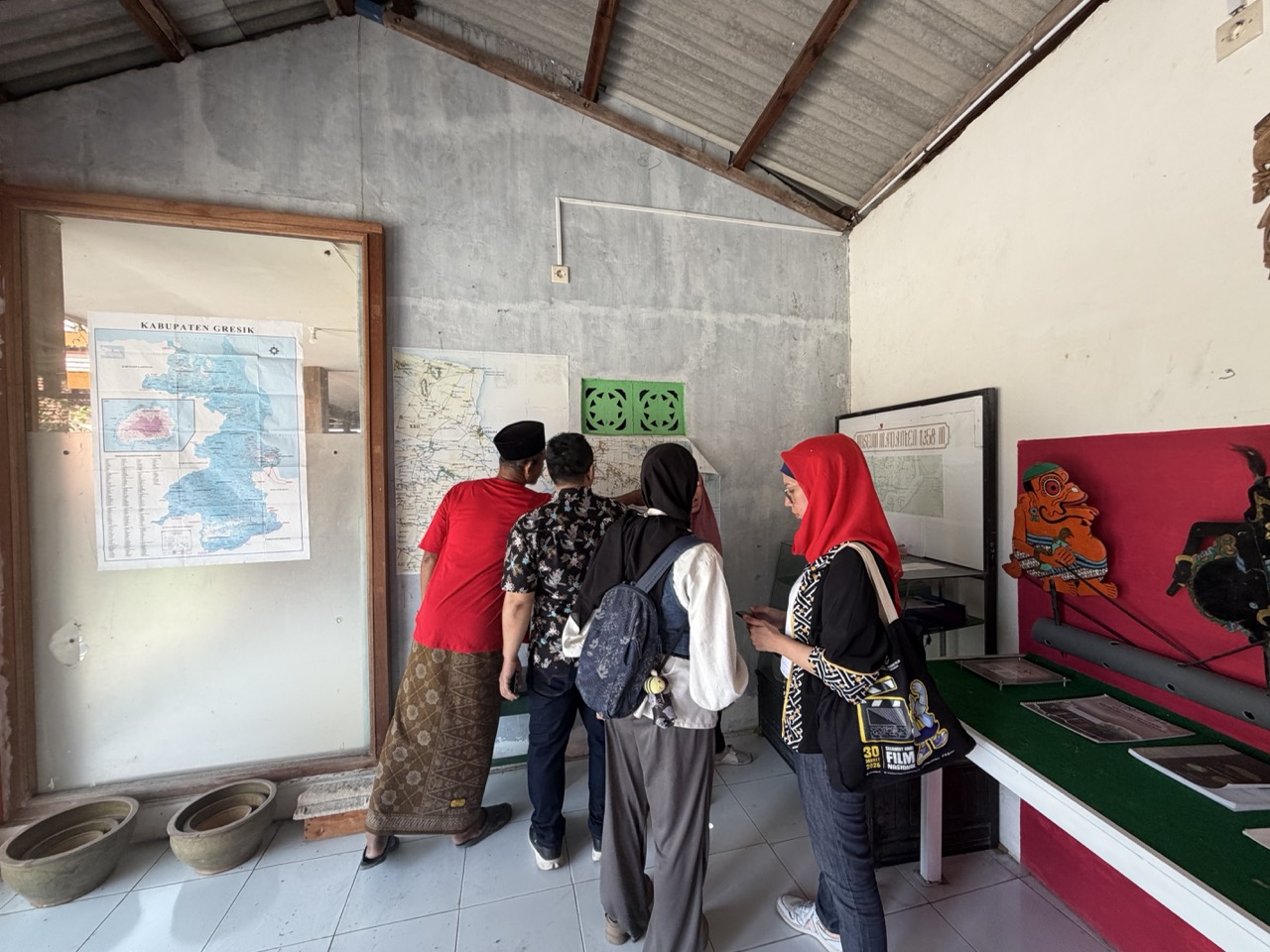
The collections include pottery, ceramic fragments, ancient brickwork and an andesite peripih container, alongside donated historical objects. Accounts of the museum’s establishment describe how earlier discoveries sometimes left the village through sales, encouraging residents to organise their preservation.
“What began as individual awareness became collective,” manuscript curator and ancient-script specialist Diaz Nawaksara said of Bedanten’s heritage efforts at a May 2023 gathering. His observation captures the museum’s strength: preservation became a shared undertaking.
Following the River’s Longer Story
Madanten’s opening coincided with the conclusion of the 2022 Bengawan Solo expedition. According to the village government’s account, participants travelled from Wonogiri on July 14 to Bedanten on August 14, covering 462 kilometres through 491 villages across 12 cities and regencies.
The journey examined environmental, social, cultural, historical and economic aspects of the river corridor. Its connection with the museum broadens the story beyond individual artefacts: the river itself becomes part of the historical record, linking settlements and livelihoods across Central and East Java.
That work continues in another form. In January 2026, Bedanten’s official website published access to a digital museum catalogue, extending opportunities to explore its collections beyond an in-person visit.
Small Museums, Lasting Connections
Together, the two stops brought different approaches into view: Sidayu’s government-managed museum interprets regional leadership, while Madanten’s community initiative safeguards village discoveries and memories.
MuseeID’s half-day visit offered a compact introduction to both. The larger invitation is to spend time with the local institutions that make Indonesian history tangible—one collection, one neighbourhood and one community at a time.


