Con Son Island is the largest island in the Con Dao Archipelago, located off the southeastern coast of Viet Nam. The island lies in the South China Sea and falls under the administrative jurisdiction of Ba Ria-Vung Tau Province.
Con Son Island covers a land area of approximately 51 square kilometers. The territory forms the main residential settlement and serves as the primary administrative center of the Con Dao Archipelago.
Historically, Con Son Island was used as a detention area during French colonialism and the Viet Nam War era. Currently, most of the island area has shifted its function into a marine conservation sanctuary.
Early Life on Con Son Island Before the Establishment of the Prison
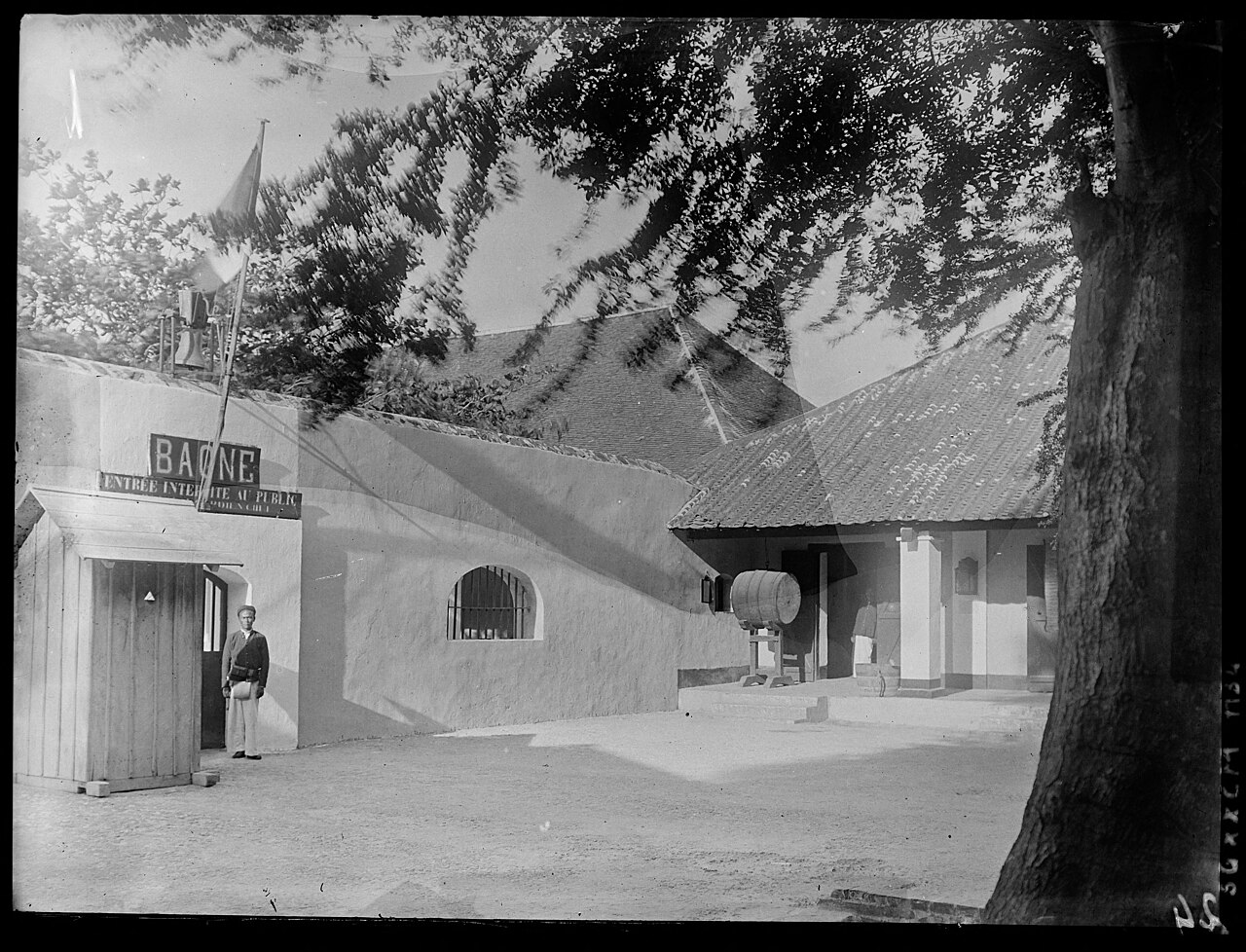
Before the 19th century, Con Son Island was known to Malay seafarers as Pulau Kundur. The Malay term was later adapted by European sailors into Poulo Condore, which was eventually absorbed into the Vietnamese language as Con Son.
Con Son Island served as a stopover point for maritime trading vessels to replenish fresh water supplies. The geographical condition of the island, possessing fresh water sources, was the main reason for international shipping stops.
The English East India Company established a fortified settlement on Con Son Island in 1702. However, the settlement lasted only until 1705 following a local conflict in the fort area.
Following the departure of the British, the local fishing communities reoccupied the coastal areas of the island. The island locals relied on fishing activities in the surrounding waters for their livelihood.
The isolated condition of the island in the middle of the South China Sea limited interaction between the island locals and mainland Viet Nam. The state of affairs persisted until the French colonial government began occupying the Indochina region.
Serving as a French Colonial Era Prison Area
The French colonial government began occupying Con Son Island in the mid-19th century. French authorities built the first detention facility on the island in 1861.
The detention facility was named Con Dao Prison, also known as Poulo Condore Prison. Colonial authorities utilized the isolated location of the island to confine political prisoners.
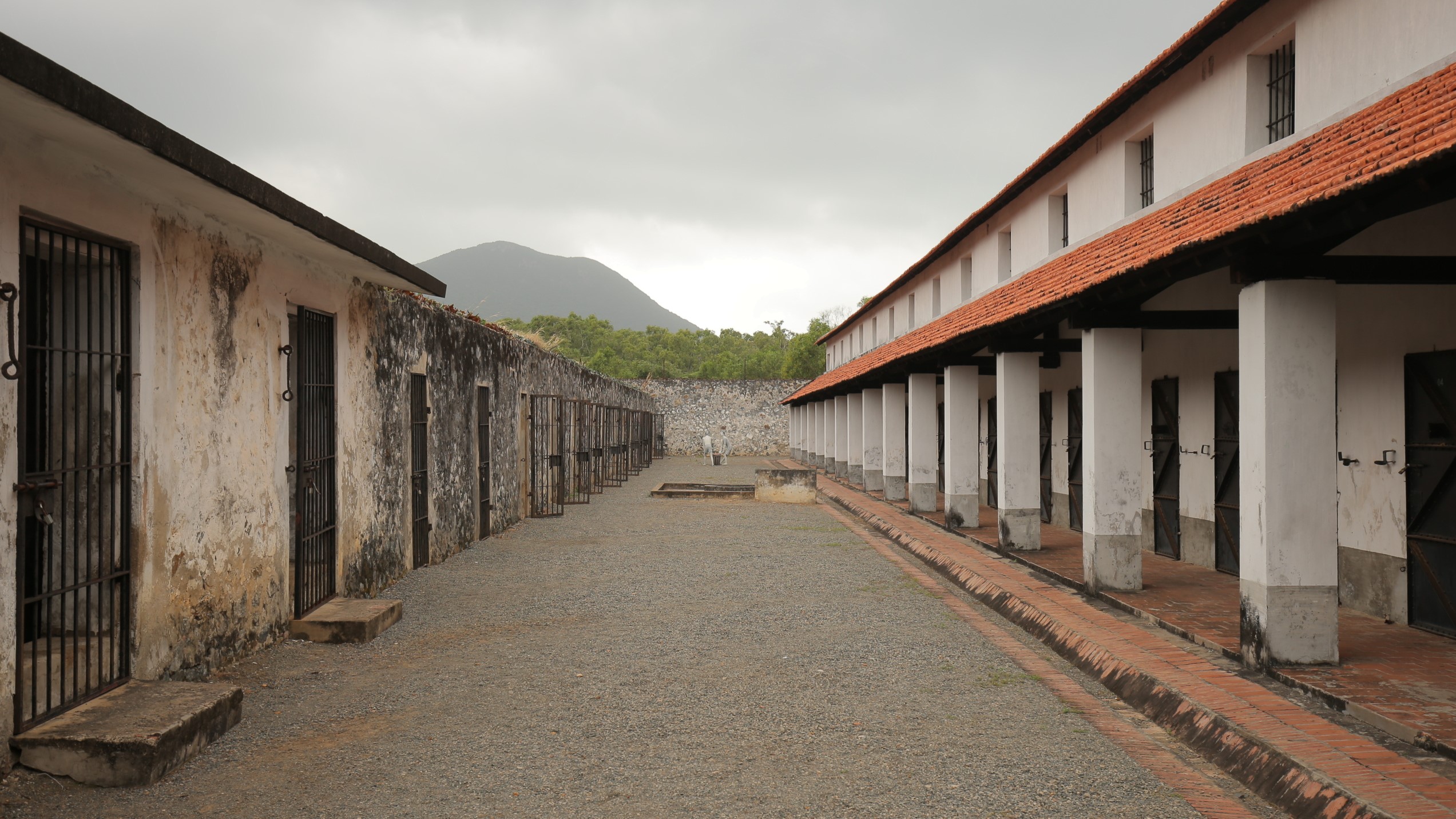
Prison management expanded the detention area gradually over several decades. One of the cell units constructed was a high-security detention space known as the tiger cages.
The cell structure was built underground with a roof made of iron bars. The facility was used to detain fighters of the Vietnamese independence movement.
One of the national hero figures of Viet Nam imprisoned on Con Son Island was Vo Thi Sau. She was executed by colonial authorities on the island in 1952.
The detention facility continued operating through several conflict periods until the Viet Nam War ended in 1975. After the war ended, all detention activities on the island were permanently stopped.
The Vietnamese government designated the former prison area on Con Son Island as a national historical heritage site. The detention cell structures were preserved as an open-air museum to document the history of the national struggle.
Transitioning into a Marine Conservation Sanctuary
The Vietnamese government altered the management status of Con Son Island in 1993. Most of the land and surrounding water area was designated as part of Con Dao National Park.
The waters surrounding Con Son Island serve as the main nesting site for green sea turtle and hawksbill sea turtle species in Viet Nam. Hon Bay Canh Island, situated east of Con Son, was made the primary protection center for turtle nesting grounds.
Apart from turtles, the coastal area of the island serves as a protected habitat for rare marine mammal populations such as dugongs. Local authorities restrict motorboat shipping lanes in seagrass meadow areas to safeguard food availability in natural habitats.