At first glance, Singapore is known for its towering skyline, global banks, and status as one of the world’s leading financial centers. But beyond the glass and steel of its financial district, a growing share of the capital flowing through the city state is being directed toward a different mission, supporting Southeast Asia’s transition to a low carbon future.
While many countries in the region possess abundant renewable energy resources, turning that potential into reality requires significant investment. Through its financial institutions, regulatory frameworks, and sustainable finance initiatives, Singapore is helping channel capital into renewable energy and climate related projects across the region.

Aerial photograph of the Parkroyal Collection Pickering hotel in Singapore | Photo by Meriç Dağlı on Unsplash
Connecting Capital to Climate Goals
Singapore's growing focus on sustainable finance is closely tied to a challenge facing the rest of Southeast Asia. The region is rich in renewable energy potential, but turning that potential into reality requires enormous amounts of capital.
Indonesia alone has an estimated 3,687 GW of renewable energy potential as reported by Indonesia's Ministry of Energy and Mineral Resources, while Vietnam has rapidly expanded its solar capacity to more than 18 GW.
The Philippines, meanwhile, possesses offshore wind resources estimated at more than 178 GW. Yet despite these advantages, financing remains one of the biggest obstacles to the region's energy transition.
According to the ASEAN Centre for Energy (ACE), Southeast Asia will require roughly US$1.5 trillion in clean energy investment by 2030 to meet its transition goals. Sustainable finance has become a key pillar of Singapore's financial sector development strategy.
Numbers with a Purpose
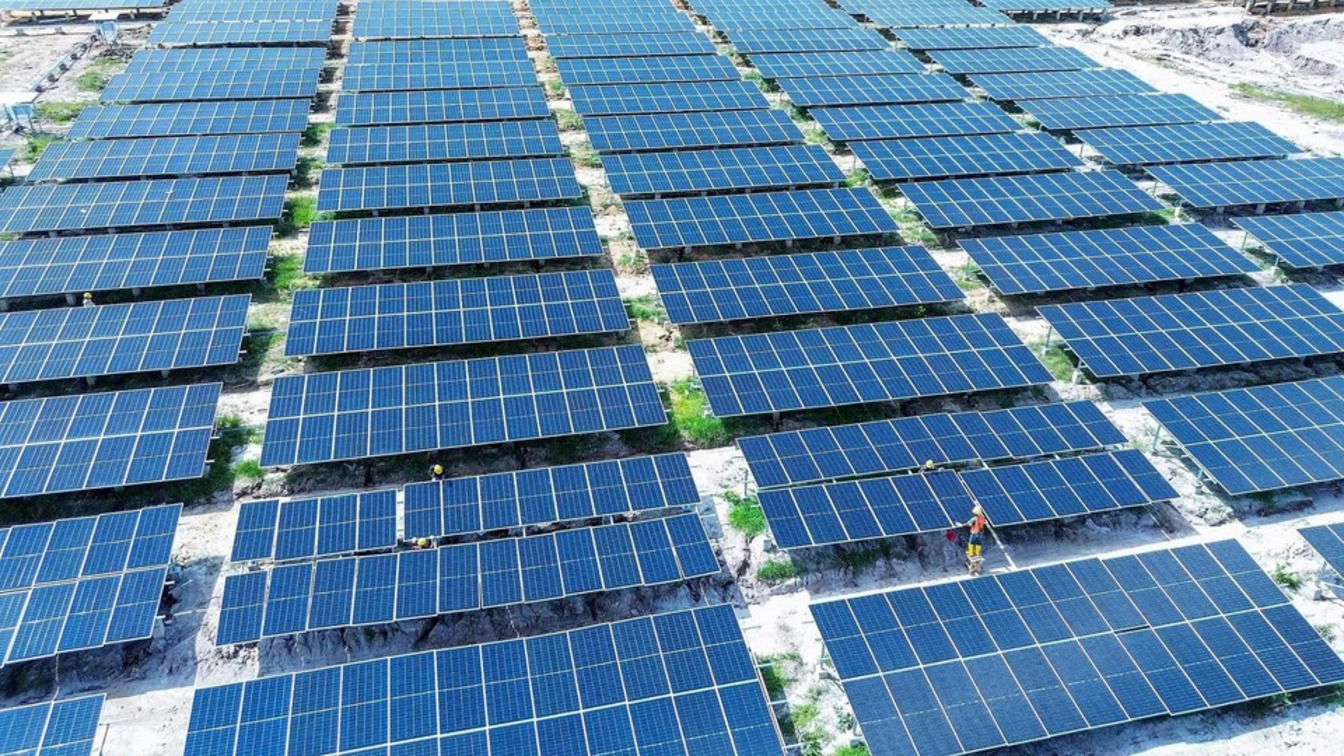
Solar panels developed by Singapore based Sembcorp at Indonesia's new capital, Nusantara (IKN) | Photo: SEMBCORP
The momentum behind this transformation is backed by concrete data. According to the Monetary Authority of Singapore (MAS), Singapore is Southeast Asia's largest market for green and sustainability linked bonds and loans, accounting for more than half of the region's total issuances.
In 2024, sustainability linked loans originated from Singapore hit a record high for the seventh consecutive year, surpassing $48 billion. The sector is supported by regulatory frameworks and financing mechanisms that have attracted billions of dollars in green and transition related investments.
To back this mission, Singapore is deploying a significant financial catalyst, committing US$500 million in concessional capital under the FAST-P initiative to mobilize up to US$5 billion in global capital for Asia's green transition.
The initiative's first fund, the Green Investments Partnership, has already secured US$510 million in committed capital and is actively deploying funds into sustainable infrastructure across Southeast and South Asia.
Empowering Local Communities
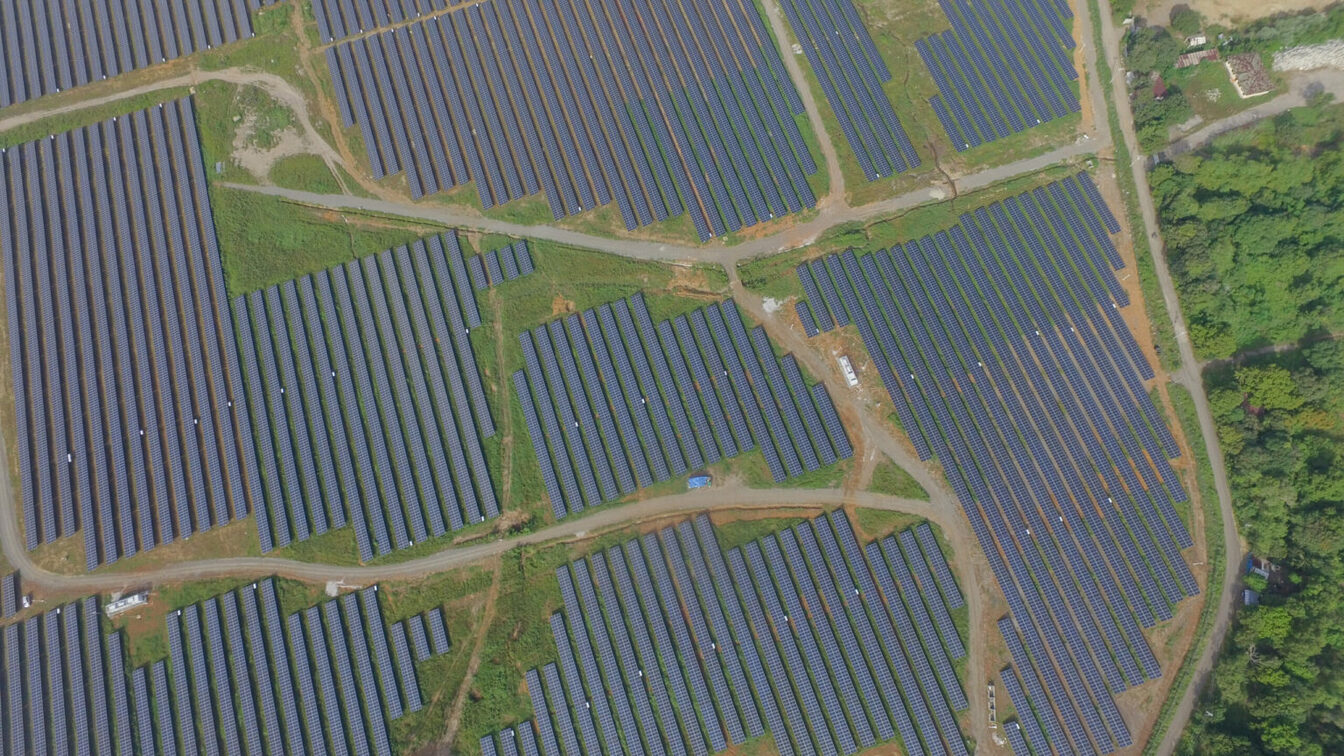
The Palauig Power Plant in the Philippines, by Gurin Energy, a Singapore based renewable energy company | Credit: Gurin Energy
The impact of green finance can be seen not only in investment flows, but also in the infrastructure projects it helps support. Pentagreen Capital, a Singapore-based sustainable infrastructure debt platform operating under the FAST-P ecosystem, extended US$55 million in financing to Citicore Solar Energy Corporation in the Philippines for solar and battery energy storage projects.
Such transactions play an important role in addressing one of Southeast Asia's biggest challenges, securing sufficient financing for long term sustainable development.
Historically, many large scale infrastructure and sustainability projects in Southeast Asia relied heavily on funding from multilateral institutions and external partners. Singapore's growing role as a sustainable finance hub is helping expand the range of financing options available to governments, developers, and businesses across the region.
According to Singapore's Economic Development Board, Southeast Asia's annual renewable capacity addition for solar must increase by a factor of seven to twelve times to achieve the region's net zero goals a gap that Singapore's financial ecosystem is increasingly positioned to help close.
By connecting international investors with regional projects and providing common sustainability frameworks, Singapore has become an increasingly important gateway for green and transition finance in Southeast Asia.
The Next Horizon
Singapore is also exploring the digital infrastructure to support this mission. Gprnt, launched by MAS, uses generative AI to help businesses automatically generate sustainability reports, while Climate Impact X uses satellite monitoring, machine learning, and blockchain to enhance the transparency and integrity of carbon credit trading.
These initiatives complement broader efforts to strengthen the credibility of sustainable finance across the region.
Singapore may not have vast solar farms or sprawling wind corridors of its own, but it has become one of the key financial gateways supporting Southeast Asia's energy transition. By developing common standards, attracting global capital, and reducing investment barriers, the city state is helping channel billions of dollars into sustainable projects across the region.